How can sports properties utilise ChatGPT? 

ChatGPT is an artificial intelligence (AI) chatbot designed to respond to text-based enquiries and language responses. It’s a free conversational model that generates human-like text when interacting with the application.

It’s fair to say ChatGPT has taken the world by storm. The app has reached 100m+ users only two months after its launch (January 2023).

To discover more about ChatGPT around, its usability and its features, click here.

If you want to learn more about ChatGPT’s growth, click here.

With the growth of AI, multiple opportunities have been offered to the sports industry. For example, the rapid increase in digital currency has been utilised by sports properties placing themselves on the stock market. Furthermore, the metaverse has presented new brand opportunities to strengthen fan engagement initiatives. With ChatGPT on the scene for a few months, how can sports properties utilise this opportunity?

Interactive Customer Service

Having sports fans interact with a virtual customer service agent will enhance the customer experience. For example, having a chatbot which can answer common fan questions such as the following, “when are tickets going to be made available for the next UFC event?”, “where is the cheapest shop I can find a Spurs jersey for the upcoming season?”, “How soon until Lebron James is planning to do a meet and greet in the UK?”.

The context of these questions enhanced by OpenAI will improve their experience as sports consumers with quick and accurate information.

Brighter fan engagement strategies
Despite the growth of digital on the upwards trajectory, there are still challenges, such as more and more brands hopping onto content creation, it becomes harder to stand out. For example, if you’re a marketer in the Premier League, you can utilise ChatGPT to analyse previous content you’ve posted on social platforms. This strategy can support your thought process behind maintaining a consistent tone of voice amongst your audience. Plus, it’s also beneficial for saving time throughout the content creation process.

Reporting sports event summaries
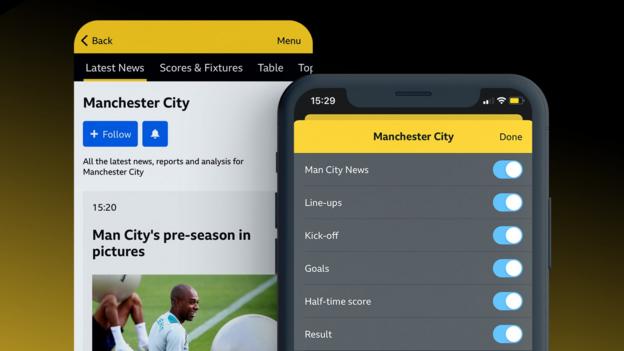
Typical sports fan behaviour consists of expecting match reports and stats live throughout games and being available in full as soon as possible once a football game is finished. For example, after a Spurs game has ended, I’m used to receiving a pop-up notification for the BBC Sport app when I look at my phone, which has a match report available.

There’s potential for ChatGPT to be a resource to assist with formulating sports event summaries via game day datasets. Doing so would be an innovative method to give fans an alternative avenue to get the value they desire.

Language services

In sports such as MMA, for example, during press conferences at the UFC, the global appeal is huge. Despite English being one of the most common languages worldwide, not everyone can speak and understand it fluently. Properties such as the UFC hire translators and transcribers so fans can connect and engage with athletes from foreign cultures.

This is where ChatGPT has an opportunity to help. For example, when creating content to better connect with an international audience, ChatGPT can automate tasks such as translating the text into whatever native language you desire. Then, when you go to make a tweet/post a caption on Instagram, the content is ready to go.

To discover more about how sports organisations can use the leverage from ChatGPT, click here.

For a broader perspective on how OpenAI can be utilised away from sport, click here.

Can you think of any other ways ChatGPT can benefit the sport industry?

Content trends that stood out in combat sports during 2022

Utilising non-sporting themes to amplify athlete-driven personalities further

The UFC have explored many ways to better connect with its audience. A large theme contributing to this involves Q&A sessions; the UFC decided to create a series which embraces this called No MMA Questions. The clue is in the name, MMA fighters answer questions which explore their personality; these include topics like their favourite food, places they want to travel, hobbies etc.

The above episode has accumulated over 349k+ views.

What can we learn from this?

Sports fans crave humanistic connections with their favourite personalities, and Q&A content has proven effective at delivering this.

Due to the appetite that sports fans have for this, they can use this in their content moving forward. Such as hosting regular Q&A sessions amongst their followers/subscribers. This will help expand their reach and engagement to new and current audiences.

Combining content that can be compared

It’s a no-brainer that sports fans want to feel as close as possible to the action combat sports has to offer. However, some brands across the combat sports space have taken this to another level through the above example. Combining two similar-themed videos into one via a symmetrical format allows fans to compare clips, likely boosting engagement for the brand that posted it.

What can we learn from this?

If you’re an athlete or working at a brand that represents an athlete, producing content which illustrates their growth, such as if a fighter has a bout coming up, creating a symmetrical graphic with one image representing what stage of competition they were at 1-2 years ago to now. The impact this has on the personalities audience will allow them to gain further insight into their career and learn more about who they follow.

Memes continue to keep combat sports content in high spirits

Memes are an excellent way to deliver your message in a humanistic fashion to your audience. Memes have proven to be one of the most shareable pieces of content across the web, hence why this Tweet from ONE Championship has gained strong levels of engagement.

What can we learn from this?

To build humanistic connections with your audience, memes can help with that by emphasising to your audience the sense of humour you obtain. Although ensuring the meme promotes relevance to your brand, for example, the context must fit in well with your caption.

Behind-the-scenes content

Behind-the-scenes (BTS) content is another smooth method to allow your audience to feel as close as possible to the sporting action and how moments are created. Some include capturing footage of the camerapersons in action, fighters having conversations amongst their camps, the emotions amongst fighters post-event etc.

What can we learn from this?

BTS content works well, considering the frequency that it’s used for combat sports content. Therefore, if you’re someone who represents an athlete and you’re looking to give their fans more of an insight into their lifestyle, you could organise a filming session with them while they’re training, undertaking a short-form Q&A session while they’re on the way to training or similar.

Storytelling

Storytelling can be delivered in different ways, short and long-form. Fighters are beginning to use their platforms more to illustrate their story, often delivered via long-form documentary-style videos.

What can we learn from this?

For an athlete to have a powerful impact in their sport and athletic ability being a key factor, it also comes down to their marketability, which will often be what helps sell themselves to grow their fan base. For example, when an athlete is training, using some footage and then recording a voiceover depending on the topic of discussion is an effective way to build a narrative for your audience to follow.

Content Lessons with Ash: What makes Behind-the-Scenes content thrive across sports?

During this era of content creation, consumers want to feel as close as possible to their favourite athletes. Behind-the-scenes (BTS) content provides this exact purpose by giving an insight into the personalities of athletes’, the internal process of how moments are captured during events and fans having access to the content of that theme will likely make them feel internally rewarded. Throughout this week’s edition of content lessons with Ash, I’ll summarise five examples of behind-the-scenes content and illustrate what makes each BTS piece stand out.

Omar Raja

@omar

#FloydMayweather and #Deji had the weirdest boxing match of all-time 😂 📷: @7am8dii 📷: @suniveral 📷: @globaltitansfightseries

♬ Famous piano songs for comedy and cooking programs – moshimo sound design

Omar Raja is a creative who attends various sports games and captures content involving the walkthroughs of fighters and ringside footage of highlight reels while narrating his overall experience.

The content he champions has value for sports consumers in the following ways.

  • It gives the consumer another perspective of the content they’ve consumed.
  • The voice-over narration added to the highlight reel of the occasion strengthens his connection with his community.

Throughout creating content, Omar has built a community of 3.9m TikTok followers, 4m+ YouTube subscribers, 517k IG followers and 16k Twitter followers.

The UFC- Thrill and the Agony

The UFC, arguably the largest combat sports promotion on the planet, have a YouTube series called ‘The Thrill and the Agony’. The content focuses highly on BTS content covering the build-up and post-fight footage of both the fighters who competed. The videos usually include post-fight celebrations, interview clips pre & post-fight, photoshoot clips etc.

On YouTube, the videos relating to the Thrill and the Agony often accumulate between 200k-900k views.

The value content like this provides to best engage sports fans involves the following.

  • It raises awareness of the teams that are behind the main athletes.
  • It’s a chance for the athletes to build on their current audience by featuring more of their personalities within the footage.

BT Sport UFC- Wonderboy meeting Jack Black

UFC veteran Stephen ‘Wonderboy’ Thompson recently met the multi-talented legend, Jack Black, ahead of his fight this weekend against Kevin ‘Trailblazer’ Holland. The BT Sport UFC content team did a great job capturing this content which sparked much conversation amongst the MMA community, according to the responses via the comments.

Similar to the above pieces of content, this best showcases Wonderboy’s personality to new and current audiences through his short conversation with Jack Black.

UFC Europe- Jack Hermansson photoshoot

Jack Hermansson is another UFC fighter who soon has a bout coming up. During the build-up of UFC events, photoshoots are often the starting point that gets fans excited ahead of the event from a content perspective.

Furthermore, from this clip alone, the UFC Europe IG page has allowed the clip to be used in different content formats, which can help expand reach, awareness, and engagement. For example, it could be used as a meme, thumbnail or similar.

ONE Championship- The Juggernaut showing off his speed

Jeremy ‘The Juggernaut’ Pacatiw, is a ONE Championship athlete who recently uploaded training footage ahead of an event he’s participating in. This BTS content provides value for multiple purposes, including giving ONE fans a chance to practice and be inspired by MMA training alongside having access to tickets and discovering more about the event.

Content lessons with Ash: what methods can I adopt to improve my storytelling through my personal brand?

According to research from Oktopost, 92% of consumers want adverts to tell a story. The principle behind this statistic demonstrates that on a broad scale, audiences in this generation best engage in stories. It’s a reason we’re seeing more and more sports brands and rights holders invest in documentaries, long-form content on platforms like YouTube and much more. Throughout this blog, you’ll discover various methods illustrated by athletes about how you can maximise your content through storytelling-based initiatives.

The influence of long-form content

Despite short-form content being a more popular content stream in this generation, long-form content is still effective for various reasons. Firstly, it can be distributed into short-form content. For example, clips from full YouTube videos that you believe are likely to go viral can be cut into short clips and then shared on platforms such as YouTube Shorts, TikTok and Instagram Reels.

TikTok is particularly powerful following this interview with global broadcaster ESPN’s Senior Social Media Specialist, Kel Dansby, who summarised that TikTok is an effective tool to expand audiences, especially young people.

Cultural Sensitivity

Ahead of The Problem Child’s bout against MMA legend Anderson Silva, Jake released a YouTube video which shared various perspectives to promote the event. The documentary starts with Jake meditating to set the tone of voice to be calm and collected, which is how he intends to persuade his audience to feel while watching the content.

Click above to view the full breakdown of how this content illustrates exceptional storytelling. Long story short, Jake ensured the video included behind-the-scenes footage in this video. The purpose this serves to enhance storytelling involves it giving your audience a perspective they can’t access anywhere else.

Jake’s tone appeared much more respectful throughout this documentary. However, he still found ways to promote the inner self-promoter through the content. For example, referring to himself as ‘the spider exterminator’, ‘the spider’ is Anderson Silva’s nickname, and Paul has used this for promotional purposes ahead of the event. From a cultural perspective, this can help draw audience engagement across your opposition’s corner. In terms of how you can capitalise on that is down to you. This can be through initiatives like meme challenges and giveaway competitions.

Another culturally sensitive moment presented this time via Jake’s Instagram was the initial announcement of the fight. The caption included all of the key details for fans to be informed about the event, but one area stood out: this being in the caption, “Meu teste mais difícil ainda. Eu respeito a lenda, mas ele deve ser exterminado.” This quote demonstrates Jake’s mindset ahead of the fight; from a storytelling avenue, including international references within your brand can prove beneficial to expand your reach, awareness and engagement globally.

Brand identity

As important as every element has proven to storytelling, how you represent your brand via your tone of voice is also fundamental. For example, placing more emphasis on colour codes in subtitles, utilising emojis to express your identity etc. Whatever you find most effective at attracting engagement, stay consistent with capitalising on attention from your audience. For example, the image attached above is a way to represent your brand tone of voice, as the colour of the text is yellow, the same colour as the branded announcement poster. Tactics like this can make a big difference in awareness, and it’s delivered via storytelling.

Another example is above. Despite this clip not being directly storytelling related, having a symmetrical video format to edit content can be used for it. For instance, creating ‘then and now’ content is one avenue which could be used to make a story short-form.

In the context of promoting a fight, the top video could be a highlight reel of one fighter compared to another in the bottom video. Then, the caption can encourage various engagement avenues, such as posing a question, making a statement etc.


As you’ve just read, long or short-form, there’s value in both forms of storytelling across social media.

Content lessons with Ash: How can athletes make the most of Twitter bios? 

As Twitter has been a super-hot topic, most recently considering Elon Musk’s actions, I thought I’d focus the next Content Lessons edition around one of the platform’s core functions, their Twitter bios.

Twitter bios are often the first thing consumers look at when browsing someone’s profile; it’s one of the easiest functions to manage on the platform. Broadly, as long as it’s clear, catchy and makes you seem interesting, you’re on the right path to nailing it. However, every audience an athlete or brand may have is different in the world of sports content. Therefore, customisations are necessary. Twitter bios can get overlooked. However, they’re reflective of the account’s tone of voice.

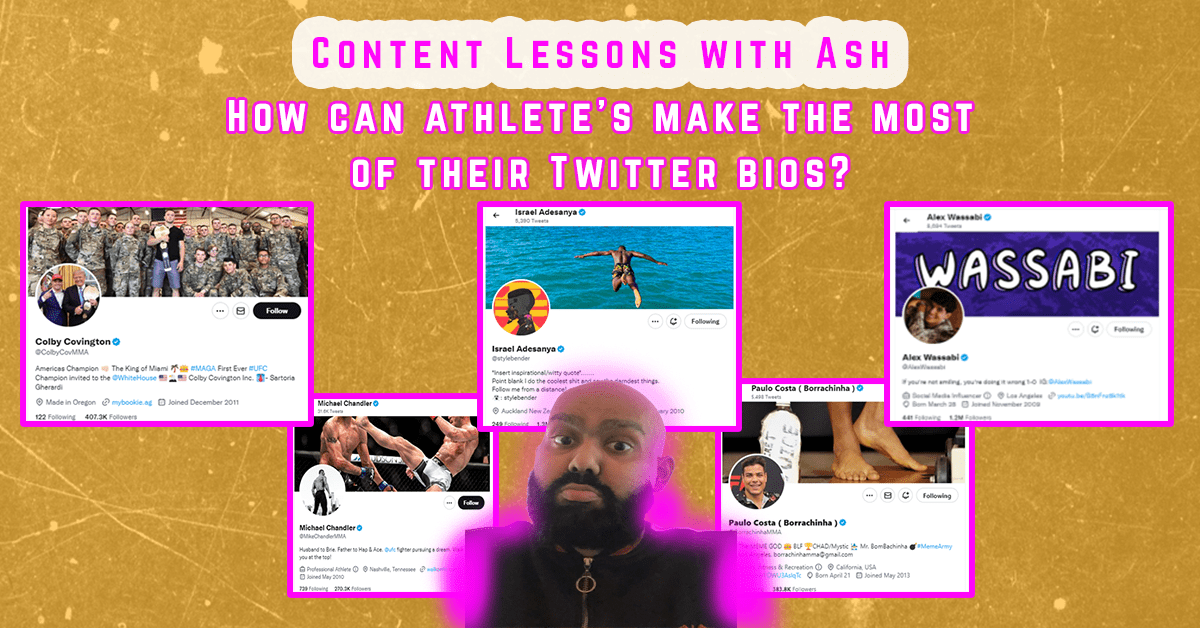
This blog will explore how different combat sports athletes have set up their bios and what we can learn from them regarding what they represent.

Client case study: Paulo Costa

UFC Middleweight athlete, Paulo Costa, is a unique personality in the promotion who regularly shares memes, funny videos and other humorous content. He makes his tone of voice clear from the get-go, as “THE MEME GOD” alongside other nicknames he refers to throughout his Tweets.

As much as Paulo’s tone of voice is coming across as humorous, he has taken the initiative to include his business email for serious enquiries, likely for commercial and management opportunities.  

Essentially, his bio has covered various important elements, and each one has something we can learn from. These include…

The business enquiry contact being included can have a reverse effect, considering how the tone of voice is generally very different to the remainder of Paulo’s bio. On this note, Paulo may find more success in promoting business enquiries if he announced the business email in a more humorous tone. On the other hand, he’s demonstrated how to represent your personal brand correctly through limited characters, as explained earlier.

Client case study: Israel Adesanya

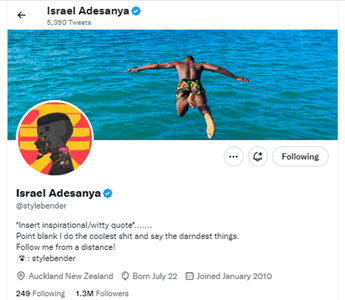
From the first line, it’s evident Adesanya is utilising his Twitter account in a fan-led tone. This allows his fans to tell what type of personality he is. Plus, his profile picture sets a strong impression of where else his passions lie aside from his athletic career, an appetite that modern generation sports fans want to see.  

He’s also promoted his Snapchat in his Twitter bio; this could be a sign of exclusivity with his audience/wanting more traffic built over on that channel. This is evident by the emoji in the bio representing Snapchat. On that note, that showcases by remaining consistent with personal branding; all it can eventually take is something as simple as an emoji to express your entire brand.

The key points we can learn and benefit from Adesanya’s Twitter bio include.

  • Establish the tone you want your fans to tell about you from the start. Adesanya does this by welcoming a fan-led style at the beginning of his bio.
  • Don’t underestimate the influence of emojis when it comes to personal branding.

Client case study: Michael Chandler

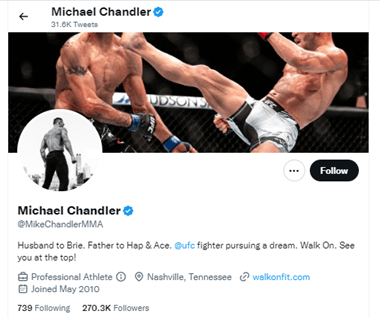
Michael Chandler has been in the UFC since 2021; since then, he’s made many statements with his wins. He’s capitalised some of this through his Twitter bio, one being his common catchphrase which he vocalises heavily after winning a fight, ‘see you at the top.’ Adding to this, he’s included personal life content in his bio, showcasing his key family members, and demonstrating his passion to show how much of an influence his family are on him.

The key points we can learn from Michael Chandler’s Twitter bio include.

  • Vocalise the most important elements of your brand through your bio to create a first-off impression to your audience and potential new audiences.
  • Remember to include catchphrases/personal brand awareness methods such as Chandler including ‘see you at the top’ in his bio for fans to have something to remember you by.

Client case study: Alex Wassabi

Despite this blog being highly focused on how UFC fighters are utilising their bios, I thought I’d include a YouTube Boxer called ‘Alex Wassabi’ in this roster. Throughout this selection, it’s fair to say Alex’s bio comes across as the most simplistically put together at first glance. Depending on what type of audience you’re trying to entice, this can work to an efficient standard. For example, he’s included a simple but powerful statement in his bio, a link to his YouTube channel (his main source of content), and a tag for his Instagram channel.

Considering Alex sits in a different industry but has traces of combat sports in his personal brand, this adds a diverse avenue as to how he can use his Twitter bio to draw a new audience to his profile. Nevertheless, here’s what we can learn from how Alex is optimising his Twitter bio.

  • Don’t undervalue attracting new audiences to your personal brand. For example, his bio says 1-0; this is his boxing record in the YouTube space. Although, new audiences visiting his profile will most likely be unaware of what that means. Therefore, Alex using more characters to add some context that he’s involved in the YouTube Boxing Community would be a smart fan engagement move.
  • Ensure fans get a strong impression of what values mean the most to you; this can be portrayed via Alex’s tactic of including a simple and powerful statement.

Client case study: Colby Covington

Colby Covington has branded himself as one of the most disruptive personalities throughout combat sports. This is predominantly amplified through his support for his political appetite and his controversial comments about others.

He’s pursued some of these values through his Twitter bio, including most of it expressing his passion for capitalism across the US, particularly branding himself as the first-ever UFC Champion to be invited to the White House.

Below are the key lessons from Colby’s approach to setting up his Twitter bio.

  • When building your personal brand, feel free to be as creative as to self-promote yourself. For example, the first thing fans will see when visiting Colby’s Twitter profile includes him branding himself as “Colby Covington Inc”. This big statement will likely garner much attention from new audiences and his current fanbase.

Content lessons with Ash- the influence of YouTube thumbnails

Pundits, presenters, and other media personalities, such as journalists, are taking their content game more seriously across the sports content landscape. Seeing how influential YouTube has become as a platform to optimise promotion for your brand is a no-brainer. There are many reasons behind this, including caption choices, production quality, timing release, etc. However, one that’s often overlooked is the quality of the thumbnail. This includes various elements involving the thumbnail design/choice and branding colours.

The purpose of this blog will focus on the above and help you make your content stand out to your audience based on broad audience habits.

Case study 1: Dan Hardy

Dan Hardy is a former UFC Fighter. Now, he’s become a pundit with his own YouTube channel producing various content, including podcast episodes, fight predictions, storytelling fighters, and capturing behind-the-scenes content from events he gets invited to.

Regarding Dan’s thumbnails, his strategy is basic regarding the font design but ensures for each content stream he publishes, he presents differences. Also, with each thumbnail, he includes himself present despite his audience likely expecting these videos to feature him. Other ways to empower your brand identity in front of your audience or new audiences can involve the thumbnail having a logo present. Occasionally, the colour will be amended to promote another asset best.

To summarise, lessons to learn from Dan’s thumbnail strategy include…

  • Ensure you stay consistent with promoting the asset that’s most integral to representing your personal brand. Dan performed this by featuring his face in each thumbnail.
  • Think outside the box on ways to encourage the potential consumer to click ahead of seeing the video. For example, Dan utilised this thought by keeping a consistent tone with the colour codes per video.

Case study 2: Michael Bisping

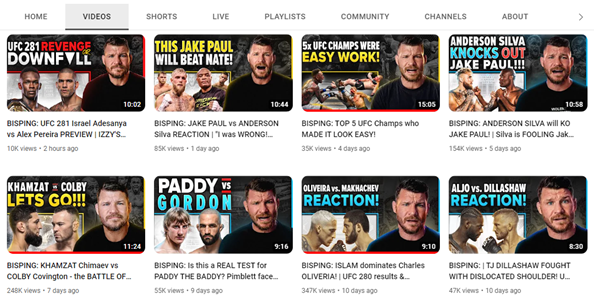
Michael Bisping, a former UFC Champion, who’s now a B.T. Sport UFC presenter, also has a YouTube Channel and here’s what his YouTube thumbnail strategy looks like.

He differs from Dan. The fonts on his video thumbnails are different colours. Often it tends to vary because it is an additional content theme; for example, if it’s a prediction-based video, it will be blue.

Another benefit relating to the above is its impact on audience retention. For example, if each thumbnail looks like a different design, there is more of a chance of new/current audiences scrolling through longer due to the fascination behind the designs.

Therefore, the key point to learn from Bisping’s YouTube channel includes prioritising ways to encourage audience retention (viewership periods) to last for as long as possible. Bisping utilises this tactic through his thumbnail’s different sub-headings and colours in the font.

Case study 3: WADE Concept

The W.A.D.E Concept has grown to 250k+ YouTube subscribers and has become a pivotal voice amongst the YouTube Boxing Community.  

With WADE’s thumbnails, not only does he include cut-outs of himself, but they often express the emotion in which is representing emotions he wants to showcase through the video. The impact this has on the viewer is authenticity. What is meant by this is that even before the viewer has chosen to click or not, they’ve got a glimpse of the creator’s personality through an image. Also, most of his text in the thumbnail has 3 dots, demonstrating a method to try and leave your audience enticed and intrigued to click through. This is better known as ‘clickbait.’

The core lesson to learn from WADE is to ensure you leave your audience intrigued by remaining authentic.


That’s a wrap! As discovered, the minute details in YouTube thumbnails can impact your audience more than you can imagine.

What was the most insightful lesson you took away from this blog that will benefit you?

Transferable content lessons that traditional athletes can learn from YouTube Boxer’s – Edition 5

The growth of Influencer-led sport, particularly YouTube Boxing, has been undeniable within this generation. For example, seeing KSI’s return to the ring after 3-years accumulate into global streaming network, DAZN’s top 5 most watched boxing events in history. Seeing the meteoric rise of high-prize fighter, Jake Paul strongly establish himself as a pivotal figure of discussion in the combat sports landscape. The appetite for influencer-led sport has been so impressionable that it’s captured the attention of many elite athletes, including Tyson Fury, Anthony Joshua, Lebron James and more!

The core value separating YouTube Boxers from traditional athletes is their ability to optimise their personal brands through content creation. For example, the reason much success has accrued from the influencer-led sports trend is due to the connection the next generation predominantly has with consuming content, which typically links to the formula that has elevated YouTube Boxing to where it is now.

You’ll have the opportunity to view content breakdowns across the YouTube Boxing community, which will cover transferable lessons that athletes from other sports can learn from when growing their own personal brands across digital.

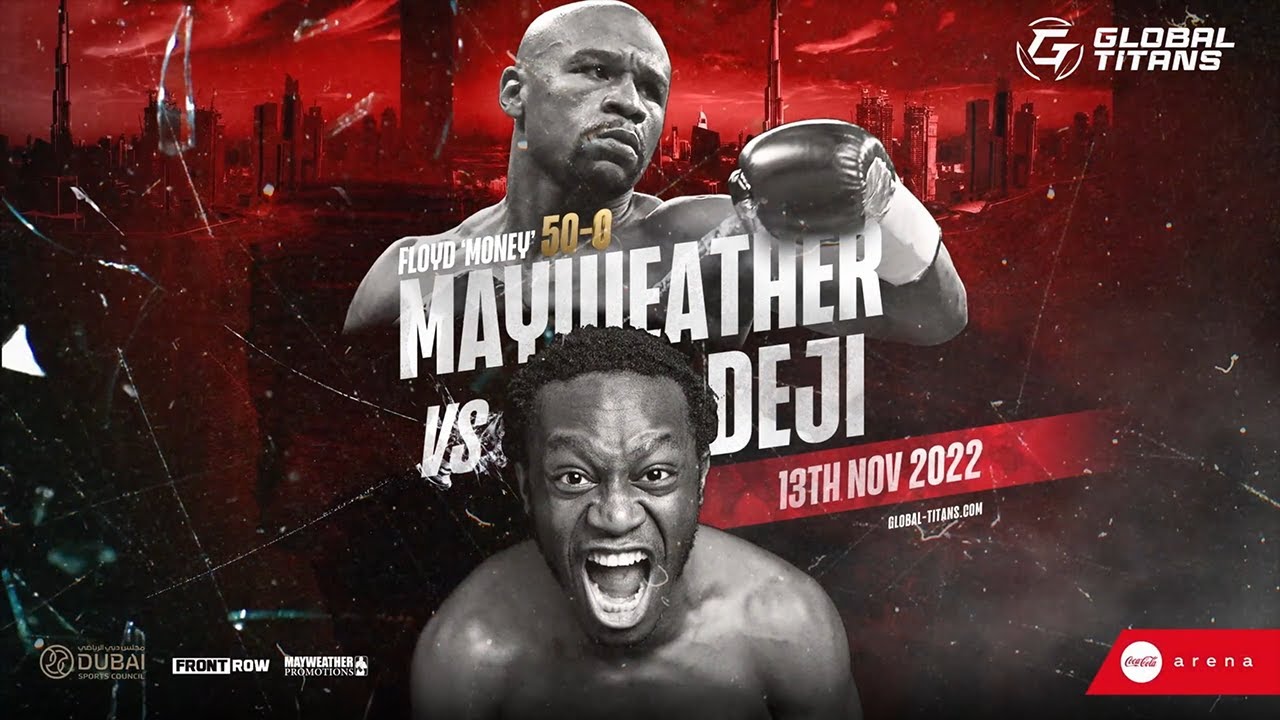
Content breakdown of the Floyd Mayweather vs Deji announcement

Arguably the most unorthodox across the YouTube Boxing community broke out today with regards to none other than Floyd Mayweather, taking on YouTuber Deji in an exhibition boxing match in November at the Coca-Cola Arena in Dubai under a promotion entitled Global Titans. 

After the announcement, Deji went to his YouTube Channel to release a YouTube video detailing a storytelling-type theme regarding his YouTube Boxing legacy thus far and how much this opportunity means to him. There are plenty of transferable lessons that other athletes can take away from this to strengthen their own content game, and here’s what those lessons are 

When creating long-form content, starting with a short-form style is effective in capturing attention

At the start of the video, Deji’s announcement video includes a highlight reel which captures his YouTube Boxing story thus far, which can also be viewed as transferable content to push out on other platforms via short-form formats, which can enhance share-ability alongside raising the appetite for other creators to react to your content to expand reach.

Storytelling doesn’t have to be overly complicated

Storytelling is one of the most effective ways of engaging with your audience and has proven to keep them retained with the following content you’re producing. 

After the highlight reel through Deji’s announcement video, he transfers over to a different format where he’s simply speaking into a camera, narrating his YouTube Boxing story in more detail, providing further context for his audience, and new audiences will be better informed through this expanded discussion as well. 

Transferable content lessons that traditional athletes can learn from YouTube Boxer’s – Edition 4

The growth of Influencer-led sport, particularly YouTube Boxing, has been undeniable within this generation. For example, seeing KSI’s return to the ring after 3-years accumulate into global streaming network, DAZN’s top 5 most watched boxing events in history. Seeing the meteoric rise of high-prize fighter, Jake Paul strongly establish himself as a pivotal figure of discussion in the combat sports landscape. The appetite for influencer-led sport has been so impressionable that it’s captured the attention of many elite athletes, including Tyson Fury, Anthony Joshua, Lebron James and more!

The core value separating YouTube Boxers from traditional athletes is their ability to optimise their personal brands through content creation. For example, the reason much success has accrued from the influencer-led sports trend is due to the connection the next generation predominantly has with consuming content, which typically links to the formula that has elevated YouTube Boxing to where it is now.

You’ll have the opportunity to view content breakdowns across the YouTube Boxing community, which will cover transferable lessons that athletes from other sports can learn from when growing their own personal brands across digital.

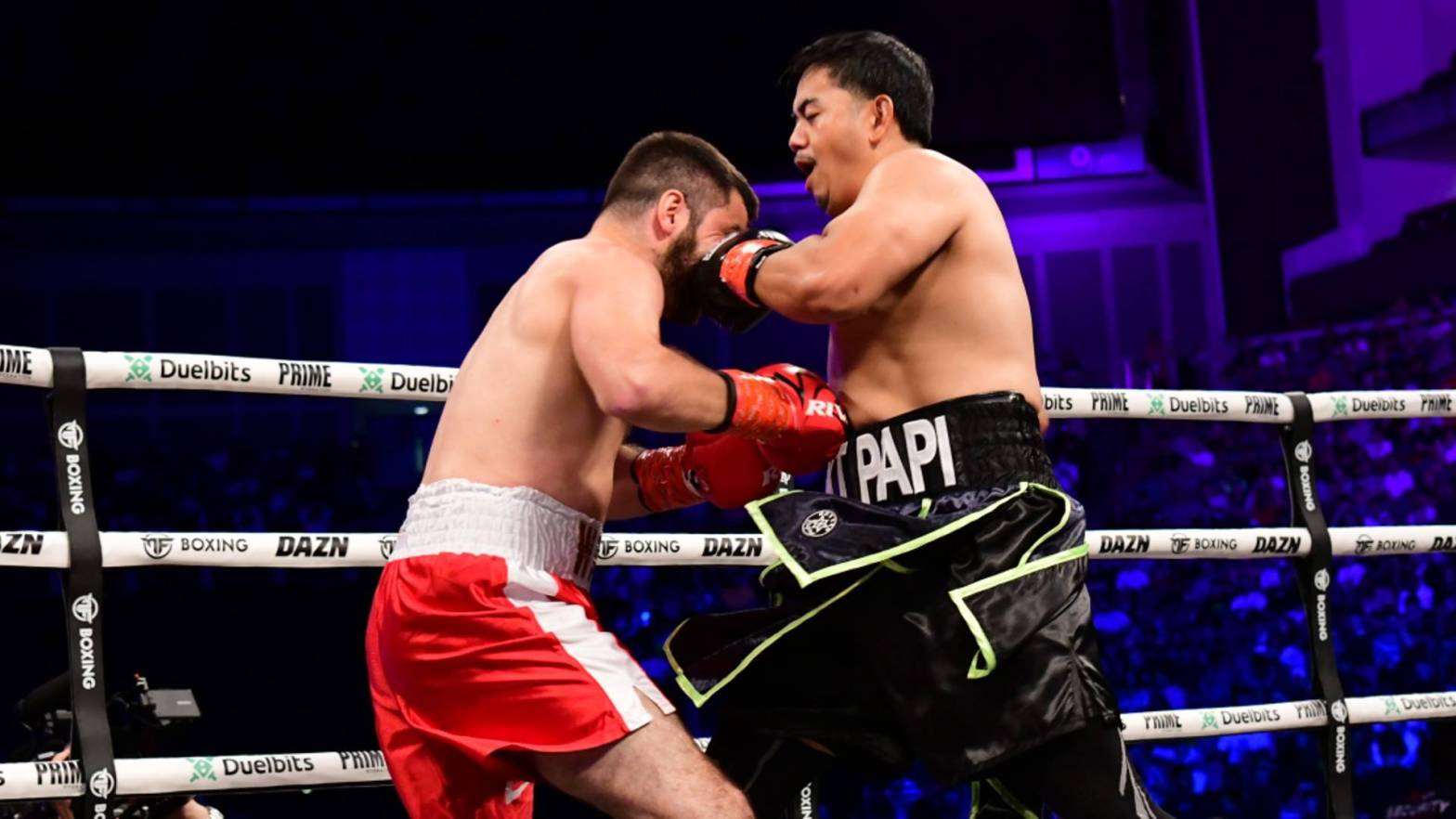
A lesson from Salt Papi with regards to how athlete’s can be creative with training footage


Utilise the brand power of your inspirations when creating your own content

The impact this can have on elevating your personal brand is unlimited; for example, YouTube Boxer Salt Papi did his best impersonations via training drills of well-established boxers. From an athlete-driven marketing perspective, this doesn’t only enhance the chance of expanding brand awareness and engagement if it’s recognised by an athlete, but it can strengthen the relationship you have with your online community, which is evident with the majority of the comments made.


Maximise impact via the thumbnails

The impact of your video thumbnails can be a make-or-break decision as to whether someone chooses to click on your video. For that reason, ensure the representation of it is reflective of the content your audience can expect to receive throughout the video. For example, the video clearly illustrates what it’s about through the video title and includes two images which interlink to Salt Papi sharing his views about two other fights.

Transferable content lessons that traditional athletes can learn from YouTube Boxer’s – Edition 3

The growth of Influencer-led sport, particularly YouTube Boxing, has been undeniable within this generation. For example, seeing KSI’s return to the ring after 3-years accumulate into global streaming network, DAZN’s top 5 most watched boxing events in history. Seeing the meteoric rise of high-prize fighter, Jake Paul strongly establish himself as a pivotal figure of discussion in the combat sports landscape. The appetite for influencer-led sport has been so impressionable that it’s captured the attention of many elite athletes, including Tyson Fury, Anthony Joshua, Lebron James and more!

The core value separating YouTube Boxers from traditional athletes is their ability to optimise their personal brands through content creation. For example, the reason much success has accrued from the influencer-led sports trend is due to the connection the next generation predominantly has with consuming content, which typically links to the formula that has elevated YouTube Boxing to where it is now.

Each Wednesday at 9am, you’ll have the opportunity to view content breakdowns across the YouTube Boxing community, which will cover transferable lessons that athletes from other sports can learn from when growing their own personal brands across digital.


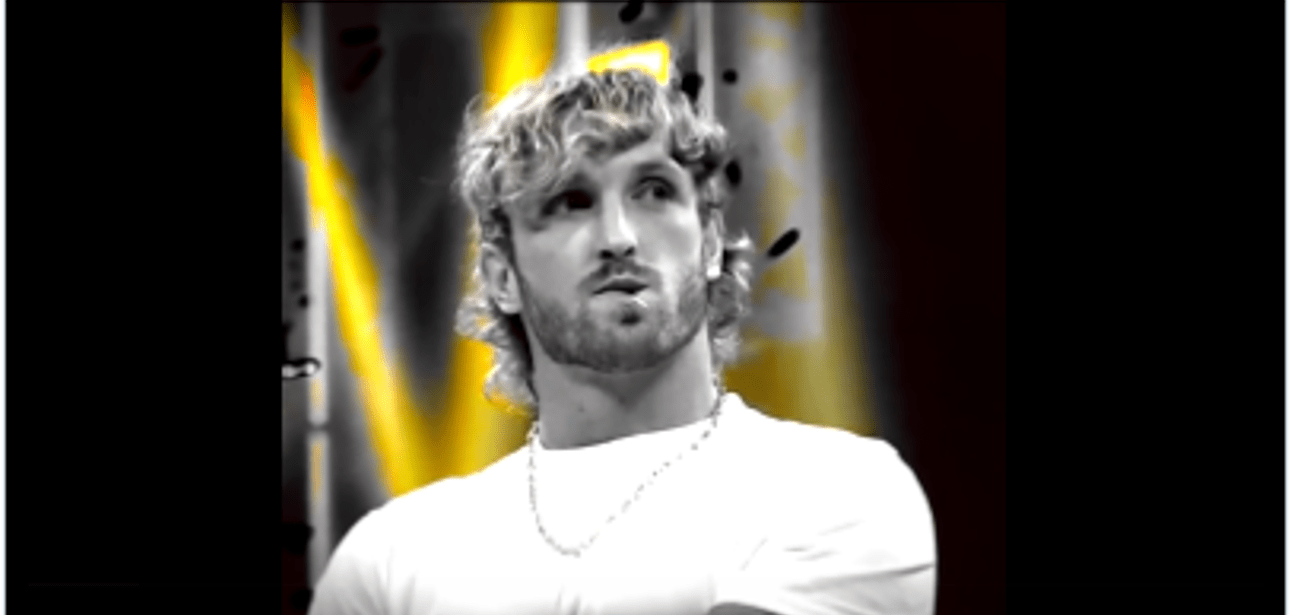
What can we learn from how Logan’s most recent WWE announcement trailer was executed?

Logan Paul will take on US professional wrestler Roman Reigns, which will be the YouTube sensation’s 3rd WWE match.

To further amplify the transferable knowledge surrounding content creation that YouTube boxers/influencer-led sports personalities can provide to traditional athletes, here’s a breakdown of how Logan got this short-form trailer spot-on regarding creating a buzz ahead of the event.


Begin with a powerful statement to capture your audience’s attention

Logan is truly an innovator that’s proven time and time again that even when the odds are stacked against him, he’s able to bounce back.


Ensure the theme of your content represents your legacy

Coincidentally, Jake Paul, the brother of Logan, will be facing MMA legend Anderson Silva a week before Paul Snr takes on Roman Reigns. Despite this trailer’s core focus being on promoting Logan, it’s clear that Jake is a part of his legacy of making history across the combat sports space.


Pay close attention to colour branding codes.

Logan referenced his fight with Floyd Mayweather last year and even what may come across as a minute detail, such as the colour of a caption in a short clip. This can make a difference in representing your brand identity to your current and new audiences.


Own your authenticity

Despite the WWE is on the topic of having a highly entertainment-focused output and not being considered a ‘real sport’, Logan hasn’t let this stop him from showcasing why he’s the right fit for the organisation and event, considering he thoroughly referred to how he’s trained in wrestling throughout his life.


Keep your core personal brand values at the heart of your content

As mentioned earlier, Logan is a highly experienced self-promoter which has helped him accumulate much of his success.


For this reason, he referred to himself being ‘the table’ which essentially represents his personality to be highly orientated around self-promotion and self-belief, two qualities that he’s embodied throughout the multiple industries he’s dipped into.

What can traditional athletes learn from YouTube Boxer’s? – Edition 2

The growth of Influencer-led sport, particularly YouTube Boxing, has been undeniable within this generation. For example, seeing KSI’s return to the ring after 3-years accumulate into global streaming network, DAZN’s top 5 most watched boxing events in history. Seeing the meteoric rise of high-prize fighter, Jake Paul strongly establish himself as a pivotal figure of discussion in the combat sports landscape. The appetite for influencer-led sport has been so impressionable that it’s captured the attention of many elite athletes, including Tyson Fury, Anthony Joshua, Lebron James and more!

The core value separating YouTube Boxers from traditional athletes is their ability to optimise their personal brands through content creation. For example, the reason much success has accrued from the influencer-led sports trend is due to the connection the next generation predominantly has with consuming content, which typically links to the formula that has elevated YouTube Boxing to where it is now.

You’ll have the opportunity to view content breakdowns across the YouTube Boxing community, which will cover transferable lessons that athletes from other sports can learn from when growing their own personal brands across digital.

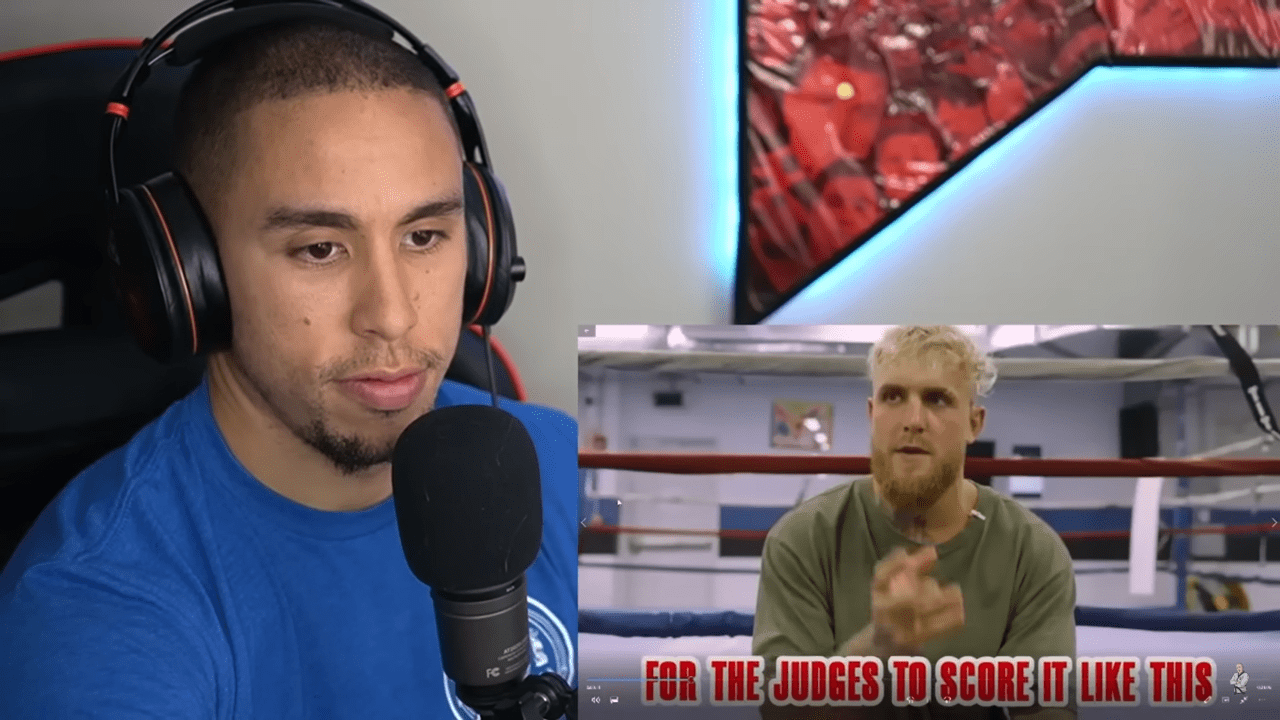
Faze Sensei reacting to Jake Paul’s reaction to his fight

Establish your brand identity

Notice how Faze begins the video by saying “Osu”. This is a part of Faze Sensei establishing his brand identity amongst his audience. Athletes can benefit by finding a way for their audience and new fans to recognise them. Whether via a hashtag, an action or another sound, it establishes your brand identity, which helps build a rapport with your audience that translates into impact through increased reach and engagement via online channels. 

For example, this worked for the UFC creating different hashtags per event for MMA fans to engage with.


Consider different audiences you’re potentially enticing 

Jake gave his interpretation of this fight, and there was a mistake that Jake made regarding his analysis but then Faze corrected it via his response. With YouTube Boxing being a relatively early trend across sports, the core audience isn’t likely so knowledgeable on the technicalities and rules. For this reason, include content produced via your personal brand to consider ways to better educate this demographic on components they’d find valuable.

For example, UFC fighter Francis Ngannou, on his IG channel, released a sub-series called #FitnesswithFrancis. Typically, Francis’ core content on this channel focuses on his lavish lifestyle, yet this video acquired over 1m views, demonstrating the new and current audiences’ appetite for this type of content. 


Be an advocate for your sport

Faze mentioned how he believes live scoring should be a key part of boxing that needs to change to make the sport fairer and similar to other sports such as baseball, football and so forth. This became a hot topic in his comment section, and considering the impressionability of the younger generation; this can be transferred over to other social channels capturing the attention of parties responsible for making these decisions.

For example, German footballer Toni Kroos openly advocated disagreements he has with the FIFA 2022 World Cup in Qatar. Multiple football media touchpoints recognised this. Therefore, having this principle when producing content works well if delivered authentically.