With 1.5m+ social media followers and 38.8k YouTube subscribers, Megan Anderson has effectively built her personal brand since departing the UFC. From making content around fight reactions and Twitch streams alongside pursuing merchandise partnerships, Megan is one to learn from. This blog will discover the power of Megan’s personal brand.
Twitch streamer
Megan has been a Twitch streamer for just over a year now and has partnered on the platform. Most of Anderson’s content includes playing Call of Duty and interacting with her fans through Twitch’s live chat functions.
By Twitch streaming, Megan engages with her audience by showing more of her personality through gaming. Plus, through the live chat feeds and streams, she’s building a community that’s engaged in her.
Demetrious Johnson, Angela Hill, Quinton Jackson, and Max Holloway are other MMA fighters who also stream on Twitch. This gives Megan a chance to collaborate with them to grow her Twitch profile and reach the wider MMA audience.
YouTube content
YouTube content is something the former UFC fighter takes seriously, as well as Twitch. Anderson has grown over 38k subscribers and approximately 2.7k average views from her last five uploads from fight reactions and clips from Twitch streams.
Despite leaving the UFC after her loss to Amanda Nunes earlier this year, she still has a fanbase from the UFC and MMA world following her. By producing fight-tailored content, she’s opening up another avenue for fan engagement and a chance to become a major discussion touchpoint in MMA. Considering she’s a former UFC fighter, this could lead to punditry opportunities with other channels or even broadcasting networks.
Merchandise
Clothing brand, LetYourNerdOut (LYNO) partnered with Megan to create exclusive merchandise for her community and fans. The products are orientated around casual fashion, including hoodies, tracksuits, beany hats, stickers, and crop tank tops.
Anderson’s collaboration with LYNO transfers her audience into a transactional environment from an engagement avenue. Merchandise partnerships also open more fan engagement opportunities, such as influencer marketing campaigns, social media challenges, and even incorporating those passions into YouTube content.
So, how does Megan Anderson’s personal brand enhance her marketability? Her content across Twitch and YouTube is an easy fan engagement initiative to create an online community. Her merchandise partnership with LYNO bridges her audience into a transactional environment and opens more chances to engage and interact.
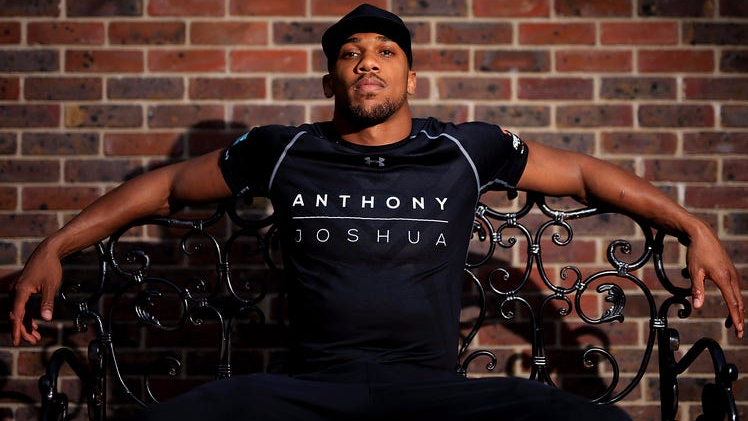
With over 16m social media followers, close to 1m YouTube subscribers, and a 24-1 boxing record, Anthony Joshua is one of sports hottest global stars. His star power has grown from various avenues. He’s an advocate for Black Lives Matter, a role model for the younger generation, and has a passion for rap and urban culture. This blog will discover what exactly makes AJ so marketable through the power of his personal brand.
YouTube channel
AJ has his own YouTube channel where he uploads fight content, vlogs, TV show appearances and other behind-the-scenes content. Athlete’s creating YouTube channels is an excellent way to build a community that engages with your personable side. Particularly fighters, considering AJ usually fights once or twice a year. His YouTube content helps keep his audience engaged with him, and it enhances the relationships his fans build with him throughout his journey.
Connections with entertainment culture
Across AJ’s socials, when he’s not posting topless photos of himself training or living life in the sunshine, you’ll find him chilling with rap artists or rapping song lyrics. He’s featured at events, activations, and bits of content with artists like Headie One, Aitch, Meek Mill and more.
AJ has grown not only to become a reputable name in boxing but entertainment culture. It’s led him to sign a deal with JD Sports, appearing on UK rap radio shows like BBC Radio 1xtra doing freestyles and even being interviewed by one of America’s largest rap and hip-hip radio shows, the Breakfast Club.
Anthony always had a passion for music when growing up. He’s openly spoken about his influence coming from his hometown, Watford. When engaging with his audience on Instagram live or even through YouTube clips, he incorporates music-orientated content as a cultural overlap between sport and music.
The heavyweight champ also openly expresses a passion for fashion. I’m not saying you’ll regularly see him at Paris fashion week or fully clothed out in designer wear. Still, he’s brought a new style to diversify streetwear through an exclusive brand partnership with Hugo Boss. With one of his clothing ranges with the brand, he collaborated with rap group Kurupt FM and global artist Ellie Goulding in a launch campaign. This initiative enhances AJ’s merchandise appeal to a wider audience of mainstream fans through Ellie’s brand power but the UK urban community through Kurupt FM.
258 Protégé
AJ and his athlete management agency, 258 management, have recently launched a new cycling agency called 258 Protégé. The agency will support its athletes from sponsorship, contract negotiations, talent representation, and corporate events.
Several riders have already been added to 258’s roster, including Finn Fisher Black of UAE Team Emirates, Sarah Gigante of Team Movistar, Niamh Fisher Black of SD Worx, Leo Hayter of Team DSM Devo, and Nicholas Dlamini of Team Qhubeka NextHash. Oscar Nilsson Julien, who is part of the British Cycling Academy, has also joined.
Through AJ’s brand power, he could attract new audiences to the sport from boxing. Alternatively, audiences from cycling could become AJ fans through this initiative. It’s a chance for AJ to even begin with creating cycling orientated content, such as collaborations with other cyclers, insights into major tournaments and educating non-cycling audiences on the fundamentals of the sport.
So, how does AJ’s personal brand enhance his marketability? Firstly, his YouTube content keeps his audience engaged in non-fight content while he’s inactive from the ring. Secondly, he’s built relationships across the urban, rap and fashion community through his interpersonal passions. Thirdly, his innovative cycling agency is a chance to make new connections and audiences throughout the sporting landscape. Collectively, each initiative will boost his net worth, commercial appeal and being viewed as a global cultural icon.
With over 40 million social media followers and YouTube subscribers, and a 3-0 pro boxing record, Jake Paul has made noise like no other athlete in this generation. Some say Jake’s a marketing genius, from his relentless trolling to the combat sports community and becoming the 3rd most-paid ‘athlete’ in 2020. This blog will discover the strategy behind the Ohio born.
From stealing Floyd Mayweather’s hat, having constant digs at Conor McGregor and Dana White, Jake is one of the most polarising personalities representing combat sports. His actions may seem like desperate gimmicks but, they’ve been crucial to amplifying his tone of voice and garnering the attention he desires. Here’s how.
Conor McGregor call-outs
After defeating retired NBA star Nate Robinson, Jake made a YouTube video calling out McGregor with a lucrative $50m offer for a boxing match that acquired 4.6m+ views. Soon after, Jake and his crew disrupted Conor’s close friend, Dillon Danis. Dillon was filming with US podcaster Brendan Schaub on Brendan’s food truck diaries YouTube series, and Jake’s clique threw water balloons and toilet paper at Dillon.
Not only did both these actions get significant online leverage, but Jake also became the number one Google search result for ‘UFC’, ‘Dillon Danis’ and ‘Conor McGregor’ throughout that week. Jake’s strategy wasn’t to capture Conor’s attention but the eyes of the MMA community, which was a success.
MMA Chronicles
Following the eyeballs on Jake from the MMA audience, he began receiving call-outs from multiple MMA fighters. Some include Michael Bisping, Dillon Danis, Nate Diaz and Ben Askren. He created a parody series called MMA chronicles to maximise impact, where he made cheesy impressions of MMA stars.
At this point, he realised a fight with Conor McGregor might be too farfetched. Therefore, to gain McGregor’s awareness, he entertained a fight with an MMA star from those calling him out. Then eventually, he landed a boxing match with Ben Askren, which ended in a first-round TKO.
Gotcha hat
As if Logan Paul fighting Floyd Mayweather wasn’t polarising enough for boxing, Jake decided to take things one step further. He stole Floyd Mayweathers hat, which became a viral meme that’s better known as” gotcha hat”. It got heated between Floyd and Jake, which ended up in a press conference brawl. The footage garnered over 5.7m YouTube views, double what the Mayweather vs Paul Sky Sports Boxing highlights received on YouTube.
Arguably, gotcha hat was the biggest piece of promotion towards this event. The press conference received over 2 million views, and the media continuously asked questions about it throughout the fight’s build-up.
The next day, Jake proactively launched his ‘gotcha hat’ merchandise range in tribute to his prank and even got a tattoo on his knee. He’s turned what a viral moment into a monetisation opportunity to optimise the occasion.
The Ohio born purchased a Conor McGregor pendant, which he calls ‘sleepy McGregor’. It’s designed with diamonds, reportedly valued at $100,000 and is structured the same way Conor got knocked out by Dustin Poirier in their 2nd fight in January. The Instagram video picked up close to 1m plays and caught the attention of many MMA world stars, including Michael Bisping.
This became another marketing opportunity where Jake Paul took Poirier’s side during his feud with McGregor. Jake offered to donate his chain to Dustin to auction the chain and raise funds to Dustin’s charity, the Good Fight Foundation.
At this point, Jakes polarising antics started to gain kudos from some of the combat sports community. Michael Bisping gave credit to Jake because of the donation and appreciating his self-promotional stunts.
Jake started as the villain in the scene, but now, he’s built a micro-audience who appreciate him being an entertaining character.
Advocation for fighter pay
Dana White has been another target of Jake Paul’s confrontations. In June, reports suggested that only 16% of UFC profits go to fighters. There could be truth to fighters being underpaid as Jorge Masvidal, Francis Ngannou, and Jon Jones have expressed to receive pay rises that align closer to their worth.
Jake has made plenty of enemies by entertaining MMA fighters to fight him in the ring. When Paul fought Askren, their fight reportedly did 1.5m PPV sales and over $75m in gate revenue. After Jake beat Ben, Jake criticised Dana White, saying, “maybe it’s time to pay your fighters their fair share? No wonder they all want to get into boxing.”
This initiative shows that there could be more to Jake’s combat sports legacy than just dividing the MMA community with his trolling. It could be the beginning of a social movement to enhance fairer pay and revolutionise the business model of MMA.
Recently, Jake outlined the remaining opponents he wants to face in his boxing career. Some ambitious names included pound-for-pound no.1, Canelo Alvarez and 25-0, Gervonta Davis. In less than 24 hours, it provoked a reaction out of Davis, which led to Jake creating a range of memes to taunt the fighter.
Over the weekend, these have been some of Jake’s most engaged tweets. Regardless if he goes ahead with fighting these aspiring opponents or not, it will likely gain a reaction out of their fanbases and create a discussion from pivotal names in the combat sports world.
Once again, simple execution of Jake Paul’s self-promotional strategy.
This move was one that most wouldn’t have seen coming. The 3-0 boxer has created a non-profit anti-bullying charity, Boxing Bullies, to instil confidence, courage and leadership in the youth through boxing.
The project intends to train 100 kids in boxing and is a chance to impact boxing from the grassroots level. There’s been plenty of controversy around the influencer boxing trend becoming a ‘money grab’ for those involved, and it deprives opportunity of the grassroots. But this initiative counters that argument as Jake has set up with his huge audiences influencer to support disadvantaged youth through boxing.
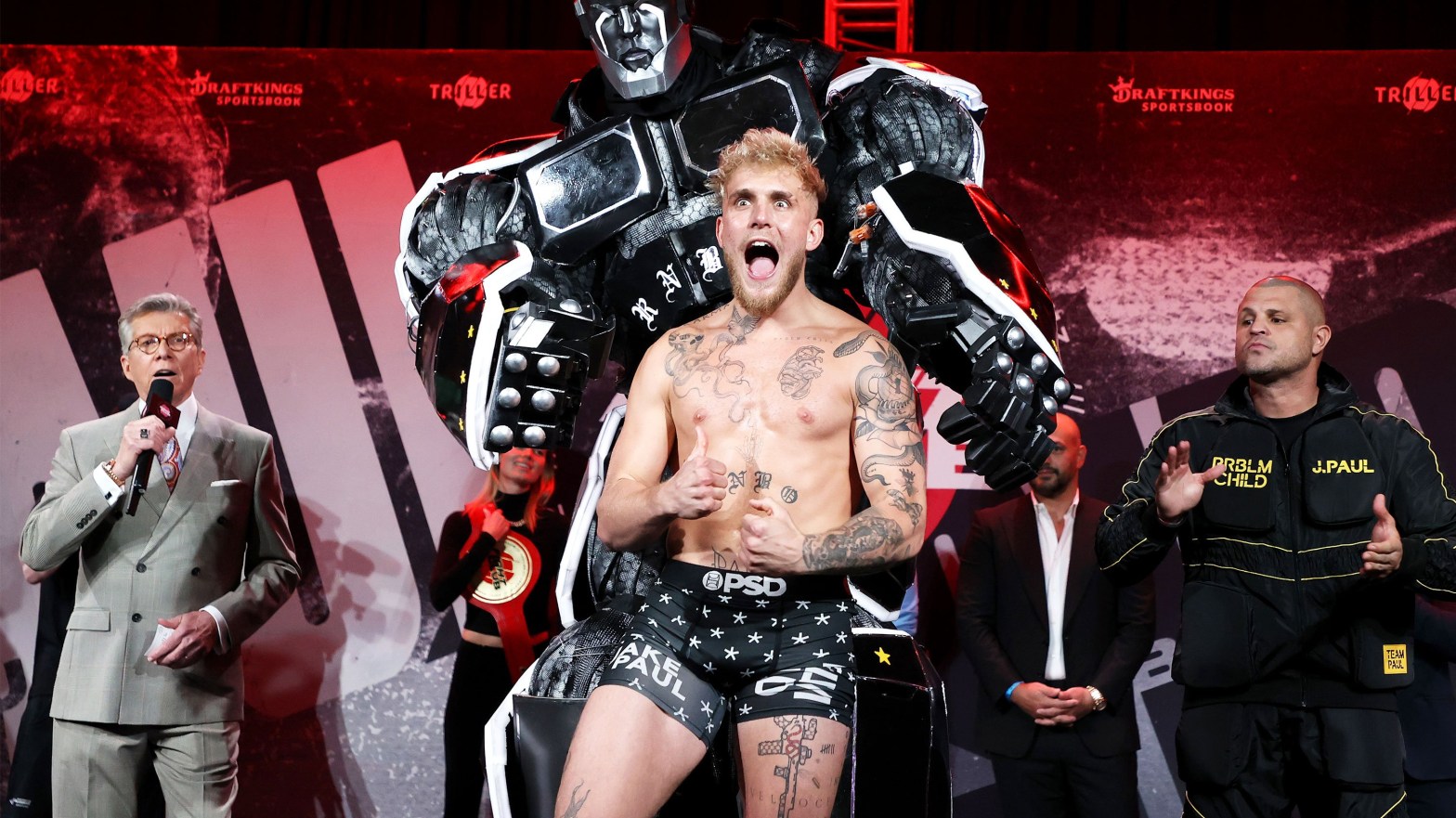
Jake also has his own boxing mascot called ‘the problem bot. Its introduction was made in the Triller Fight Club chaos against Ben Askren; since then, Problem Bot has acquired over 58,000 Instagram followers, and over 1 million video plays.
Jake has created a new wave of entertainment during the influencer boxing trend, potentially inspiring how upcoming fighters can market themselves differently and effectively to gain leverage.
It’s evident Jake’s personal brand is fueled by polarisation, controversy and provoking a reaction. His cheesy gimmicks have been pivotal towards his self-promotion in the combat sports world to gain attention. Still, once he achieved this, he’s been efficient to build allies by advocating for fairer fighter pay and supporting boxing from the grassroots level.
Israel Adesanya is a 21-1 UFC fighter with 6.3m+ social media followers and 300,000+ YouTube subscribers. Izzy has a unique way of embedding his personality into his fighter career, which has amplified his brand beyond the hardcore MMA community. His passion for anime, Nigerian & New Zealand heritage and cultural lifestyle are key learning curves that brands and athletes can learn to grow their audiences. This blog will discover what Adesanya is doing to grow his personal brand and its impact on his marketability.
YouTube channel- FREESTYLEBENDER
Izzy has created his own YouTube channel, FREESTYLEBENDER, where he uploads pre-fight vlogs, reactions to UFC events, fan Q&A’s and more. This year, Israel has fought twice under the UFC, meaning that his fanbase has only had two occasions to look forward to him being in action.
On YouTube, he tends to upload videos at least once a week. This gives his fans content to enjoy while inactive from competing in the Octagon. Plus, his fans have the chance to explore the other side of Izzy when he’s not fighting.
As an athlete, your fans aren’t only interested in you when competing; they have an appetite to explore your journey, which includes content away from your sport. Simple content like this allows Izzy to build authentic connections with his fans.
Deal with Puma
In 2020, the last Stylebender became the first MMA fighter to pick up a sponsorship deal with a major sportswear brand, Puma. Puma have an illustrious roster of athletes, including Sergio Aguero, Lexi Thompson and Kyle Kuzma. The partnership see’s Adesanya promote exclusive merchandise with Puma, get involved in collaborative campaigns alongside other activations.
Puma is strong on innovation, pushing boundaries and staying authentic. These three values also resonate strongly with Adesanya, which motivated him to work with Puma. This deal has enhanced Izzy’s profiles with the casual sports community, boosting his net worth and commercial appeal through value-driven marketing.
It could also open more opportunities for MMA fighters to collaborate with major brands depending on their interpersonal values, considering the chance Puma have given Adesanya.
Generally, UFC fighters come across as more ‘unfiltered’ than athletes in other sports. Israel Adesanya is a prime example. Energy drink brand, Monster, is where Izzy has demonstrated this. There are various clips where Izzy has removed the product off his table during press conferences due to the controversy behind the brand allegedly trying to get fighters to behave differently during fight promotions.
When Adesanya fought Kevin Gastelum, footage emerged before a round start of Izzy saying to himself, “I’m prepared to die”. The clips acquired tens of thousand’s of views online, which showcases the passion Israel has for combat sports.
Ahead of UFC248, Adesanya posted a video of him listening to Tupac, which made him cry due to the raw emotion heading into facing Cuban fighter Yoel Romero. These may seem like small gestures from Israel. However, it humanises Adesanya’s personality, making his fans more enticed to him and his journey.
Israel is one of the most innovative fighters across combat sports and a growing name across the mainstream sports space. His initiative to create content away from fight camp, collaboration with Puma and unfiltered authenticity are integral to growing his personal brand.
What stands out the most to you about Israel Adesanya’s marketability?
Ryan Garcia is a 21-0 lightweight boxer who has over 8.8m social media followers and 1m+ subscribers on YouTube. Ryan has an illustrious skill-set in the ring, but he’s also been proactive in transcending that through content creation. From hosting a podcast and vlogging behind the scenes content about his life, Ryan has effectively built his personal brand. This blog will discover the impact this has on his marketability.
YouTube Content
The American athlete has a YouTube channel where he releases content including personal vlogs, training footage, pre-fight docuseries and collaborations with American influencers. He’s got a broad blend of content that will attract various audiences across sport, entertainment and culture. What Ryan’s done well is he’s found ways to merge boxing related-content with entertainment. This includes inviting TikTok sensations Dixie D’Amelio and Addison Rae for a sparring session, doing a body shot challenge with social media personalities like Demi Bagby and Lele Pons.
Ryan has close connections with the influencer community. This has been pivotal towards his growth on social media as it opens an avenue for engagement with the next-generation, arguably the most influential demographic in the sports industry. This will support Ryan’s commercial appeal and media value considering the influential audience who will follow his story.
Podcast: Fierce Talks
The 22-year-old also has a podcast called Fierce Talks with Ryan Garcia, hosted on YouTube. The show sees the boxer speak to professional fighters, well-recognised athletes and social media personalities. His channel has over 45,000 subscribers, and his most viewed podcast features MMA veteran Ben Askren. The content focused on the build-up for Ben’s fight with 3-0 YouTuber recently turned boxer, Jake Paul which acquired 1.9m views.
As mentioned, Ryan has grown to become a popular personality in the influencer/creator community alongside the boxing world. He’s a pivotal puzzle piece to merging the two audiences together. Fierce Talks is great to amplify Garcia’s brand power where his audience can come and listen to different topics depending on their area of interest.
Starting a podcast is a proactive move for Ryan to show he’s thinking ahead of options after his athletic career. He’s likely built many fundamental communication skills through his podcast, opening opportunities for punditry, presenting and other promotional sports activities.
Mental health advocate
This year, Ryan pulled out of a scheduled fight against Dominican Republic boxer Javier Fortuna due to anticipated mental health struggles. Mental health is a challenging enough topic to deal with. However, Ryan also has the predicted pressures of keeping his audience updated about his progress.
His bravery is commendable, considering he’s used his YouTube channel to create content around the topic, including vlogs discussing his anxiety. In his last 3 YouTube uploads, this is his most viewed video accumulating 290,000+ views.
This could be the beginning of Ryan standing for a social movement supporting people with mental health struggles. Many other athletes are advocates for it, including former rival Luke Campbell.
Ryan Garcia is sustaining a connection with the next generation through his links with the influencer community. His credibility within the boxing world is amplified through speaking to some of the biggest stars on his podcast. Plus, his representation to stand up for mental health could be the beginning of launching a social movement.
This week, I’ve had a chat with Diego Colin, the Social Media Coordinator at the Professional Fighters League (PFL). This blog saw Diego and I discuss how his sports career begins, the challenges he faced along the way and key advice for the next generation of sports enthusiasts.
Question 1: Diego, it’s a pleasure to have you on Ash’s Sports Talk. How did your sports career begin?
It started when I was still in college at 23 years old in 2016, and I was about to graduate with a business degree. I was sending out emails to any company I was particularly interested in combat sports. I would visit the careers section on their website and look at the jobs advertised. I sent around 200 cold emails, but one organisation that responded was Glory Kickboxing, the world’s premier kickboxing organisation. I couldn’t see a careers page on their website, but I spotted an email and sent them my resume. A week later, I got a phone call from Glory’s US team Director of Operations and was offered a voluntary position for a few weeks at one of their shows. I drove for 8 hours from Georgia to Virginia and did some work on Glory 32 & GLORY 33 in their operations team. I soon realised I didn’t fit into the operational side, which was upsetting. However, I then got a call from the Director of Glory’s marketing department to work within their social media team on the next event.
Question 2: Let’s hear more about your role at the Professional Fighters League (PFL). What do you do, and how does it contribute to the bigger picture?
My official title is ‘Social Media Coordinator. I manage all of their public-facing accounts, including Facebook, Twitter, YouTube, Instagram, and their website. I craft copy and source content with support from the PFL’s video editors and graphic designers.
My role fits into the bigger picture by focusing on the connection from the company to the fan. I focus on how we relay information, look at what the goal is while creating excitement.
At the PFL, thesocial media team is split across three people. This includes the Social Media Coordinator (me), the social media director and a fighter marketing manager. We have a good structure at the PFL where every person contributes something to the table.
Question 3: When it comes to digital, what do you feel the PFL does differently from other combat sports promotions?
The biggest thing for us is the sports season format which is unique to the organisation. We’ll focus on using unique terminology and how we promote fighters. Some of our fighters would compete twice in 45 days, and their next fight would be four weeks away. We’ve got a very condensed timeline we work towards, making the fighter’s journey a unique one.
Question 4: As a digital marketer, what have been the key lessons you’ve learnt that have contributed to your career successes?
It’s very difficult to break into the industry. By the time I left Glory, I probably had sent my resume to over 200 companies and only had a few interviews out of those companies. Resilience has been key to stay up to date with trends and what’s going on in the industry.
I’ve kept up with trends simply from following accounts that I’m interested in; plus, I’ll consume other content areas and think about how I could apply it in a sporting setting if it’s engaging. For example, I’ll look at offroading trucks or car videos and consider what makes that video exciting and apply that to my work.
Question 5: What have been some of the challenges you’ve experienced while building your sports career?
Interestingly, it’s been pretty seamless getting to work in MMA as I’ve been hyper-focused about it since a young age. For example, I did an assignment to get into college about why Ronda Rousey was my favourite fighter.
However, to work in combat sports, there are only four ideal landing spots: the UFC, the PFL, Bellator and ONE Championship. You also have ESPN MMA to which was a bonus to help me get into combat sports because my mentor runs the ESPN MMA social accounts!
Question 6: What type of direction do you see the future of social media in combat sports moving into?
We ran a show in China at Glory and hired an agency to run and populate social content for our accounts. The Chinese market is growing. However, it’s a difficult one which we’ve got to stay on top of.
Question 7: what advice can you pass on for someone wanting to pursue a career in sport?
“Timing will play a big deal”
Timing will play a big deal, depending on whether you’re a professional or a student. Make sure and find a sport you’re interested in and find the right time to apply. An organisation may not be looking, however, stay consistent and persevere as it could take months.
Plus, when I was in high school in 2011, working in social media wasn’t even an idea. It’s crazy to think I’m working in a role that didn’t exist back in high school. Therefore, always remember the job you receive in the future may not exist yet!
Fantastic. This was a great interview with Diego. His perseverance, resilience and passion truly shone through, which is what got him to the PFL. What was your key insight from this weeks interview?
Meet Viddal Riley, a 4-0 cruiserweight boxer who also happens to be a content creator. With 1.18m subscribers and 968,000 social media followers, he’s adopted an unorthodox approach to building his personal brand. From owning a podcast, a clothing line, music albums and multiple YouTube channels, this blog will discover how these initiatives impact Viddal’s marketability.
YouTube content
Viddal is the co-owner of the RIL & WILLS podcast alongside strength and conditioning coach Leon Wills. The podcast sees the dynamic due talk to athletes, coaches and creators about sport, entertainment and culture. The podcast illustrates that Riley is a man with many interests that stretches beyond the ring.
Some of the most prominent combat sports athletes with large followings, such as Ryan Garcia (10m+ followers), Sean O’Malley (2m+ followers) and Israel Adesanya (5m+ followers), use assets away from their sports to attract leverage to their personal brand.
The British boxer adopts a similar strategy to these sporting stars to eventually branch himself into the same realm.
RIL Athletics
The Hackney-born fighter is also the founder of the athlete apparel brand, RIL Athletics. The clothing line is branded as quality sportswear, which bridges the gap between athletic wear and fashion. This is a smart move by Viddal to maximise his profile by monetising an asset from his audience.
It’s also a chance for Viddal to produce diverse content streams. This includes influencer marketing campaigns with upcoming athletes, interactive challenges, or it could become the beginning of a wider social movement. US creator, Logan Paul, did exactly this with his Maverick clothing line.
RIL Athletics isn’t just a chance for Viddal to gain income through selling his clothing; it’s a chance to elevate his personal brand to another scale by the power of social impact.
Music career
Ril has stepped into the rap music world with a suite of albums, freestyles and singles. His most recent album was released late last year, entitled LS3. He’s also appeared on urban music channels performing freestyles, including GRM Daily and Pressplay Media.
Viddal has grown up in Hackney, home to some of the UK’s most established rappers, including Professor Green, Idris Elba, Not3s, Maverick Sabre and more. Growing up in that environment, it’s natural that Viddal would have picked up some rap lingo, which would gradually push him closer to music.
Viddal releasing music is another chance to open a monetisation stream, but it’s also a chance to influence his personal brand to be driven by cultural sensitivity.
Sports brands, particularly boxing, are becoming more and more culturally sensitive by using music artists to connect with younger audiences. For example, Krept & Konan produced a Euro2020 anthem to promote England; Aitch narrated a creative piece ahead of the final and Harlesden rapper. Nines even walked out British legend Anthony Joshua ahead of his boxing match against Alexander Povetkin.
Viddal’s initiative to use music, YouTube and clothing to build his personal brand helps amplify his brand towards the casual audiences surrounding boxing. Once they’re connected with those elements of Viddal’s personality, they’ll gradually become enticed into his boxing legacy.
Throughout the past month, I’ve hosted a wide range of guests working across fan engagement, social media, content and international marketing. I thought I’d create a monthly blog series where I summarise each interview with some key insight that YOU can takeaway to excel in your sports career. So, here we go!
The key focus in Kevin’s interview was around how football clubs can optimise relationships with their audience. Kevin’s experience as a fan engagement consultant shows that football fans often feel isolated in understanding from their clubs.
Kevin’s solution to strengthening the relationship for clubs includes consulting and engaging with their fans regularly. Plus, fan engagement should be treated like stakeholder management. Essentially, fans are a stakeholder of the club as they’re the ones buying merchandise, tickets and club related products to keep them operating.
We are seeing fan engagement improve with platforms like socios.com on the rise. This platform provides fans with the chance to make decisions on behalf of their club. Hopefully, we’ll see this on a wider scale in years to come.
The primary focuses of Ben’s interview were around upcoming trends to look out for in the sports industry alongside how branded content is undervalued. Throughout Ben’s work, he’s recognised only 4% of sports clubs utilise branded content. How shocking is this?
For a fan, there’s no real difference between branded or non-branded content. Although, the real leverage lies with a clubs’ commercial partner. The secret lies in channelling your organisation’s values through your content production.
For industry trends, Ben believes bargaining power will shift towards athletes rather than governing bodies and event organisers. COVID is a game-changer for this; considering how everything turned digital throughout 2020, sports audiences and staff have realised what matters most. That is authentic connections with our favourite personalities.
Rohan and I had a comprehensive chat about how the Indian market has been pivotal towards Watford FC’s international growth. Rohan has spotted an opportunity that not many other clubs have; now, Watford is due to launch on localised social media platforms, exploring national partnerships alongside sustainable connections.
Big factors contributing to Watford’s growth have been influencer marketing; they’ve made the influencer audiences their own. They’ve gained robust research around relationships between what mobile apps are more tailored and suited for different age brackets. This has inspired them to launch on new platforms but providing exclusive content to entice local young audiences.
Rina’s priorities at ONE involve ensuring their content is shared across as many touchpoints as possible. A key method to support this is memes. Memes are the most shared and interacted pieces of content across the web, and ONE has found a way to use them proactively.
Some ONE memes include funny fight moments and fight content dubbed in viral TikTok sounds. Simple initiatives like this could prove a game-changer when expanding brand awareness.
There we have it. Those are some powerful but concise insights many of you can go away and apply to excel in your sports career. What’s been your key insight this month?
Jorge ‘Gamebred’ Masvidal is a 35-15-0 UFC fighter with over 6.2 million social media followers and 817,000 YouTube subscribers. Masvidal most recently lost to the Welterweight champion, 19-1, Kamaru Usman, in April. Despite the loss, it hasn’t stopped Jorge from building his personal brand. Since he KO’d MMA veteran Ben Askren in 5 seconds, Masvidal became the first-person MMA fans thought of when someone said ‘super necessary’. This week’s blog will explore the initiatives that Masvidal has to build his brand and how this impacts his marketability.
Gamebredfights.com
Since I’ve been shadow banned and censured I decided to start my own platform and bring not only never before seen content but I will also be traveling the world looking for the next Kimbo rip or street fighter only at https://t.co/cJtfWzEwsT#andnewpic.twitter.com/JzEmCNlvH2
Jorge is known for being unapologetic and wearing his heart on his sleeve, which stems from growing up as a street fighter. He often portrays this on social media, which has led him to get shadow banned and de-monetised for explicit content relating to gory footage from street fights, sparring, and other content.
Masvidal took the initiative to build his own platform, Gamebredfights.com, a dedicated behind the scenes website with exclusive footage available for purchase through subscriptions. Plus, he’ll use the profile to promote upcoming street fighters by travelling the world and amplifying their skills through the Masvidal brand.
This is a proactive move by Masvidal as it doesn’t only synergise with his explicit personality, but it’s opening a monetisation stream alongside his other revenue channels through brand endorsements, PPV sales and more. It allows his fans to feel close and personal to Jorge, particularly with the younger generation, which will continually unlock connections to sustain Gamebred’s audience growth.
The Cuban fighter has become so ambitious to take his passion for street fighting to a new level by setting up his own bare-knuckle MMA promotion, Gamebred Fighting Championship (GFC). The promotion made its debut in mid-June with Jason Knight vs Charles Bennett. Hip-hop artist, Anuel AA, has invested in the company and will outfit the GFC fighters.
There are rumours that Jorge could compete in the division itself when his UFC contract expires. Masvidal is signed by American Top Team; his fellow teammate and former UFC fighter Paige VanZant are now competing in rival promotion, Bare Knuckle Fighting Championship.
This venture provides Masvidal a monetisation stream that will be larger than his exclusive website, Gamebredfights.com. GFC also allows Jorge’s fans to explore other MMA disciplines away from the UFC to get an authentic taste of where Masvidal’s passion truly lies. Considering GFC being a bare-knuckle promotion, it’s likely to be shadow banned by most mainstream sports right holders. Therefore, this is a chance to optimise Gamebredfights.com to release exclusive footage of the competition.
The BMF
NEW YORK, NEW YORK – NOVEMBER 02: (R-L) Jorge Masvidal and Dwayne ‘The Rock’ Johnson pose for a portrait backstage during the UFC 244 event at Madison Square Garden on November 02, 2019 in New York City. (Photo by Mike Roach/Zuffa LLC via Getty Images)
Late 2019 saw Jorge become the UFC’s first BMF (Baddest Mother F****r) champion after brutally defeating Stockton’s Nate Diaz, resulting in a Round 3 stoppage. The BMF belt was created to maximise impact upon Nate Diaz’s return to the Octagon against a worthy opponent in Masvidal, who in the same year got the fastest knockout in UFC history against Ben Askren. Plus, none other than Dwayne ‘the Rock’ Johnson was at the event to present the belt.
Jorge has ensured the BMF title holds unique leverage against the other World Title belts by using it as a marketing ploy to build stronger connections with his fans. Jorge has another website called https://www.jorgemasvidal.com.au/, where he promotes ‘the BMF’ experience where fans can meet him at events, train with him or event dine with the BMF champion. He’s even documented the experience through his YouTube channel in a short-docuseries called ‘The full-time fighter’.
This is another easy win for the Cuban-American fighter to add another monetisation stream and get close and personal to his fans to sustain long-term connections.
Jorge is a unique fighter in the UFC division who may not have the most prestigious record. Still, outside of the Octagon, he’s capitalising on every opportunity possible to amplify his brand.
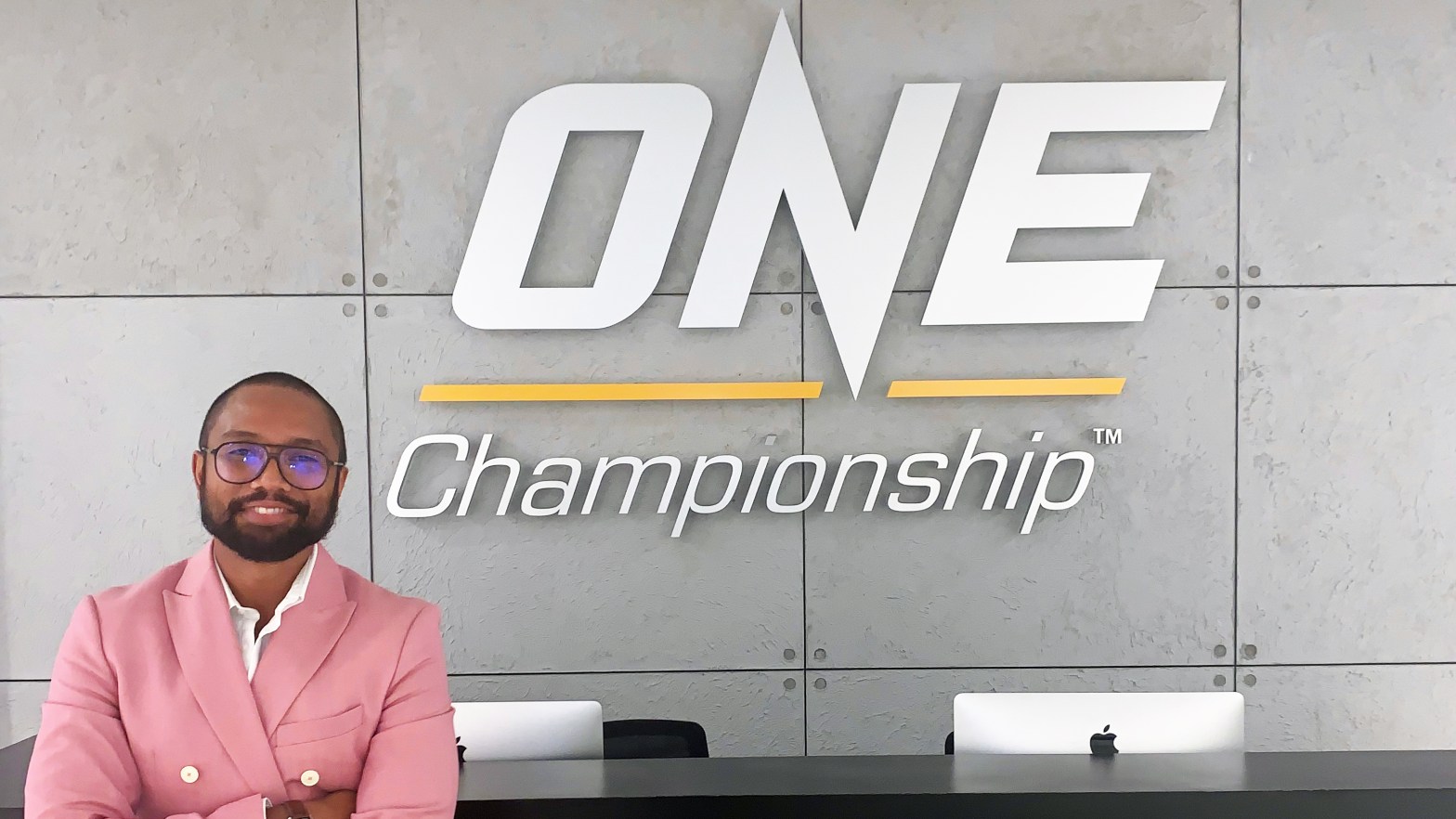
This week, I’ve spoken with Rina , Senior Social Media Manager at ONE Championship. Rina and I discussed various topics, including how his sports career began, what makes ONE different, how powerful meme marketing is and more!
Question 1: Rina, it’s great to have you on Ash’s Sports Talk. How did your sports career begin?
“I enjoy being in an environment that challenges me”.
I’m originally from Madagascar, but I was born in the South of France in Grenoble, where I studied. I had a passion for basketball and created my own opportunities. I began writing for websites, and I had a radio show where I spoke every week about the NBA, international basketball, streetball, local leagues, etc. This helped me create a network which got me a job as a Development Manager at Basketball Network in Paris.
After almost a year, I worked for a production company called LF Prod as a Production Manager. They focused on lots of sports, including football, MMA and basketball. It was another chance to sharpen my skills and network.
In 2013, I spotted a great opportunity at FIBA in Switzerland to work for their digital team who took a lot of chasing for the chance. When I joined as Digital Assistant, we had approximately 700,000 followers on all platforms. When I left after six years as a Digital Content Manager, we had around 25 million followers across all channels.
I also have a passion for MMA. While in France working for LF Prod, I had to do a series of documentaries on Mixed Martial Arts fighters. So I started watching more events and reading books. I became very passionate about MMA from that point, particularly with understanding the mindset of a fighter.
I then started to learn about ONE Championship. In 2019, an opportunity arose to become ONE’s Senior Social Media Manager in Singapore. To this day, I enjoy being in an environment that challenges me and allows me to become the best version of myself.
Question 2: Let’s hear more about your role at ONE Championship. What do you do, and how does it contribute to the bigger picture?
I’m a Senior Social Media Manager as a part of the wider marketing team. The social team creates engaging content day-to-day across Facebook, Instagram, Youtube, Twitter, and TikTok. My key focus is to get this content across channels that aren’t owned by ONE so that we earn increased reach outside of our normal ecosystem.
Typically, a fan follows approximately 12 accounts relating to sport. For example, one account would be an organization, two would be teams, two would be media, and the rest will be athletes. Therefore, we want ONE’s content to be distributed on as many digital touchpoints as possible.
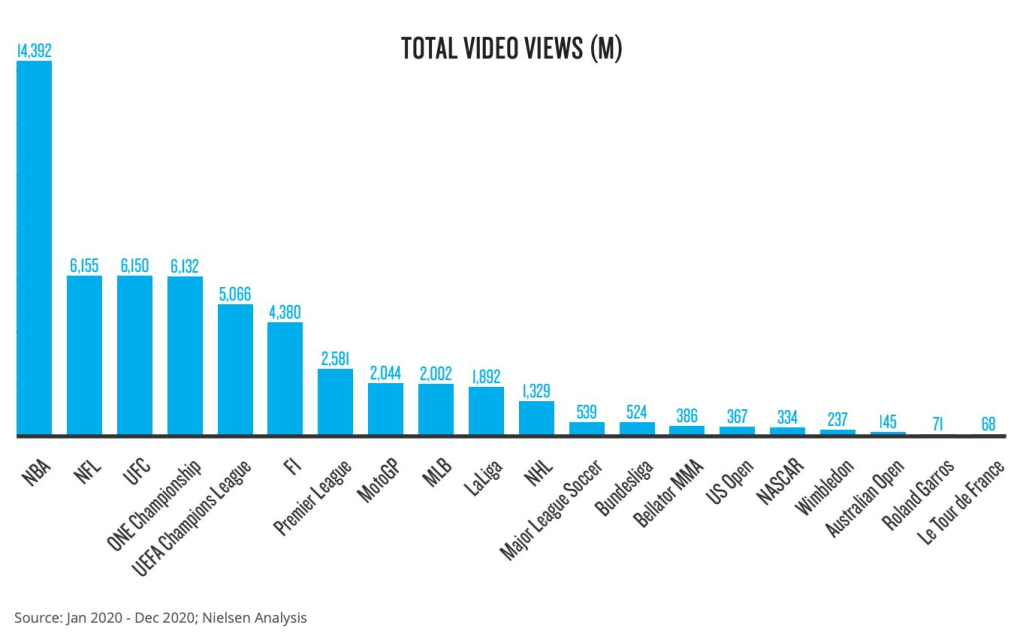
Question 3: I understand Nielsen ranks ONE Championship as one of the globe’s top sports media properties. Social media has been a big part of that; what do you feel ONE does differently to other properties when on digital?
Reach, frequency, and engagement. If you look at the volume of content we put out and the level of engagement we receive on social media, we are amongst the best in the sports industry thanks to a world-class team who is grinding relentlessly every day with super creative ideas.
Question 4: Meme marketing has significantly grown in recent years. I notice ONE Championship tap into this to some degree. How beneficial have you found this with interacting with your followers?
It’s very important as you can’t expect your content strategy to stay to your sport strictly. Memes are a great way to tap into the casual audience while being reactive to trends; accounts like House Of Highlights do a great job of practising a new sports content approach.
It’s like being in a classroom, and someone tells a funny joke; people will likely remember that more than what they were taught.
Meme marketing has helped ONE tap into new audiences from a lifestyle-themed approach.
Question 5: What have been some of the challenges you’ve experienced while building your sports career?
Time and resource are big ones. It’s easy to produce many ideas, but we often fall short of time and resources to execute them. However, it’s taught me to optimise my time and work smarter. You must make sure you identify your strengths and focus on your priorities to maximise impact.
Question 6: What advice can you pass on for someone wanting to pursue a career in sport?
Don’t wait for opportunities; instead, create your own. If you’re passionate enough, your work will work for itself. We can learn new skills; however, in sport, you’ve got to do things differently. Whether that’s creating your own blog, podcast, radio show etc., do something proactive. Networking is key as well; get to know people, and doors will open for you.
Wow, what a great interview with Rina! I truly sensed his passion throughout writing this piece, and he’s always taken advantage of opportunity that finds him in a prestigious position at ONE Championship doing some fantastic things.
What was your key insight from this weeks interview?








 Ash Sports Media