Exclusive interview with Rohan Shukla: International Marketing Officer at Watford FC

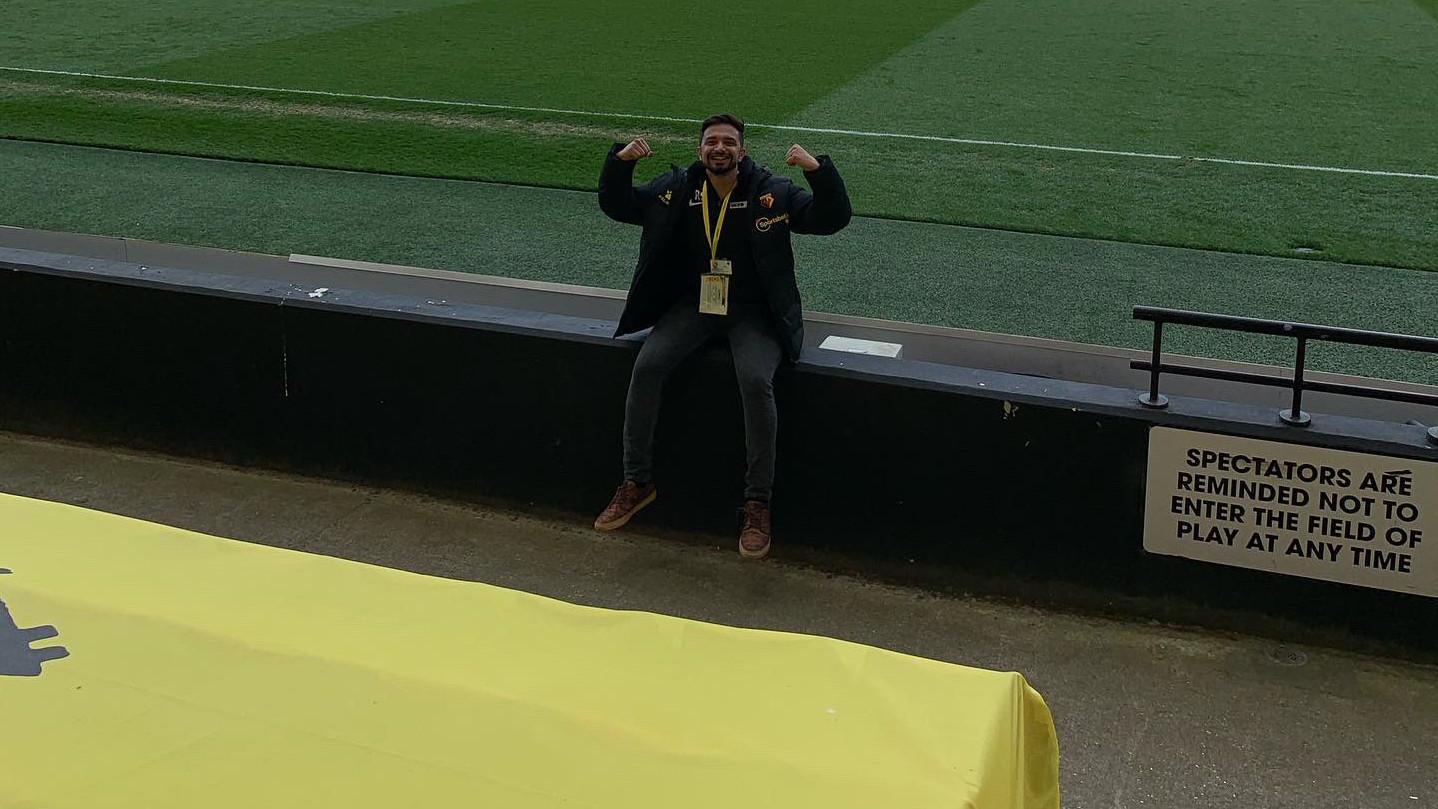
This week, I’ve spoken with Rohan Shukla, Watford FC’s International Marketing Officer. Rohan has had a digitally focused journey into sport which started by studying a Sports Management degree. This interview sees Rohan open up about his experiences at Watford FC, including the club’s challenges, developments in their digital strategy and how the Indian market is a big deal for them.

Question 1: Rohan, it’s a pleasure to have you on Ash’s Sports Talk. How did your sports career begin? 

“I was on the edge of giving up.”

My dad was a United fan, and my passion grew from there. After that, I wasn’t so bothered about becoming a professional player. Instead, my interest was in sports business. I was in India when I studied for an undergraduate degree in sports journalism, which led me to report football and cricket emerging in the nation.

I still wanted to be involved in bigger things. I then came to the UK and did my masters at Loughborough University in sports management. I worked my heart out to get into sports clubs but was rejected everywhere, and I was on the edge of giving up. Eventually, I decided to give it one last shot by studying for another Masters Degree at UCFB in Football Communications and Digital Marketing. Two months in, we had the Commercial Director of Watford FC, Paul O’Brien, attend our campus for a guest lecture. The club had been relegated but still wanted to be recognised on a global scale, particularly in India. I made sure I spoke with him before he left, as I had a lot to say about my views on why many football clubs aren’t growing in Indian territory. He gave me his business card, and from that point on, I joined Watford FC as an Intern and have recently been offered a full-time role focusing on the club’s Indian and South Asian markets.

Question 2: Tell me more about your role at Watford. What do you do, and how do you contribute to the club’s bigger picture? 

“We’re looking not only for something mutual but also sustainable.”

My role is heavily targeted across the Indian market and how we can do things differently to other clubs. A key focus is to identify mutually beneficial partnerships across Indian territory; we’ve recently developed one across the technology landscape.

I contribute to the bigger picture by providing exposure to how we function as a club. We’re launching ourselves on an Indian short-form video app.

I’m involved in researching potential partnerships with hotel chains and other category blocks in India as well. We’re looking not only for something mutual but also sustainable.  

As a marketer, I concentrate on all the club’s sponsors and how they can benefit based on their positioning. Focus areas include monetisation reports and how much we’re delivering to our sponsors.

Question 3: From your experience, what makes a robust marketing strategy for a sports organisation? 

“If you fail, you learn.”

It’s essential to focus on the REAL insight that the market wants and lacks. Once you nail that, you should have a holistic understanding of that sector. This has been a major issue with the first time many Premier League clubs targeted India; I’ve not seen clubs truly cater to the Indian culture. There will always be initiatives that work and don’t work; however, those that don’t will give you a more authentic insight into the market.

Question 4: What have you found effective at branching the Watford FC brand overseas?

Make someone else’s audience, your audience.

Influencer marketing, targeting influencers in the right way can make their audience become your audience.

Age also has a big factor in which apps dominate your phone, which we’re trying to cater towards, such as what apps are more fixated with different age brackets.

Making content exclusive per platform is key as well. We’ve launched on a Chinese social media platform called Weibo and will soon embark on an Indian social media app; this will need an exclusive approach to the audience.

To truly engage younger audiences, I’ve learnt they want content straight away. The way apps like TikTok and Instagram and are positioned could put us in a lucrative position.

Question 5: What have been some of the key skills you’ve learnt as a sports marketer? 

“Be ready to adapt and learn.”

You’ve got to be very dedicated to what you want to do. There’s always room for improvement as there are so many avenues you can target.

You must be good with the words you use. My job is directly related to how the club performs on the pitch; talking with the same confidence level when Watford loses or wins can be challenging. This is a constant process I’m continually learning.  

Be ready to adapt and learn, particularly from those higher up in the hierarchy. Most of my learning has come from observing how our Commercial Director, Paul O’Brien and Marketing Manager, Owen Arnold, tackle problems.

Question 6: What are some of the challenges you’ve experienced in your sports career? 

It’s why I cherish every single day.

Getting myself working in a sports club was the hardest part of my journey. There are people out there applying left, right and centre. It’s why I cherish every single day because of how hard I’ve worked.

It wasn’t easy to convince people where Watford stood when we were a Championship club as championship-level football isn’t typically broadcasted in India. It also made partnership proposals more complex when we got relegated as we were in the Premier League for the last five years before 2019/20. However, we’ve learnt how to talk with more confidence over time.

Question 7: What’s your key advice for upcoming sports enthusiasts?
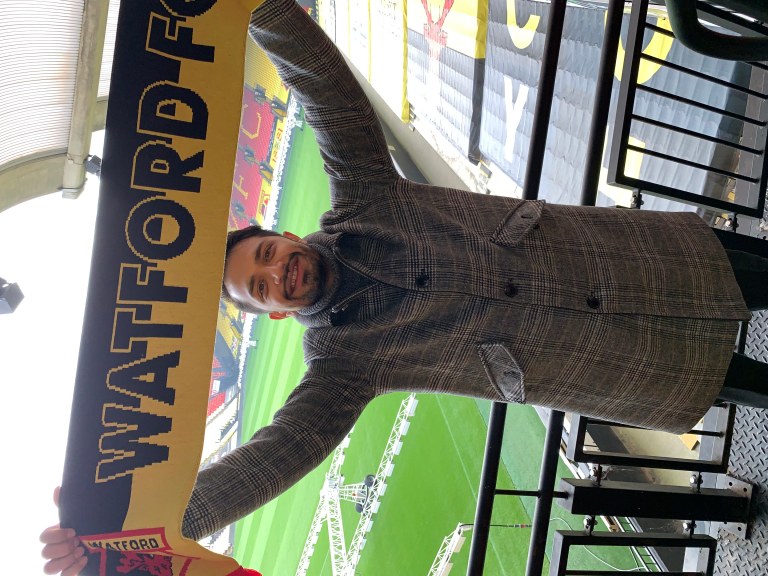
“Club’s are always on the lookout for the next big thing.”

Get out of your comfort zone. Approach people on LinkedIn. Attend guest speaker sessions organised by your university or by sporting organisations. Conduct research on the industry and keep finding those areas where you believe you can contribute and fill a potential gap inside a football club. Club’s are always on the lookout for the next best thing. Get out there and think outside of the box. If you have the passion, you’ll succeed.


What a brilliant interview with Rohan. He’s relatively new to Watford FC but has so much to share. To think it all started from a guest lecture at University is commendable.

If you enjoyed this interview, give Rohan a follow on Instagram and connect away on LinkedIn.

Exclusive interview with Ben Blake: Co-Founder at InspoHub

This week, I spoke with Ben Blake, the Co-Founder at InspoHub, a sports marketing content and production agency. Ben and I talked about trends to keep an eye out for, the importance of branded content and what values Ben brings to the sports industry.

Question 1: Ben, it’s great having you on Ash’s Sports Talk. How did your sports career begin?

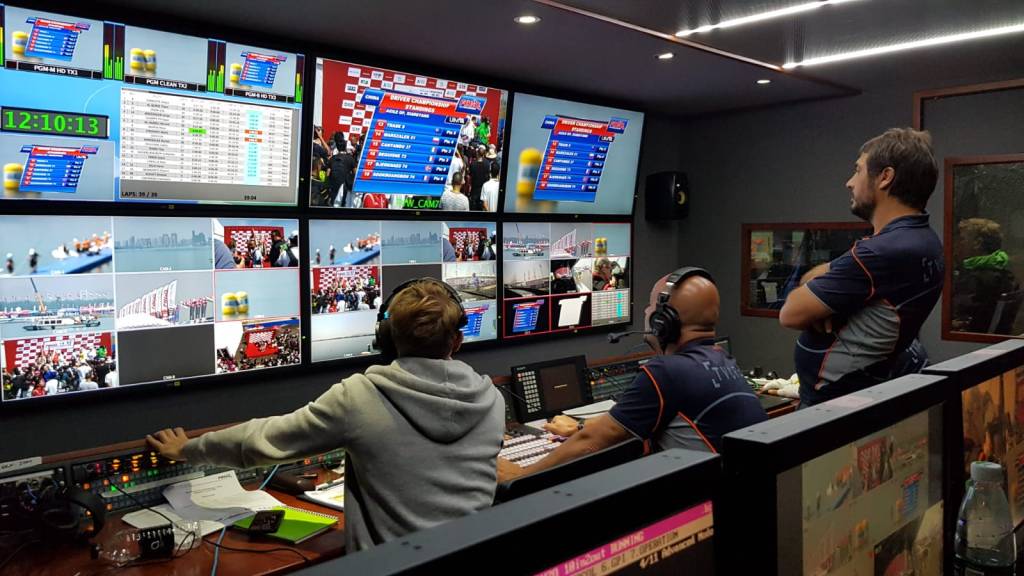
Absolutely…I feel flattered to be invited! I have always had a passion for sport – first competing, and later in life, I was lucky to make a career. I studied broadcasting at university and pursued my love of sport to get work opportunities in sports broadcasting. I fell on my feet with my first sports broadcasting job – a work experience placement at a global sailing series stopover in Marseille. After that jaw-dropping experience, it’s no wonder I have stayed in this glorious industry.

Question 2: Let’s hear more about your work at Inspohub. What do you do, and what does the organisation represent?

“InspoHub stands strong for justification.”

InspoHub stands strong for justification. We take the strategic elements of marketing and business development and pair this with smart, disruptive creative content. Genuine business-objective return is then delivered on this investment into creative. The smart bit is doing this through content which sports fans don’t mistake for “salesy” or in-your-face marketing.

Within our team, we have a passion for equestrian (mostly showjumping), football, sailing and cycling.

Question 3: What are some of the key sports industry trends that you feel could shape the sector’s future?

“I see power turning to the athletes”.

In the post-COVID era, I see power turning to the athletes. We saw everything go online during UK lockdowns – from Joe Wicks PE classes up to the Virtual Tour de France. Of course, everybody is itching to get back to group training, meetings with coaches, and competition. But previously, the power was held by coaches, event organisers and governing bodies; and events/development was on their terms. The majority of people have used lockdown to increase self-awareness and have a clearer understanding of what matters most.

Competition organisers will have to cater for the needy entrant to keep attendance at a peak, and coaches should adapt to a hybrid learning style where not all coaching will be done one-to-one.

From a brand perspective – it’s time to capitalise! Post-COVID consumer spending is at record high levels. When consumers know what they want, they are willing to spend big. Upselling customers to premium will be possible when hyper-targeting a more niche audience. Brands must push their core values around sustainability and welfare to keep customers coming their way.

Question 4: Branded content is something Inspohub specialises in. I’m aware only 4% of clubs use integrated branded content. How much of a difference does this make for a sports properties digital output?

For the club’s commercial partners, it makes a world of difference!

From the fan’s perspective, there is no noticeable difference to the digital output. But for the club’s commercial partners, it makes a world of difference! It’s such a simple task to integrate a brand into your organisation’s content – and I don’t mean adding a corporate logo in the corner of a video; that’s cheating. Club’s marketing/content creation departments must look at the aligning values of their organisation and those of commercial partners and create inspiring content around these. The responsibility should also fall to commercial and sales teams to highlight these aligning values to the correct departments within their organisation.

Question 5: While sports consumers are getting younger and younger, what effective marketing methods can sports brands explore to entice the next-gen?

“Make them think they are special.”

Shoulder content is the key to attracting a younger audience. Take football, for example; the match coverage and subsequent highlights are relatively similar. The only space to stand out is in exclusive athlete access and the extra content you provide.

Gen Z has high self-esteem and are go-getters. They believe in their right to the best. If you can make them feel exclusivity, then they will consume your content. Make them feel like they are best friends with your high-profile athletes; make them think they are special and above the status quo.

Question 6: What have been some challenges you’ve experienced throughout your sports career?

“To be different is risky.”

The constant frustration is coming up against an organisation unwilling to change because they don’t want to upset the apple cart. To win, you must do something which your competition is not doing. But to be different is risky. Too often, there is not enough reward on the line for the decision-maker who must decide whether their marketing strategy will be risky or safe. Why should they risk losing their job when they can do the same as last year, and nobody will complain.

I do see a shift, particularly as millennials shift into high-level positions. Their minds are open to digital-first strategies and disruptive content.

Question 7: what’s your key advice for someone wanting to work in sport?

“Never believe something is beneath you.”

Try every role you possibly can! And make connections whilst you do it. Whatever you are asked to do, say yes and never believe something is beneath you. Once you think you’ve had a taste of the full spectrum, go back to what you felt most passionate about. Working in sports is not for the 9-5’er, so if you like, this industry probably isn’t for you. It’ll be tough on family life and friendships, but if this industry really is for you, you will never regret it.


Now that’s what I call a sports industry insight! The great thing from this is that Ben is still learning with us throughout his work at InspoHub. What was your key insight from this interview?

Exclusive Interview with Kevin Rye. Owner of Think Fan Engagement

This week, I spoke with Kevin Rye, the owner of fan engagement experts, Think Fan Engagement. In this interview, Kevin touches on how his career in sport started, his perception of fan engagement and how clubs can optimise relationships with their audiences.

Q1) Kevin, it’s great to have you on Ash’s Sports Talk. How did your sports career begin?

I stumbled into it really. On my 30th birthday, the league place where my childhood club Wimbledon had worked so hard to achieve was unjustly given away, and we fans had to start over.

I’d already been battling alongside fellow Dons fans to try to stop it from happening, and then it became about making AFC Wimbledon a reality. We didn’t do badly, did we?

Q2) Let’s hear more about Think Fan Engagement. What inspired you to start the company, and what do you bring to the sports industry? 

Fan engagement is an extension of stakeholder engagement.

I worked for Supporters Direct/SD Europe for 11.5 years. SD helped promote and increase fan involvement in the running and ownership of football clubs and the game more generally (Supporters Direct has since merged with the Football Supporters Federation to create the FSA, but SD Europe is now an independent organisation.)

When I left in 2015, I initially tried to consult directly with football clubs but found that whilst they could understand what value I’d bring regarding fan engagement, it was hard to work out exactly where I would fit. One of the big problems then was that fan engagement focused on apps, data, output, or selling – immediate ROI. In contrast, in reality, it’s an extension of Stakeholder Engagement. It should be a critical and strategic part of every club, incorporated across the business from the board to the ticket office. I explain the relationship between fans and clubs as being like two different dialects being spoken – ‘fan’ and ‘club’, and that we need to start understanding each other!

So I created the Fan Engagement Index to define, measure and benchmark Fan Engagement: to create the common language. From it, we can also understand the ideas and practice in fan engagement that work, and share that with clubs, fan organisations and those in the football and sports industries.

We also have the Fan Engagement Pod, a regular pod where I chat with a guest about their approach to fan engagement. We also publish episodes with fan engagement expert Bas Schanter and Sports Marketing guru Tim Crow, ex Synergy (now part of Engine). We’ve also just launched our first piece of work in the sport of Rugby League – a survey of fans.

Q3) I’m keen to hear your perspective on fan culture in football. How influential are they to football clubs? Plus, do you feel clubs know their fans just as much as their clubs know them? 

Consult and engage.

Quite often, fans do know their clubs better than clubs know their fans. Fan engagement isn’t just a way to flog more tickets, merchandise, or to get likes for ‘bantz’ on social media. Fans are often quite dislocated from the decision making at their clubs – as we saw with the European Super League and Project Big Picture. They often feel like the only route they have is to run a campaign or take direct action. Far too often, clubs do something first and then, maybe, ask the fans about it and often face a concerted campaign to reverse a bad decision that they could have got right had they listened first. It’s a waste of energy for everyone! Instead, clubs should consult and engage throughout to improve how the decision is made in the first place. It really does work!

Q4) How do you feel football clubs can gain more of a personalised understanding of their fanbases?

COVID has shown us how important human relationships are.

Technology can help, of course, but that’s just one tool and only goes so far. What we’ve seen throughout COVID is how important human relationships have become. You can talk about ‘brand reach’, but ultimately, clubs are institutions that have relationships with people. The way to manage those relationships doesn’t involve sending out a questionnaire once a month. You need to be prepared to listen and do it often. People like Paul Barber at Brighton do it, likewise Denise Barrett-Baxendale at Everton, or Ben Kensell and his colleagues at Norwich City. There isn’t really an excuse!

The other irony of our age is that we’re all told we’re individuals, yet clubs still spend a lot of time regarding fans as a homogenous lump! All fans are not the same. In every fanbase, you’ll find some fans prepared to be activists and call for change and who want to know every detail they can about how the club is run, owned and funded. Others are more concerned about ticket prices and matchday experiences. But many of them want to know that the people in charge are sensible, looking after their club, and maybe like to ask a question every so often. You can identify who many of these are through data, but listening, genuinely engaging and showing a human fact is the most important factor.

Q5) With fans returning to stadiums in larger amounts, what more do you feel clubs can do to optimise the stadium return for the average football fan? 

“When fans turn up, they need to feel like they’re returning home.”

Essentially, fan experience can become a far more natural thing when you’re getting your fan engagement right, as you’ll be in the right space culturally. People like Mark Bradley at the Fan Experience Co have been trying to get that into people’s heads for years, and I very much see what he does as part of the right overall approach to running a club that works for fans.

I would urge every club to ensure that they’re listening to their fans now, including their supporters’ trusts and groups, fans parliaments, fans forums, via social media, individual fans through surveying or other means.

When fans turn up, they need to feel like they’re returning home. I don’t think they need a red carpet rolled out, but remember that this is the first time most of them will have been to watch their club play in over 1.5 years. These are places they love and revere. You need to respect that.

Q6) how do you feel data has revolutionised the way clubs can engage with their audiences? 

“Data isn’t a person.”

Data is a signpost, and these days the quantity of it means you can get insights that weren’t possible before, but I often don’t think it’s used in the way it could be. People like Fiona Green from Winners and consultant Bas Schnater, get frustrated at clubs not realising the real potential of the tool and how It helps to unlock possibilities and conversations and measure how people feel. But they know that data isn’t a person, and data won’t often tell you the detail, richness, or reasoning behind something. We still need ears, eyes, a brain, and to be good human beings!

Q7) As much as I love talking about the industry, I’d love to hear the same about the people I interview. What are some of the key challenges you’ve faced with the Fan Engagement Index and your sports career? 

“I tried to fit into something that others didn’t understand.”

When I started doing traditional consulting, I tried to fit into something that others didn’t understand. I had to have the confidence to realise that something different needed to be done. I’ve been really fortunate to work with some seriously good people in my time. There are three who have been particularly important to me because they encouraged me to have confidence, take risks, and trust my own judgment.

The first is the former Chair of the Wimbledon Independent Supporters Association & then founding CEO & Chair of AFC Wimbledon, Kris Stewart. He got me involved, and because of how campaigns like those work, I got to do some amazing work, including a hugely impactful opinion poll carried out by ICM Research, a borough-wide marketing campaign, and loads of communications strategy work.

Secondly, Phil French, now Director of Public Affairs at the International Olympic Commission (IOC), greatly influenced my career. Vital even. He was my CEO at Supporters Direct and help shape and mould me in so many ways he probably doesn’t even realise. Most importantly, he helped me become much more disciplined, thoughtful, and trust my judgment.

Last, but by no means least, a dear friend of mine, Paul Simpson, trained me in media relations: he helped me understand how strategy has to connect with what you do on the ground. I learned that Public Relations is something that shapes leadership and culture within organisations too. He also taught me to do things with a bit of style. “Show a bit of leg”, as he puts it!

Q8) Kevin, reflecting on this discussion, what is your key piece of advice for someone wanting to work in sport? 

Always give it a go, be prepared to ask questions, and don’t be afraid to disrupt a bit. That doesn’t mean tipping all the tables over, but it does mean being prepared to think outside of the box a bit sometimes.


Wow, what a brilliant interview with Kevin. It’s refreshing to hear how he perceives fan engagement uniquely from many others in this era. His point about having a human approach to your fan engagement strategy speaks so much truth but can often get overlooked. Not only is this valuable from a marketing standpoint, but from a career perspective.


Exclusive Interview with Dominic Quantrill: Founding Partner of The Quantrill Partnership

This week, I spoke with the Founding Partner of The Quantrill Partnership, Dominic Quantrill. Dominic’s career journey stems across investment banking, recruitment, sport and entertainment. Dominic breaks down how his sports career journey started, insights into emerging industry trends, networking power, and what makes an impactful brand partnership.

Question 1: Dominic, it’s great to have you on Ash’s Sports Talk. How did your sports career begin?

It all started when I was working in investment banking, and a private equity client had invested into a Formula 1 team and they needed to make some senior hires. I then realised there was a gap in the market that led me to set up a professional executive search firm called United Media Entertainment Group (UMEG). UMEG’s mission statement was to support the sports industry through its hiring process and represent sports teams, clubs, and brands.

Question 2: Tell me more about the Quantrill Partnership. What does your role look like, and what inspired you to establish the business?

My role is quite varied, but our business activities can be split into two pillars, executive search and brand partnerships. Have recently taken on a significant project with Aser Ventures who owns Leeds United FC, LIVENow and Eleven Sports, and I’m doing all of their recruitment and executive search. On the brand partnership side, I’m doing some work with a luxury supercar manufacturer on a licensing project and a documentary series.

I’m very driven by opportunities to collaborate within the intersection of sport and entertainment. I’m inspired by innovation and the curiosity to do things differently which is why The Quantrill Partnership was set up.

Question 3: I’m aware your network is very extensive. You have experience across media, sports, entertainment, luxury brands and more. What did the process look like when building such a network for your personal career and your business?

I didn’t necessarily have a process when building my network, I am lucky enough to work in a sector that I have close personal interest and passion for. Developing my network has taken a lot of time and personal investment. Earlier today, I spoke with someone in my network that I’ve known since 2004. To make the most of your network, it takes
time, patience, investment and remaining authentic.

Question 4: What are some key and emerging trends across sport and entertainment that you believe will shape the industry’s future?

The landscape of sports consumption is changing dramatically. The digital transformation has impacted sports rights, shifting towards shorter-format sports (cricket and T20 have been hot on this) and the increased competition for eyeballs. Digitalisation has also bridged traditional sport and esports closer together; Fornite has created a new relationship with Neymar Jnr. The industry is trying new ways to capture the youth market through shorter formats, particularly with football. Naturally, wherever tech leads is a chance to make more money, which we see with NFT’s.

Question 5: I’m keen to hear your views on the YouTube boxing trend, which has evolved into influencer-led sport. How sustainable do you feel this is?

It’s fascinating how boxing federations have accepted online personalities as professional boxers. We’ve seen similar in other sports. For example, Justin Timberlake playing golf alongside celebrity NBA players. It’s an effective way to reach new audiences through celebrity brand power. It’s also merging different sports and entertainment levels, such as Snoop Dogg commentating and DJ’ing on the Triller Fight Club. I’m all for it; I think it will stick around, but it won’t overtake traditional sports events.

Question 6: Sports streamers have also made noise across the broadcasting landscape. We see the likes of DAZN, Amazon Prime, Twitch etc. grow with gaining sports rights. How do you feel traditional broadcasters like Sky Sports, BT Sport, and ESPN will fair?

Technology is allowing fans to get closer to their sports in more ways than just on match day or race day. A recent example includes Red Bull Media House working with their pro-mountain biker Danny MacAskill on a new piece of content. Interestingly, there were more views on the behind the scenes making of the show. It demonstrates the fact that now fans are looking for ever greater engagement with their sports, such as tips around fitness, training and preparing themselves etc. This is where streaming platforms can add some value without having to spend lots of money on securing the media rights, instead, they can create polished formats that is in demand and can be sold into different markets.

Its early days still for some streamed sports shows; it’s fair to say that Sky’s polished production values are evident and have really set the bar, there’s a way to go for the DAZN production for example. Streaming services will inevitably get better with the quality of their productions over time. However, it’s an ongoing challenge that with so many subscriptions to choose from for sports fans how do the platforms remain competitive and relevant. Typically, the new generation of fans wants to consume content and move on rather than committing long-term to subscriptions. This will likely influence and shift the dynamic of how we consume content in the future.

Question 7: When establishing a brand partnership in sport, what are the key values that make it successful?

Having honesty in terms of what you’re proposing is an important puzzle piece. Communication is also vital. It’s one thing selling an idea, but delivering on the promise is another process in itself. Having the ability to learn and to innovate are also crucial elements, by bringing something new or unique to a partnership, that’s only going to be positive. Clarity is also important; some really good ideas and partnerships have failed simply because of a lack of clarity from the outset from what people expected.

Question 8: With any successful sports career, there comes an array of challenges. What are some that you’ve experienced that have developed yourself as a sports industry asset?

Getting into the sports industry can be difficult as it attracts different people for different reasons. One of the big challenges is building a reputation or track record when its often hard to break into a sector. I have learnt that reputation is so important, I have tried to be as authentic and honest possible in my career and hope that’s reflected in the duration of my working relationships in the industry!

Question 9: Dominic, reflecting on this discussion, what is your key piece of advice for someone wanting to pursue a career in sport?

Think long and hard about what you want because, as mentioned, the industry attracts many people for different reasons. Create your network early as possible; it’s the reason why I’m still operating in the market. This came from building relationships with people, attending webinars, learning from others and seeking advice. If you can invest in this, it will pay massive dividends.


What a powerful interview there with Dominic. Networking has always been a key value to elevate the right opportunity. His insights into the digital drift of sport are invaluable for rights holders to act and stay ahead of the curve. However, what part of the interview did you find most valuable?

Exclusive Interview with Sam Neter: Owner of Hoopsfix and Cut The Net

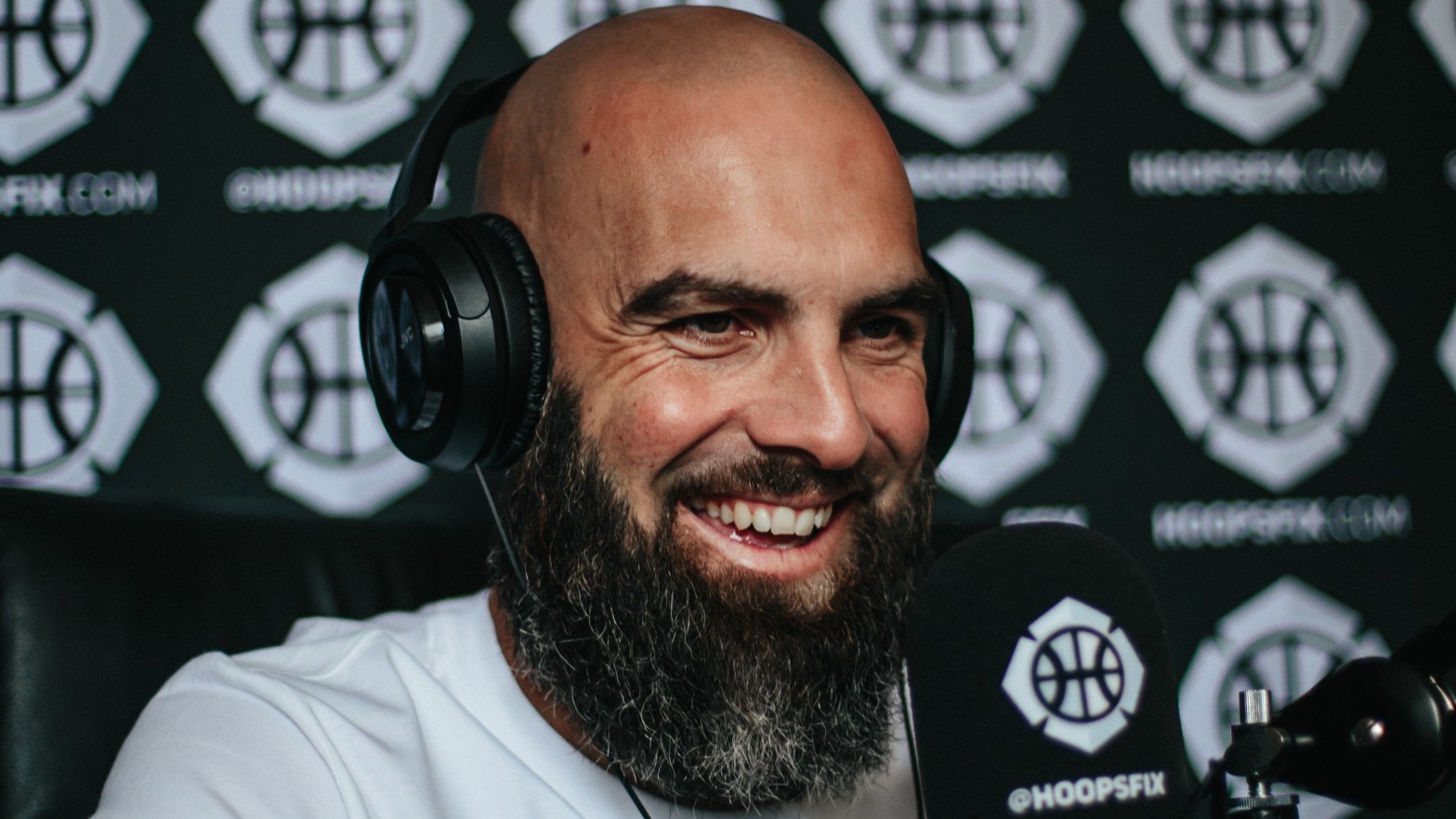
This week, I spoke with Sam Neter, owner of the British basketball website, Hoopsfix.com and basketball marketing agency, Cut The Net.

Hoopsfix cover all kinds of content relating to British basketball, including game highlights, podcasts with sporting stars, exclusive merchandise, live streams, newsletters and more.

Sam discusses Hoopsfix’s journey, what he believes makes great content, how challenges have helped him push further and his key advice for sports industry enthusiasts.

Q1) Sam, it’s a pleasure to have you on Ash’s Sports Talk. How did your career in sport begin?

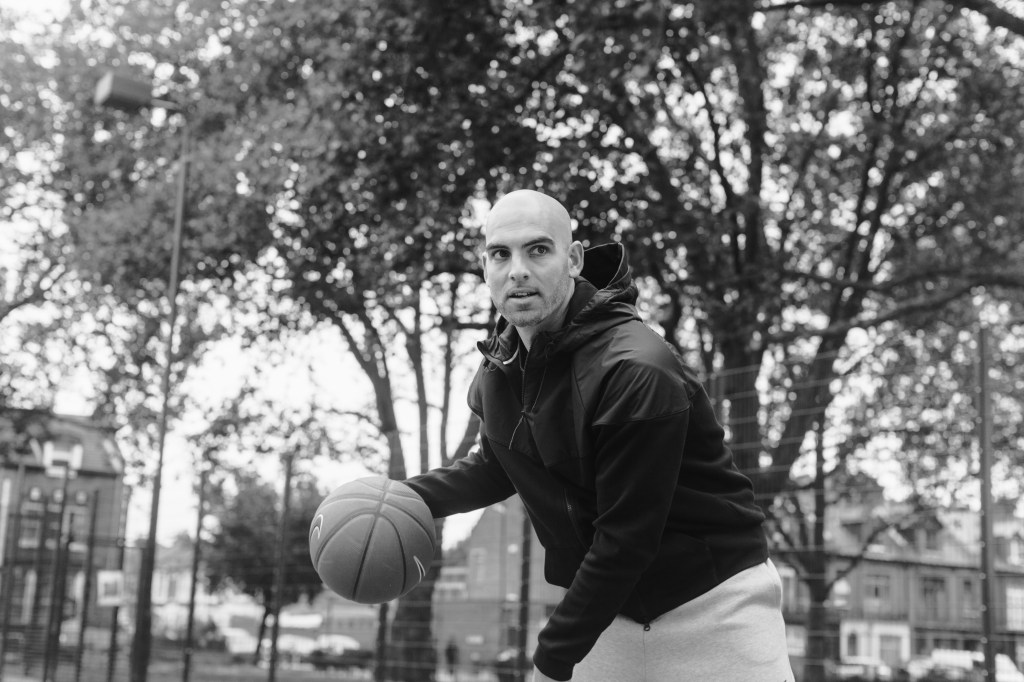
I originally played basketball myself, which became a big passion of mine, and then I decided to become self-employed.

In 2009, I started working on basketball-related projects. My original project was a late-night basketball club to keep kids off the streets. I wanted to create a website to drive awareness about the project, and it eventually evolved into Hoopsfix. I then realised a greater need for media coverage in basketball as there was hardly any when I grew up. This became my goal, to keep people informed and aware of what’s going on with basketball in England. 

Q2) What have been some of your career highlights?

Hoopsfix runs an annual showcase called the Hoopsfix All-Star Classic, which gathers the top junior players across England. I last ran this in 2019 over two days and had a girl and boys contest, and we are in the midst of a three-year sponsorship contract with Nike. This was a highlight as despite how much I love digital, it does not compare to bringing people together in a physical space for a gathering of the community.

Another thing I’m proud of is just being. I’ve been running Hoopsfix for 10-years, and we’re still going strong. I’ve seen many leave the sport; what I do isn’t massively profitable. 

Q3) I appreciate there’s no such thing as a ‘regular day working in sport’. But what are you responsible for at Hoopsfix and Cut The Net?

It varies massively. For example, today, I went through the top 10 plays of the week by running through all the clips and sending them to Tahir, who does the voice over. I’ve also got some calls this afternoon for an event I plan called the Hoopsfix All-Star Classic; it usually goes ahead in the summertime; fingers crossed it can this year! My team and I are looking to optimise monetisation opportunities, particularly around product development. I also have a podcast that I edit weekly.

Cut the Net is the engine behind the scenes that revolve around client work that funds Hoopsfix. My work includes copywriting, shaping content strategies, video editing, social content and other marketing activities. I do my best to balance everything out! 

Q4) It sounds like you’re a busy man Sam! How do you manage your time?

I’m traditional; right now, I’ve got sticky notes in front of me of goals I want to achieve during Q2 of 2021. I have calls with people supporting me bi-weekly through Skype, breaking down our ambitions. I use Workflowy, which helps me manage my time alongside Trello to organise my projects. Over the last three months, I’ve had interns from The University of North Carolina helping with some content bits where their tasks are managed through Trello.

I always keep a pen and paper with me. If new tasks pop up during the day, I’ll scribble them down and prioritise accordingly.

Q5) From your perspective, what makes great content for social media? Plus, how important is it to ensure each channel offers something unique to its users?

It ultimately comes down to knowing your audience. What works for Hoopsfix could be different for another brand. There’s not always a formula to it; for example, there are many times I’ve put something out which doesn’t do as well as expected.

Regarding unique content, as I’ve got a small team, resource is a challenge when producing specific content per platform. Therefore, we tend to produce the same content across multiple platforms, which wouldn’t be the case if we had bigger budgets and resource. I use tools like Zapier to do this.    

Despite unique content per platform being important, you’ve got to consider the cost to benefit ratio to ensure you’re making efficient use of your resources.

Q6) Considering sport and digital are constantly changing, how do you ensure you stay ahead of the latest trends? Plus, what does the process look like when launching on a new platform?

When you’re submerged in it every day, you’re naturally absorbing new channel updates, memes and trends. I also follow various sports marketing, social and business people on Twitter to see what they’re sharing.

Jumping onto a new platform isn’t new to me as I’m an early tech adopter and have a pure interest in emerging technology. However, as the British basketball market is quite small, emerging platforms don’t always have the benefits we’re after. For example, on TikTok, we have 9.7k followers. However, they’re not a hardcore British audience that will help us with our goals. The same is with Clubhouse; I could set up a room and get about 10-20 people listening; however, you’ve got to consider whether that’s a good use of time.

Hoopsfix tends to be more prominent on traditional platforms for that reason, and we’ll wait until our hardcore audience pivot onto other channels to consider following them. 

Q7) You’ve touched on the great topic of meme marketing there! Have you used this in any way for Hoopsfix?

There’s not been loads of it within British basketball as it’s a niche market, and therefore not all are the most applicable. Consequently, you’ve got to build a knowledgeable connection with your audience. For example, if you ask any 14-16 year old about English football, they won’t likely be short on things to say. This doesn’t apply to basketball which makes meme marketing more difficult for Hoopsfix.

Before nailing meme marketing, we’re trying to figure out how to educate our audience. Our audience will know about NBA stars like Steph Curry and LeBron James. However, the task lies with adopting that philosophy with British basketball stars. 

Q8) With any successful sports career comes various challenges. What adversities have helped you develop in sport?

The biggest challenge has been on the financial side. Although, in some ways, it’s helped me realise that this is definitely what I want to do because I’m still here despite the lack of financial upside. Not many people want to do stuff around British basketball as the market isn’t that big. ‘

As the market size is small, it’s caused issues with creating content with limited resources to get as many eyeballs as possible. However, this has allowed me to push my limits and become innovative. If I were to take what I’ve learnt while building Hoopsfix into a bigger market, like football, it would be very interesting to see the results.

Essentially, all of these challenges helped me realise that you will find a way to make it happen if I want something bad enough. 

Q9) Sam, reflecting on this discussion, what’s your killer piece of advice for someone wanting to work in sport?

Start doing something as too many people rely on others for an opportunity. Often experience becomes the biggest issue when landing jobs in sport, so get that experience yourself. If you want to be a sports writer, start a WordPress blog. If you’re ambitious to work in social media, it’s not hard to create a social media page about a sport you love and build a following.

The client work I get through Cut The Net has come off my own back rather than anyone else’s. I have no formal qualifications to support brands like Footlocker, sell out an event with hundreds of people; it’s all come from me doing my own thing.

Once you start doing stuff, doors will open—the people I’ve reached out to have been similar to me. Bradley who I work with was doing a weekly column voluntarily for a year and that made me want to reach out to him to see if he would jump on board the Hoopsfix train.    

The creator economy is growing massively, don’t waste time waiting for someone to open a door for you!


Incredible, what an awesome interview with Sam. It really goes to show that your life is what you make of it. He spotted a gap with media coverage around British basketball, did something about it, and produced something astonishing that nobody else has.

Exclusive Interview with David Fowler: Co-Founder at SportsTech Match

This week, I spoke with David Fowler, who works at sports technology marketplace, SportsTech Match. David gives us an insight into how his sports career began, his highlights and his perspective on the sports tech landscape.

Question 1: David, it’s excellent to have you on Ash’s Sports Talk. How did your sports career begin?

My professional sports career began when I was 16. I left school not long after my 16th birthday to pursue my dream of becoming a professional footballer with Kilmarnock FC in my native Scotland. I was only ever going to be an average footballer, so after a few years, I was back into full-time education and on the path to getting a marketing degree. That was my route into my first “office job” with a leading market research agency, and from there, I transitioned into a role within a sports marketing research agency.

Question 2: Throughout your career so far, what have you enjoyed the most?

I realise now more than ever how much I enjoy being part of a team. Sports brings together such passionate and like-minded people. The most fun times I’ve had have been the times when I’ve come together with colleagues at a team-building event ahead of delivering a major event such as the world cup or as a reward for delivering a major project.

I’m currently consulting sports rights owners and tech companies, and consulting can be a lonely business. I’m also building SportsTech Match, a procurement platform for sports technology. We have a small team of great people contributing to the project. Nevertheless, I do miss being part of a bigger team and movement. On the flip side, I enjoy having free hands to decide how I shape the next chapter of my career and the SportsTech Match project!

Question 3: Tell me more about being the Co-Founder at SportsTech Match. What does the organisation represent, and what impact do you aspire to make in sport?

Our vision is to connect sports and technology to drive innovation. We see many sports tech companies dying too soon due to their inability to engage with sports rights owners effectively. On the flip side, we see sports rights owners retreating from the market due to negative experiences and increasingly aggressive sales tactics from sports tech companies. We have the vision to be something akin to the Upwork of sports technology. We aim to provide buyers with the tools to manage their procurement processes and vendors to respond to buyers’ needs.

Question 4: Once stadiums begin to welcome back fans, what differences do you think we’ll see with the fan experiences influence by technology?

I think we will see an acceleration of trends that have already been set in motion. The fan journey will be increasingly digitalised from access control to food and beverage to fan engagement. This will open up new opportunities to collect data that helps us to map and improve the experience.

Question 5: I can imagine a challenge for major sports brands is having a specialised and personalised understanding of their enormous audiences. How have technological activations helped to build up a full awareness of each sports fan?

Many rights owners in sport understand the importance of having a single view on every fan. Many rights owners have made investments in ticketing, CRM, and fan engagement technologies (to name a few), generating lots of data. However, most were not prepared to ingest and make sense of this data in a central data management platform and in a way that could drive engagement and commercial value.

There are now so many data consultancies and software platforms that aim to help sports rights owners at all levels solve this problem. This will be one of the most dynamic and fast-growing sports business sectors over the next few years.

Question 6: David, reflecting on this discussion, what is your key advice for someone wanting to pursue a career in sport?

Relationships are key in every industry. But I suspect it is even more important in sport to build your network. There are loads of people at all levels of sport who are accessible. You would be surprised. It’s important first to understand what area of sport you want to grow in.

Once this is clear, my advice is to build your network by attending events, exchanging information with people you want to connect with (e.g. share an article or report that might be relevant to them), start blogging to showcase your thoughts and opinions or take on an internship or volunteer position if you are in a place to do so. Don’t spam people, and don’t open a conversation with a request for a job!


Wow, what a great interview with David! Hopefully, you found this just as beneficial as I did. There were many key lessons around data being the key, relationships make the dream work, and we’re in charge of our own fortunes!

Exclusive Interview with James McKeown: Chief Operating Officer at UCFB’s Global Institute of Sport

This week, I chatted with the Chief Operating Officer of UCFB’s Global Institute of Sport, James McKeown. James has had a long career in sport, seeing him work with The NBA, the Olympics, British Athletics, the Melbourne Commonwealth Games, and more. In this blog, you’ll discover how James’ passion started, what makes an effective leader, alongside how much more potential is in place for sport and education.

Question 1: James, it’s fantastic to have you on Ash’s Sports Talk. How did your sports career start?

You could say my sports career started when I was seven at my first ‘Aussie rules’ football match – a trip to the Melbourne Cricket Ground, and I never looked back since!

I eventually moved to the UK when I was 18 and studied sports science at Loughborough University. At this point, I knew I wanted to work in the industry. My first career break saw me go back to Australia to pursue an incredible internship at the 2006 Melbourne Commonwealth Games. My first graduate role saw me work for a sports PR agency in London, and I still have the sports bug to this day!

Question 2: I see you’ve had a diverse career in sport; your work has stretched across football, the NBA, MMA, the Olympics and more. What critical perspectives have you gained from each sport?

I’ve been fortunate to work across different geographies and brands in sport, giving me a real multi-dimensional understanding. Understanding transferable business models, marketing methods, performance strategies, fan behaviours and cultural differences have been valuable. Without working on that wide range of sports, I wouldn’t have the transferable knowledge.

Working in football in particular, it’s the fans’ passion and how much their teams means to them that stands out. Sports like MMA and Olympic sports are just incredible examples of the commitment required from an athlete to perfecting their craft.

In working for the NBA, you can’t fail to acknowledge their expertise at blending sport with entertainment. Even recently, their venture into NFTs and virtual trading cards are so innovative and fan-focused.

Question 3: From your diverse experiences, are there insights that sports could learn from one another?

You’ve got to have a cultural appreciation of where you are. The NBA are absolute trailblazers in the USA; it’s so good not only to see the players stand up for social justice, but the owners were very open too. The connection between the NBA and social issues is something football leagues can learn from.

Sports fans are becoming more discerning about their club’s culture and ownership. Therefore, building connections through morals and values is something that has made the NBA so successful.

I often tell my students that sport is rapidly growing and the norm in 10-20 years is very unpredictable. Most of the time, young people are driving that change. 

Question 4: What’re your thoughts on the sustainability of influencer/creator led-sport being driven by young people?

It’s the evolution of sport and entertainment colliding; it’s the future, the recent past and present. As sport becomes more commercial, it attracts the best people to work in the industry. I think entertainment-led sport will keep growing, but the quality of the sport needs to be high. Otherwise, it will lose consumers.

Question 5: Moving onto your time at UCFB, let’s hear about your story there as you’ve had multiple positions. How did you eventually become Chief Operating Officer (COO) of their Global Institute of Sport?

Initially, I was their marketing manager, moved to their head of global marketing & communications and now the COO of global operations. Seeing the growth of UCFB has been an incredible ride that has been truly driven by passion.

In all of my roles and across any sector, if you understand your product (in my case, the education is the product) and then communicate the product well to your customer (to the student), you’ll do well in life. At UCFB, we’ve got amazing campuses at Wembley, the Etihad and global hubs across Miami, New York, Toronto, Melbourne and Atlanta. That’s our product, and I had to make sure the message was communicated correctly worldwide. Since I joined in 2014, and with the support of a fantastic team, we’ve grown from having 350 students to 2,500 worldwide.

Question 6: Being COO for just under a year, what have been the essential lessons you’ve learnt about leadership in sport?

The customer is king, in and out of sport. If you do right by your customer, your reputation will succeed. At UCFB, our leadership team truly care for our students and their careers as graduates.

In my role, I’m required to have an inside understanding of operations, finance, HR, marketing, facilities, events, education and much more. But ultimately, as long as your customer is happy and you measure that, you’ll do well.  

You also don’t have to be the best at everything, and you should trust those who have those with other skills than you to support you wherever possible. We have excellent heads of department who are amazing to work with. Empower your people, and they will do you proud.

Question 7: Over your seven years at UCFB, how have you seen education in sport develop? Plus, what further developments do you think are needed to best support sports students?

I’m glad that sport is finally being hugely acknowledged in higher education, especially in the countries we’re involved in. This is fantastic for the industry as better quality graduates will be produced, meaning sports businesses will be elevated to enhance the fan and athlete experience and industry developments.

One of our true values is innovation, making sure we’re best preparing graduates for the sports industry. We’re making education more careers focused rather than just textbooks and regurgitating theory in exam form. A massive priority of ours is providing workshops for personal development skills, building partnerships with industry and creating networking opportunities for work experience.

Question 8: With any successful career, there come multiple challenges. How have you developed from confronting adversity in sport?

2020 was a sad year and a prime example of how sport isn’t recession-proof. I was devastated to see many great people in sport put onto furlough, and it is a massive challenge many have faced. I’ve been through restructures and consultations where my job’s been on the line. However, if you can look at these challenges as a learning lesson, it helps you build perspective.

The biggest challenge I faced was the NBA ‘lockout’, where the league shut down for a few months in 2011, resulting in me losing my job. It was a nervous time, but I was fortunate to find myself working at British Athletics within a few weeks, working with Olympians at a wonderful organisation. There are always positives and opportunities that challenges present, which will only help you become a better leader.

Question 9: James, reflecting on this discussion, what is your best piece of advice for someone wanting to make a career in sport?

Simply be a good person. Be nice, be polite, say please and thank you. Be someone pleasant to be around; people remember friendly people. Karma will hopefully come back to serve you!


Incredible, this was such a powerful interview from James. His authenticity, supportiveness and honesty genuinely reflect on how his career in sport has been so progressive. What was the main lesson you’ve taken away from James’ journey into sport?  

Exclusive interview with Tom Lloyd: Communications and Content Manager at Sport Industry Group

This week I had the honour to speak with Sport Industry Group’s Communications and Content Manager. Tom shares insights around how the journey began, key learning’s he picked up, trends to look out for and advice for the next generation.

Question 1: Tom, thanks for joining me on Ash’s Sports Talk. How did your sports career journey begin?

I originally trained to be a journalist and started in the City as a beat reporter for a financial magazine. While doing my Masters, I’d got in touch with James Emmett – then at SportsPro – about some work experience, but dates never worked out, and we all moved on.

A few years later and while still working in financial journalism, a role at SportsPro as their Digital Editor came up. I got back in touch with James, and the rest is history, I guess. SportsPro gave me that entrance into sports business that I wanted, and then I found a true passion working in strategic campaign comms at Vero.

Question 2: I see you started your career in journalistic and editorial based roles. What did these positions teach you about the bigger picture of marketing and communications in sport?

I’m definitely not the only one to have done it, but working on both sides of the coin gives you a much broader understanding of the needs and wants of each role.

Comms, for me, is all about collaboration – you aren’t against each other. You’re working together – and knowing the motivations (and restrictions) that journalists have more intimately has definitely helped build those relationships.

Question 3: Which sports industry trends are ones to look out for in 2021?

I dread to read this in a year’s time..

I’m sure most people answer with NFTs, blockchain, or whatever the latest tech is, but I’ll go the other way and say that I think we’ll see a small shift *away* from digital over the next year.

Of course, after 2020 where everyone was starved of live experience, I think it’s obvious that people will be itching to get back to something more tangible.

Beyond that, though, I think there’s a growing apathy towards social media and some of the negativity it breeds, as well as the sheer churn of content you see now. Quality is way down (though there is still brilliant work), and I think you’ll see fans and consumers yearn for content that feels far more real in the next year.

Question 4: From your experience, what does it take to become an effective marketer in sport?

I’ll answer as a comms person, rather than a marketer, but for me, the most effective and successful people I see across sport are those that can collaborate and build relationships the best. I doubt this is exclusive to sport, either, but I was taught to ‘always pick up the phone early in my career, and I cannot stress enough how much it’s helped in making – and maintain – the relationships I have today.

If you start the conversation, you’ll never know where it might lead.

Question 5: What have been some of the challenges you’ve faced throughout your sports career journey? Plus, how have these adversities made you a more powerful asset to the sector?

It’s easy to forget that sport is still a business, much like any other. When I first started, it was hard at times to delineate the teams, athletes, leagues I’d grown up watching as a kid from the business entities I was now working with. Thankfully though, I’ve never been a particularly tribal fan of any team (apart from the mighty Altrincham FC), so that ability to step back and look at the industry objectively has been huge for me.

Question 6: Tom, reflecting on this discussion and your career, what is your killer piece of advice for someone wanting to pursue a career in sport?

Zoom out…

It’s so easy to get wrapped up in sport’s self-importance and forget that we aren’t saving lives here. Yes, sport has the power to do good, but it is never worth burning yourself out over, and it’s easy to forget that.

I love working in sport – I’ve travelled the world with it, and I’m privileged to have been to some incredible games/events, but my favourite sporting memories are always those shared with friends or family. When it starts to get in the way of those moments, zoom out and consider what you really want to do.


What a great interview with Tom. I found his insights interesting, particularly with shifting away from digital ever so slightly. Most importantly, his point about giving yourself some time away to avoid burn out is essential. You can’t work at your best if you’re on zero fuel!

Exclusive Interview with Sports Writer, Tom Watt

This week, I’m delighted to share my exclusive interview with sportswriter Tom Watt. Tom has had an illustrious career as a writer, which has seen him write several books, work with EA Sports, and achieve amazing things in the sports industry. He shares how the journey began for him, his thoughts on the evolution of digital’s impact on writing, and the power behind storytelling.

Q1) Tom, it’s great to have you on Ash’s Sports Talk. Let’s kick this off by hearing how your sports career started?

It happened by accident, really. I grew up watching football.  I lived about 20 minutes walk from Arsenal. I always played for fun.  I was useless, but I really enjoyed the game. I was previously on the UK soap opera Eastenders; we had a charity football team from the show and travelled all over the country playing games. I met people and got an insight into the real world of football.

I got an idea for my first book, The End, when they turned terraces into all-seaters at stadiums everywhere after Hillsborough.  That book was the first time oral history techniques were applied to football. I gathered material about the whole experience of watching football from the terraces, specifically the North Bank at Arsenal.  The book sold really well, and everything else followed on from that.

I got contacted by the Observer newspaper about doing some pieces for them, including writing match reports regularly.  I really enjoyed that.  I’d never done anything like it before and wrote for them regularly for 4 or 5 years, covering everything from European Championships to games from the lower leagues.  Those experiences led to more media opportunities:  radio and TV, first as a guest and then as a presenter.  Everything followed on from that first book.

Q2) I’ve noticed you have an enormous amount of writing experience; what were the essential skill-sets you built up being a writer in the sports industry? 

I’d say the skills I developed maybe aren’t the exact skills you need to be successful now.  So much has changed in the game itself and coverage of it.  So, younger people have come in with a different energy, a different approach and a different perspective on the game.  They’re also willing to work for less, a lot less than I could afford to!  Watching top-level football now is a bit like going to the cinema. This generation’s audience for the game is much wider, and people want simple narratives to follow.

Now, reporting on matches is focused on minute-by-minute and then post-match quotes.  I didn’t need to produce either for the Observer:  I just told the game’s story.  Capturing real-time reactions on social media has become crucial; controversy and talking points are what coverage is now tailored towards.  Essentially, writing about football has become more short-form, reacting to flashpoints and feeding well-established narratives.  Maybe I’m just a bit old for all that.  I prefer writing books and focusing on longer-form writing.  Either way, though, a passion for football is the key to writing about the game.  

Q3) I’m aware you’re a writer & consultant for EA Sports FIFA. What does your role look like? 

Five years ago, EA decided they wanted to introduce a story mode into the game. This meant a gamer could play as a character, following their journey through a whole career.  I was approached to help ensure that the story and characters were credible.  That role developed into me helping to create the narratives themselves and find convincing voices for the characters.

EA recently released a ‘Volta’ mode on FIFA, essentially a rebrand of FIFA street.  I did some similar work on the story mode for that, too.  Across the whole game, not just story modes, there are many text sequences to cover press articles, conferences, and written communication between characters. That’s something I’ve worked on as well, bringing the written text up to date.

Q4) In a world where things are going digital, more attention is being shifted towards podcast, video, audio etc. What makes written text unique to this day? 

At some point, you’ll need to put words on paper – or on a screen — even if your idea doesn’t actually involve dialogue as such. You can have a pretty good career in sports media, producing content that lasts for a minute and a half and consists of many images or animations. However, in the long run, and across all media, people will always want stories as that’s how human beings actually communicate. Whether that’s writing a narrative down, using pictures, sitting in a room and verbally telling a story, or using imagery to guide a documentary, they’re all ways of telling stories.

Q5) With any successful career, there comes an array of challenges. What challenges have you experienced throughout your sports career? 

I’ve been fortunate throughout my career. I grew up wanting to be an actor and became one. I got a break in sportswriting, which led to other opportunities, like a ripple effect.  I think the challenge is greater today.  So many more people want to work in the field.  But what’s key is to recognise that there will be spells in life that will be better than others. You’ve got to hold your nerve, really, and be patient.  Believe in yourself enough to have faith that things will be okay.  It may take time, but things will eventually fall into place if you work hard enough.

Q6) Tom, reflecting on this discussion, what advice can you give to the next generation’s sportswriters? 

As there are so many people out there trying to do what you want to do, you’ve definitely got to be prepared to work harder than anyone else! Take every opportunity that comes along because you’ve no way of knowing if and when things will take off for you.

Six months ago, I did an interview for a guy named Callum McFadden; he was a teacher, but COVID came along and changed things for him.  He had the time to devote to what had previously been a hobby.  Now, a year later, half a million followers are consuming his content. He’s attracting big-name guests, involving other writers, producing written content as well as podcasts.  He took advantage of what was essentially a bad situation – the pandemic – and made a commitment.  He’s now starting to reap the benefit of all that hard work.

Over the long term, I’d also say that protecting your integrity will never do you any harm. So often today, people focus short-term and will say or do anything just to get an instant reaction.  But I think your writing (and your quality of life!) will always be better if you stay true to yourself.


Wow, what a great chat with Tom. He’s shared plenty of insights into swapping Albert square for the football pitch, the power behind storytelling and remaining true to your values. What was your most important lesson from Tom?

Exclusive interview with Robert Błaszczak: Commercial Development Director at Synergy Sports

This week, I spoke with the Commercial Development Director at Synergy Sports, Robert Błaszczak. Robert has an accolade of sporting achievements from working at the media, data, media rights, and technology side of sports business. This interview will provide Robert’s insights towards the value of having a diverse skill-set, how the journey started, and the influence technology will have in the industry for the future.

Question 1: Robert, it’s fantastic to have you on Ash’s Sports Talk. Let’s start this off by understanding how your sports career began?

We would need to go back to my junior high school days. I always knew I wanted to be engaged in sports one way or another. It all started with the mix of writing sports columns to the school’s paper, publishing football articles online (the first one went up in the autumn of 2001), and representing my school in all municipal and regional competitions.

I competed across basketball, volleyball, swimming, athletics, cross country running, football, and even table tennis! It’s a distant memory now, but I was once a member of my local hometown club Start Łódź across three sports: basketball, swimming, and football. I’ve been sports mad from the outset!

Question 2: I’m aware your sports career has been a diverse one. You’ve worked as a football consultant, reporter, researcher, media rights manager, partnership manager, and commercial development director. How beneficial have each of these experiences been towards your sports career development?

And you have just reminded me that I may need to renew my football coaching license, too! The amazing thing about sports is that it’s ever-changing; it never stands still. Having a diverse experience across this industry helps in being more adaptable but also enjoying its evolution.

Virtually all aspects of sports that I knew of at the millennium turn are different now – and they have developed for better, too. Sports as an industry is more accessible, transparent, diverse, meritocratic, and driven by a broader technological change.

Question 3: Moving on to your position at Synergy Sports. It would be fantastic to hear about what the organisation represent, your role and some of the impacts you’ve made.

Synergy Sports is a disruptive force in the sports technology landscape. We aim to serve those who oversee, participate, commit their time and efforts to sports. We do so by providing truly innovative technological solutions. What is it exactly? A few points come down to capturing, producing, analysing, distributing, and commercialising sports content. AI/ML-powered automation is at the heart of it all. And it’s not just for the top, elite sport but across all sports levels, too.

In my role, I’m predominantly looking after the latter stages of this process: distribution and commercialisation of the sports content that we capture and produce. For a committed sportsperson like myself, it’s a rewarding role. We have partnerships with leagues and federations on six continents, ranging from the top level of French basketball down to emerging nations like Mali or Kosovo – and everything in between! It is very gratifying to bring more access to their favourite teams or introduce the sport to more people for the first time. We are the world’s best in this space, and it does feel we are making a real difference!

Question 4: How instrumental have you found technology to be at driving fan engagement in sport? Plus, how do you feel the stadium experience could change when fan attendances eventually return?

Every aspect of our daily lives has been revolutionised by technological innovation – I’m glad that we can be at the forefront of this revolution in sports. (Or, perhaps, is it a natural, much-needed evolution?) The pandemic has accelerated these changes in sports – and probably highlighted what else should be reassessed, too.

Once the fans safely return to stadiums and arenas worldwide, they will not want to roll back the clocks and see the ‘same old’ in terms of their in-stadium experience. They would want to benefit from the recent innovations around fan engagement. Gamification, immersive second-screen experiences, cashless payments, richer data about their favourite athletes’ performance… The fans are brighter than ever about the sports they love and are passionate about.

Question 5: I understand sports betting solutions fall into your services. How are technological activations promoting higher levels of responsibility for gambling, and how are the sports betting landscape pivoting under Synergy Sports’ wing?

Every season at Synergy Sports, we produce thousands of live basketball broadcasts from around the globe. Our portfolio of basketball rights for betting and OTT purposes is the largest in the sports industry. On top of it, we analyse many, many more games across basketball, baseball, and other sports from the deep analytics point of view. It allows us to expand the outreach of these competitions to new territories worldwide and have a much better understanding of sports – and what may happen next during the games.

Question 6: With any successful career, there are various challenges on a personal and organisational level. Would you mind sharing some of the adversities you’ve experienced throughout your sports career?

I wouldn’t call them adversities – just some enhanced learning experiences! Looking back, if you work hard, have your eyes and mind open, every crisis brings an opportunity. The key is communication and clearly stating your understanding of the situation. Sometimes just a chat can solve problems and help find common ground and build stronger foundations for the future. It’s essential to work on these skills now in this new, predominantly remote working environment. I’m optimistic about it – we have already shown that we can adapt quickly over the past year!

Question 7: Robert, reflecting on this discussion and your sports career, what is your killer piece of advice for someone wanting to pursue a career in the industry?

Never stop learning. Simple as that. Whether it’s a foreign language, some coding, or another online course – keep challenging yourself to learn something new. Consume the industry updates, and observe the day-to-day world around you. How are they interlinked? What’s the next innovation in our lives, and how will it be adopted in sports? What can be done to benefit other people’s lives? How to make these ideas scalable and commercially viable? How to tell this story? No day will feel the same with this approach.


Incredible, what a brilliant interview by Robert. It’s genuinely refreshing to absorb how technology has enhanced responsible gambling, a new era for fan engagement and understanding the power of positive thinking. What were your key insights you took away from Robert?