How is Logan Paul helping the WWE enter a new era of culture?

World Wrestling Entertainment (WWE) has recently made some astonishing business moves. Global creator, Logan Paul, is featuring in this year’s WrestleMania. Betting operator, DraftKings, has recently penned a partnership to become the sport & entertainment property’s gaming partner. WWE continues to strengthen its cultural sensitivity, but how does Logan Paul help them with this?

https://www.cbssports.com/boxing/news/ksi-vs-logan-paul-fight-purses-salaries-prize-money-each-fighter-on-main-card-will-take-home/

Logan Paul is an online personality with over 50 million followers. He’s won the Streamy Award twice in a row, three YouTube creator award’s and featured in the first-ever professional YouTube boxing match against KSI. His online presence has been pivotal to embed a new culture for combat sports.

His enormous audience also happens to be predominantly young tech-savvy members of the next-gen. Sports content hasn’t been tailored more specifically towards the next-gen than it is now. Influencers like Logan have become marketing powerhouses to entice high volumes of millennials towards brands. WWE is utilising Logan’s marketability to attract more tech-savvy youngsters towards WrestleMania and wrestling. 

https://talksport.com/sport/boxing/856136/jake-paul-ben-askren-logan-paul-press-conference/

Logan has a brother, Jake Paul, and both are collectively recognised for their polarising and self-promotional personalities. Logan’s boxing match against KSI included plenty of gimmicks, meme-worthy exchanges and childish banter. Despite the Paul brother’s behaviour being unappealing to a mass-sporting audience, their self-promotional attention rapidly creates awareness.  

Logan is no stranger to combat sport. He was ranked 5th in the 2013 OHSAA State Championships. 2013 also saw Paul join Ohio University’s wrestling team who are recognised in NCAA-Division 1 for wrestling.

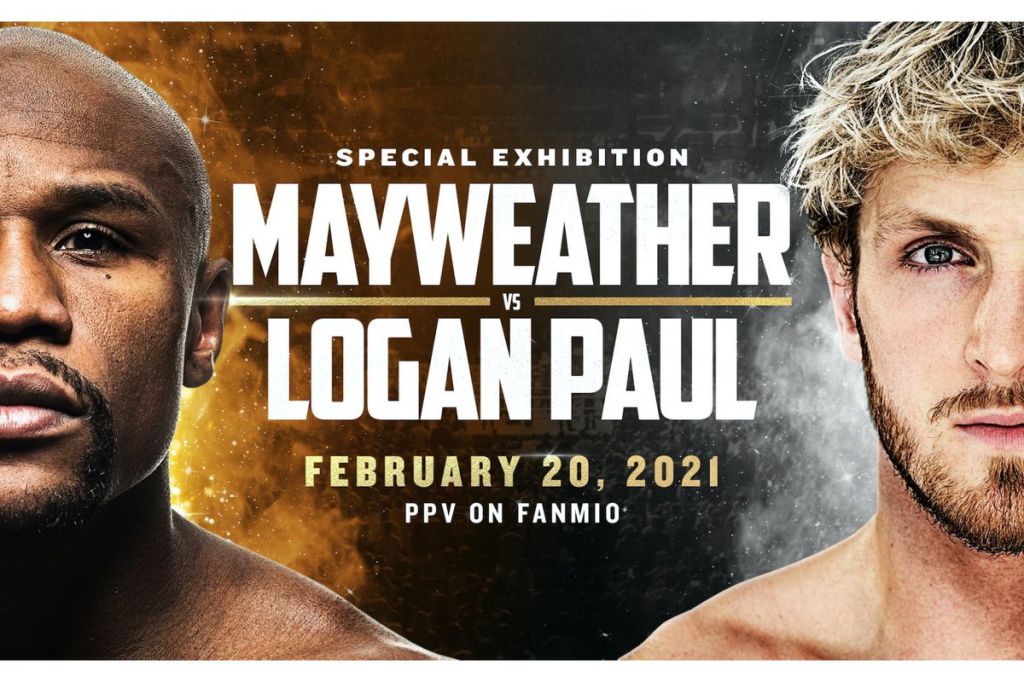
His choice to leave school to become a YouTuber full-time worked out very well! Since then, he’s headlined the largest white-collar fight of all time, an event at The Staples Center and is in the pipeline to fight 50-0, Floyd Mayweather.

The YouTube boxing trend has rapidly accelerated Logan’s profile across combat sport. He trained with boxing World Champion Shannon Briggs for his rematch against KSI in 2019. He’s sparred with UFC fighter Paulo Costa alongside receiving a call-out for a wrestling match by Conor McGregor’s training partner, Dillon Danis.

https://www.theverge.com/2020/12/6/22158034/floyd-mayweather-logan-paul-fight-date-announced

The exhibition with Floyd was due to commence in February but is now postponed. The occasion will be broadcasted across US TV Network, Showtime, magnifying Logan Paul’s brand onto the next layer of culture, sports and entertainment.  

Boxers crossing over into wrestling has proven lucrative. Floyd Mayweather took on The Big Show in 2008, where 74,000 fans attended; Floyd took home $20 million and over 20 million YouTube views were acquired from the event’s footage. British heavyweight, Tyson Fury, took on Braun Strowman at WWE’s Crown Jewel in 2019. Fury reportedly walked away with $15 million, and the fight footage on YouTube also gained 20 million+ YouTube views.

Boxings appetite for exhibitions synergises with the business model of WWE. Both sports are entering into becoming entertainment entities to get a firmer grip on the next-gen. Therefore, Logan Paul will be pivotal for this transition for WWE to draw in tech-savvy audiences from YouTube and his sporting initiatives.   

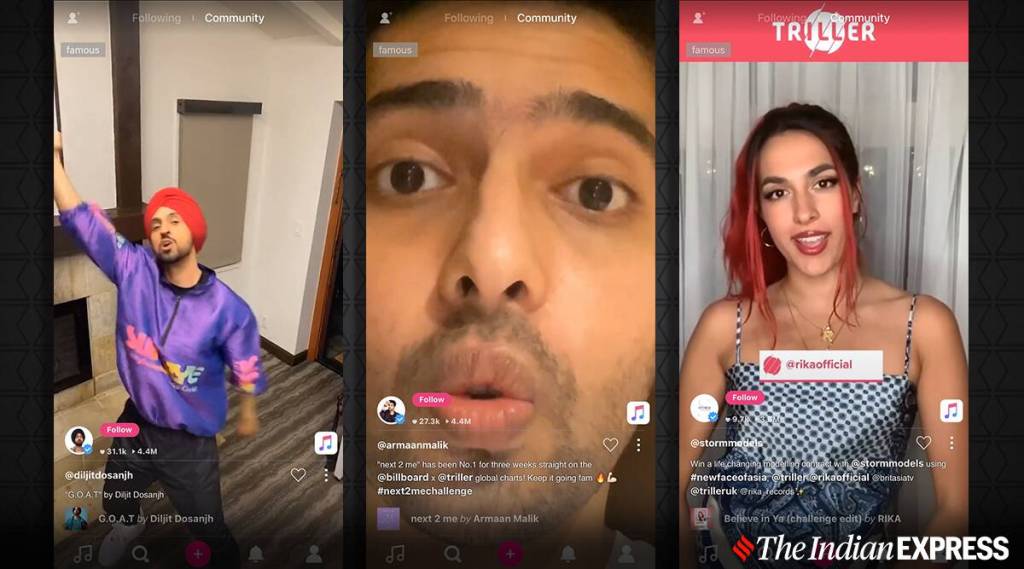
WWE joins many sports properties riding the culture wave of entertainment-led sport. Video-sharing service, Triller, created a celebrity boxing league called the Triller Fight Club. Their rivals, TikTok, formed sport-related partnerships with global football governing body, UEFA, and MMA promotion, the UFC.


Logan Paul has helped WWE pivot into a new era of sports culture through his impressionable following, rapidly growing combat sports profile, self-promotional personality, and wrestling passion.

Exclusive Interview with Ameesh Manek: Global sports industry leader

This week, I’ve spoken with the former Head of 1st Team and Academy Football Operations at Arsenal FC and the previous Independent Board Director at Basketball England. Ameesh has had an interesting sports career that transcended from a corporate career. However, his passion for sport proved too strong, which finds him discussing his career journey with me.

Question 1: Ameesh, it’s a pleasure to have you on Ash’s Sports Talk. Let’s kick this off by understanding how your sports industry career began?

Thanks for having me on. It’s been a long journey that started 15 years ago. I’d just turned 30, was enjoying life and my corporate career, but I asked myself what more could I achieve in life. I wanted to do something I was passionate about and break new ground. Sports business got stuck in my head during this process as it was uncharted territory at the time. So, I created a life plan on a spreadsheet to map out my approach to transition from the corporate world to the sports world.

To get there, I began building a network to get to know people from the inside, which turned out to be a ten-year journey. In 2012, I joined Basketball England’s board for two years and decided to swap the basketball court for the football pitch by joining Arsenal in 2015.

Question 2: You’ve had an unconventional route into the industry from working at Mitchells & Butlers and Barclays Bank as well as gaining an MBA at London Business School. What can you share about the power of transferable skills from a traditional route into the sports sector?

From my perspective, sport is a mixture of art, science and leadership. Not everyone can coach a team or help a player reach their maximum potential. Similarly, no one person can coach and be a master of digital, sponsorship, business development etc. The industry needs broad leadership as nobody can be an expert in everything; so organisations should focus on bringing a balanced skill-set together.

To work at the higher-end of sport from non-sporting background, you need to earn credibility and prove you can adapt your business skills in the right way. It was challenging coming into Arsenal’s training ground from working at a global bank in Canary Wharf! Although, once I learnt more about the environment and its challenges, I was able to build a bridge between sport and the corporate world. I came to sport from the corporate sector, and was able to successfully earn credibility at the training gound and in the Boardroom – that made me unique.

Sport is an intense industry from a scheduling, emotional and global scrutiny point of view. Therefore, planning for the organisation to effectively navigate that intensity and volatility was something I became quickly recognised for, alongside utilising business management processes to enable good decisions even when the pressure was on. 

Question 3: I’d like to re-visit your time at Basketball England while you were their Independent Board Director. What did your role involve, and how did this inspire your co-found BBALL UK?

I joined Basketball England as a Non-Executive Director. I had recently left Barclays Bank and was doing an MBA at the time. The board tasked me to lead a strategic review of the sport and provide recommendations on how to create a sustainable British basketball eco-system so it could recognise its huge potential in the UK.

I consulted with the main stakeholders in basketball including the British Basketball League, club owners, National Governing Bodies, Sport England, UK Sport and a number of influential grassroots organisations.

The review found that the dysfunctional relationships between all the key bodies in British Basketball was due to them all competing for the same scarce government funding and recommended the raising of private investment to achieve financial sustainability of the British Basketball pyramid – grassroots, professional clubs and league, and elite level (Team GB) – which could then act as a platform for growth in revenues to reinvest back into the sport.

I was appointed interim co-CEO of Basketball England (while a new CEO was recruited) leading the NGB’s 30-staff organisation, carrying out a people audit and operating model review; presenting Basketball England’s funding application to Sport England; appointed as a Board Director of the British Basketball Federation to support the creation of a new governance structure; and building relationships with the professional club owners and the league to raise private equity investment.

When the new CEO was appointed, I was asked to give transition support which gave me six months to improve my basketball knowledge, and it had huge potential.

This is where BBALL UK came to life. I started working on a commercial proposition to maximise basketball’s social, commercial, entertainment and sporting potential. I then co-founded a start-up to raise investment for Basketball.  Unfortunately, the key stakeholders in British Basketball didn’t have the appetite for change or to realise the investment so it didn’t go any further, which led me to join Arsenal.  

Question 4: Moving onto your time at Arsenal FC. What were your responsibilities, and what were the fundamental values that saw you stay there for five years?

My first role at Arsenal was working with sporting and technical heads to improve the academy further. The competition and quality of academies have improved vastly in the last 20 years. There’s been a tremendous amount of investment in academies because they’re under the financial fair play thresholds, and if you can scout and develop the right players, they can prove very lucrative long-term assets. Arsenal’s academy approach was to create a strong pipeline of talented players for the first team so it was a really interesting time to join them.

A big part of my work was to facilitate the creation and implementation of a new academy strategy that focused on players’ holistic development rather than just technical development. I was responsible for creating a more collaborative culture that involved building a new fit for purpose operations function to ensure technical areas could truly maximise their impact on player development. I also supported the re-development of the club’s training ground. I had a more generalist role compared to other staff specialising in technical and sporting functions, while also creating a bridge between the football and corporate departments. This helped create a more ‘Arsenal’ approach rather than an approach based on individuals.

When Arsenal went through a change at the first-team level, I was promoted the first-team and worked closely with the Technical Director, 1st Team Manager and the Corporate and Commercial team to support the elite programme. I was responsible for Team, Player, Commercial and Media, Training and Matchday Operations which saw me travel with the team every day and manage players off the pitch. This meant I worked closely with senior management to ensure players met their broader responsibilities to the club.  

From a values perspective, Arsenal has a set of values – Be Together, Act With Class and Always Move Forward. I believed these were strong values and from a personal development standpoint, I was given an opportunituy to make a positive contribution to the sporting side of the club in senior roles (rather than on the corporate side) which is an opportunity that hasn’t been afforded to many people from ethnic minorities in this country.  I was proud to be one of the first to do this and I hope that it means that many more will follow.

Question 5: From an operational standpoint, what synergies and contrasts do basketball and football have with each other? Plus, do you feel one sport could benefit significantly if it adopted something from the other?

They’re professional sports that both face the challenge to effectively manage the sector’s intensity and the need to constantly perform outstandingly. They both receive enormous media profiles which get scrutinised daily, which creates a substantial amount of emotion. It’s like working for Apple, and there’s a new product launch every week.

Regarding contrasts, The NBA and NFL both make more revenue than the Premier League. The NBA teams player salaries are a higher proportion of their income than at Premier League clubs. NBA teams can afford to do that because their business operations cost less and are more efficient than at Premier League clubs. This demonstrates that there is more room for efficiencies in football and that football can learn from the NBA and US sports.

There’s a tendency to hire many specialists across the board in football, with a particular bias to people with football qualifications and playing backgrounds.  This often deprives attention away from the bigger picture. That’s an opportunity where football can become more efficient – in terms of decision making, layers of people, integrating sporting and corporate disciplines –  by having people with a more balanced and broader skillset in their organisations.

Question 6: With any successful sports career, there comes an array of challenges. Would you mind sharing some of the adversities you’ve faced during your sports career? Also, how did these experiences mould you into a more resilient asset?

It’s really tough having a sports career because it’s an uncertain place. Fundamentally, there are 90 professional football club businesses in the country that employ between 60-600 people. The number of jobs are pretty limited, making getting into the industry difficult, especially if you don’t have a playing or coaching background.

I’d love to say you can find lots of jobs online, and if you’re talented and keep applying, you’ll get a position. However, this wasn’t the case for me. Instead, the key was networking. I spent ten years getting to know people who helped me land my first role. And I had spent quite some time volunteering and earning far less than I did in Banking to do this. Your network will eventually get to know your skills and capabilities, which could influence them to refer you for a position that’s coming up. That’s how it worked for me. 

Getting in is hard enough, but staying in the industry is also challenging. Unless you give yourself time to soak in the environment, you can come unstuck quite quickly. Don’t worry about making an impact straight away; instead, focus on building relationships. It’s about building empathy with the environment and the people who have spent their whole career in it. Be prepared for people not liking your input straight away, and be prepared for the nastiness that may follow.

Thriving in sport is even tougher.  The odds are against you. Therefore, build relationships, work to a high standard, build your profile, your brand name and your network.

Also, ask why you want this. There will be a lot of downs in your journey so your resilience comes from having a bigger goal than yourself. For me, I’d love to succeed in sport to make it a smoother process for the new generation of talented and capable sports enthusiasts to come into the industry – particularly from diverse backgrounds.  To play my part in creating more meritocracy in the sports industry, that’s the bigger goal that keeps me motivated despite the challenging journey.

Question 7: Ameesh, reflecting on this discussion, what is your killer piece of advice for someone wanting to pursue a career in sport?

Patience and relationships. Be prepared to make life sacrifices as the industry operates seven days a week and 11 months a year. Sport is an uncertain career too. If you thrive in uncertain circumstances, in adversity and have resilience, then the industry could for you. However, if you’re here because of it’s prestige and glamour, then it’s not for you. You’ll feel burnt out too quickly. Working in sport is a life experience that takes a lot of patience and hard work.


Wow, what an authentic and inspiring interview with Ameesh. Many talk about the joy of working in sport, but it’s essential to recognise the adversities during your adventure. However, there’s always a chance to transcend those adversities into positives that can make you a more vital asset not only in sport, but in your life journey.

Mojahed Fudailat’s UFC parody series: a lesson in meme marketing

Mojahed Fudailat is a short film and animation maker known for producing UFC parody videos. He’s become a viral sensation amongst the MMA community with 297,000 YouTube subscribers, 315,000 Instagram followers, and 33,800 Twitter followers. He’s followed by major brands and personalities across combat sport, including UFC Champion, Kamaru Usman, British broadcaster, BT Sport, and Mayweather Promotions. What does Fudailat’s passion teach us about the power of meme marketing?

Memes are great storytellers for new audiences

The video graphics Mohajed creates have an eye-catching appeal. They’re hysterical and realistic and would work well if the UFC ever considered pursuing a cartoon series! These traits make his videos comprehensive towards younger audiences who may not be traditionally enticed into Mixed Martial Arts (MMA) content.

Fudailat’s content frequently gains more YouTube views than most UFC official highlights. The recent UFC Vegas 22 highlights between Dereck Brunson vs Kevin Holland acquired 146,000+ views, whereas Fudailat’s parody accumulated 201,000+ views. This demonstrates that meme marketing tactics provide an alternative avenue at storytelling to a broader audience.

Work with the algorithm

Memes are arguably the most sharable content on the internet to date. The funnier the meme, the more traction it will likely receive. Once the content is shared, it will likely be saved on whatever app it’s engaged on, which is also highly favoured by Social media algorithms. Mojahed’s content creates a unique emotional connection through his hysterical storytelling, which increases the likelihood of his work being shared and saved.

Cultural relevance is key

Remaining culturally sensitive is fundamental to drive optimum engagement. Mojahed’s content is influenced by UFC events with a twist of comedy influenced by entertainment culture icons. He delivers this through producing audio clips, voice recordings, and even special characters through the UFC themed videos. These assets come from personalities who aren’t typically associated with MMA. This meme marketing incentive bridges the gap closer between the UFC and other subcultures to leverage further reach to other culture-graphics in and out of sport.  

Mass media exposure

Over time, Fudailat has gained publicity from MMA commentator, Joe Rogan, reacting to his content. Mojahed has feated on podcasts such as Pure Evil MMA and My MMA News. This shows the demand and attention effective meme marketing can bring to a mass-market.


Mojahed has illustrated the power behind sports meme marketing to utilise optimum engagement through creating shareable and culturally relevant content. The ability to tell a story to a younger audience holds formidable leverage for many sports brands.

Exclusive Interview with Angus Martin, CEO of The Asian Sports Foundation

Angus Martin is a sport for development extraordinaire who has previously worked across community sport with a hint of advertising. He’s a pivotal figure in promoting opportunities with the Asian community to get more physically active alongside supporting several charities with producing an impact across the grassroots sports landscape. Angus touches on how the sports industry journey began, the ambitions he has for Asian sport alongside his killer piece of advice for the next generation of industry leaders.

Question 1: Angus, it’s brilliant to have you on Ash’s Sports Talk. Let’s start this off by understanding how the sports career journey began for you?

It began by studying sport and media at Leeds Trinity University. While I was there, I did a placement at the National Coaching Foundation (NCF-now sports coach UK), which helped build up valuable skills. I also undertook a placement at an advertising agency in London. It didn’t have much to do with sport, but I worked there during the Euros in 1996! After graduating in 1998 something called Brazilian Soccer Schools was becoming introduced across Leeds, a new football coaching way. I gradually got involved as a coach which led to running a school as a franchisee. On the side, I worked as a fitness instructor for a year which gave me the flexibility to build up my involvement with Brazilian soccer schools.

I did some fantastic things with Brazilian soccer schools which headed my sports career towards the English Football League Trust (EFLT) as their regional manager for the Yorkshire and North East. My role involved developing partnerships and linking sport and education with degree programmes.

My sports career passion began to grow more towards the grassroots side of the game. I started having conversations with networks I built during my time at the EFLT and produced ideas of starting my own company, which now see me as the Director of The Name of The Game and supporting the Asian Sports Foundation as CEO.  

Question 2: Revisiting your education, you studied a degree in Law but pursued a sporting passion. How beneficial was your law degree from a knowledge perspective for your sports industry career?

Studying Law was interesting as I did it while I was at the EFLT. The driver behind it was the EFLT being highly reliant on the Premier League for funding. One day, we were sat in a room and were told we would be made redundant, and I remember the feeling that I never wanted to experience again.

This circumstance inspired me to take on Law, particularly with financial fair play being an instrumental factor in establishing equality in the game. Plus, it’s been helpful to step up the support my company can provide for charities as understanding legal processes aren’t the most comprehensive things to pick up in the grassroots game.

Question 3: I’d love to hear more about your role at The Name of The Game. What does the organisation represent, and what does the future ambition hold for the company?

It’s run by solely myself, and it came across as I identified after my work at the EFLT, I needed a new challenge. As I said, I enjoyed being a regional manager, but my passion began to grow for the grassroots game. Hence, I’ve formed this organisation to focus on charities attached to sports clubs to grow those organisations to become more sustainable. I enjoy getting heavily involved with supporting others to achieve their ambitions. I’m a big believer in the stronger a partnership, the easier the funding opportunities are.

Question 4: What does The Name of The Game do differently to other sports capacity builders, and could you share some of the impacts you’ve created in community sport?

I’m eagle-eyed at spotting opportunity. I don’t see limitations, regardless of whether the sport may be engaging, the possibilities are already endless. Some time ago, I received funding from the Houses of Parliament, and I was told that they initially wouldn’t be interested in my proposal. Still, I managed to convince them that sport could be an effective mechanism for getting their message across.

I have a comprehensive idea about things taking place around community sport in the UK. This helps me bring concepts to the table to improve the chances of funding for several organisations. For example, I linked up a sports organisation to work with armed forces veterans to deliver sporting interventions to support their training regimes. This has proved useful on multiple levels and is part of the way I work; I try and support both the development of the ideas and concepts and sourcing the means for these organisations to deliver the projects eventually.

Question 5: I’m keen to hear about your work with The Asian Sports Foundation. Where did the inspiration stem from and how proud are you of the achievements made within Asian sport?

Not long after starting my own business, I had come across The Asian Sports Foundation’s work and their chair Jug Johal. I thought there could be some links between some of the clubs I was supporting and the ASF, most notably Bradford City, so I arranged to meet with Jug to find out more. Jug had done a great job of getting some high profile and influential people on board as trustees. Still, Jug has a senior role in the NHS, and there was no one actually to drive forward the ideas daily, and equally no funds in place to pay anyone to do this.

Long story short, Jug asked if I wanted to be the Chief Executive and whilst there was no pay involved, I was happy to help as there are lots of links between my work with The Name of The Game and I could see massive potential in what Jug was trying to achieve. I was convinced there was a real need for an organisation like the ASF.

Our work is aimed at getting more people active and taking part in sport, and physical activity and whilst the main focus is on South Asian communities, an essential aspect of our approach is also on bringing communities together to break down barriers and promote better cultural awareness and understanding.

The ASF has three key pillars to our work – research and insight, training and the delivery of impactful projects through our partnership network.

We’re always trying to gain more insight into why particular groups or communities aren’t participating in sport as much as others. This work continually contributes to how we design projects. We’ve made good progress each year, including increased support from Sport England and more funding from the health and wellbeing sector.

Question 6) What further ambitions do you have for Asian sport and what has been the biggest learnings you’ve gained about the Asian sporting community?

The most significant learning has been that one answer doesn’t fit all. We need to listen to those on the ground level to optimise physical activity participation. We’re taking baby steps at the moment, but there are lots of concrete interventions taking place. We’re working on a substantial project in Bradford targeting distinct areas which can break down barriers to strengthen community engagement and promote physical activity and sport as the norm.

Income is another priority for the future as we want to increase our collaborative partnerships but don’t have enough funding to deliver these aspirations. Plus, optimising our equality and diversity training is essential too as we want to be a part of the solution for sport for development.

Q7) Angus, reflecting on this discussion and your career, what is your killer piece of advice for someone wanting to pursue a career in sport?

It’s tough to work in sport which I’ve shared when I’ve delivered guest presentations. For sure, it’s an attractive industry to work in, and most people become tied into thinking they’ll get rich by pursuing any role in the sector. This isn’t the case, you’ve got to work very hard, I know its cliched, but not many people do this long-term. Learn about your competitors, stay prepared and develop an outstanding work ethic, and you will stand out.


Incredible, it’s always refreshing to speak with someone who has produced a substantial amount of impact across community sport. It’s quite unbelievable how much work Angus has going on across the sporting landscape, but I could tell he loves what he does, which is the key message I took away from this chat. Once you find out what you love to do; you’ll be okay with going the extra mile to make an impact.

The AST wrap-up: Influencer boxing, sports crypto and more!

It’s coming towards the end of March, but it can’t end without an edition of the AST Wrap-up! YouTube boxing has evolved onto another scale. LeBron James continues to stay business-savvy with his latest move. Major League Baseball continue to prioritise YouTube content to optimise fan engagement. DHL and Formula 1 seem inseparable, and Socios.com sign up a Premier League giant.

YouTuber’s and TikToker’s collaborate for a mega boxing and entertainment event

Music streaming platform, LivexLive, will present “Social Gloves: Battle of the Platforms” for an unorthodox boxing card amongst online creators. Some personalities featuring this mega sport & entertainment event include YouTubers Deji, Austin McBroom, and Tanner Fox alongside TikTok sensations Bryce Hall, Nick Austin and Taylor Holder. Live music performances will also occur throughout the card.

Chairman and CEO of LiveXLive, Robert Ellin, is confident this card will be the highest Pay-Per-View (PPV) event in history. He previously helped organised the KSI vs Logan Paul card in 2018 at the Manchester Arena, which acquired 1.2m PPV buys.

Social Gloves: Battle of the Platforms could prove a colossal mix of celebrity, social media, tech, digital and pop culture, which entices a new wave of fan engagement in the sports industry.

LeBron James joins forces with Liverpool FC owners, FSG

The National Basketball Association (NBA) star has become a part-owner of Fenway Sports Group (FSG), who are parenting Premier League champions Liverpool FC, and Major League Baseball’s Boston Red Sox. RedBird Capital Partners is reported to invest $750m in FSG, making LeBron and long-time business partner Maverick Carter the first black shareholders of the global sports holding firm.

The global marketing firm Fenway Sports Management (FSM) previously worked with James and Carter for over ten years relating to promotional endorsements. RedBird’s investment will ensure FSM an 11% stake in FSG, valuing the company at $7.35bn.

The LA Lakers player has roughly earned £1bn throughout his career and has desires to enter team ownership.

Major League Baseball and YouTube extend their partnership for another three years

https://adage.com/article/media/googles-youtube-stream-live-major-league-baseball-games/2167816

The 2021 Major League Baseball (MLB) season will see 21 live games stream through YouTube for the next three years. Matches confirmed so far include the Tampa Bay Rays vs Boston Red Sox on the 7th April, LA Angels vs Houston Astron on 22nd April and Minnesota Twins vs Cleveland Indians on 28th April.

Games are accessible on any device through smart TV YouTube apps, the MLB YouTube channel or the league’s committed channel through YouTube TV. A new feature called ‘YouTube Player of the Game’ will allow fans to receive a trophy during postgame content this year. Plus, live chat forums, in-game polls and sports-focused creator commentary during games will be available through the partnership.

MLB and YouTube joining forces play an instrumental part to showcase MLB’s story to new audiences through personalised fan engagement initiatives.

DHL remains the Official Logistics Partner for Formula 1

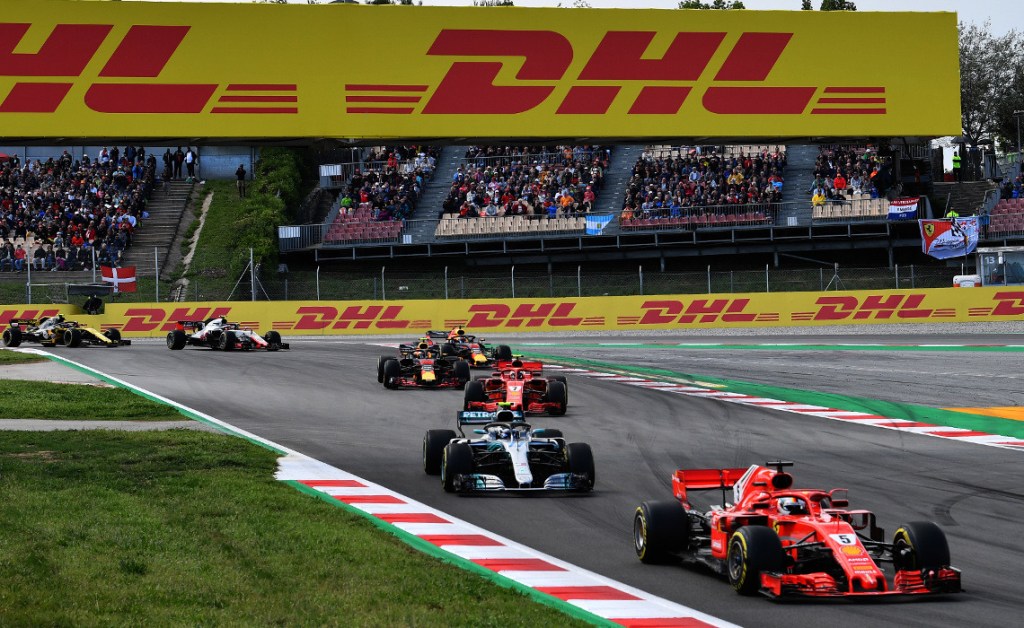
The global courier has extended its involvement with the leading motorsport championship where DHL will remain the tournament’s ‘Official Logistics Partner. Since 2004, the two parties relationship has spread across 1,000 races and now will see DHL ship over to 23 countries on F1’s racing calendar.

The collaboration will involve DHL continuing their offer for two awards to teams and drivers for the DHL Fastest Lap and DHL Fastest Pit Stop Award in Abu Dhabi at the end of the season.

DHL are Formula 1’s longest-standing international partner. Over four decades, DHL and F1’s common values have engaged them together, leaving the shipment firm confident of defending their title between each race.

Manchester City become the latest club riding the sports crypto movement

City x Socios.com partnership: https://www.planetfootball.com/quick-reads/man-city-join-euro-giants-in-launching-fan-token-to-engage-supporters/

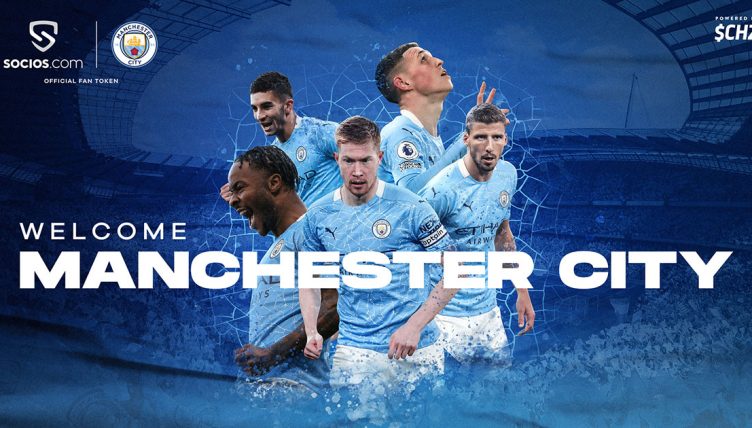
The Premier League giants will launch fan tokens through socios.com through a partnership with fintech blockchain firm, Chiliz. City fans will access $CITY fan tokens which will involve tradeable assets to gain exclusive rewards and voting rights through the socios.com app.

Socios.com has pioneered the sports crypto movement, where over 24 properties are listed through the platform, including FC Barcelona, AC Milan, Juventus, and Paris-Saint Germain. The platform aims to establish more tokens across the UK, Asian and South American territory throughout 2021.


That’s a wrap! I want to know your thoughts.

  • Will YouTuber’s or TikTokers be more influential for driving in sales for ‘Social Gloves: Battle of the platforms?”
  • Will LeBron fulfil his dream of eventually owning a sports team?
  • How impactful will MLB’s collaboration with YouTube prove for fan engagement?
  • How much longer will DHL and Formula 1 continue their partnership?
  • Who else will join City in the sports crypto movement?

How has Israel Adesanya transformed into a marketing powerhouse?

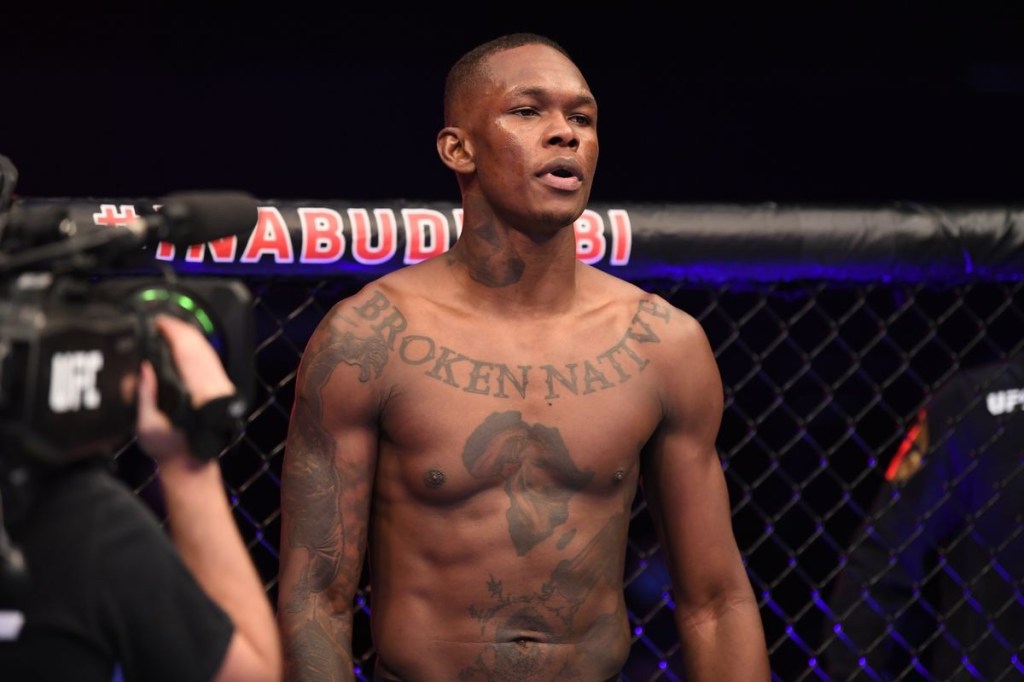
Israel has made a significant name for himself with 21 fights in his MMA career. Even though he suffered his first loss at UFC259 against light heavyweight Jan Blachowicz, Adesanya has gained much respect for his courage to step out of his traditional weight class. He’s proven to be a decorated striker, a cultural phenomenon and an influential figure for the UFC. So, let’s explore the impact these assets have on his marketability.

The story of Adesanya

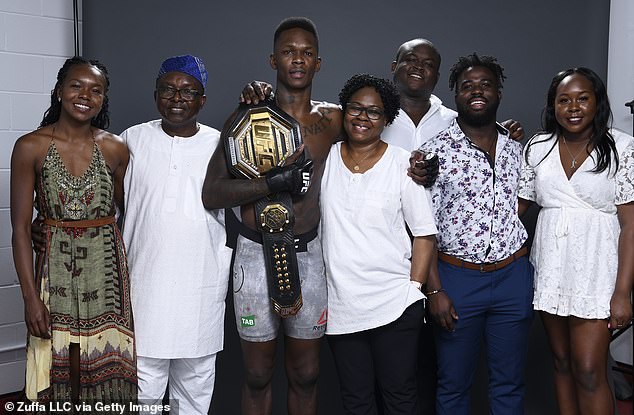
New UFC middleweight champion Israel Adesanya was just 10 when his family uprooted him from Nigeria to an all-white school in New Zealand (pictured with family): https://www.dailymail.co.uk/news/article-7544807/How-racist-abuse-petty-bar-fight-inspired-Nigerian-teenager-living-New-Zealand-UFC-stardom.html

Izzy was born in Nigeria but raised in New Zealand. As a youngster, he pursued kickboxing, where he fought multiple times in China. Now, he’s an established global MMA star.

Adesanya brands himself as ‘The Last Stylebender’. The Nickelodeon show, Avatar, influences this. He’s also openly expressed his passion for anime and how it energises him when stepping into the Octagon. Israel’s mentioned he’d drawn strength from the Japanese manga series Naruto. He was encouraged by the characters upbringing, will power and morals. Izzy’s anime passion could stretch to his post-MMA dream to own a production company.  

Anime and UFC content acquire over 100 million viewers worldwide. Adesanya’s uniquely drawn two diverse audiences together through his personal interests, which could lead towards monetisation opportunities.  

The Pay-Per-View keeps rising

UFC259 featuring Adesanya vs Blachowicz accumulated 800,000 international Pay-Per-View (PPV) buys, which held two other title fights. Before UFC259, he beat Brazilian MMA fighter Paulo Costa, which gained 700,000 PPV sales. The rise in sales demonstrates the last stylebender is becoming a pivotal figure for MMA’s leading competition.

Puma deal

The Nigerian born had become the first MMA fighter to pick up a deal with Puma last year. Izzy now joins a high-profile roster of athletes sponsored by Puma, including Manchester City footballer Sergio Aguero, US golfer Lexi Thompson and NBA star Kyle Kuzma. Previously, it was seen as unattractive to support a UFC star.

The sportswear brand intends to utilise Israel in its global marketing activities by promoting their and Izzy’s shared-values of pushing boundaries, remaining innovative and staying authentic.

This deal sees the 20-1 fighter’s net worth sitting in the $2 million region. This collaboration opens doors for other upcoming UFC fighters to secure contracts with significant sports properties, which has previously been a challenge.

Unfiltered Authenticity

UFC sponsor, Monster Energy, has received much critique from some fighters, particularly Israel Adesanya. A clip emerged from the Adesanya vs Whittaker card, which presented Izzy whack a monster energy drink on his table out of sight. Allegedly, Monster Energy associate, Hans Molenkamp, has tried persuading Adesanya and some other fighters to promote the brand in counterfeit ways.

Adesanya has unassociated himself with Monster to honour his integrity. This doesn’t only set a positive example for his audience to value personal honesty. It can attract significant brands like Puma to correlate themselves with the 20-1 fighter due to his truthfulness.

Izzy’s recently signed up for a sexual content subscription service, OnlyFans. This platform’s creators can share exclusive videos, photos, and direct messages with their users for a fixed price. It’s arguably not the most authentic move. However, it’s a compelling incentive to gain monetisation.

Nigerian and New Zealand heritage

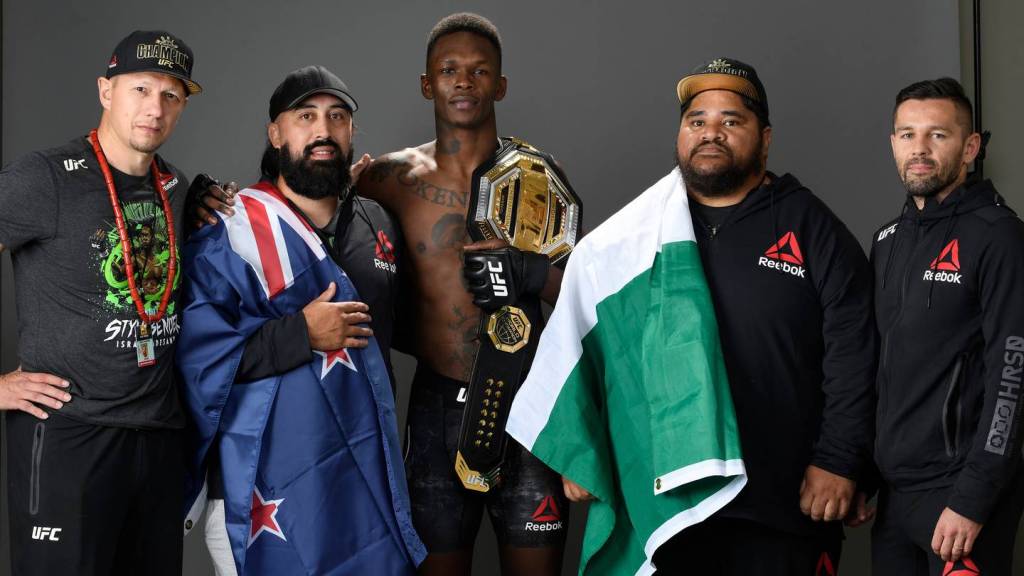
Israel Adesanya and his team pose for a portrait backstage after his UFC 248 victory. Photo / Getty

Israel’s roots stem from two countries that are over 16,000 km from each other, New Zealand and Nigeria. Both cultures are substantially diverse. However, Adesanya once again combining two audiences to embrace his representation in combat sport.

Izzy often embraces his Nigerian roots in the Octagon through his breakdancing entrances, speaking the native language and walking out to Nigerian music. He pays much homage to his homeland as he visits local communities across the country.  

Cultural sensitivity has become a significant driver for commercial brand awareness. Izzy brings two completely different regions together, contributing to his growing media image. 

Global brand ambassador for Stake.com

Israel Adesanya x Stake.com brand ambassador announcement: https://insidersport.com/2021/01/20/the-ufcs-middleweight-king-combines-with-stake-com/

The Nigerian and New Zealand native has recently become the global brand ambassador for crypto sports betting site, Stake.com. He’ll support the betting operative by promoting multiple sponsorship activations, including betting offers, VIP experiences and exclusive appearances.

The come up of both Adesanya and Stake.com has been meteoric. Stake.com are one of the leading operators in the newly emerged sports crypto space, similarly with Adesanya being the UFC’s cash cow. This keeps Izzy as a pivotal figure for the UFC to capitalise on the emerging sports trading era, further amplifying his global brand power.


So, how has Israel Adesanya become a marketing powerhouse? He remains true to himself; he embraces his diverse nationality through his sporting story and champions his passion for anime, opening doors for upcoming fighters to follow in his footsteps.

Exclusive interview with Justyna Tkaczyńska, MBA: Head of Marketing at the Polish Volleyball Federation

Justyna is a sports marketing guru who has been working at the Polish Volleyball Federation (PVF) for nearly three years. This interview see’s her discuss where her sporting passion began, what makes an effective marketer, an insight into her role and more!

Question 1: Justyna, it’s fantastic to have you on Ash’s Sports Talk. Let’s hit this off by hearing how your sports career began? 

I’ve been passionate about sports since I was a teenager. In the village where I grew up, there was a sports club, and I often watched athletes during their training. Once the coach asked me to join a training session, he discovered my skills which impressed him.  That’s how my journey with sport started. I trained in javelin throwing for a few years, then I was into bodybuilding, jogging, cross-fit and every kind of fitness, and finally yoga.  During all these years, I had opportunities to be an athletics judge and a bodybuilding coach. Before I started to work for the Polish Volleyball Federation (PVF), I had never been involved in volleyball, but it was love at first sight.  

Question 2: How did your external experiences with sport influence your skill-sets at the Polish Volleyball Federation? 

Sport has always been present in my life, and it’s helped me deal with every challenge, but primarily I think it’s helped me become a strong and confident person, not only physically. As I mentioned, it’s about the strength and power that you build through sport. It empowers all aspects of my life. Now I’m happy to work for the PVF with professionals who devoted their lives to volleyball, and it’s been a fantastic experience. What I love about sportspeople and what impressed me most is that they never give up and keep developing themselves all the time. 

Question 3: Your current position looks amazing. I’d love to hear more about what the Polish Volleyball Federation represents and what your role looks like? 

As the team leader, my ambition is to build a strong, integrated, creative and motivated marketing team that dares to reach for the boldest goals, just like our sports teams.

I’m responsible for creating and implementing the marketing strategy, planning and launching new initiatives to generate sales, increasing the inflow of quality partners and involved fans, and acquiring and cooperating with sponsors and partners. Of course, I’m also managing the marketing team. For every manager, managing a team is a huge task, but at the same time, the highest privilege.  

Last year was quite challenging for every sports federation. What I’m proud of the most is that we did everything we could do to give people the emotions connected with sport. Our main goal was to give our fans hope, a smile, and entertain them, and I think we achieved it. Our social media channels and the fan club attracted a large number of new members. Even the portfolio of our sponsors has expanded to include new brands. The most important thing is that all my team stays healthy, motivated and ready to face new challenges. 

Question 4: Marketing in sport is a strategy that is changing quicker than other business functions. What helps you stay ahead of the curve? 

I’m the kind of person that practices lifelong learning. I use many platforms to stay ahead of the curve. The most important thing is to be open-minded and keep your eyes wide open for upcoming trends. 

We are living in exceptional times. Social media platforms have become essential things in our lives. Especially during the pandemic, I have a feeling that everything in our lives is online now. But I don’t think that we should join every platform that emerges. It’s important to respond to the needs of your sponsors, fans, partners and to take into consideration the capacity of your organisation to manage everything professionally. It is better to have fewer platforms, but well managed, than all kinds of them led in a messy way.

A few weeks ago, I finished an online course at Toronto University – Communication Strategy in The Virtual Age. I hope to start a new one in March-  Digital Marketing course at INSEAD Business School. Being a good marketer means staying updated with the latest trends and trying to predict what’s coming. 

Question 5: From your experience, what makes an effective marketer in sport? 

The most crucial difference between the positions is that a marketer in a corporation has to spend its budget on marketing activities. The only concern is not to exceed the annual budget.  However, a marketer working for a sports federation has to earn that money to have a budget for marketing activities. The marketing department in a sports federation deals with much more than just marketing; among others, it is also a sales department and relationship department. 

I think that cultural sensitivity is essential for every person, not only for a modern-day marketer. We should respect every culture, appreciate the beauty of being different and appropriately deal with other cultures. 

My effective content recipe includes a bit of humour, professional graphic or video, positive emotion, and catchy copy to awake awareness. 

Question 6: From your time at the PVF, what makes volleyball in Poland unique to other nations and sports? 

Every sport has its attributes, and so do the fans. It’s the job of a marketer to find the proper way to attract the fans. The fans of volleyball in Poland are known for being the best fans in the world. There are huge differences between engaging a community supporting one of the most successful teams globally and a community that promotes a niche sports team or an athlete who is not as popular. 

I think that sponsors and partners attracted to volleyball understand that sport is an excellent tool for communicating with the market and building the brand around such qualities as success, positive emotions, passion and power. 

The culture of volleyball is team spirit, precision, unpredictability, emotions and far more, but the difference is the family atmosphere. Also, volleyball players are very hard-working athletes who fully concentrate on sporting success and not on media promotions or becoming celebrities.  

Question 7: With any successful career, comes an array of challenges. Could you share some of the career-related challenges you’ve experienced? 

The most dangerous obstacle in becoming a strategic marketing leader, or any other position, is only our mind. Nothing can stop you if you believe in yourself, strive for something more and work for it hard enough. 

I don’t feel pressure because of the position. I feel pressure because of the area entrusted to me and for its development and the fulfilment of my personal goals. It’s not about the title; it’s about the responsibility. 

It has been a long and bumpy road. I’m very grateful for every experience and situation that has helped me become the person I am now and where I am now. I’m very happy. It was hard, but it was worth it. The most important thing is to see every experience as a chance to grow and as an occasion for self-reflection. 

Question 8: Justyna, reflecting on this discussion, what is your killer piece of advice for someone wanting to work in sport? 

Keep concentrating on your goals, stay positive, work hard and never give up on yourself!


Incredible, what a thorough, powerful and passionate interview that was by Justyna. There are many lessons here that sports marketers MUST take away to elevate their skill-sets to new heights. It has been a long road for Justyna, but with sheer determination, curiosity and an undeniable work-ethic, she has proved many things are possible.

The AST wrap-up: Sky Sports, The NHL x ESPN and UFC259

Do you need a reminder of what’s been going on in sports business? Well, not to worry, I’ve got you covered! Sky Sports takes necessary strives to promote women’s sport actively. Rugby takes actions to combat sports integrity threats. There will be plenty more hockey available on ESPN, UFC259 Pay-Per-View (PPV) figures are out, and the NBA makes yet another lucrative partnership.

Sky Sports join forces with the Women’s Sport Collective

Partnership announcement between Sky Sports and Women’s Sport Collective: https://www.sportindustry.biz/news/sky-sports-partners-womens-sport-collective

The British broadcaster announced a partnership with the female sports network, Women’s Sport Collective, to leverage aspiring women to work in sport. This association has grown to own over 2,000 members under Co-founders Sue Anstiss and Kate Hannon. Each member commits to influencing change within the sports industry to enhance more inclusion in the sector.

The announcement couldn’t have come at a more convenient time than International Women’s Day earlier this week. Both parties values closely align to ensure every woman with aspirations to work in sport fulfils their potential. Sky Sports’ support to the cause means memberships to join the Women’s Sport Collective remain FREE.

MLR makes a major move into the sports betting landscape

MLR action shot: https://www.majorleague.rugby/news/front-office-sports-major-league-rugby-expansion-teams-bolster-nascent-league/

Major League Rugby (MLR) secured a lucrative partnership with sports streaming and data firm Genius Sports Group (GSG). GSG has obtained exclusive rights to capture, distribute and manage MLR’s official sportsbook data worldwide.

Non-broadcasted MLR games will be live-streamed with GSG’s network of sports betting partners. GSG will also help combat betting-associated corruptions through 24/7 bet monitoring, educational workshops and model rules and regulations.

This joint-venture proves a proactive initiative to manage regulated betting during MLR matches.

The NHL and ESPN seal a broadcast deal for seven years

The National Hockey League (NHL) agrees on a new 7-year agreement with US TV Network ESPN. The details include the NHL hosting four Stanley Cup Finals between 2022-2028 alongside giving ESPN streaming rights for games on ESPN+. Financial terms are yet to be reported.

Another significant change in the NHL’s US broadcasting arrangements are due to come with ESPN forecasted to split their rights with another broadcaster. US media firm, NBC, are negotiating with the NHL about lengthening their relationship, which could be announced early next week.

It’s currently unclear who ESPN could split their rights with. However, it’s anticipated that there will be heated competition between Fox and NHL to retain NHL content.

UFC259 brings in 800,000 PPV buys

UFC259 main event poster: https://www.mainevent.com.au/ufc/ufc-259-2109

Last weekend saw the UFC259 host three title defences between Israel Adesanya vs Jan Blachowicz, Amanda Nunes vs Megan Anderson and Petr Yan vs Aljaman Sterling. Sports Business Journal reported that 600,000 Pay-Per-View (PPV) were domestically bought across US territory alongside an additional 200,000 overseas sales.

This card exceeded Adesanya’s last fight against Brazilian MMA fighter Paulo Costa, which acquired 700,000 PPV’s worldwide. Izzy’s gradually developing into an instrumental figure to build serious PPV numbers alongside an influential audience to follow his story.

The NBA signs a ‘sweet’ confectionary deal

https://finance.yahoo.com/finance/news/nba-partnering-oreos-were-getting-145921690.html

The National Basketball Association (NBA) announce a multi-year licencing and marketing partnership with confectionary giant Mondelēz International. Brands including Oreo cookies, Chips Ahoy!, Nutter Butter, and Ritz Crackers will create multiple products and promotions with the NBA and the Women’s NBA (WNBA), NBA G League, NBA 2K League and USA Basketball.  

Boston Celtics, Chicago Bulls, Golden State Warriors, Los Angeles Lakers, Miami Heat and San Antonio Spurs will push the first activation, which entails limited-edition NBA Dynasty, Oreo Cookies. The two brands are planning to offer fans a chance to win tickets to an NBA All-Star Game next year.

The NBA joining forces with Mondelēz International strengthens the league’s bonds with its growing communities by creating priceless moments for fans and families.


That’s a wrap! Sky Sports aim to take Women’s sport to new heights; how beneficial will MLR’s partnership with GSG prove to combat betting corruptions? Could the NHL reach new audiences through it’s extended ESPN partnership? Could Adesanya become the UFC’s new cash-cow? Plus, have the NBA proved themselves to be the most progressive sports league under their new deal?

Has Triller forever changed boxing?

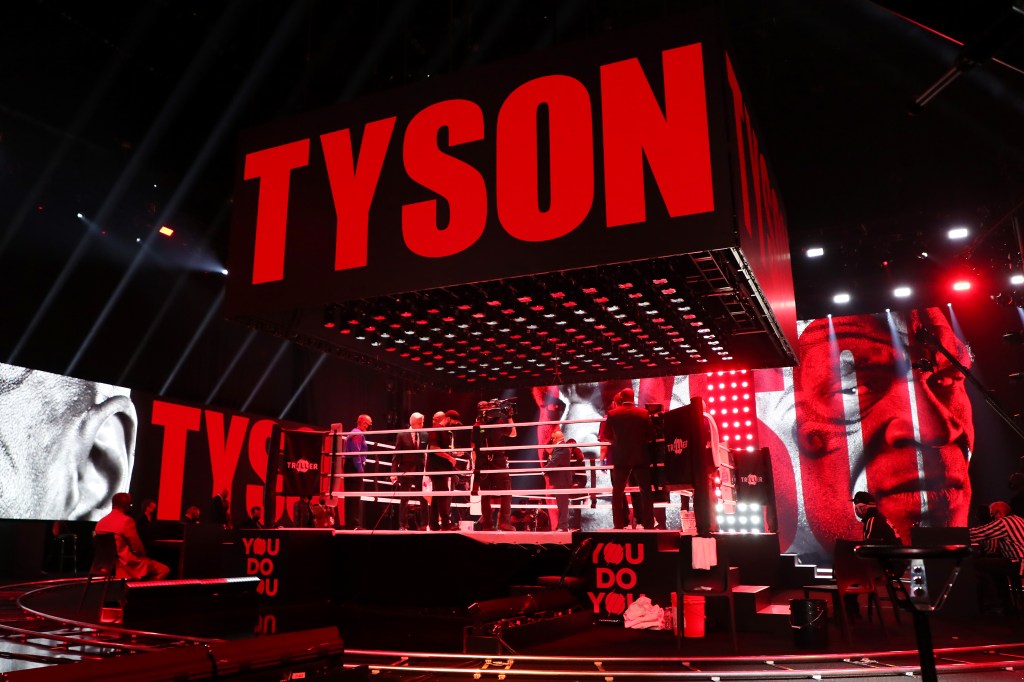
The video-sharing app is gradually becoming a pivotal figure in the combat sports scene. Hosting the legendary bout between Mike Tyson and Roy Jones Jnr showed the boxing world Triller are here to be taken seriously. Triller soon launched a celebrity boxing league called ‘The Fight Club’ in partnership with holding company Proxima and US rapper Snoop Dogg.

The app isn’t only enticing online personalities to boxing; they’re bringing traditional fights over to their channel. They recently outbid Promotional giants Matchroom Boxing and Top Rank for the undisputed title fight between Lopez and Kambosos this year. How has this all happened, and what does this mean for boxing?

The Los Angeles-based Triller is the latest short form video app to take on TikTok: https://bit.ly/3rCI6Fd

Triller is a video creation platform allowing users to create content synchronised with music, similar to TikTok. The platform has over 65 million users and 250 million downloads.

Triller co-owner, Ryan Kavanaugh, has always viewed the medium as an entertainment short-form platform. He refers to Triller’s demographic as a ‘culture graphic’, relating to anyone interested in R n’ B, rap and hip-hop music. Ryan identified synergies between boxing and the film industry. They’re controlled by a few people and have held the same commercial structure over a long period, causing them to lose an audience. Therefore, Kavanaugh was ambitious enough to approach the boxing world by utilising his entertainment background to regenerate boxing to a new audience.  

Tyson vs Jones Jnr

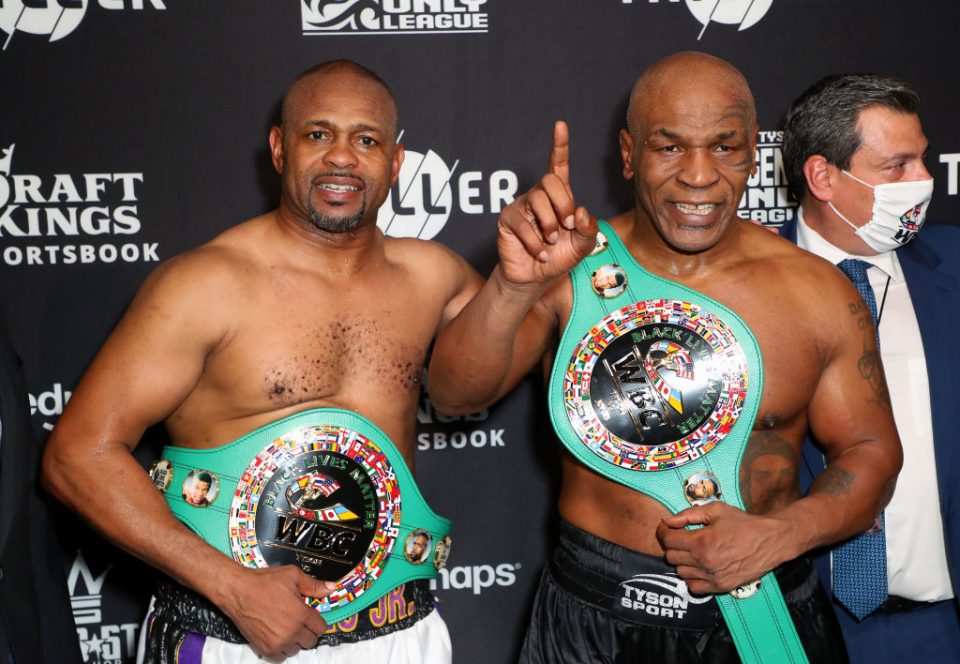
Triller made its first foray into sport by staging and showing Mike Tyson’s (R) fight against fellow veteran Roy Jones Jr (L) last month (Getty Images for Triller)

Tyson made it clear he wanted to return to the ring to face Roy Jones Jnr last year. Ryan exploited the opportunity by making this bout their first-EVER boxing event. This event was more than two nostalgic legends punch seven bells out of each other; it introduced a new culture graphic wave into boxing. The commentary panel was a testament to that, considering it featured Snoop Dogg with UFC middleweight champ Israel Adesanya.

Event entertainment included live performances from music icons Lil Wayne, Wiz Khalifa, French Montana and many more. YouTube star, Jake Paul, featured on the undercard where he brutally KO’d retired NBA star Nate Robinson. The event build-up included an exclusive Triller docuseries for Mike Tyson and Jake Paul, highlighting their training camps ahead of fight night.  

This event tapped into many audiences across rap-pop culture, YouTube, traditional sport and boxing through the personalities Triller brought together for this fight.

Triller earned approximately an astonishing $80 million from 1.6 million PPV buys. YouTube sensation Jake Paul reportedly contributed towards 40-50% of the total PPV sales. Tyson vs Jones Jnr became the first boxing match to break the 1 million barriers since Canelo Alvarez & GGG had back-to-back bouts in 2017 & 18. Each Tyson docuseries episode generated at least 2.5 million views. Iron Mike earned $5 million, with Jones Jnr walking away with $1 million from the occasion.

The aftermath of this revolutionary contest then saw Triller announce in collaboration with Snoop Dogg the formation of ‘the fight club’, a new celebrity boxing league.

Jake Paul: bridging the gap between MMA and boxing world

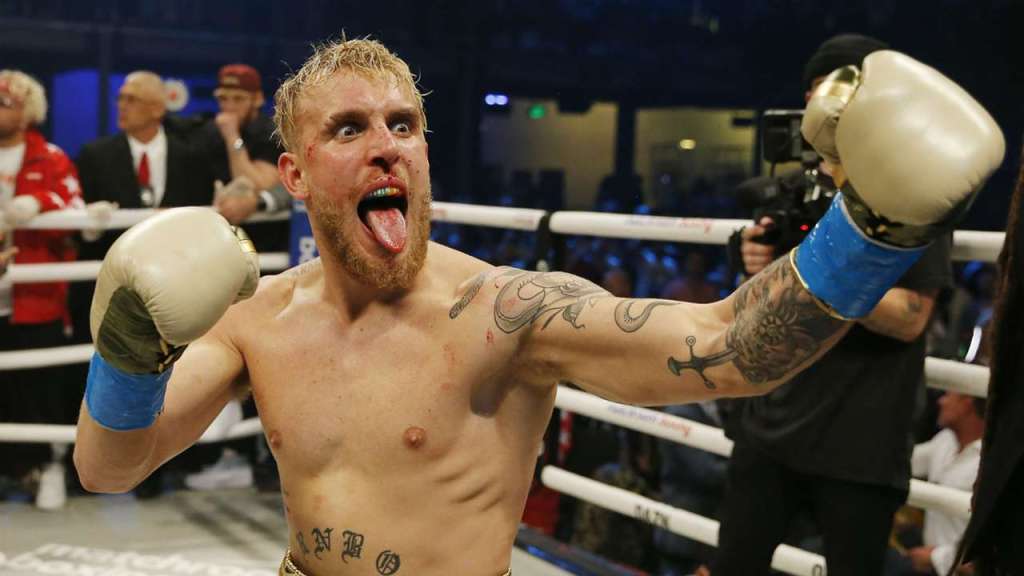
Jake Paul celebrating his win against Anesongib: https://edition.cnn.com/2020/01/31/sport/jake-paul-anesongib-knockout-spt-intl/index.html

What are the odds that a YouTuber would become a significant personality in boxing? Since becoming a 2-0 pro boxer, Jake Paul has been riding the self-promotional train like there’s no tomorrow. He’s been calling out and trolling a series of fighters for a boxing match. Some names include Conor McGregor, Tommy Fury, Dillon Danis, Nate Diaz, Ben Askren and Michael Bisping. These incentives soon found Jake the highest-ranked search result on Google for ‘Conor McGregor’, ‘Dana White’ and ‘The UFC’.

Now, the Ohio born will be fighting UFC veteran Ben Askren this April at the Mercedes Benz Stadium on Triller for a PPV price of $49.99. A week before this was announced, Jake did a live stream on Triller to tease he’s got a boxing opponent confirmed, which became Triller’s highest-viewed live stream.

Kavanaugh is confident Paul vs Askren will achieve 2 million PPV buys. If so, this will surpass PPV figures of the legendary bout between Tyson & Jones Jnr, and it will be one of the top 5 PPV events. On TrillerTV, Jake’s created a weekly series focusing on his rise to a pro boxer and reportedly has an exclusive Triller pre-fight docuseries coming soon.  

Kavanaugh has also confirmed the Paul vs Askren card will similarly be set up to the Tyson vs Jones Jnr event. Live music, entertainment and hysterical commentary from Snoop Dogg to build excitement for the primary occasion. Not only does this fight welcome a diverse set of culture graphics, but it’s also revolutionising boxing’s narrative through personalised and direct content. Trillers’ exclusive features involving TrillerTV, Triller live, and the docuseries empower this modern fan engagement approach.

Lopez vs Kambosos

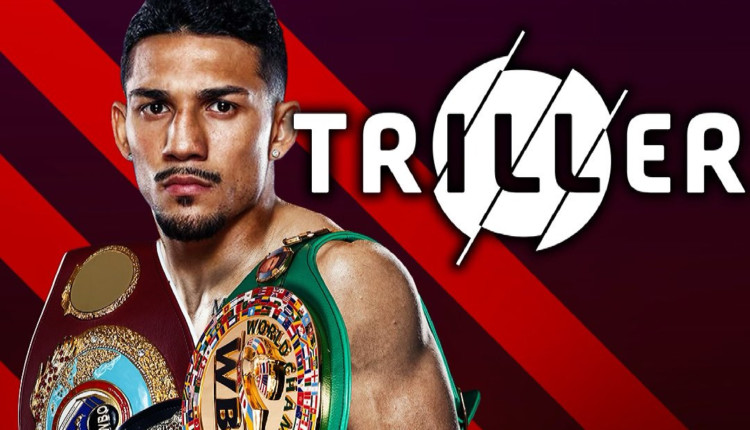
Teofimo Lopez’ twitter anoouncement: https://www.fightsports.tv/triller-wins-purse-bid-for-teofimo-lopez-vs-george-kambosos/

Earlier this year, the streaming platform made a shocking move by successfully outbidding Matchroom Boxing and Top Rank for the undisputed lightweight title bout between Teofimo Lopez and George Kambosos. Triller offered a whopping $6,180,000 compared to Matchroom’s $3.5m and Top Rank’s $2.3 million.

Eddie Hearn, Matchroom Boxing director, endorsed Triller’s move to demonstrate boxings value to drive new subscribers to a diverse platform. He’s quite right; this incentive engages two audience segments, including Gen Z culture graphics combined with traditional boxing fans.  

Talks have emerged of Mike Tyson potentially returning to fight again against US boxing legend Evander Holyfield. Kavanaugh is keen to get Lopez vs Kambosos as Tyson vs Holyfield’s co-main card if it happens.

How does all of this change boxing?

LOS ANGELES, CALIFORNIA – NOVEMBER 28: Mike Tyson enters the ring during Mike Tyson vs Roy Jones Jr. presented by Triller at Staples Center on November 28, 2020 in Los Angeles, California. (Photo by Joe Scarnici/Getty Images for Triller)

Triller is following DAZN’s footsteps to evolving streaming sites to significant competitors in the traditional broadcasting landscape. The Proxima owned-app has introduced a new next-gen culture graphic to boxing; this is an audience the sport has struggled to engage for some time. The narrative behind boxing events is changing to a more personalised and direct approach. Utilising in-app features where event personalities can create content to build an appetite for the primary occasion proves effective to keep boxing ahead of the digital curve.

Exclusive interview with Michelle Carney; CEO of the Special Olympics Great Britain

Michelle is a sport for development mastermind who has contributed towards life-changing impacts across charity and sport. She has a wealth of knowledge she’s shared in this interview surrounding the impact working in retail has had on her sports industry journey, the value of transferable skills, how she’s transformed challenges into opportunities for development and more!

Question 1: Michelle, it’s a pleasure to have you on Ash’s Sports Talk. Could you kick this off by sharing how your career in sport began?

I’ve always had a passion for sport. I grew up next door to Manchester United Football Club and was a mad football fan. My career started as a volunteer working in disability sport. I loved business as well, so I decided to mix the two. I spent over four years volunteering in disability sports development with Leeds Sports Development, then some time in the USA working with people with challenging behaviours and brain injuries. I came back to the UK and started working in the learning disability service before landing a role in Stockport developing sport for disabled people and young people from deprived areas.

I then headed off to Australia as a 23-year-old and managed a chain of Irish pubs. This gave me excellent management experience and commercial sector expertise. I loved it.  After two and a half years, I returned to the UK as I wanted to get back into sport (& to stay in Australia, I would have had to stay in hospitality).

I spent the next ten years working as a complex multi-sector leader, multi-stakeholder partnerships in sport, and started specialising in turnarounds – leading major organisational transformation. I decided to back up my professional experience by completing an MSc in Leadership & Organisational Change.

After a period of ill health, I decided to re-evaluate my life and looked at what else was out there.  It began the next stage of my career, where I enjoyed international development experiences, international sport for development and professional sport. Then I found this role at Special Olympics GB and finally landed where I was always meant to be. It brought my career full circle.

Question 2: You’ve evidently had a fantastic sports industry career, working at the Special Olympics, Kick4Life, Comic Relief and more! However, I also understand you worked at Bridie O’Reilly’s pub as a manager! I find this humbling and I’d love to hear about how this experienced had shaped up any skills, knowledge or competencies that you still apply to this day?

Travelling to Australia on your own at 23yrs of age teaches a lot about life, taking chances and being brave. I worked in hospitality from 16yrs of age as a waitress, bartender, and chambermaid in a local hotel. I’ve always loved working with people, and I believe all young people should experience working in the service sector.  It teaches you about customer service, patience, problem-solving and relationship building.

I know my management experience in the pubs, brought me a level of business development & expertise that I wouldn’t have got if I continued through a traditional sports development route.  When I coach people, I suggest that they spend time outside their sector or comfort zone, or be brave and take sideways steps to develop more expertise, making you a more rounded leader. It means you can look at things from a different perspective.

I loved my time in Australia, and still retain lifelong friendships with the people I met there.

Question 3: On the subject of management, working for a sports trusts, global organisations and sports clubs, what did the process look like for you when transferring your management skills into various organisations? Was it a smooth adaptation, or did it take longer to adjust?

Having transferable skills is really important. I found the challenge actually lay in demonstrating that to recruiters and decision-makers – who preferred a more traditional CV and career path – than my career journey suggested. That requires people to look outside their own comfort zone and give people a chance. 

Working in a variety of different types & sizes of organisations helps you understand what makes you tick.  What type of organisational culture suits your working style and whether you prefer to have a smaller, defined role in a huge organisation, or prefer to undertake many different levels of responsibility in a smaller organisation.  For me, I learned a lot across my career journey.  I know the organisational culture I want to be part of, and I know the organisational culture I want to create.  I prefer being part of a smaller organisation with the potential to make a huge impact. 

The key to organisational fit is an alignment of values and a fit to the organisation’s culture.  Specific skills can be taught – being a values-led leader means that I appoint people based on values and fit. It’s about developing a team – and that cultural fit is crucial – as the team needs to trust each other and have complementary skills and expertise.

Question 4: Moving onto your work at the Special Olympics Great Britain. If there’s such thing, what does a CEO’s life look like, and what makes your role so great?

I make no secret of the fact that I believe that I have the best job in sport.  Leading major organisational change and transformation means that no two days are the same. I enjoy the variety – which is a good job! One day I can be speaking with 10 Downing Street, and that evening I can be dancing in my living room with disco lights at an athlete fun night! I can be running payroll one day, looking through contracts and governance documents, speaking with a major corporate partner and then speaking with my athlete leader ‘buddy’.

My role is fantastic because I landed where I was always meant to be. I am deeply passionate about transforming lives through sport for people with an intellectual disability.  This role means that I can help create fundamental societal change for those living with an intellectual disability, in the most fun and positive way. 

Our athletes are a complete joy, and it is my mission to help break down stigma relating to the last ‘hidden’ disability and create platforms and environments where our athletes can share their stories. They have a lot to teach the rest of the world about inclusion, resilience, bravery, courage and belonging. I am privileged to have a number of our athlete leaders on speed dial. They inspire me, they challenge me, and most of all they make me laugh. Laughter, joy and kindness is something we can all do with more of!

Question 5: Working in the sports charity sector for a respectable amount of time, what further support do you feel the industry would significantly benefit from to ensure life-changing impacts are continuously produced?

The industry needs to be open to creativity, innovation and doing things differently. Charities need to be more commercial in their approach.  The charity sector is very highly regulated, and it is also very competitive. Charities need to be built on good strong governance, a commercial and heart centred approach, and people led.

The industry needs to understand what inclusion and diversity actually mean and why it makes sense to be truly inclusive. Disability inclusion is not just about physical accessibility. We have hearts and minds to inspire, and with the right environments and platforms, our athletes are the best people to do this. They are the heart of our organisation, and our Athlete Leadership Team (ALT) is the heart of our wider leadership team. Every morning, we have a Team Huddle, and every Thursday morning our ALT join us. It’s the highlight of the week.  Our ALT has helped advise us throughout the whole covid pandemic and have helped us make difficult decisions.

We need to raise the Special Olympics profile, so it is no longer the best-kept secret in Great Britain. We also need to protect the long-term future of SOGB.  We currently don’t receive any central government funding, and it is the biggest challenge that keeps me awake at night. As a charity, we have to raise every penny, and this is a struggle. The majority of our income currently comes from our brilliant corporate partners – but this is hard-won – and the industry is experiencing its own challenges now due to the pandemic. We need a significant cash investment or fairy godmother to ensure we can survive and continue to make the most astonishing differences in people’s lives. 

Question 6: On the subject of challenge, would you mind sharing some of the difficulties you’ve faced throughout your personal sports career? Plus, how have these challenges moulded you into a more resilient sports industry asset?

I have faced several challenges throughout my career and life. I am a leader who is driven by transparency, integrity & respect. I refuse to compromise on two key areas: 1) financial transparency (how the charity pound is utilised) and 2) safeguarding – ensuring the safety and protection of young people and vulnerable groups.  I have learned throughout my career that many other people live by different values. Therefore I have faced some situations where I have refused to compromise my integrity and then lived with its consequences.

As a young Director/CEO (I was 27 when I landed my first Exec Director/CEO role), I faced several challenges – associated with being a young female leader.  I have worked in male-dominated environments and also been in organisations where they have said they wanted significant change. Still, the reality was they actually didn’t want anything to change.  I have been knocked down a lot on my journey, but I just got back up again.  It has been incredibly tough at times, and there have been times I didn’t know if I would get through in one piece.  But I wouldn’t change anything. 

Every person on my journey, whether friend or foe, has shaped who I am. I’ve learned lessons from everyone and every situation I have found myself in. I have developed resilience, and I am calm in a crisis. I know who I am, I know what I am capable of, I know what environments I excel in, and I know the type of people I want to surround myself with. 

I value people, and I value honesty and integrity.  I don’t possess an ego and am actually quite a shy person – so being a CEO doesn’t define who I am – it’s a job title which states what I do. I am human, we all are. I think being authentic and having purpose and passion gets people much further in the long run. I prefer to judge people on what they do rather than what they say they will do. Actions speak louder than words.

Question 7: Michelle, reflecting on this discussion and your sports career, what is your killer piece of advice for someone wanting to break into the industry?

Find your passion and purpose. Challenge yourself in different environments. Find out what makes you tick and what you love doing. Stand up for what is right and stand against what is wrong. Do what is best for a whole team/organisation rather than just one person. Create listening environments. Listen more than you talk. Be humble, be open to learning and be adaptable. Change is something you have to embrace. Surround yourself with awesome people. Be kind, be authentic & find joy in everything.

If you want to break into the industry, you need to volunteer and stand out from the crowd. Generic and speculative emails don’t work. What difference can you make to an organisation? You need to be specific about what you can bring. It’s a crowded market. For me, I want people who want to work for Special Olympics – not people who just want a job. If you want a regular 9-5 job, then sport and charity are not for you. For organisations like Special Olympics GB, we are built on people who are driven to make a significant change. This is a vocation, and you have to live and breathe it. Our athletes deserve that.

My main advice is that people do business with people. The ability to develop meaningful relationships and develop emotional intelligence will take you far.

Be authentic, be honest and be kind.


Wow, this has indeed been one of the most insightful interviews I’ve ever had on Ash’s Sports Talk. I genuinely appreciate how Michelle has valued work in external environments to sport to be an opportunity to think differently to more conventional routes into the industry. Plus, she’s openly admitted to facing many challenges, but it hasn’t held her back from becoming who she is today. Plus, she’s made it crystal clear that being yourself ALWAYS wins.