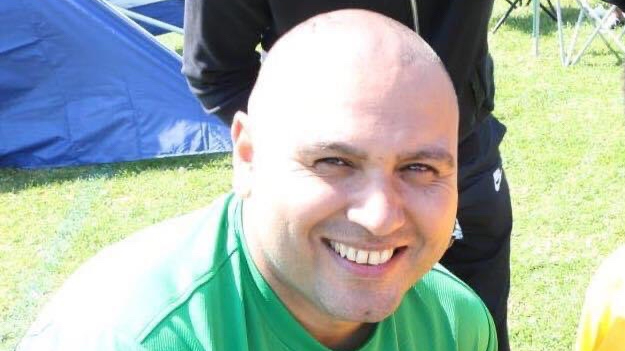
Exclusive interview with Mano Nhouvannasak, football business mastermind

This week interview see’s me speak with a football industry mastermind, Mano Nhouvannasak. Mano has worked at the international game’s pinnacle, which has seen him play a role at Borussia Dortmund, VfL Wolfsburg, the Lao Football Federation and more. If you’re serious about pursuing a career in football, get ready for some invaluable words of wisdom!

Q1) Mano, it’s fantastic to have you on Ash’s Sports Talk. Can you kick this off by sharing how your sports career started?

Thank you for having me here. I am more than happy to share with you my career path.

Growing up, I had always been deeply passionate about football, especially when you’re born in Germany, football is everywhere. I dreamt of becoming a professional football player; my father was my inspiration as he played for the National team of Laos and in Belgium’s second tier. As a player, I never could reach a professional level in Germany. Instead, I juggled around Amateur leagues and took on other odd jobs to pay my bills, which wasn’t a pleasure. But the chance came suddenly in 2009 when I had the opportunity to play for the Laos’ national team and in the Thaileague, which was a short but exceptional experience and generally my first approach in Asia. I saw how difficult it is in Asia to change into a footballer after the active time. That’s why I decided on my pathway at 24 years old to quit my short career and finish my studies in sports management back in Germany. I realised that there is no place for me on the pitch anymore, but I knew there could be off the pitch.

Stepping into sports business management was the best decision. I soon became the Marketing Director and Assistant Secretary-General at the Lao Football Federation. Growing the and building the organisation up from scratch excited me the most. After a couple of years, I learned fast and saw my potential; I showed what I could do mostly with the passion when you serve your country. The president soon gave me a chance to become the CEO of the domestic League. It was a huge responsibility for such a young man like myself. Laos’s sports structure has a lack of resources, so you were automatically responsible for almost anything. Therefore, I had to make the most of what we had to get where we needed. I am grateful to gain knowledge in different footballing sectors, mostly as I was young. When you work in the football business, there are indeed no office hours. You live 24 hours a day for your passion.

My highlights have been the results we showed with the group that we had. Plus, establishing new initiatives such as Club Licensing, Live football streaming, and breaking the record revenue of sponsorship and media rights. We had a great and talented group of people within the federation. I am glad to see my former colleagues now making their careers with the AFC or my brother when I hired him some time ago; he is now working for FIFA. The networks and working groups, with the AFC, FIFA, top FA executives, and my four years of freelancing with Lagardère Sports (Sportsfive) were precious and varied for me. It was acceptable to ask for help and outsource mentoring support for my sports career growth.

Q2) You’ve previously been the Lao Premier League CEO and have transitioned into one of Europeans’ most significant football leagues, the Bundesliga. How did working in Asian sports territory help you pivot into German domestic football?

Over the past years, the Bundesliga works with their clubs to drive the international media rights, localised marketing, direct activations and youth development. As I was born and bred in Germany, I followed the Bundesliga very closely. After more than four years with the Laos Football Federation, I decided it’s time to move on. My experience and international background then led me to the “Wolves” of  VfL Wolfsburg.

When I arrived, the first team just secured their place in the following Bundesliga season after beating neighbourhood club, Eintracht Braunschweig, in the relegation play-off. I was part of the rebuilding process and had to adapt to the corporate world and competitive day to day Bundesliga business.

It was unique to live in around 125,000 people, about half the town’s workers have jobs directly linked to Volkswagen. The club’s subsidiary of the automobile group VW is the city’s pride as they repositioned themselves to be “the most modern football family in Europe representing football from a broad, holistic standpoint from successful women’s football to the first mover in e-sports. The infrastructure for players and employees was world-class.

The Bundesliga’s corporate brand values of their clubs and VW were to raise brand awareness and attract new customers internationally. I had to develop my knowledge around transfers in modern club football to regions where VW is present like China, US & Mexico, which matched my new role in International Development, B2C.     

I gained more in-depth insights into the corporate football industry, such as how highly professional things were structured within the club. The ambitious club won the Bundesliga in the last decade. The likes of de Bruyne, Dzeko, Mandzukic, and Draxler left their footprints, but the sporting sustainability and the balance between the club and significant sponsors were not always in place.

After a while, when I regularly traveled for work in Asia, it felt like home again. I learned from people in Asia who brought charisma, fun and authenticity to every meeting. Although, that doesn’t mean they didn’t have fears. Instead, they experienced this feeling openly and positively to make others feel comfortable to support organisational success.

Most people in Europe think the other part of the world is relatively stable, linear and mechanic. However, people in Asia think it’s always organic and changing. Westerners focus more on objects and people in isolation from their environment, whereas Asians focus on relationships between objects, the environment, and people in groups. I always try to maintain the balance between both business cultures. Remaining authentic was key to building my strengths. I felt comfortable in Wolfsburg, but my desire to return to Asia was enormous.

Q3) I appreciate there’s no such thing as a regular day working in football. However, what did your role as Dortmund’s lead for International and New Business look like?

After almost two fruitful years at Vfl Wolfsburg, there was no better opportunity to  “transfer” to one of the world’s biggest clubs, Borussia Dortmund (BVB). BVB has significantly impacted Asia in recent years and has become a trendsetter across European soil; they have a rich history, honours, owns one of the best youth academies and the highest average fan attendances. I remember when I walked out from the player tunnel for the first time into the stadium. The smell of the pitch was so overpowering that sent me back to my childhood and reminded me of the greatness about working in the Bundesliga. Moving to a big club means you’ve somehow done something right in the last years.

My career requirements matched precisely to the position of International & New Business. I finally moved back to Asia and took my role at the BVB APAC office in Singapore. Together we developed new business opportunities, marketing, digital strategies and action plans such as the Asia Tour and Legends appearances – for Asia and South-East Asia in particular. We worked closely with marketing and commercial partner Sportfive to build global and regional sponsorships in this region.

The region captures the diversity of markets where differences in culture, religion, and government can vary greatly. Doing business in Thailand is nothing like doing business in Vietnam, which is actually only a 1-hour flight distance. Every country has its own challenges and opportunities. That made me accept these challenges to run the club’s activities to grow and enhance internationally in an authentic way.

Q4) There’s been a heavy theme of sports marketing involved in your career journey. Throughout your sporting adventure, what have been some of the most extensive changes you’ve seen in sports marketing and what does Dortmund do differently with their marketing strategy compared to other clubs?

As the ‘people’s club’ we created relevant on and offline touchpoints for fans, partners and media in a friendly approach, free of the financial takeover that have come with the likes of the EPL clubs. Youth development is indeed one of the club’s critical assets to leverage other Asian clubs or sports institutions’ knowledge and create opportunities to make steps forward.

Due to the current pandemic and cancelled Asia Tour, many partners and fans were in touch with us mentioned that they still wanted to get as close to the players, especially in these difficult times. This inspired us to reinforce our digital communications from Dortmund to Asia with the innovative “Virtual Asia Tour”. The tour consisted of virtual meetings with players, livestreams of training sessions and localised online content. It’s impressive how BVB are perceived in Asia; everyone likes Dortmund and partners, and fans became friends.

Q5) With any successful career journey, comes an array of challenges, especially in football. What have been the most substantial challenges you’ve experienced that have shaped your journey to where you are today?

Every workplace I have worked for faces challenges such as a lack of integrity and cultural differences, especially when you work internationally. I always try to maintain a balance between Western and Asian business cultures. It’s imperative to stay authentic to be my best self, and I am proud of the journey I’ve taken so far which took a lot of perseverance, as I know that it has brought me to be who I am. My deepest passions that contribute to sports will always be a work in progress. However, I’m a lifelong learner who still has weaknesses and adds value to others by sharing what I have learned.

I learnt that team and culture matter so much at work. Like football players, industry staff have different talents and strengths, such as ambition and supportiveness. This makes working so much more enjoyable and meaningful.

Q6) Mano, reflecting on this discussion and your career, what advice can you provide someone wanting to break into sport?

It was important for me to take off my fan glasses to get out of my own bubble. It is always helpful to enlist an industry buddy or network. Meeting up with a friend or mentor with industry experience allows you to branch out from the workplace and learn new information in a social setting. Keep reading, listening and watching. Build your skills with further studies work on your weaknesses; it’s never too late.

The last few years it is very much about travelling the world and embracing new cultures and realities. It has been an excellent opportunity to meet people who share the same passion and involve long lunches entertaining clients. It sounds great. But it can be like a roller coaster. It is addictive, and time flies so fast. So mind your time very well.

Q7) As you’ve recently left BVB, what is your next journey?
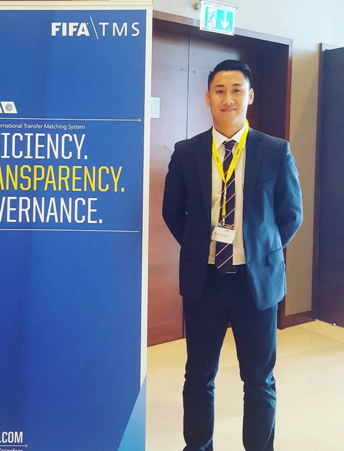
First of all, I am very thankful for the opportunities working for three very different sports institutions.  As for now, I will be taking care of our family businesses due to the pandemic. But I will remain in the sports industry for sure, stay tuned!


Wow, what amazing words by Mano. It’s fair to say this turned into a biography rather than an interview! Nevertheless, plenty of learnings around using every opportunity to learn, recognising his potential not to stay in one position for too long and practising a balanced mindset which has unlocked multiple sporting successes.
The AST wrap-up: welcome to a new era of global entertainment culture

This week of sports business saw Naomi Osaka wave the Japanese flag across the fashion and sporting landscape. The National Basketball Association (NBA) keeps ahead of the digital curve with a radio-based partnership, and Manchester City is recognised as the world’s most innovative sports team. Pitbull enters the world of Nascar, and the National Football League creates a groundbreaking impact for Nickelodeon.

Naomi Osaka becomes the new face of Louis Vuitton

Naomi Osaka as the new face of Louis Vuitton: https://edition.cnn.com/style/article/naomi-osaka-louis-vuitton/index.html

The three-time grand slam winner gets her 2021 off to a phenomenal start. Naomi signed a seven-figure deal with French Fashion label, Louis Vuitton, where she’ll feature in Nicolas Ghesquière’s Spring-Summer 2021 campaign.

The Japanese star has always been an advocate of the luxury brand; she claims there to be no brand as iconic as Louis Vuitton. Osaka is a terrific sporting idol as well. She’s proactively supported the Black Lives Matter movement by wearing face masks per game during 2020 with names of victims who’ve suffered from racial violence.

Osaka previously used fashion to represent her homeland, Japan. New York Fashion Week saw her present her first collection in collaboration with Japanese brand, ADEAM. Luxury fashion and sport are a flourishing relationship which is evolving modern sports culture to a new audience. It will be fascinating to see a new audience generated across elite tennis.

NBA x SiriusXM get serious with extending their partnership

The NBA x SiriusXM: https://blog.siriusxm.com/jump-back-into-the-nba-season-with-live-coverage-of-every-game-on-siriusxm/

The National Basketball Association (NBA) broadens its partnership with radio broadcasting firm, SiriusXM, to add exclusive streaming rights from the current season. SiriusXM subscribers will have access to live game audio broadcasts from the North American Basketball League (NABL). Thirty additional play-by-play channels on the radio app will deliver the coverage for each basketball side.

SiriusXM’s Premium Streaming package is now being offered for $1 per month. Consumers will receive NBA content on the app, website and other devices/smart speakers. This deal with the NBA reinforces their coverage across US Sport while it covers Major League Baseball (MLB), the PGA Tour, National Football League (NFL) and Nascar. 

Manchester City named the globes most innovative sports club

Research and market intelligence firm, Sports Innovation Lab, labels the English football giants as the worlds most creative sports team. Real Madrid, Arsenal, FC Barcelona, and Bayern Munich were also in the top five football teams included within the list of 25 sports clubs.  

Sports Innovation Lab gathered insights across the ten most profitable sports leagues. The 25 teams were assessed on revenue diversification, organisational agility and technology orientation. Over 8,000 data sources and 150,000 market signals influenced the sports intelligence firm’s final rankings.

COVID19 has made an extortionate impact across revenue generation for major sports properties. It’s become more imperative than ever for sports clubs to rely on income streams away from gate revenue and game-related sales. Hopefully, the top 25 trailblazers’ celebration will inspire other clubs to think similarly about diversifying their sports business affairs.

Pitbull joins the Nacar’s Trackhouse Racing Team

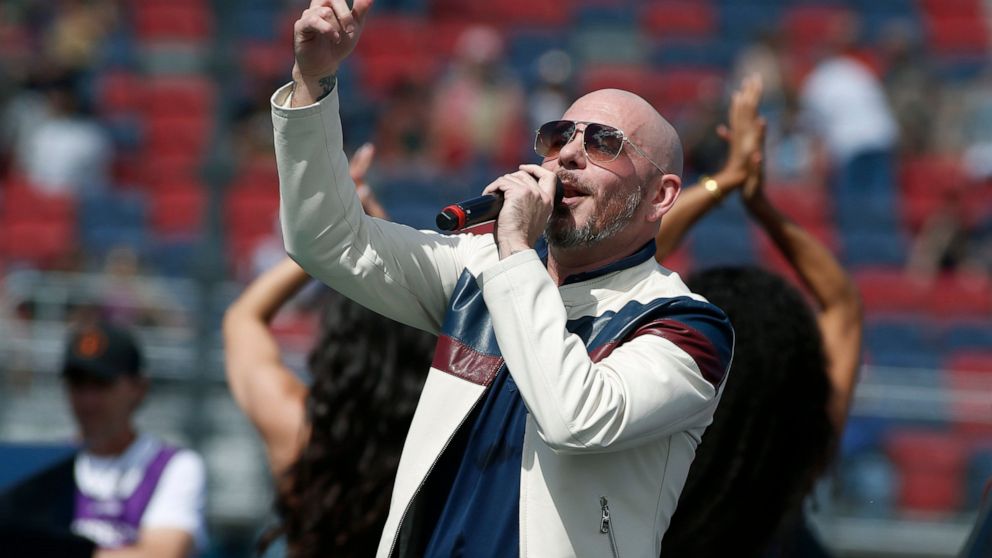
Pitbull performs prior to a NASCAR Cup Series auto race at Phoenix Raceway in Avondale Ariz: https://abcnews.go.com/Entertainment/wireStory/mr-worldwide-nascar-pitbull-joins-trackhouse-ownership-75280309

The global musician, formally known as Armando Perez, now part-owns Trackhouse Racing Team ahead of its first season in 2021. Pitbull becomes the second celebrity to own a Nascar team, National Basketball Association (NBA) legend, Michael Jordan, is the team owner at 23XI Racing.  

Pitbull boasts a powerful digital reach with 25.5 million Twitter followers and 8.2 million fans on Instagram. Mr Worldwide will also act as an active partner on the Trackhouse executive team as a brand and public-spirited ambassador.

Since the 1990 movie ‘Days of Thunder’, the US rapper has supported Nascar’s story featuring Nicole Kidman and Tom Cruise. Bringing Pitbull on board at the Trackhouse Racing Team will evolve Nascar into a new global entertainment culture, leveraging a new and younger audience to the tournament.

The NFL gives Nickelodeon their most-watched programme for nearly four years

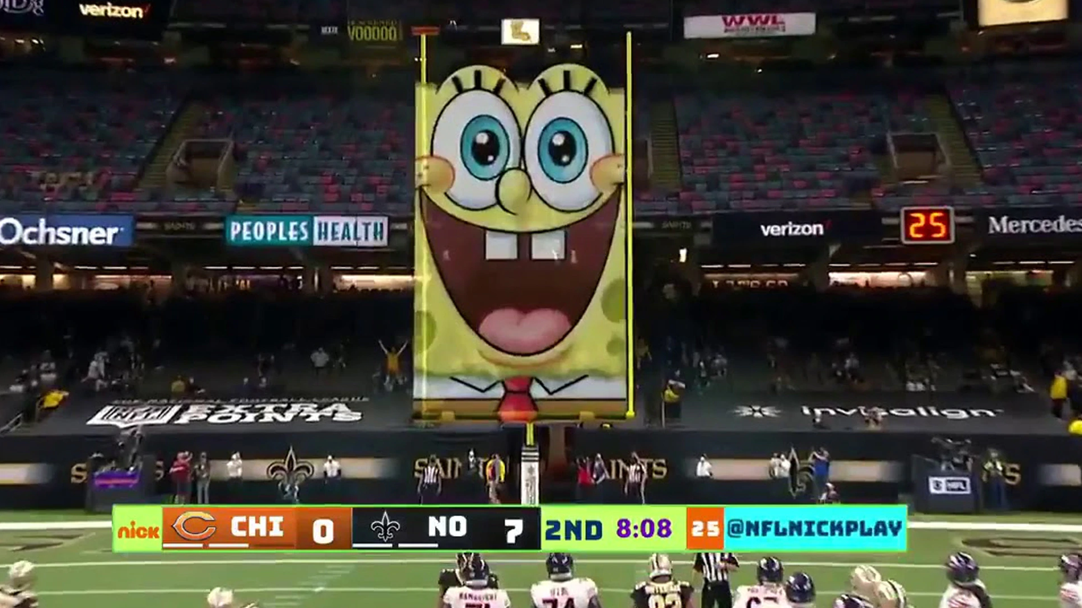
Last Sunday saw kids TV network, Nickelodeon, broadcast the National Football League’s (NFL) wild card game between The New Orleans Saints and the Chicago Bears. The match drew in approximately 2.06 million viewers, the highest viewership figure for the children’s channel in almost four years.

The production included guest reporters explaining the rules, a Spongebob themed-intro, on-field graphics, and digital filters alongside ‘slime cannons’ activated after touchdowns. Over 70,000 posts were associated with Nickelodeon’s coverage which accumulated 402 million impressions, 2.2 million engagements and $6 million created in social value.

The was an experiment by The NFL to entice to keep their sport fresh for the next-generation. From the results acquired, do you reckon there’s room for more activations like this?


That’s a wrap! How far can the potential stretch for sport and luxury fashions relationship? How impactful will SiriusXM prove to generate a new audience to The NBA? Will we see another revenue area away from match-day sources become the highest fund supplier for sports properties? Who else will Pitbull and Michael Jordan inspire to join the evolution of the Nascar series? And, will we see the NFL and Nickelodeon collaborate once again?

What can we do to progress more South Asians to Premier League football?

I can count the number of Asian players representing elite football on one hand, let alone South Asian players. This has been an ongoing issue for several years, but yet there’s no change. The end of the 2018-19 English Premier League season saw only FOUR players represent South Asian descent- Neil Taylor, Michael Chopra, Hamza Choudhury and Zesh Rehman. 2015 saw The Football Association (The FA) launch the ‘Bringing Opportunities to Communities’ strategy to enhance inclusion with Asian populations, starting from the grassroots level. Evidently, more needs to be done, but what exactly?

Lose the racial hostility

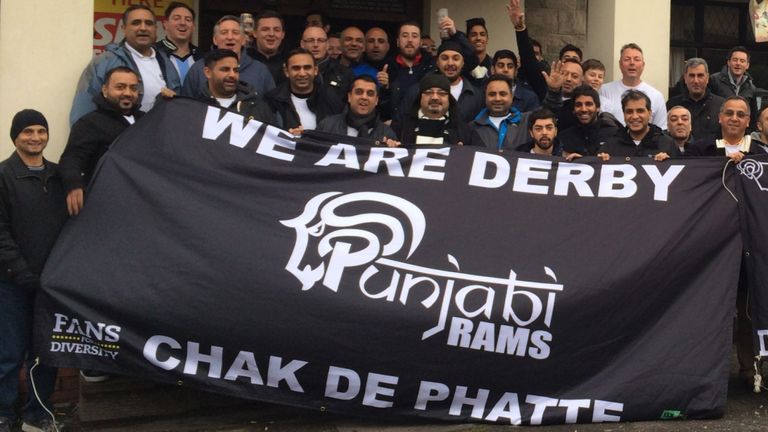
The Punjabi Rams supporters group at Derby County was set up in 2014: https://www.skysports.com/football/news/11095/12132932/south-asian-under-representation-in-football-has-to-change-following-greg-clarke-comments-say-fans

Not long ago, former FA chairman, Greg Clarke, mentioned at a Digital, Culture, Media and Sport committee meeting that South Asians typically work in IT rather than football because of their different ‘career interests’. Despite this being an outdated and stereotypical comment, there’s some truth behind it. There’s probably more South Asians working in the IT department at The FA than professional players in the game. However, he also indicated that British’ South Asian culture’ deprives inclusion and success in football. Essentially, this nullifies responsibility from The FA relating to underlying forms of racism that South Asians experience. Plus, a Manchester Metropolitan University study countered Clarke’s point as it revealed young British Bangladeshi boys play more football than young White British boys.

2010 saw Chelsea FC establish the Asian Star Initiative to promote more Asians breaking through the football pyramid. This offers 8-12-year-old Asian children the chance to secure a 12-month placement in the Chelsea FC Foundation Elite Centre. The programme has run for over nine years and still hasn’t produced a permanent Chelsea star from Asian heritage.

Essentially, building a solid rapport between professional clubs and British Asian footballing neighbourhoods is imperative to understand the audience targeted. If this isn’t accomplished, we’re risking promoting opportunities for South Asians based on stereotypes and current practice which isn’t proving effective.

The demand for authentic role models

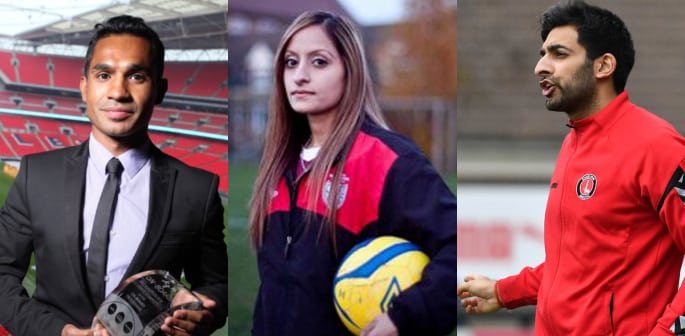
Taff Rahman, Manisha Tailor and Riteesh Mishra

The lack of players isn’t the only issue; there’s a substantial absence of BAME coaches, let alone South Asian coaches across the British football pyramid. The player and coach relationship are similar to tea and biscuits; you can’t have one without the other! Coaches are mentors to the players to guide, mould and facilitate them with the resources to be the best athlete’s possible.

Promoting more authentic opportunities for South Asian coaches will help bridge the gap between professional and grassroots clubs. Coaches are likely well-connected in British Asian communities. Their networks can leverage professional clubs with a broader knowledge of how more South Asian players can progress up the playing ladder. 

The Professional Football Association (PFA) announced a new BAME player-to-coach placement scheme last year. The English Football League intend to work closer with BAME PFA members for 23 months with six coaches per season.

If the PFA could initiate something similar to target South Asian coaches, we could see significant progress in the game with the right insight into those communities.

Revamp club scouting strategies

Asian minorities make up 8% of the country, but over 4,000 professional players in the UK and Asian pro players make up only 0.3% of that total. Could this suggest a large scale of prejudice and unconscious bias is still present in the game? 2019 saw an East London football team, Sporting Bengal, instructed by their manager, Imrul Gazi, to walk off the pitch after a racist incident occurred against Aveley FC Reserves. The coach accused the referee of racism as he allegedly said before kick-off, “you lot aren’t winning this”. This remark was reportedly made to a white player within a predominantly South Asian squad of Sporting Bengal, causing them to feel devalued due to their ethnicity.  

Unfortunately, systematic racism has spread across the game for several years. In 1996, The FA published research entitled, “Asians can’t play football”. The paper determined Asian players are physically and culturally stereotyped by Scouts at a preliminary stage of player recruitment.

An academic in Cultural and Media Studies from Leeds Beckett University, Dr Daniel Kilvington, has comprehensively researched scout’s attitude to South Asian players. He’s interviewed ‘hundreds of people’ and the critical discovery was scouting networks still overlook British Asian players. In 2018, Kilvington spoke at a conference and claimed to speak with a professional club coach who told him, “They don’t like physical contact, I think that’s their problem, why are they good at cricket?”. Kilvington also noted current players in the elite game have ‘non-stereotypical’ Asian names (e.g. Niel Taylor, Michael Chopra). This could imply it was initially less obvious for stereotypes to notice they were Asian.

Ultimately, any demographic entering the elite game needs to earn their right regardless of their background. Although, how can you expect to boost South Asian prominence if you’re not even acknowledging them in the first place? This calls for club scouting strategies to have direct interventions and pathways set up for South Asian players to avoid them getting filtered out by stereotypes. 


To summarise, there’s a long way to go to welcome a broader horizon of South Asian talent in the elite game. It’s flattering to see The FA create a direct action plan to encourage this. With the correct engagement amongst British Asian communities, authentic opportunities to recognise BAME coaches and educating scouts on diverse recruitment, we’ll begin to see a positive change in elite football.

Exclusive interview with Chris Berry, Primary Stars Mentor at the Reading FC Community Trust

Chris Berry is a sport for development mastermind, long-serving Reading FC supporter and an enormous advocate for the grassroots game. This interview sees the Primary Stars Mentor share invaluable advice on how to excel your coaching career, ways to overcome the challenges progressing up the playing ladder and the benefits that transferable skills serve for a successful sports career.

Q1) Chris, it’s fantastic to have you on Ash’s Sports Talk. Could you share with the readers how your sports career began?

So my career in sport began whilst in the sixth form – a local coaching company offered myself and other A-level PE students the chance to complete our FA Level 1 qualification and then work at after school clubs in the area. I thoroughly enjoyed the qualification, my experience working in schools and delivering football helped shape my application to the University of Gloucestershire to study Sports Coaching. I then spent the next few years completing my degree, my FA Level 2 (as well as a broad array of other sporting qualifications) and gaining experience in a wide variety of settings within football and sports coaching. In 2016 I began working for the Community Trust, becoming full time later that year with the Primary Stars Programme and working within our Elite Centres in the evenings, which I continue to this day.

Q2) I understand you’re the club secretary at the Harchester Hawks FC while performing as the Primary Stars Mentor at the Reading FC Community Trust. How beneficial is it for your career to have two different perspectives at two unique organisations in the football industry?

I think it is vital for anybody to appreciate, experience and understand different perspectives and football is no different. Initially, my role at Harchester was to provide playing opportunities with a few friends, but it was a gateway for me to understand the local grassroots men’s game. My experiences with the Thames Valley Premier League as part of their Management Committee gave me an insight into the different issues faced by many clubs. I also learnt about the local FA’s (Berks and Bucks FA) role in developing local football as well as forging useful contacts.

In community sport, many different aspects create success. Therefore, having an appreciation of the various settings and the challenges community sport brings is vital.

Q3) You’re certainly no newbie to sports coaching, on that note, seeing how your career has progressed at the Trust, what were the fundamental factors to advance your career to where it is today?

I think a willingness and openness to get involved in a large variety of settings can only be a benefit. The lessons that you can learn from one environment can usually be applied elsewhere, so the fact that I have worked in so many different settings with such an array of people is invaluable. I have worked with children in nurseries, through to old age pensioners with Age UK and I have worked with voluntary grassroots clubs and individuals and global organisations such as the Premier League. You learn different lessons which help you develop.

I also think that it is essential to continue the learning process and gain further qualifications. Some people argue that ‘Badge Collecting’ doesn’t make you a better coach, and I agree to a certain extent. Merely completing a qualification doesn’t make you better, but using that learning to continually reflect on and reflect my practice has made me a much better coach. I would also recommend current and aspiring coaches to broaden their skills in several sports in a similar vein. I want to focus and work within football, but lessons can be learned and skills transferred from the other sports I have qualifications in and experience.

Q4) How does it feel working at a football club’s charitable arm and how vital is the Trust’s foundation towards Reading FC?

I am a lifelong Reading FC fan, a fourth-generation supporter and have lived in Reading my entire life (bar 3 years at University). To work for my club and help contribute to my home town community is a source of great pride. The football club has had a difficult period in the last decade, with financial worries off the pitch and performance issues on the pitch, but the Community Trust has continued to grow. I really believe that we have a hugely positive influence in hundreds, probably thousands of peoples lives across all of our programmes. Having a strong community can only help support the football itself, and hopefully, create some more families of clubs supporters for as long as my family have!

Q5) I know too well the Trust are the backbone of making life-changing impacts through sport in multiple communities. However, what further support do you believe the Trust can benefit from to continue developing communities through football?

I believe that we are already branched out and are continuing to extend our reach in the area across our programmes and this is something we will continue to do. The COVID situation has clearly created enormous challenges for ourselves, our partners, the people of Reading, and the country. One positive to come out of this pandemic in my experience is people’s ability to come together and support one another. This is something that we need to continue when life returns to normal. The Trust is always looking to develop new and existing partnerships, and so finding new ways that this can happen will be a priority.

Q6) What have been some of the toughest challenges you’ve faced throughout your sports career? Plus, how have these adversities supported your sports career development?

One frustration I have is that within many different settings, whether working with schools, elite footballers or even other coaches, is the short-termism. Everyone wants to either solve a short term issue with a short term solution – for example, get someone into a school for a single term, rather than look at PE in the long term. Players and coaches want to play/coach at the highest level. Parents are so desperate to move their children through from development centres to academies very quickly. Instead, they should let them develop at their own pace, enjoy the game, enjoy other sports, let them make friends and they will move up when they are ready! Same with coaches – Take your time, learn your craft, gain experience and don’t look down on those who work aren’t as ‘Elite’ as you! This perspective is something I come across a lot, and it remains tough to challenge organisations and individuals, but I am transparent in my philosophies and beliefs.

Another challenge that I think most coaches will face as their career develops is how much you actually coach. I have found myself ‘coaching’ a lot less in the past few years, with extra administration duties and doing more mentoring and educating other practitioners. The challenge is to embrace the opportunities you do have to coach and cherish them, put your all into every session and really enjoy it! This mindset has helped me get the best out of myself in all the areas I work in as really I see all the ‘coaching’ hours as fun rather than work.

Q7) Chris, reflecting on this discussion and your career, what is your killer piece of advice for someone wanting a career in sport?

I’m going to sound like a broken record here – I really cannot stress enough how important I believe getting a broad range of experiences is. Work with every age you can and learn from every participant, practitioner and environment. Even if you want to go into non-league football working in the PDP/Adult phase, there are lessons to learn from working with u5’s. Working with people with disabilities or additional needs will challenge you, but the rewards and the impact it can have on your practice are massive. Coach in another country, the different languages and different perspectives will be invaluable. Don’t be afraid of making mistakes and challenging yourself!


Wow, it was an honour speaking with Chris. There are so many insights to take away from this chat, not only does taking your time work when coaching or playing football; it’s an essential lesson for pursuing any sports industry career path. The industry is based on patience, hard work and consistency. That’s how the best opportunities come across, and Chris has proven that.  

The AST Wrap-Up: which Premier League club secures their first sleeve sponsorship?

Another week isn’t complete without your weekly dose of sports business news! The National Basketball Association (NBA) slam dunks substantial viewership numbers; the PGA Tour produce a fitness-themed partnership close to their heart and Ukraine could become Olympic host contenders. UK sports stadiums put up a fight against COVID19 and car retailer, Cinch, take their first step into the football sponsorship world.

The opening week of NBA soars in viewership figures

New Orleans’ Cheick Diallo celebrating: https://www.nba.com/pelicans/news/checking-cheick-diallos-celebrations

The National Basketball Association (NBA) produced 81.5 million viewership hours across ESPN, ABC and TNT, a 95% increase from 2019’s opening week and the most viewed since 2012’s opening week.

The Social Media (SM) game was also strong as the league witnessed a 36% increase in video views and a 279% increase in minutes watched contrasted to 2019. The NBA Instagram account to become the most-watched SM platform during the early fixtures and their YouTube channel gained its most-watched week in the last 15 years of its history.

On Christmas day on ESPN, the New Orleans Pelicans played Miami Heat followed by Los Angeles Clippers versus the Denver Nuggets. Average viewership rose by 10% compared to last season.

The NBA is continually proving to be a major contender at drawing in worldwide audiences to leverage new waves of entertainment, culture and commercial success.

The PGA Tour establish an innovative fitness-themed partnership

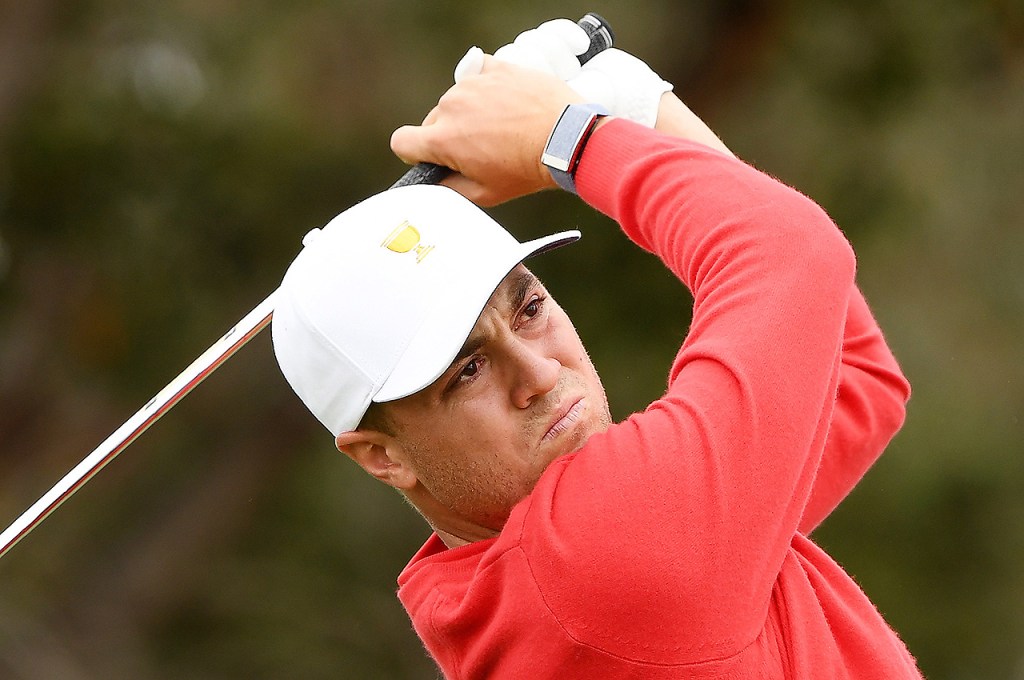
Justin Thomas wearing Whoop: https://golfweek.usatoday.com/2020/01/01/rory-mcilroy-justin-thomas-wear-whoop/

A multi-year agreement is put in place between the PGA Tour and fitness tracker maker, Whoop. The deal will monitor golfer’s heart rates throughout crucial moments of the season, with live metrics integrated into video content. Plus, showcased players will have the opportunity to donate $10,000 to a charity of their choice through the collaboration.

Whoop also becomes the official wearable for the Tour’s Champions event, and their health initiative, PGA Tour Active. The fitness manufacturer provides PGA Tour fans with a chance to get insight into the PGA Tour Active programme to witness players’ performance training methods.

Last summer saw Whoop deliver over 1,000 watches to players, caddies and other essential PGA Tour and Korn Ferry Tour staff. The device has proven efficient at improving the responsiveness to the pandemic. In June, the RBC Heritage saw US Golfer, Nick Hatney, identify through the watch that his respiratory rate was significantly high overnight and decided to pull out of the tournament and self-isolate.

It’s astonishing to see sport embrace technology’s power to enhance their fan engagement strategy and complement their corporate social responsibility to ensure sport remains safe to participate in.

Ukraine hold high ambitions to host the Olympics

https://voxukraine.org/en/evaluating-ukraine-the-medal-count-en/

Ukraine’s youth and sports minister, Vadym Huttsait, announced the European nation has the interest to host the games within the next decade. 2030 and 2032 are two Games they’ve set their sights on; they’re planning what regions could host the tournament and how much it will cost.

The last global sports event Ukraine delivered was the 2012 Uefa European Championship, joint-hosted with Poland. Eastern Europe’s largest country faces tough competition for the Olympics in 2030 and 2032, the likes of Australia, Germany, India, Qatar and Indonesia have also declared an interest to accommodate the competition.   

The race will likely conclude after 2025, who’s your money on?

UK Sports stadiums transform into vaccination centres

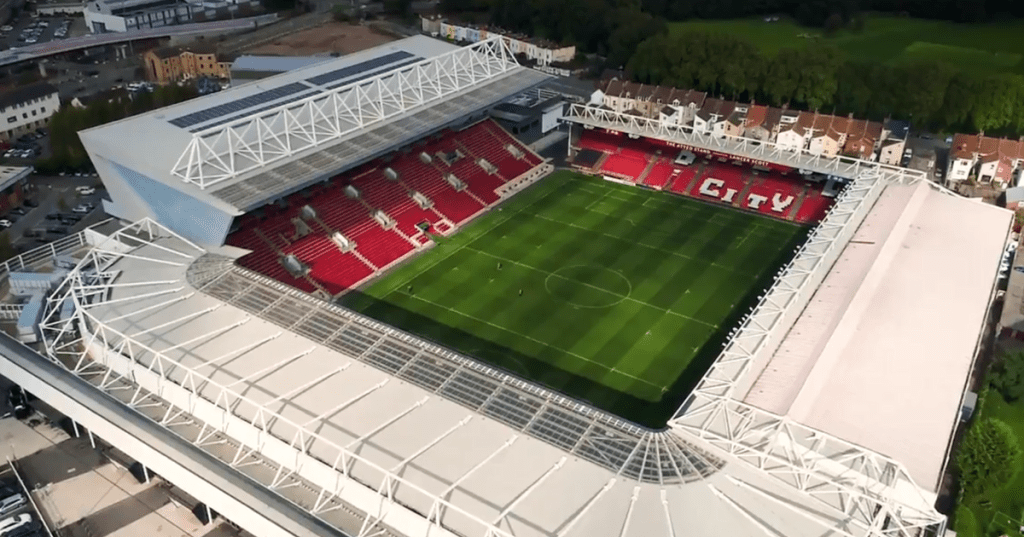
Bristol’s Ashton Gate Stadium: https://www.bristolpost.co.uk/sport/football/football-news/stunning-drone-video-shows-ashton-1103316

UK Government steps up its COVID19 inoculation programme by utilising seven sports grounds as vaccination centres. Bristol’s Ashton Gate Stadium, Epsom Downs Racecourse, London’s ExCel convention centre and Manchester’s Etihad Tennis Centre are new facilities opening next week to act as regional hubs. NHS workers and volunteers will come together and support UK authorities to reach their goal of vaccinating 14 million of the nations most vulnerable people by next month.

Birmingham’s Millennium Point, the Centre for Life in Newcastle and Robertson House in Stevenage, is involved in the initial vaccine rollout. The Derby Arena, Villa Park and Leicester Racecourse have offered their resources to support the fight against COVID19 alongside Premier League club, Tottenham Hotspur.

Since the outbreak, the UK has entered its third lockdown; the nation needs all the support it can receive. Once again, the sports industry reminds us of the tremendous impact it can bring towards supporting the community in times of adversity.

Tottenham Hotspur FC receive their first-ever sleeve sponsorship deal

Car retailer, Cinch, becomes the English Premier League Clubs’ ground-breaking sleeve sponsor for the men and women’s team. Spurs’ and Cinch’s multi-year agreement will see the car retail firm gain LED advertising rights at the Tottenham Hotspur stadium and the clubs’ digital mediums.

This not only marks as Spurs’ first-ever sleeve sponsorship, but it’s Cinch’s first step into the football industry. Previously, HSBC was interested in securing sleeve sponsorship rights, but talks broke down. Lilywhites chairman, Daniel Levy, was hesitant to include a sleeve sponsor to prevent their lucrative stadium naming rights reducing in value.

Tottenham’s latest sponsorship move leaves Everton the only Premier League club without a sleeve sponsorship deal.


That’s a wrap! What’s the secret behind the NBA’s success at creating a diverse global audience? What impact will Whoop make this time round for Golf continuing through the pandemic? Do you want to see the Olympics travel to Ukraine? How integral will UK Sports stadiums be to facilitate coronavirus vaccinations? Plus, how much commercial value is to gain from Spurs’ new sleeve sponsorship?

Is animated marketing the sports industries answer for 2021?

The global sports landscape is overridden with various promotional strategies. Present consumers are bored with typical advertising and will more likely engage with a brand that shows something different. Video marketing with a hint of cartoon animation is a well-seasoned recipe for making an engaging impression to this era’s audience. Multiple sports properties like Borussia Dortmund, Nike and the National Football League (NFL) didn’t hesitate to jump on the animated marketing bandwagon to up their PR efforts.

The National Hockey League (NHL) were pioneers of animated sports content back in 2019. The sports property targeted China as a region to expand in, particularly with a popular cartoon series entitled ‘Super BOOMi’. The narrative consists of the main character, BOOMi, becoming the first bear to program a virtual reality game universe. BOOMi has over 2.6 billion video views, and the NHL proactively developed the first cartoon series dubbed ‘Super BOOMi Hockey Hero’ in China to showcase Hockey through animation. This is proactive in building a younger fanbase in Hockey while expanding the sport towards Asian territories.  

Retired UFC Champion, Khabib Nurmagomedov, had an iconic 2nd round win against US contender, Justin Gaethje last year. Although, the build-up was what created mass-media attention. Sports broadcaster, BT Sport, produced an animated short-story about Khabib’s journey into the UFC which accumulated over 900k views on YouTube. This became the most viewed content on BT Sports’ YouTube channel ahead of fight night until BT Sport released Dana White’s reaction to the narrative, acquiring 2.3 million hits. The video hit a profoundly emotional tone considering its emphasis on Nurmagomedov’s father passing being a crucial part of his legacy, which captivated high volumes of empathy. This initiative demonstrates the impact animated video has on driving sport to remain influenced by emotions.

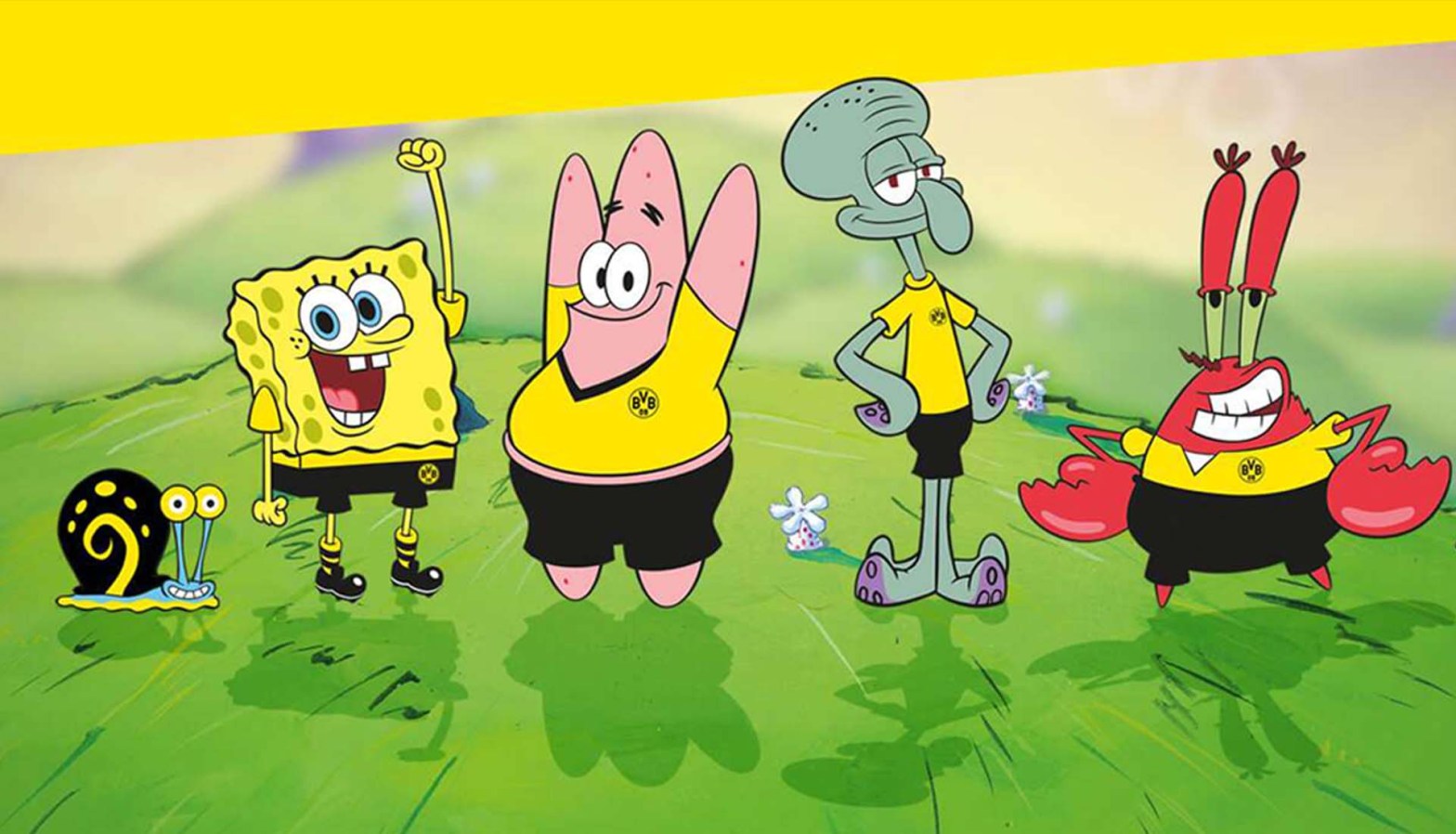
December 2020 saw Borussia Dortmund form a revolutionary merchandise collaboration with the US animated cartoon, Spongebob Squarepants. The merchandise includes Spongebob x Dortmund branded hoodies and T-shirts. Following this alliance, the Bundesliga giants announced a long-term partnership with the kid’s TV channel, Nickelodeon. The two parties plan to work together on a variety of joint activities yet to be confirmed. This is a lucrative opportunity for Dortmund to remain culturally enticed within younger next-gen audiences alongside keeping their brand ‘family-friendly’.

Last month also saw the National Football League (NFL) partner with Nickelodeon to distribute a cartoon-inspired NFL Wild Card game this Sunday. The broadcast will entail virtual filters, on-field graphics; a SpongeBob themed countdown before the game with other animated gimmicks. Again, another youthfully appealing initiative for the NFL to entice further next-gen audiences. Depending on the success achieved, it could stimulate new longer-term opportunities for the sports property. Could a cartoon series of NFL content be unleashed, NFL players gain media rights for cartoon production companies or similar?

Why is animated marketing so powerful?

People SEE your brand

Digital has become one of the most saturated content channels, meaning that sports properties must think uniquely to stay ahead of the curve. Animated marketing does precisely this; it grabs attention and stops the consumer scrolling to consume a brands message. It’s also a productive opportunity to use identity aspects such as slogans, logos and colour codes to boost brand awareness one step further.

People don’t just hear you, they LISTEN

The right combination of sound effects, voice-overs and background music impact your audience in ways you’d never imagine. Sports properties should captivate notable metaphors, and trademark motto’s to encourage a new demographic to consume their message.

Easy to understand

Learning needs to be fun and interactive to increase levels of engagement from your audience. The same applies to your content strategy; it needs to be entertaining for yourself to capture your audience’s attention.

Animation makes email marketing relevant!

Interesting fact, if you add the word ‘video’ in an email subject title, click rates increase by 65%! Social media’s growth has left emails in the lurch for driving traffic; however, executing all of the above through email could change that for a sports brand.


Seeing the benefits that animated marketing brings to the sports industry, animation and sport’s potential is limitless. It could become the norm to see more cartoon series’ holding sports episodes, athletes’ involved in producing cartoons’ or even cartoon-themed commentary options through major broadcasting companies.

Exclusive interview with Marianna Sikorowska, Non-Executive director at the British Kickboxing Council

Marianna is a board member at the British Kickboxing Council who are in place to provide the sport with a profile across the industry. Marianna’s had some illustrious posts in her career including working for the Sport and Recreation Alliance, London Marathon Charitable Trust, the AMOS Business School and more! During this interview, Marianna speaks about the value of having a mentor, the critical values to becoming an influential director and where her sporting passion stemmed from.

Q1) Marianna, it’s excellent to have you on Ash’s Sports Talk. Let’s kick this off by understanding how your sports career began.

It started when I first watched the NBA when I was 8-9 years old. I was a fan of the intense rivalry, and I was ever so curious about what went on behind the scenes for sport in general. Moving forward, I studied law in Poland and abroad, and I decided to write my masters on doping in sport. Sports law has just started gaining some recognition during my studies, but I still wanted to write about something I’m truly passionate about!

After this, my career was slightly topsy-turvy! I drifted away from sport for a bit when Poland joined the EU, which meant it was more accessible to study abroad, which has always been one of my passions. I then found myself working in France and Belgium. About five years later, I missed sport a lot, and I decided to take a risk and move on from a law career.

In Brussels I specialised in the European affairs and policies, some relating to sport and the Erasmus+ programme known for student exchange and obtaining the most significant European funding pot associated with sport, education, and culture. Being involved with this found me establish myself more in sport. Although, I found it challenging to sustain myself in Brussels’ sports sector as there weren’t many progressive opportunities. After some hard thinking and networking, I learned that the sports sector was growing in the UK, Switzerland, and France. Working with the Erasmus+ programme, I developed good project management skills which served me well on my next venture at Fare Network the organisation is similar to Kick It Out. I was responsible for a pan-European campaign “Football People action weeks“, promoting anti-discrimination and social inclusion in football.  

After a fantastic year, I joined the Sport and Recreation Alliance as their Governance Officer. This saw my work with many sports federations as well as grassroots organisations which I thoroughly enjoyed. My legal background and analytical skills were crucial to helping the board of directors improve their governance, board structure, and funding access. I was offered to join the board of the British Kickboxing Council (BKC) with this knowledge. I always wanted to test myself as a board member. With my understanding of governance, law and funding programmes, I could contribute to the BKC restructure and promote diversity and inclusion through kickboxing.

I’m working at the London Marathon Charitable Trust as a Grants Officer where I’m working closely with deprived communities to ensure they’re facilitated to keep physically active. My knowledge of governance and the sports grassroots sector has massively helped pick out organisations who’d be effective at delivering sport in different areas of London and across the UK.

Q2) Looking at your career now, you’re involved in so many ventures! You’re a lecturer at the AMOS Sport Business School, a Volunteer Mentor, Non-Executive Director and a Grants Officer. I’m very keen to know how you manage your time and how beneficial have these diverse experiences influenced your sports career?

I appreciate it looks like I have a lot on my plate; however, all my strands of work are related to each other.  At the beginning of my career, I wanted to do everything, but then I became aware not to stretch myself too thin. Also, my mentor helps me stay focused on my short and long-term goals. Getting to where I am today took a while, but it allowed me to do what I am passionate about with the hard graft.

When working in the governance sector, I wanted to keep testing myself, so I joined the board of the BKC. The BKC’s is all about promoting equality and diversity through sport which are two values close to my heart. Then, AMOS Business School approached me to give lectures in sports governance which was a challenge! I’ve been used to running training and presentations ing webinars for directors and corporate staff; however, students were a different playing field.

Being involved in many projects outside of my core work has improved my time management and organisational skills. I plan my evenings and weekends, so if I’m not working, I have time to train, travel and meet my friends. I try to remind myself that there’s a world outside of sport!

Q3) It would be insightful to hear more about your mentor. What impact did they make towards your sports career progression? Plus, how highly would you recommend a sports industry enthusiast to get one?

I strongly recommend getting a mentor. I had my first mentor during the Finnish Olympic Committee project with the support of the International Olympic Committee called “New Leaders in Sport’. I found a mentor myself, and the key to identifying the right one is to understand what type of mentor would help me achieve my goals. For example, is it career progression, a career change, networking support or self-development?

The first mentoring session I had taught me about the essential nature of having a structure. We met occasionally and set goals which were ever so important. This experience has contributed massively to pushing me outside of my comfort zone to reach my potential. With my current mentor, we schedule monthly calls to discuss my progress towards my goals, how do I address challenges, and how do I cope with the pandemic. We have a good relationship, and I know I can contact her anytime I need help, guidance and advice.

There are different types of mentoring beside the most “classic“one when a mentor is older and more experienced. Some mentees are younger, with less knowledge, e.g. reverse mentoring, co-mentoring, speed mentoring, and group mentoring sessions. Mentors also learn from this relationship and value insights of their mentees. If you choose to search for a mentor, think of someone that’s in a position you aspire towards and who knows, it could be a colleague of yours! You can also ask your boss to be introduced to someone or join mentoring programmes.

Whatever way you choose, make sure you think carefully what you expect from the mentor, why you want them to be your mentor, and clearly define goals you want to accomplish.

Q4) I’m fascinated with your role at the British Kickboxing Council. Could you share what you’re responsible for and how you contribute to the bigger picture of Kickboxing in the UK?

I’ve been lucky to join the BKC at an exciting time. Honestly, I haven’t got a strong knowledge about kickboxing, but my understanding of governance was fundamental to receiving my position at the board. Plus, being an advocate for gender equality and diversity was a game-changer as the organisation was restructuring, which was a significant element of their remit.

As a Non-executive Board Director, I sit on Nominations and Audit & Risk Committees. I am involved in expanding and restructuring our board and executive team. I drafted an induction programme for new directors to gain a robust understanding of what we do, and I ensure governance is maintained on the highest level. I’m often sitting on committee meetings discussing the strategy and activities to ensure the long-term sustainability of the BKC.

Q5) I can imagine there’s an immense amount of pressure with your role which has required hard work, commitment and passion. From your journey, what makes an influential director in the sports industry?

Being aware that “culture eats strategy for breakfast”. An organisation can have a robust and well-thought strategy plan, but it is down to people to implement it. While governance principles are essential and having a defined mission, vision, and values are critical; you need a dedicated group of individuals across your organisation to make things happen. My governance experience helped generate an inside understanding of how things operate, and how vital soft governance skills (behaviour, communication, leadership) are. Many people with vast knowledge about the sport want to join an organisation but find it tricky as they lack knowledge about operating an organisation and the board’s role. They focus too much on sports performance or operational issues instead of guiding an organisation and ensuring its long-term sustainability.  

 It takes a year to establish your involvement as a Director, although, never be afraid to ask questions, share your opinions and challenge others. It can be challenging for less seasoned board members but don’t forget that bringing diverse perspectives contribute a lot to board discussions and often lead to better decisions being made as you don’t fall into the groupthink pattern.  

It is also essential to make sure you have a balanced mindset which embeds a good atmosphere for the board members as you won’t see them regularly.

Ensure you share your views with confidence. Flag issues that require discussion and appreciate others speaking up. Practice good communication skills as you may only meet with your other members sporadically. Remember that board members should lead by example. If you want to implement change, it should come from the top. If the most influential members got the will to change things, how will your employees follow that?

Q6) As we both know, any successful career journey in sport comes with an array of challenges. What are some of the difficulties you’ve faced in your career, and how have these adversities enhanced yourself?

I enjoy challenges as they put me outside my comfort zone and open opportunity to develop personal and professional skills. Working in the elite and sports grassroots sector was a diverse experience which influenced my passion for promoting gender equality to help others through sport. Gender equality in sport has been a significant issue for women, which deprives females of securing leadership roles. This justifies why I’m working closely on this topic and why I’m involved in managing a project aiming to facilitate and support aspiring women sport leaders in achieving a change-making position in sport governing bodies.

Usually, you’ll find women in sport working in HR, head of coms but seldom in the most influential leadership roles. Women still face a glass ceiling and glass cliff barriers when trying to access leadership positions in sport. There was never a woman leading the IOC or FIFA, although both organisations exist for over 115 years. In 2016, women chaired only 7% of international sports federations (5 of 70). According to this year statistics, there are only 9% of females presidents of National Olympic Committees. It’s 18 of 206! I want to be someone who changes things for the next generation, to be the voice of youth leadership and challenge the status quo. I’ve seen colleagues in their 20’s who have enough insight to accomplish great things despite their young age; this is what I want to champion.

Q7) Marianna, reflecting on this discussion and your career, what is your killer piece of advice for someone wanting to pursue a career in sport?

Success has many faces, and it is crucial that you feel happy and fulfilled about what you do. ’I am a true believer that if you’re open-minded, determined and willing to learn, you’ll eventually get what you want. Following a plan helped me massively, I know what I should focus on and my next steps to progress. Also, don’t be afraid to reach out to people. Despite the number of rejections, you may get when networking, applying for jobs, etc., it only takes one yes to make a difference. Join network groups on social media, participate in programmes and projects out there and continuously look out for the right opportunities.


Wow, what a fascinating chat with Marianna. Despite her career in sport being unorthodox, that is how the most exciting conversations unfold. It’s interesting to see how proactive she’s been in allowing her multiple projects to connect to enhance productivity, the impact a mentor made towards getting her to where she is today and the importance of a director having a robust understanding about culture.

The AST Wrap: Innovation, partnerships and culture

Happy new year one and all! There’s no better time to catch up with the sports business news before the week begins! KFC enters the gaming industry, and Reebok looks to make a comeback in the sports lifestyle scene. Saudi Arabia strives for equality with a new sports tournament, and Messi scores again for Budweiser and JD Sports undergo a new collaboration! Co-written by Omari Coates, Founder of The Final Whistle.

KFC look to deep fry the gaming industry with the KFConsole

The global fast-food chain is launching a bizarre games console that can allegedly heat chicken while gaming. KFC has collaborated with a worldwide hardware maker, Cooler Master, to create the KFConsole. 

The device was initially an advertising campaign launched in June that acquired over 11 million video views on KFC’s Twitter page where most thought it was a hoax. The machine can run top-level game specs while using the heat produced from the console to keep your meal warm. The development phases have included custom-built casing, an innovative cooling structure and integrating the ‘chicken chamber’.

Fast-food chains have always been significant stakeholders in the sports industry, but KFC’s initiative is taking the competition to another level. Burger King received considerable attention from the ‘Stevenage FC Challenge’, could KFC become recognised under the same wing?

Who could become Reebok’s new $2.4 billion buyers?

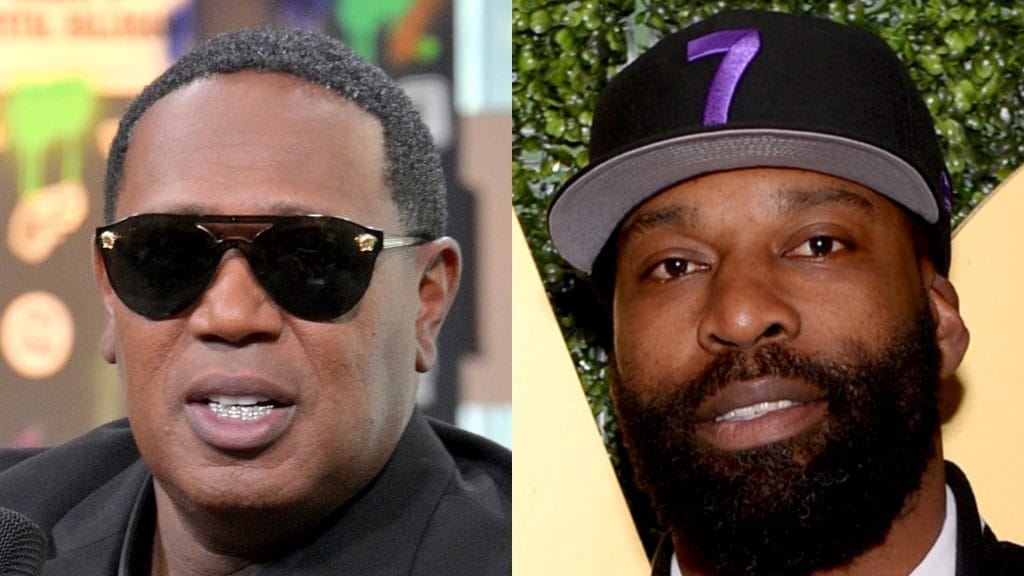
Percy Miller and Baron Davis: https://thegrio.com/2020/12/29/master-miller-baron-davis-reebok/

Adidas has decided to offload Reebok, which has attracted interest from one of hip-hops wealthiest icon, Percy “Master P” Miller, and retired NBA star, Baron Davis. The pair look to combat the sportswear company’s struggles to keep up with the era’s culture wave.    

Bringing Miller and Davis into the brand could prove a significant win for Reebok’s bounce-back strategy. The two are substantially integrated across sport and music culture, which will shift Reebok’s psychology to transform into a lifestyle brand.

Saudi Arabia makes groundbreaking moves to increase female sports participation

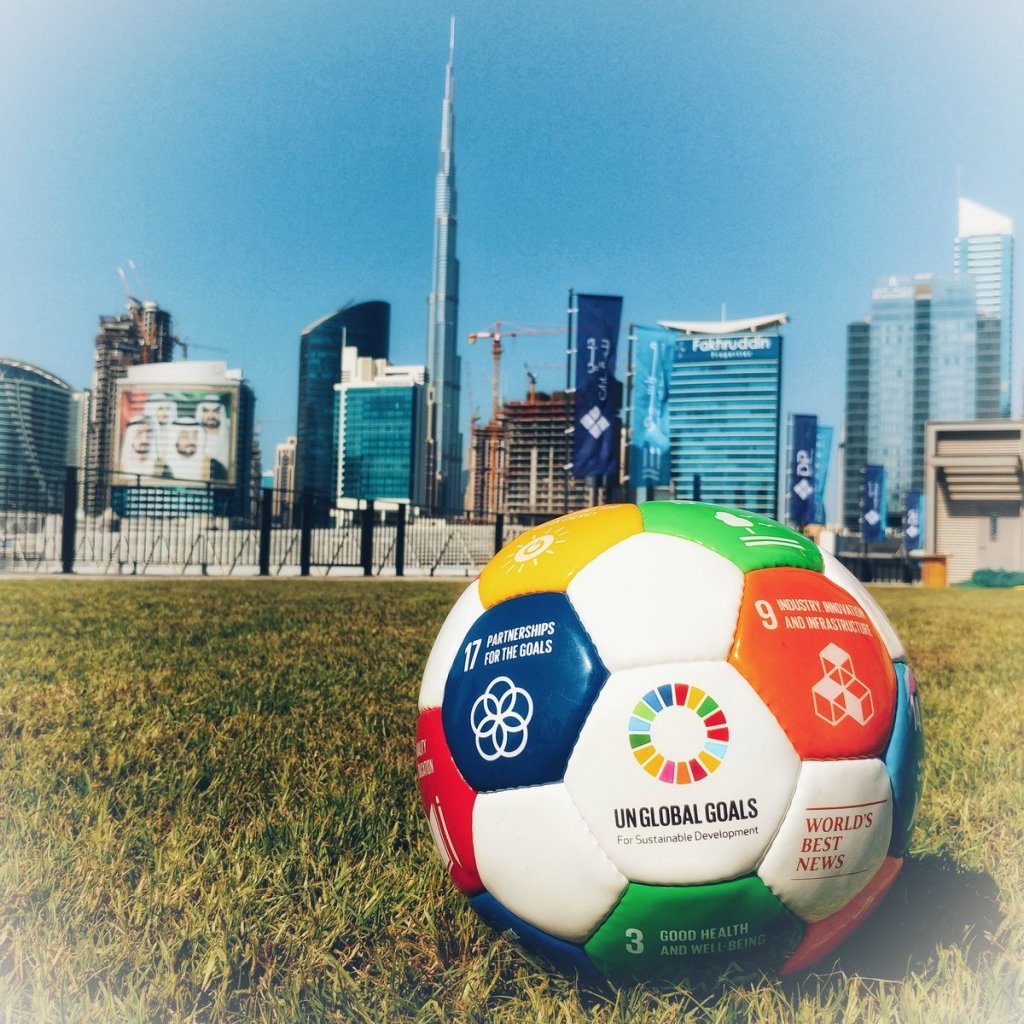
Twitter announcement relating to the Global Goals World Cup: https://twitter.com/ggwcup/status/954359377057652736

The Sports For All Federation (SFA) confirmed Saudi Arabia would deliver it’s first-ever Global Goals World Cup (GGWC) to boost the population’s health through sport. Women are welcome to participate by hosting activities, events and programs orientated around promoting endless positivity across their local communities.

The tournament will kickstart in 2021 and involves a 5-a-side football competition where the winning team can play at the GGWC finals in New York, sponsored by the SFA.

The competition embeds all the values Vision 2030 stands for. Vision 2030 is Saudi Arabia’s strategic framework to diversify its economy through sport, tourism, health education and recreation. The Land of the Two Holy Mosques has established many breakthrough female sporting stars such as Rasha Al-Khamis as their first female boxing coach, Sham Al-Ghamdi as their first football referee and Roa’a Al Sahhaf creating the Kingdom’s first Aerial Arts Yoga Studio.

Budweiser score with marketing activation commemorating Lionel Messi

Written by Omari Coates, Founder of The Final Whistle

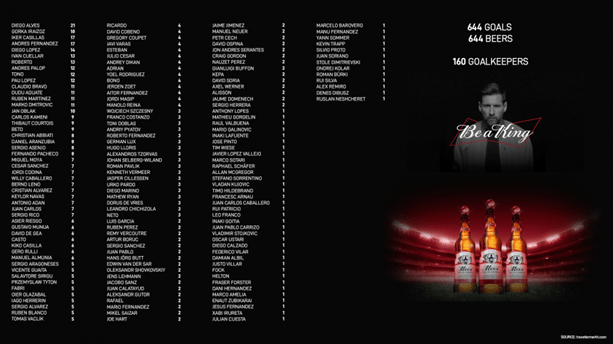
With Budweiser recently signing global football icon Lionel Messi to a partnership deal, the two parties collaborated to produce content highlighting Messi’s goal-scoring achievements. In December 2020, the FC Barcelona forward broke Pele’s record by scoring his 644th goal at the club.

To mark the occasion, brand partner Budweiser sent out 644 personalised beers to the 120 keepers who were on the receiving end of Messi’s goal-scoring ability. This marketing activation was unique as it celebrated such a huge milestone for an all-time great athlete. Nonetheless, it also shows how brands and athletes can utilise each other’s platforms to create organic content that is both engaging and entertaining.

JD Sports buys Shoe Palace for $325 million to expand within U.S. footwear market

Written by Omari Coates, Founder of The Final Whistle

Britain’s biggest sportswear retailer JD Sports has recently acquired U.S.-based shoe retailer Shoe Palace in a deal worth $325 million. Shoe Palace was established in 1993 and has remained a family-owned business run by four brothers from the Mersho family. JD Sports representatives stated, ‘the deal would expand its footprint in the U.S. West Coast and increase its appeal among Hispanic and Latino consumers, who form a significant proportion of Shoe Palace’s customer base’.

JD Sports are continuing to grow their presence within the U.S after acquiring Finish Line in 2018 for $558 Million. JD Sports has also recently opened a flagship store in Times Square, New York, highlighting its strategic approach to expanding retail operations in the U.S.


That’s a wrap! How competitive will the KFConsole prove in the gaming landscape? What challenges still lie for Reebok’s comeback? Is Saudi Arabia entering a new era with the GGWC? Is Budweiser already contenders for the best marketing campaign of the year? And, could other sports retail brands follow suit to JD Sports’ latest initiative?

What trends can the sports industry expect in 2021?

Happy new year to one and all! Despite the coronavirus still prowling about, the sports industry remains innovative with its developments! 2020 has caused the sector to seek new ways to champion social inclusion, generate revenue, and engage audiences without much live sport. Whether you’re a sports fan, professional or enthusiast, here’s what 2021 has in store.

Influencer led-sport

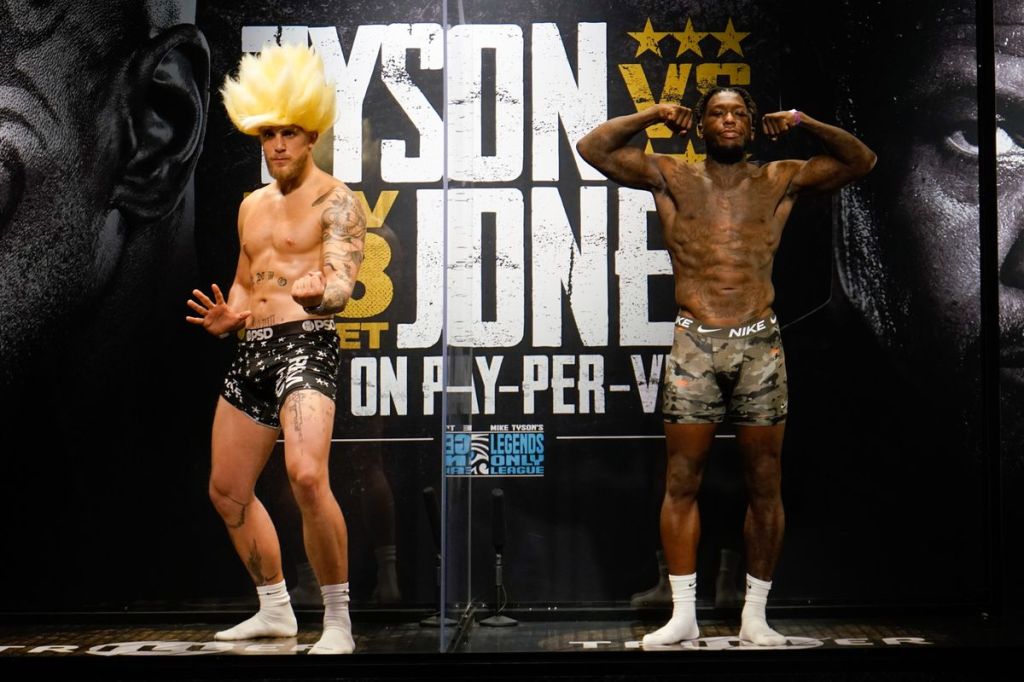
Jake Paul vs Nate Robinson weigh in snapshot: https://bit.ly/2LcnYJv

Boxing has caught the new generations sports culture bug. YouTubers, creators and influencers are edging the sport towards an entertainment entity that has established multiple debates about boxings sustainability.

Online personalities KSI and Logan Paul have opened a realm of marketing opportunities for boxing since their fight in late 2019, promoted by Matchroom Boxing. Late January saw US influencer, Jake Paul defeat UK creator, AnesonGib, in a first-round TKO during Miami fight night. Jake then featured on the Tyson vs Jones Jr undercard against former NBA star, Nate Robinson where he fiercely stopped the retired basketball player in two-rounds.

The influencer/YouTube boxing extravaganza has established exceptional levels of brand awareness from the next-gen. KSI vs Logan Paul 2 gave DAZN over 79,000 new followers, the event was their 3rd best-selling fight of 2019, produced more PPV’s that AJ vs Ruiz and the DAZN mobile app became the most downloaded app during fight week.

Tyson vs Jones Jr drew in close to 1.6m PPV buys, where Jake Paul reportedly contributed to 40-50% of the total sales. The Ohio born has high ambitions for his combat sports career as he’s been involved in controversially challenging many MMA stars for a boxing match. Some names include Conor McGregor, Nate Diaz, Dillon Danis, Ben Askren and Michael Bisping. It rustled several feathers across the combat sports world, but he became Googles highest search result under ‘The UFC’, ‘Dillon Danis’ and ‘Conor McGregor’.

US rapper Snoop Dogg has teamed up with streaming service, Triller, to establish ‘The Fight Club’. This is a celebrity boxing league where high-profile figures can sign up to a series of fights. Plus, February 2021 could see the craziest but the richest exhibition boxing match ever held between 50-0, Floyd Mayweather, and 0-1 boxer, Logan Paul. Could the world go any wilder?!

2021 will see more upcoming athletes focus on branding themselves as multi-entertainers rather than pure sportsmen and women. KSI’s former boxing trainer and pro boxer, Viddal Riley, has applied this by establishing a YouTube channel, multiple music albums and a clothing line. His marketing efforts resulted in him receiving a contract under Mayweather Promotions. US sensation, Ryan Garcia, has also committed to becoming a social media star which sees him acquire millions of followers online and regular YouTube content collaborations with other influencers.

Influencer-led sport has changed the game. Sporting ability will always serve you well, but, building a significant following provides an athlete multiple ways to engage an audience.  

The evolution of sports commentary

More influencers, creators and personalities are gaining traction for reacting to sports events. UK YouTuber, True Geordie’s Kick Off show has grown to accumulate 890,000 hits on average. British creators AnesonGib, Behzinga, and Joe Weller, were official commentators for KSI vs Logan Paul 2; they brought a massive combined digital reach of 10m+ for a commentary team. Plus, Tyson vs Jones Jr saw US rap legend, Snoop Dogg, as an official commentator that garnered enormous social media attention.

2020 has altered sports content consumption habits. Influencers are now viewed as the modern-day idols for millennials. Not everyone is interested in hearing Sky Sports post-game analysis of the North London derby. Instead, fans want to tune into AFTV to listen to the heated words their fans have to say. The YouTube channel has 1.25 million subscribers alongside 913.5 million viewers, now that’s some extraordinary digital presence for average Arsenal supporters!

The attention from internet sports pundits marks a lucrative opportunity for broadcasters to boost commercial gain. Commentary options could become included in standard sports packages where sports fans can choose who they hear live match punditry from for a fixed price. Now wouldn’t that be a way to kickstart 2021!  

The professionalisation of esports

Esports has sent shockwaves across the sporting landscape. While everyone’s been at home with little to do during lockdown, online content consumption rates have surged by over 39% across social media, gaming, streaming and TV.  

The ePremier League Invitational kept football fans entertained during the summer. This was a FIFA tournament amongst multiple players seeing millions of fans tune in. This year’s edition saw over 52,000+ peak viewers, 235,000+ hours consumed and 13,000+ average viewers tune in.

Many footballing stars and properties like Sergio Aguero, Gareth Bale and Aston Villa set up their own esports platforms to entice the next-gen. The narrative of sports supporters has shifted. Clubs are no longer the most precious assets for a general fan; the players are the ones with the most leverage.  

2021 will be the year esports edges closer to becoming professionalised due to the attention its grip on Gen Z & Alpha. The World Championship League of Legends (LoL) finals this year saw over 45 million peak concurrent viewers tune into the occasion, significantly more than a UEFA Champions League final!

Augmented Reality to shape up the future of fan engagement

COVID19 has forced sports content to step up with matchday absences proving a substantial fan engagement deficit. Some tech companies have found significant wins throughout the pandemic. They’re the ones who can capitalise on supporting sports properties to improve the stadium and home viewing experience through Augmented Reality (AR).

BT Sport and EE formed an AR partnership in 2020 for fans to access a 360-degree virtual in-stadium experience through the BT Sport app. Valencia became the first La Liga club to develop an AR partnership with ImagineAR to create a new entertainment entity for fans. The collaboration also supports upcoming sports medicine enterprises in the town, which links with Valencias project, ‘Startup Valencia’. The National Basketball Association (NBA) began producing live sports betting telecasts to encourage responsible gambling amongst its consumers through displaying real-time odds.

With sporadic spectator returns, virtual fan banners have supported fans to feel as close as possible to the game.

2021 will witness AR continue to revolutionise the industry through innovative game experiences. Videoboards will become treated like advertising space for consumers; sports stadiums could introduce larger video space in-stadiums for premium members to optimise gate revenue. Plus, digital avatars could become downloadable through club apps that act as virtual assistants for fans during a sports match.

Mass-spectator attendances will become even sweeter for the average fan. Sports events will become more personalised as clubs generate substantial volumes of data around their beloved fans.  For example, instead of consumers ordering food and drink at a bar, we could start seeing their requested beverages or meals being directly ordered to their seat in advance through innovative technology. 

Sports Streaming to dominate sports broadcasting

The prosperous rise of DAZN, Amazon Prime and Twitch has proven a threat for traditional broadcasters like Sky Sports and BT Sport. This is due to sports consumption habits differing due to the rise of next-gen audiences in sport.

Multiple sports properties have initiated joint agreements with streaming services last year. Arsenal, PSG, Juventus and Real Madrid signed up to Twitch to establish fan-orientated content for another engagement avenue with their global fanbases. Spurs’ released the ‘All or Nothing’ documentary on Amazon Prime, which boosted their e-commerce strategy by releasing documentary-tailored merchandise. Triller hosted the Tyson vs Jones Jr fight, and they’re planning to host an array of sport and entertainment content in the future from the successes achieved from the bout.

Streaming platforms have found their sporting achievements because they’re missions resonate with sport transforming into an entertainment business. This is why these channels will grow, and their rise will cause struggles for broadcasters like Sky Sports and BT Sport. Younger audiences will keep shaping modern-day sports culture and the norm of sports consumption.


2021 will be an exciting year that sees sports content tailored towards the next-gen, influencers leading the evolution in sports entertainment, a new era for diverse sports culture alongside technology leveraging a new sporting audience.

Exclusive interview with Paul Kirton, Managing Director at Grassroots Football UK

Paul Kirton was once a youngster who was passionate about the beautiful game from the grassroots level. Now, he’s the managing director at the nations leading organisation for grassroots football. His career has included hard-work, determination, resilience and passion which he decodes for you in this weeks interview.

Q1) Paul, it’s a pleasure to have you on Ash’s Sports Talk. Would you mind kicking this off by sharing how your sports career began?

I didn’t have much of a sports career as a youngster. However, my passion for grassroots sports was introduced to me when I was 7-8 years old. I used to be a football coach for adult and children, which led me on a journey to set up the first-ever independent grassroots football company, Grassroots Football UK. What’s great about my role is that it embeds grassroots sport in every aspect, such as, my office is a football pitch, my uniform is a tracksuit, my laptop is a coaching van, and this is the environment where I’m most comfortable.

I’ve always loved football due to the purity of the sport. The grassroots level is the most original form of the game, which isn’t the same at the game’s elite class. Nothing gives me more satisfaction than watching football at the grassroots level for this reason.

Q2) I’d love to visit your position at Show Racism the Red Card. What inspired you them, and what is the organisation trying to achieve?

Show Racism the Red Card are an anti-racism organisation to give football higher prominence, and the organisation has been established for decades. They’re involved in lots of educational work, and once I found out what they do and how they do their job, it was impossible not to be involved. Considering my experience working with diversity and inclusion as a former coach, I became the company’s patron, and I loved it. I’m responsible for guiding the organisation on policies and efficiently reaching the grassroots sports audience.

Q3) With the unfortunate social injustice football has experienced for several years, what positives have you seen the game make? Plus, what more do you believe needs to be done to alleviate the game into a more equal and diverse industry?

The positives have included people doing what others see. While I was a child, I watched Match of the Day, and I saw John Barnes, who looked like me, and I automatically wanted to be him. This made the experience when I was playing more believable that I was John Barnes. The game has made significant strides to bring more diverse communities into the game. Including black players as seeing players like Raheem Sterling and Wilfred Zaha grace Premier League soil is bound to inspire many from the next generation.

Unfortunately, I haven’t seen the same growth in the Asian community. There are certainly opportunities to grow the Asian game if you can effectively remove the barriers. Grassroots Football UK set up some projects and travelled to Kingston upon Thames and met some 70-80-year-old South Asian ladies to identify why football wasn’t involved in their lives. They answered that they feared participating due to their backgrounds, and that felt like they’d never get given the opportunity. However, if these issues were alleviated, they’d jump at the first chance. I then decided to take these ladies to a local football game, and once they were exposed to that environment, they loved it! This demonstrated that once you openly welcome someone into an environment, it breaks down any barrier, stereotype and anyone who refuses to believe we’re all human!

Essentially, it’s been positive to see the increase in diversity achieved by reaching out to deprived communities which have come along way in the last twenty years.

Q4) Tell me more about your work at Grassroots Football UK. What does your role look like day-to-day, and what is the ambition behind the organisation?

We’re currently waiting on announcements as we had lots of plans postponed due to lockdown taking place. The grassroots game has been in flux at present. We’ve had a positive obligation to keep football moving, and the ambition is to be the number one organisation leading grassroots football.

The journey to forming Grassroots Football UK began from me organising a sponsored walk, and I had to get a sponsor form for others to sign. Still, I couldn’t find one after contacting multiple sports organisations like the County FA and football leagues. I made one myself in the end despite not being the most tech-savvy individual. I then found many other sports organisations coming to me as they were experiencing the same problem. Once I garnered more attention, I decided to formalise the sponsored event by creating a website and identity which leveraged a team and a network. Now, we have our own media arm where we make our own coaching videos, exclusive interviews with County FA’s and Leagues and much more!

I love what I do because it makes a life-changing impact. For example, a coach had a child who has three fingers, and it was challenging to find goalkeeper gloves for him. I wanted to help him, and I set off to a factory to design, create and stitch some gloves tailored for his needs. To this day, he now has them and finds it superb as it allows him to do what he does best. This proves that I don’t expect an applaud for my work; I do it because it’s the right thing.

Q5) I appreciate throughout COVID19 that grassroots football has taken the most massive deficit across the football pyramid. How has the pandemic impacted business, and what positives have you taken away from this experience?

Of course, it’s easy to blame COVID19 for the problems we’ve faced today. However, grassroots football has struggled with a lack of funding for decades, whereas COVID has had a contemporary effect on the game. A genuinely positive factor I’ve seen from the pandemic has been football clubs uniting a stronger relationship with their communities. Marcus Rashford’s free school meals campaign has helped enormously by various grassroots clubs providing similar support to their communities. Despite things being more unstable than ever, grassroots clubs were the first to jump in and support their people which showcases that we don’t do this because we have to, we do it because we want to.

Q6) You’ve achieved lots throughout your sporting career. However, as we both know, the sports industry is full of constant challenges. What are some of the most significant challenges you’ve experienced throughout your journey? Also, how have these experiences moulded you into a more resilient asset?

COVID19 has recently been the most significant challenge. I remember March 21st being a very dark day for grassroots football and society as nobody knew what would happen or come out of it. However, when we came back from the 1st lockdown, it transformed us into better coaches as we had more time to think about how we can deliver more robust session plans and best practices. COVID19 proved to be a good time for coaches to coach while parents wouldn’t have to worry about their children winning, losing or drawing. We learned how to do risk assessments during this time, such as what does a suitable risk assessment and COVID secure look like.

It’s essentially made me a resilient asset as we’ve proven to adapt well to edge closer to our goal of becoming the number one grassroots football organisation.

Q7) Paul, reflecting on this discussion and your career, what is your killer piece of advice for someone wanting to pursue a career in sport?

Never give up. If I gave up at first hurdle, I wouldn’t be here today. I remember coming up with the idea to create Grassroots Football UK; I was laughed at by everyone. If I accepted this, grassroots football wouldn’t provide educational services to thousands of coaches, teams and clubs. Plus, don’t always listen to others and trust your gut. 


Incredible! What a superb interview with Paul. His journey may be an unorthodox one, but it worked out to provide an invaluable service to ensure grassroots football gets as much resource as possible to continue making an impact throughout the entire football pyramid. The essential learnings I’ve taken away from Paul’s career include always going with your gut, champion a cause that’s close to your heart and never ever give up!