The AST Wrap-up: Santa’s delayed delivery of sports business news!

I wish a Merry Christmas to those celebrating. However, it wouldn’t be a Sunday without your weekly edition of sports business news right! This week sees the MLS introduce their first black president, Anthony Joshua takes action to keep amateur boxing alive, and FIFA enters the streaming space. The National Hockey League seeks additional revenue streams while tennis introduces a new sponsor for the Queens Club Championships!

History has been made in the MLS

Danita Johnson, the new head of business operations at MLS franchise, DC United: https://www.mlssoccer.com/post/2020/12/22/dc-united-appoint-danita-johnson-head-business-operations-making-her-first-black

Major League Soccer (MLS) club, DC United, sees Danita Johnson as their new president of business operations. This move see’s Danita as the first black but third female president of an MLS property. Johnson will transition from Women’s National Basketball Association (WNBA) side, the Los Angeles Sparks, where she was their president and chief operating officer.  

Previously, Danita has proven to develop and inspire a new lease of work culture by innovatively engaging with working communities. She increased the Sparks’ ticket sales by 50% between 2014-2017 by establishing a winning culture and holding the ambition to make American Soccer history.

Anthony Joshua takes action to keep amateur boxing rolling with the punches

British boxing champion Anthony Joshua at Finchley Boxing Club: https://bit.ly/3pca5Ka

World Heavyweight Champion, Anthony Joshua, has provided a generous donation to amateur boxing federations across England, Scotland and Wales. Multiple boxing clubs have been forced to close due to COVID19 restrictions, leaving many boxing clubs in need of as much financial support as possible.

The Watford local has openly admitted that his younger years saw him affiliated with a life of crime and surrounding himself with the wrong influences. Boxing helped AJ escape that regime which has not only changed his life but inspired others to see the bigger picture as he did.

Grassroots sport has experienced challenges around funding for years before COVID19. Therefore, the grassroots game must receive as much financial backing as possible to demonstrate sport to be a societal development tool.  

Could we see FIFA enter the sports streaming landscape?

Footballing legend, Cristiano Ronaldo, celebrating: https://www.goal.com/en/news/what-does-cristiano-ronaldos-siiiiii-celebration-mean/1sdbp1s7pf35zcpc5yej22go

The Daily Mail reports that footballs largest governing body, FIFA, could launch their own direct-to-consumer streaming channel. The service is likely to include coverage from FIFA’s youth tournament, esports initially and plans to distribute archived FIFA World Cup footage.

The launch date is to be confirmed alongside whether a subscription is necessary. It’s fair to say FIFA has been influenced by Europe’s Football Association, UEFA, with the ignition of Uefa.tv which is free Over-The-Top content for all fans.

The National Hockey League could make up to $15 million from helmet sponsorships

The National Hockey League (NHL) has high hopes for their recent helmet sponsorship initiative to make $15 million from the deal. Major sides such as the Toronto Maple Leafs and Montreal Canadiens could acquire $1 million from this; however, smaller sides will likely demand less.

Helmet-based sponsorships intend to maximise revenue generation to recover from the deficit caused by COVID19. Helmet sponsorships won’t be considered as ‘newfound money’ as the inventory will be provided to sponsors as ‘make goods’ for behind-closed-doors games.

Analytics firm, Navigate, has discovered. Helmet sponsorships have the potential to be valued by as much as $2.5 million for the average team in fair market value. 14% of league revenue was lost during the pandemic for the NHL alongside operating income reducing by 68%. The demand for increased income is imperative to keep the NHL running at an elite level, could this initiative prove useful for other sports?

Meet your new Queen’s Club Championships sponsor; Cinch!

Match-day shot at Queens Club Championships: https://tenniseventguide.com/queens-club-championships

The Lawn Tennis Association (LTA) welcomes car selling platform, Cinch, as their new title sponsor for the Queen’s Club Championships. The four-year sponsorship agreement will commence in January 2021, and the ATP 500 event will become renamed to the Cinch Championships.

Fever-Tree previously held the position as title sponsor from 2018-2020, but the deficit from COVID19 stopped the tonic water brand to secure rights for the competition.

2019 saw Cinch enter the car selling market, and they’ve quickly proven to be significant competitors in the e-commerce space for car buying. Their involvement with the LTA will promote tennis to a broader audience and improve the tournament’s and British Tennis’ visibility.


That’s a wrap! Are we beginning to enter a new era of diversity at the upper-echelon on sport? Is Anthony Joshua’s financial commitment enough to keep the amateur game breathing? Will FIFA’s new channel prove a genuine competitor in an overly saturated market of streaming? Could the NHL’s method to drive sponsorship revenue be efficient for other sports? And, how beneficial will Cinch’s involvement with the LTA be for the profile of British tennis?

Exclusive interview with Purves Ali; what makes an effective football scout?

Ash’s Sports Talk is listed in the top 100 sports news websites on Feedspot, waste no time and join one of the most informative sports business communities on the web below!


Purves Ali is a ‘jack of all trades’ having stepped into coaching, scouting and business development, and is the Founder of the Professional Football Scouts Association (PFSA). He’s achieved an array of successes throughout his sports career including his current scouting company being endorsed by footballing stars Ryan Giggs, Shaun Goater, David Dunn and more! This interview sees Purves touch on how his sports career journey began, the value of transferable skills and what makes an efficient football scout.

Q1) Purves, it’s brilliant to have you on Ash’s Sports Talk. Let’s kick this off by understanding how your sports career began?

As a young lad, I played multiple sports, including boxing, cricket, and football. While being a youth, I had a season and a half playing for Accrington Stanley FC. The passion for sport then began to grow on during my childhood, when I was 12-13 years old, I picked up a pair of boxing gloves and started boxing which led to me, unfortunately, breaking my hand. Sports participation was my luxury during my childhood compared to kids playing video games during this era.

However, my sports career kick-started when my son started playing football. This inspired me to run a junior football team which eventually found me become the chairman of the club. With patience, hard work and commitment, I got headhunted by the head of recruitment at Manchester United, Derek Langley, to be a scout. Now, I’m proud to be the Founder of the PFSA who are the Pioneers of the Scouting Industry.

Q2) The Professional Football Scouts Association looks fantastic. Could you share what inspired you to start this project, what it represents and the future ambitions you have for it?

When I was appointed as a scout, I was under the guidance from Derek Langley and Mike Glennie, both are responsible for me getting were I am today. I really enjoyed the role at the Red Devils, which is where the inspiration came from to set up The PFSA. I knew more could be done to promote scouting in football, in the sense of educating more people through it, providing players with more robust support and creating stronger bonds with governing bodies.

The PFSA has been around for over seven years now, and it’s seen a multitude of successes. Including ourselves building networks across Australia, UAE, Croatia, South Korea and more. Plus, our courses have been accredited by my former club, Manchester United. Regarding future ambitions, we want to keep pushing to provide as much value as possible for our stakeholders worldwide.

Q3) I see you’ve had a massive career history external to sport, particularly in business development. How has this benefitted you developing transferable skills to stand out in the sports industry?

I consider myself to be very lucky as I’m a father who’s worked in multiple trades, including paper rounds, working on the markets, doing the milk round and being an electrician. I also did an apprenticeship in engineering which sparked lots of enthusiasm in me to become an entrepreneur. Soon enough, as I developed more working experience, I started my own engineering company. Starting my own business taught me lots of fundamental but transferable skills such as being able to network, not being afraid to work for free and people skills.

Regardless of where your experience lies, many values resonate well when working in sport. Such as etiquette, behaving differently depending on who you’re working with, staying humble, networking and being respectful. It’s fair to say lots of my success has been from networking with excellent and influential people; this has led to opportunities in business and developments in my career.

Q4) What have been some of the biggest challenges you’ve faced in the sports industry? And, how have these experiences developed your character in a super competitive sector?

At the PFSA, we’ve always been open to working with anyone, including governing bodies. However, the same reception hasn’t continually been received back. The nature of scouting can be complicated. For example, when we turn up for games, scouts don’t talk to each other, which is what I teach our members at the PFSA. The lack of transparency as a scout can be challenging, but this builds resilience and a strong sense of initiative.

When working in football, there are always daily challenges, but ultimately, you’ve got to put your head down and get on with it. You’ll have long days, it’s not a typical 9-5 job, but you get used to it.

Q5) Throughout your work in the football scouting world. What are the most important values that create a successful and effective scout?

Integrity, honesty and communication. When people invite me to scout at a game, I’m always honest whether it’s optimistic or brutal honestly. Honesty can hurt but giving false hope is worse. For example, if I were scouting a player as a potential recruit for United, despite how talented they may be, I’d always stick to my gut when deciding on bringing them into the club or not.

When scouting, it’s also vital to know your club inside and out when recruiting players. You could be scouting one of the hottest young prospects, but you’ve also got to ask if they’re the right fit for the club. What I mean by this is interpreting their mentality fitting in with your club’s values, does their playing style marry well with your other recruits and can you see them in your jersey for years to come.

Plus, despite the growth in technology to support scouts with their roles, you’ll never get a better perception of a players ability than your own eyes. Therefore, having the dignity never to decide on recruiting a player unless you’ve seen them physically is imperative.

Q6) On the topic of values, what skill-sets have been imperative to driving The PFSA to be the successful business it is today?

Working with people, remaining authentic and creating a network with the right people. Plus, I always try and mentor my team when I can as that’s important for continuous professional development. Patience is another factor to master when it comes to scouting as you can’t expect to find the next Wayne Rooney overnight.

Q7) Purves, reflecting on your sports career journey, what is your killer piece of advice for the new generation to pursue a career in the industry? 

Work hard, do your research and find a role model. I coached and watched football, and now I get to do what I love. Don’t be afraid to volunteer as something could come out of it to give you your break.


I enjoyed this interview with Purves. It was a genuine eye-opener about the amount of detail that goes into a football clubs recruitment process when scouting for the next top talent. Aside from that; it’s inspiring to see how Purves’ successes have accumulated from nothing but hard work, determination and positivity.

The AST Wrap-up: broadcasting, sponsorship, esports and more!

2020 has been a roller coaster of the year, particularly for sports business! This week sees Rugby, and the BBC take their relationship to another level, Disney continues to disturb the status quo of broadcasting, and Continental Tires supports Asian football to reach new audiences. The third eChampions League is announced, and Formula 1 goes eco-friendly!

The BBC continue to present the Challenge Cup until 2024

The Rugby Football League’s latter stages remain on free-to-air TV from 2022-2024 through the BBC securing domestic rights of the competition. Two rounds of each round of 16, quarter-finals, both semi-finals and the final will be aired across the public-service broadcaster.

The men’s Challenger Cup matches are a trademark for BBC Sport; live coverage has been distributed since 1958. However, the new agreement will provide the Women’s Challenge Cup Final with a profile through the broadcasters linear content.

2021 will be a massive year for Rugby League as three World Cups will be presented in the UK during next October and November. This will increase exposure towards the Women’s and Wheelchair Challenge Cup Competitions.

Disney set to disturb the sports broadcasting landscape

Disney theme park snapshot: https://www.espnwwos.com/

The global entertainment giants intend to initiate a solo streaming service across South America under their International Star + channel and distributing ESPN’s live sports content. Sports competitions included are the UEFA Champions League, Latin American football tournaments such as Copa Libertadores, Copa Sudamericana and four Grand Slam & ATP tournaments.

Disney’s Star + Brand has already achieved significant success across India along with its Hotstar platform, launching in South America provides endless potential for International growth.

Over 137m global subscribers have been accumulated to Disney’s streaming services which have created ambitions to produce a Direct-To-Consumer (DTC) business model. The US and Latin American sports fans will be able to subscribe to their platform for $7.50 per month or purchase a Disney+ bundle for $9.

The Asian Football Confederation skyrockets in sponsorship value

Japan vs Qatar during their AFC Asian Cup UAE 2019 Final match at Zayed Sports City stadium on 01 February 2019, in Abu Dhabi, UAE. Photo by Stringer / Lagardere Sports

German tire manufacturer, Continental Tires, have renewed sponsorship agreements with The Asian Football Confederation (AFC), significantly increasing rights value for the AFC. Continental will be a partner for the following AFC competitions: national tournaments between 2021-2024, Asian qualifiers for the 2022 FIFA World Cup, qualifiers for the 2023 Asian Cup and the tournament itself.

The tire company’s rights fees are reported to be valued double compared to the previous cycle, which now equates to $20-22m.

Continental will support the AFC’s marketing agency, Football Marketing Asia, in celebrating their 150th anniversary through the production of robust digital content campaigns. The tire manufacturer will also utilise virtual signage technology at the Asian Cup to build their relationship with the Chinese market further.

EA Sports and UEFA collaborate to deliver the eChampions League

eChampions League 2019 final event winner: https://www.ea.com/games/fifa/news/fifa-19-global-series-echampions-league-final-event-recap

It’s confirmed the two parties will produce a third edition of the eChampions League, a refurbished setup of FIFA 21.

The season will kick off on the 1 February which will see certified PlayStation FUT gamers compete in the international series. The knockout phases will take place May 1 and 2 with the quarter-finals scheduled to unfold on 28 May, a day before the finals. $280,000 is the prize up for grabs alongside the top three gamers earning a position in the FIFA 21 Global Series European Regional PlayStation 4 Playoffs.

The eChampions League has taken the European competition to a new scale to reach diverse audiences outside of the traditional sporting sector. Streaming service, Twitch, has been an integral driver to opening up opportunities for sport to become virtualised, which will shine through a realm of commercial possibility.

Formula 1 goes eco-friendly with 100% sustainable fuel

Formula 1 snapshot: https://www.motoringresearch.com/car-news/f1-bio-waste-fuel/

Formula 1’s governing body, the International Automobile Federation (FIA), has produced 100% sustainable fuel available for usage on Grand Prix cars. It’s been created from non-bio waste which is due to be supplied for Formula 1’s engine manufacturers for trial.

FIA aims to showcase the potential technology has to optimise engine performance which could inspire other fuel suppliers to develop their own oils. Engines powered by sustainable fuels is set to be released by 2026, which will open a new era for promoting sustainability in sport.

By 2030, Formula 1 has set themselves a go net-zero on their carbon footprint, and carbon neutrality will be targeted for 2021.


That’s a wrap! How will the BBC and Rugby prosper from their recent agreement? Does Disney have the potential to become sports broadcasting leaders? Are we one step further to receiving Asian sport more integrated into mainstream media? Wil the eChampions League leverage more attention that the UEFA Champions League itself? Plus, how many other sports properties will follow in Formula 1’s footsteps?

What impact will esports make in the Premier League?

Esports and the Premier League are bonding like a house on fire that was started by a games console overheating! The pandemic has exhilarated esports’ growth from the postponement of Premier League games, which has been an instrumental revenue generator to substitute the lack of match-day revenue. Clubs and players are forming esports teams and signing up to streaming services which produce thoughts around the sustainability of the Premier League during this digitalised era.

Draw reveal image for ePremier League Invitational competition: https://www.premierleague.com/news/1663986

The ePremier League Invitational Finals have accumulated 22 million viewers over the past two seasons. This years competition saw 52,000+ peak viewers, 235,000+ hours consumed and 13,000+ average viewers tune in. Despite the ePremier League Invitational being a content rescuer during COVID19, it’s enticed the younger generation to become the most influential audience at dictating how clubs create content. Premier League fans now support players the same way as their clubs. Football players are perceived as influencers to millennials which was the philosophy that contributed to the ePremier League Invitational’s success.

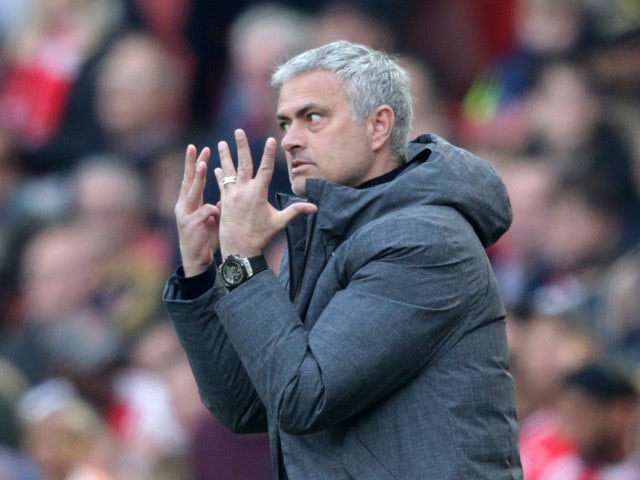
Spurs manager Jose Mourinho angry about Premier League scheduling: https://www.sportsmole.co.uk/football/man-utd/news/mourinho-angry-over-pl-scheduling_308193.html

Traditional sports broadcasters have struggled to keep their consumers engaged without esports during the global pandemic. Due to COVID’s deficit on revenue, Sky Sports & BT Sport resorted to listing Premier League games on Pay-Per-View (PPV) which didn’t plan out the way they’d hoped. Most fans boycotted the first set of games when the PPV model was introduced due to the extortionate expense advertised compared to original subscription fees.

Manchester City star Sergio Aguero launching esports organisation, KRU Esports: https://esportsinsider.com/2020/10/manchester-city-star-sergio-aguero-launches-kru-esports/

Premier League stars have also jumped on the esports wave. Manchester City striker Sergio Aguero has launched his own esports organisation, KRÜ Esports. The Argentinian starlet has been proactive throughout his injury spell by boosting his prominence across the online service, Twitch, by becoming a streamer. This marks as a lucrative opportunity to grow esports across the Latin American region while destigmatising the socio-cultural vision many have about video gamers. Welsh winger Gareth Bale has also set up his own esports team, Ellevens esports, which is made up of global streamers, gamers and content creators. Not only does esports endorse gamers, but also creators and other upcoming digital personalities to get their personal brand recognised through football.

Aston Villa launching Villa Gaming: https://www.avfc.co.uk/news/2020/december/Villa-Gaming-goes-live-/

Esports has become imperative to the marketing strategy of Premier League clubs. Aston Villa recently announced the establishment of ‘Villa Gaming’, an exclusive platform for fans to showcase their skills and abilities. Fans have the opportunity to connect their Twitch accounts to Villa Gaming. With the chance to win prizes including a PS5 and an Xbox Series S through the gaming channel. The platform leverages a broader audience from football as NBA 2k21 is available to play with other sports in the pipeline for 2021. Clubs like PSG, Tranmere Rovers, Stevenage FC and Wolves have inspired Villa on their gaming venture.  This is a compelling long-term strategy to keep younger audiences enticed with club content during the off-season from football.

The real question is what symptoms could the Premier League experience from esports’ trailblazing impact? Well, the attention of live football could become diluted with esports becoming the new norm for sports content. This could lead to esports becoming a professionalised league which sits in the same row as other traditional sports once the appropriate sponsorship and commercial partnerships are met.

Bookmakers will be the first to captivate new financial entities from esports growth. A new audience of Gen Z will be targeted by betting companies that are highly engaged with online gaming. Therefore, responsible gambling must be promoted towards younger audiences to ensure they remain knowledgeable around the risks of betting.

Finally, Gen Z and Alpha will remain the newest and most influential audience across the traditional sporting demographic that content will be tailored for by sports properties.

Exclusive Interview with Dave Evans, General Manager at the Reading FC Community Trust

This week saw me speak with the Reading FC Community Trust’s General Manager, Dave Evans. I currently support the Trust as a voluntary digital marketing consultant which has been an outstanding opportunity to understand how their work impacts the bigger picture at Reading FC. Dave exclusively speaks on how his sports career began, the importance of building a sports industry network and how he’s overcome challenges through his career and working for a sports charity.

Q1) Dave, it’s fantastic to have you on Ash’s Sports Talk. Can you share how your sports career began?  

Thank you for inviting me on and for all the help and support you are giving the Trust, appreciative by us all.

My sports career started very early, playing football since I was around seven years of age, I had an older brother; therefore, in my early years always played up a year in his team. I was brought up in Birmingham; football was massive with my team being Aston Villa, my dad and all my uncles were Villa fans. No one from my family was involved in sports professionally but all mad football supporters. My dad loved all sports. Therefore, we watched sports on TV, from showjumping to snooker, football to formula 1, all my idols were sportspeople – Muhammad Ali, Pele, Maradona, Daley Thompson, Ian Botham and James Hunt.

At the age of 12, my family moved to mid-west Wales; basically in the middle of nowhere, which was a bit of a shock. However, this was a turning point in my coaching career as I met a couple of gentlemen called Chris Franklin and Richard Holiday who were both English and ran a youth club/ football coaching centre. Every school holiday I attended the football camps, eventually started working as a coach and then full time all year round – Chris also took me to WBA where I had trials with the late great Nobby Stiles.

At the age of 18, I left home to move with my then-girlfriend now wife’s family and got a full-time job at a local Leisure centre, thus began my real apprenticeship. Over nine years, I was qualified in the following:

  • Football coaching – preliminary badge
  • Gym work
  • Aerobics
  • Trampoline coaching
  • Tennis
  • Circuit training
  • Step Aerobics
  • Line Dancing

I ran several sports coaching sessions for both children and adults; I was also playing football at a semi-professional level; I was also going out to schools delivering PE sessions and coaching school football teams.

At the age of 27 [9 years at the Leisure centre] Neil Smiley spotted me coaching at his son’s school and asked me if I would like to do the same job but for Wycombe wanderers Community Trust at the football club. After successfully being interviewed, I became the manager alongside my colleague Nas Bashir. Neil had been a Reading FC legend and was/is an excellent coach, I also worked in the football academy and was able to watch Neil and other coaches coach, Nas himself was an ex-player and a great coach, I was like a sponge learning from good, bad and indifferent coaches.

Nas left after about five years [moving to Reading FC] leaving me to manage the Trust, I then completed both my A license [football coaching] and my degree in sports management. Fortunately, I had good relationships with both the owner Steve Hayes and the chairman Ivor Beeks, Steve, in particular, was a significant influence on me, and turned my interest to the business side of the sector, coming off my degree I was much more confident with budgets, accounts, business plans etc.

After 13 years as the Community Trust Manager, Reading FC came knocking with a colleague of mine Lee Heron moving from his position as Community Trust Manager to a role within the academy, I was asked to interview which I was successful, and in November 2008 I became Community Trust Manager at Reading FC.

Q2) I appreciate your role at the Reading FC Community Trust is a diverse one. What does your role consist of day-to-day and how integral are the Trust to Reading FC as an organisation?

As manager of the Trust, it’s my responsibility for the growth, development, overall governance and financial stability of the organisation.

Day to day, I work alongside my senior managers regarding their specific projects and initiatives, especially around KPI’s, management accounts, forecasting and monitoring and evaluation.

Day to day l work alongside the football club senior managers ensuring the Trust is in line with the club’s off-pitch activities and schemes of work.

I also work very closely with my Trustees, especially 3 of them who work as a steering group with me specifically around, finance and governance.

I regularly communicate with our primary stakeholders and funding partners-

  • PFLC – Premier League Community Fund
  • EFLT – English Football League Trust
  • PFA – Professional Footballers Association
  • FA – Football Association
  • Local Authorities – Reading, Wokingham, West Reading, Bracknell
  • Charities/Organisations/Businesses

The Trust is a charity, therefore, a separate entity to Reading FC, however, we act as the Football clubs charitable arm using the power of football to impact our local and surrounding communities positively.

Q3) You’ve had a long-serving career in community football. Can you share some important lessons you’ve learnt throughout being a community manager?  

  • The power of football regarding positively influencing people’s lives – over the last 23 years I have helped develop/deliver/monitor/evaluate/produce several initiatives which contribute in a positive way to somebody’s health and wellbeing using football as the number one engagement tool.
  • It’s a privilege to be in a role whereby you can help people positively change their lives, tackle issues around loneliness, obesity, drugs, violence, and other social problems.
  • Educating football clubs around their social responsibilities, if you say you are a Community Club then prove it, use the CCO’s as a vehicle to get into the local and surrounding communities to help with their issues which in turn will grow the club’s fan base ensure the next generation of club supporters but also leave a legacy behind, engraving the club’s position within these communities.
  • Listen to what people are saying, do not presume that you are the front of all knowledge – at my previous club I was told by the board that they didn’t see an issue regarding racism within their club, they boosted of the amount of black and dual heritage players that were at the club but oblivious to the fact that they had one full-time black member of staff [the cleaner] and one full-time Asian member of staff [Community Trust Ethnic Minority Officer] all other full-time positions were held by people who were white.
  • To achieve change, hit your KPI’s and objectives; we must work in partnership. Solo work will only touch a certain amount of people; partnership work will help increase these numbers and ensure leading providers are all working to a similar schedule.

Q4) I appreciate the Reading FC Community Trust have a robust network of partners, stakeholders and organisations that contribute to your vision. How important is having a network in the football industry to achieve success?

As a charity, we are hugely dependant on funding. Therefore, a strong network of partners and stakeholders enables the Trust to increase its funding opportunities to a broader range of funders. By working in partners empowers the Trust to engage with a more comprehensive range of participants and helps to achieve maximum outcomes and objectives.

The CCO network spans over division 1 and 2, the Championship and the Premier League with 92 clubs. This network of organisations only makes the CCO’s stronger, sharing best practices, good governance, shared activities and schemes of work but more importantly, a support mechanism for heads of community and project leads.

To tackle social issues around racism, discrimination, social bias, gender bias and a whole number of national/local issues, the football network, as we have seen with both Marcus Rashford, Raheem Sterling, can be powerful, effective and be a catalyst for change.

Q5) What have been some of the most challenging moments during your time there? And, how have these challenges enhanced your sports career development and organisational development?

Changing from a limited company to a charity was a massive shift. From one perspective, it was a great decision; however, a few years down the line; parent football clubs see this as an opportunity to devoid any responsibilities or ownership to the Trusts. This made it occasionally a very lonely place to manage, both the EFLT or the PLCF have no power or authority over their membership clubs regarding CCO’s. Therefore, we are, at times, massively vulnerable.

Strong leadership and governance through senior management and Trustees help with this issue, with experience these scenarios become less surprising, a greater understanding of owner’s main priorities and objectives help to keep expectation levels at a realistic level.

Knowing what’s needed regarding community needs to what’s achievable is a critical factor regarding the football club. As soon as anyone mentions charity, peoples perspective is of a service which is free of charge; if you have a billionaire owner, then funders/supporters/potential sponsors will also have a different perspective on what you are providing.

Equality, Diversity and Inclusion can be words that are used to help receive funding bids or win awards, to make differences and to change opinions these need to be part of the DNA in both the CCO and the football club. This is a challenge which is being highlighted through various campaigns [black lives matter, rainbow laces] CCO’s naturally will demonstrate EQ&I through their workforce and diversity within their activities, linking this up with parent clubs can be a challenge. However, I feel in 10 years we will see a change.

Q6) What further support do organisations like the Reading FC Community Trust need to optimise maximum impact in hard-to-reach communities?

To engage with these so-called hard to reach communities, CCO’s will need to have useful contacts within them, create role models from these areas to educate and inspire young and older adults. Realistic pathways are required for participants to go onto, creating opportunities for employment, education and participation.

CCO’s get support from the PLCF and the EFLT regarding funding, especially for projects that impact participants from underrepresented areas, areas of deprivation or high-risk anti-social behaviour. Projects/schemes of work within these areas are complicated to become self-sustainable as income is meagre and secondary spend will be limited, CCO’s need national/local funding to be able to continue to deliver activities within these areas.

Community groups are also crucial for projects to become successful within these targeted areas, diversity in workforce needs to be looked at and assessed, and an understanding of the need for that specific community needs to be fully understood.

Q7) Dave, reflecting on this discussion and your sports career, what is your killer piece of advice for someone wanting a career in sport?

  • Be prepared to work hard and be patient in moving forward
  • Create good networking opportunities
  • Develop good communication and personal skills
  • One of my key mentors told me to choose my attitude before your day starts. If you know it’s going to be a busy or challenging day, do not take a negative attitude whereby you moan or complain all day, take a positive attitude to make the day successful. This has kept me in good stead throughout my career, I have recently been able to press the reset button and then choose my attitude towards a task or issue rather than keep going, take a moment to reflect, reset then move forward.

Wow, what an interview! Speaking with Dave has felt like producing a sports documentary with all the experiences he’s accumulated to get him where he is today! I’m astonished by his proactive attitude to make his sports career play out like the snowball effect. However, this is how the best opportunities present themselves!

The AST Wrap-up; any idea what the highest PPV fight could be for 2020?

Ash’s Sports Talk is listed in the top 100 sports news websites on Feedspot, waste no time and join one of the most informative sports business communities on the web below!

Christmas is on its way so here’s an early present, your weekly dose of sports business news! Tyson vs Jones Jr could be the highest PPV fight of 2020; the Bundesliga steps up to keep their game alive, and Paris 2024 aims to reach new audiences with a new sport introduced to the games. DAZN up their fan engagement strategy across Japan and the National Hockey League (NHL) explore new sponsorship opportunities.

Tyson vs Jones Jr could become the highest-selling boxing event this year

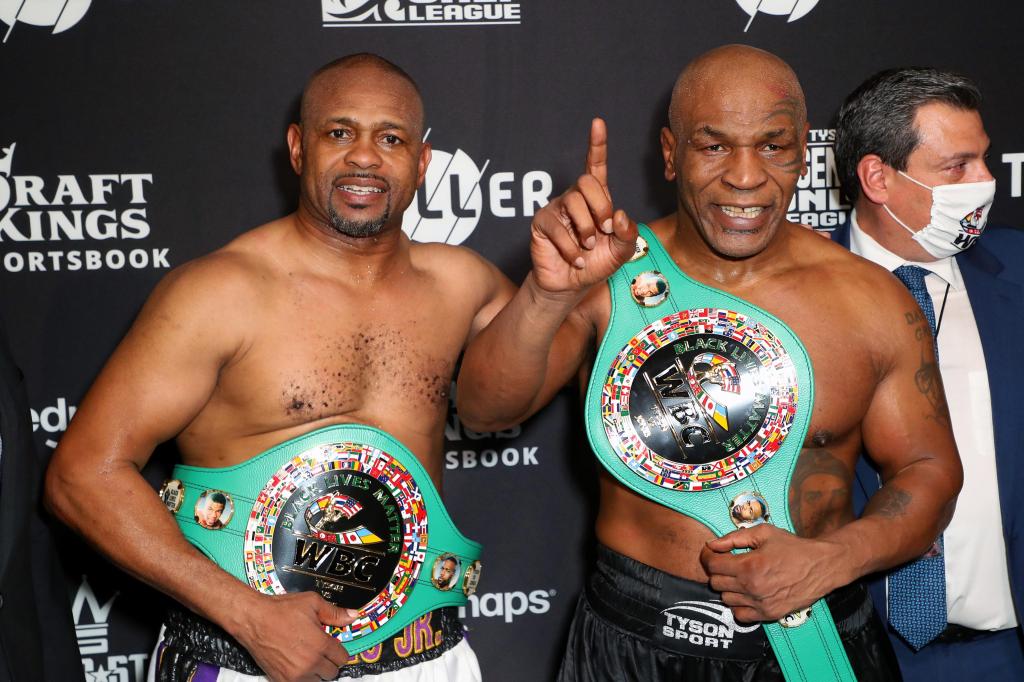
According to the owner of Triller, Ryan Kavanaugh, Tyson vs Jones Jr could hit an all-year high of 1.6m PPV buys. The exhibition bout has approximately generated $80m across the US which has outsold UFC251 and Wilder vs Fury 2. Tyson reportedly took home $10m with Jones Jr receiving $3m.

US Influencer Jake Paul fought former NBA star Nate Robinson on the undercard, and the US personality has contributed to 40-50% of PPV sales due to his popularity. Despite Paul being on the undercard, it’s fair to say the digital creator stole the show.

A new wave of boxing culture is evolving which has seen the video-sharing service, Triller, team up with US rapper, Snoop Dogg, to create a celebrity boxing league entitled, ‘The Fight Club’. The series claims to invite digital influencers, actors, musicians, athletes from other sports and public figures to revolutionise the traditional sports landscape to be led by influencers.

The Bundesliga adapt their TV Rights model to enhance equality

To support clubs with the financial deficit caused by COVID19, The German Football League (DFL) are adjusting their revenue distribution model for next seasons broadcasting rights. Currently, 70% of domestic rights income is shared related to recent performance.

During the 21/22 and 22/23 season, 53% of the yearly fee ($1.4bn) will be split equally from Sky Deutschland and DAZN for clubs. However, this will drop to 50% for the following two seasons after 22/23.

Over the next four seasons, revenue acquired through performance (1%+), youth development (4%+) and club interest (3%+) will rise as the equal share of TV Rights decrease.

Breakdancing worms it’s way into the Paris 2024 games

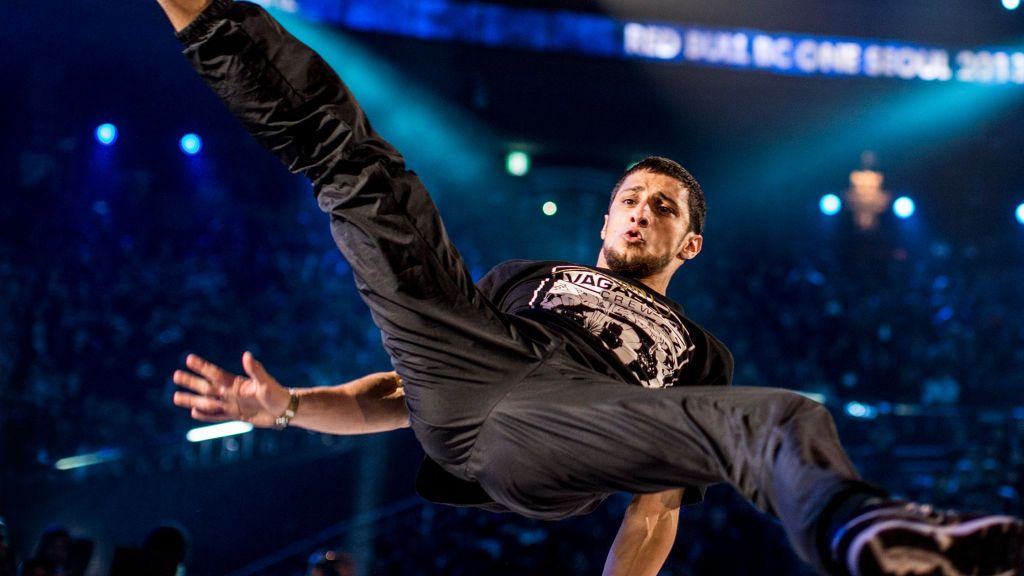
It’s official; breakdancing makes it debut on the Olympic stage after the Tokyo Games have been delivered next summer. The International Olympic Committee (IOC) came to this decision to enhance the marketability of the game towards a younger audience, which is underpinned through also introducing skateboarding, sport climbing and surfing to the 2024 Olympics.

Bringing ‘breaking’ to the games has been an idea since 2018, following the success from the 2018 Youth Olympics in Buenos Aires, Argentina. Paris 2024 aims to strive for gender equality by growing mixed-gender events from 18 to 22 while seeing a balanced participation rate between male and females.

A revolutionary era for the Olympic Games will be embarked during Paris 2024 that champions sport for development through inclusion, diversity and equality.

DAZN launch their first 5G consumer plan in Japan

Over-The-Top (OTT) service, DAZN, have increased their affiliation with telecoms firm, KDDI telecoms by offering 5G payment plans for Japanese consumers. KDDI mobile carrier AU’s customers can now access high-quality streams through DAZN if they have 5G-enabled handsets. The agreement also includes unlimited sports availability through a data tariff.

The comes soon from DAZN’s launch into over 200 territories and their announcement of a new football entertainment series, ‘The Yacbecchi stadium’ to promote original content across Japan. Their new 5G strategy will underpin the viewership experience through augmented reality, virtualisation and gamification, ultimately taking them another step in the right direction to become ‘the Netflix of Sports’.

The NHL put their money where the mouth is, well, close enough to it…

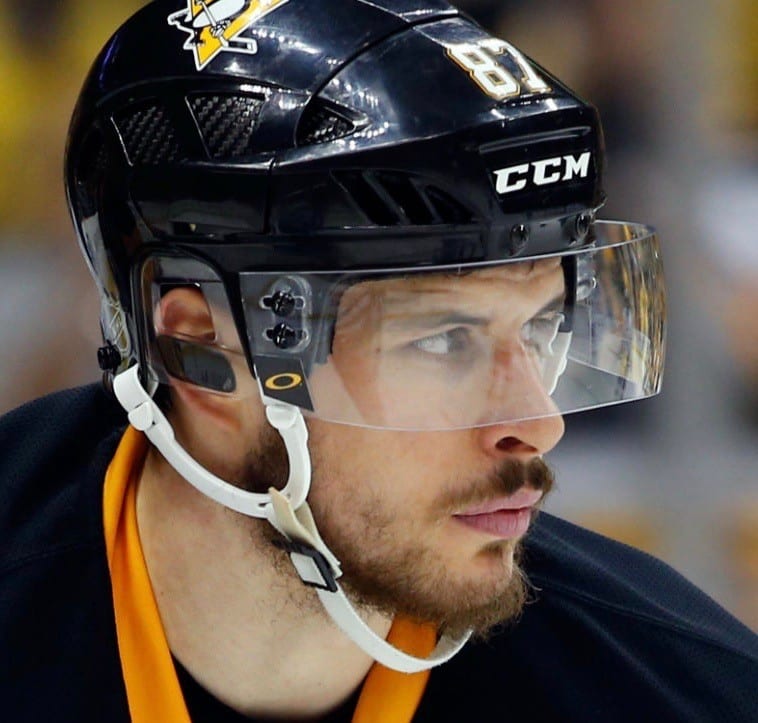
The National Hockey League (NHL) could explore sponsorship space on player helmets to boost commercial revenue. Votes on this proposal are expected to conclude in the upcoming weeks.

The NHL putting sponsorship logos on helmets would be imitating other significant North American sports organisations, to discover additional revenue to recover for the COVID19 pandemic. The NHL produces 50% of its revenue from gate-associated sources, but this has changed due to the health crisis.  

Other sports properties that have followed include The National Basketball Association bringing in additional sleeve sponsorship opportunities on practice jerseys. Major League Soccer added sleeve and short logos throughout the ‘MLS is back’ tournament while Major League Baseball explores sponsorship placement on their uniforms and batting helmets.


That’s a wrap! Are you for or against the ‘influenca’ of boxing? How well equipped will German clubs with the new TV Rights model? Could Paris 2024 be the most diverse games yet? Could DAZN transfer their 5G initiative towards other territories and how lucrative will The NHL’s helmet sponsorship idea be to acquiring increased revenue?

Could Floyd Mayweather vs Logan Paul be the most marketable event in sporting history?

2020 has been one unprecedented year, but 50-0 Floyd ‘Money’ Mayweather announcing his return into the ring against 0-1 YouTube boxer Logan Paul tops it all off. Social Media has entered a roller coaster of memes, critique and confusion ever since this bout was confirmed last Sunday.

The polarising opinions are what makes this extravaganza extremely marketable. On Floyd and Logan’s Instagram accounts, the fight announcement received over 1.2 million likes per platform, the highest level of engagement they’ve received on Instagram since early 2020. It’s predicted this fight will crush PPV figures, particularly with the primary streaming platform Fanmio Boxing promoting a PPV of $24.99 before 1 million purchases are secured.

Similar to Tyson vs Jones Jr, this event draws in a new wave of entertainment culture considering Floyd’s presence across sport, entertainment and the black community. At the same time, Logan is a large personality across the Gen Z and Alpha community.

‘Pretty Boy Floyd’ officially retired from boxing after his victory against The Notorious Conor McGregor in the famously dubbed, ‘Money Fight’ during August 2017. However, December 2018 saw Money May put his gloves back on for an exhibition fight against Japanese kickboxer Tenshin Nasukawa, seeing Mr. 50-0 gain a first-round win.

US creator Logan Paul has been involved in the YouTube Boxing Campaign since 2018. Following UK Entertainer KSI’s victory against UK YouTuber Joe Weller in 2018, Logan Paul accepted KSI’s challenge to box at the Manchester Arena in August 2018 which ended in a majority draw, streamed by 2.25 million viewers. Reflecting on the illustrious digital output, Matchroom Boxing Director Eddie Hearn took their rematch to The Staples Center, LA in November 2019 which became DAZN’s 5th highest-selling event of 2019.

Despite KSI’s win, it appears Logan has taken the W as he’s chosen to fight Floyd instead of the YouTube boxing champion. However, KSI is anticipated to fight against 2-0 US influencer Jake Paul and taking a fight with Mayweather could destroy the narrative both creators have produced through YouTube boxing. Instead, Logan hasn’t got anything to lose and has an enormous global audience that will captivate lucrative value to acquire sales.

So, what makes Mayweather vs Paul so marketable? The two own a combined social media reach over 80 million, that’s a lot of eyeballs! Plus, Floyd returning from his 3rd retirement draws interest from hardcore boxing fans and senior sports supporters. Alternatively, Logan Paul garners attention from Generation Z & Alpha, the YouTube community and other digital influencers and creators across the globe. Gen Z prominence in this event will provide betting companies illustrious opportunities to appeal their odds to new customers; young adults with beginners knowledge around gambling.

Meme marketing has taken over Twitter & Reddit feeds since the fight announcement. Event-associated brands, sponsors and stakeholders should acknowledge this avenue to build engagement with high volumes of Gen Z and Alpha audiences. Some UK personalities have created mock-up announcements inspired by Mayweather vs Paul, including UK YouTuber Niko Omilana against US World Champion Shannon Briggs. Plus, US rapper Snoop Dog is highly anticipated to be commentating on the exhibition and certainly made a name for himself due to his hysterical live spectating. A new culture could emerge through sponsorship and brand strategy, which is orientated around meme-marketing to entice youthful audiences to their services.

A new wave of sports culture is coming following Snoop Dog’s recent initiative with video-sharing platform Triller and Proxima to launch ‘The Fighters Club’. This is a celebrity boxing league for entertainers, actors, artists and other public figures to star in a 5-8 boxing card series. Triller’s involvement with Tyson vs Jones Jnr was a successful incentive which saw 40-50% of PPV buys contributed by Jake Paul. At the same time, his brutal KO on Nate Robinson formulated into a viral meme challenge acquiring over a 1 million social media reach. The fight could get an all-time PPV record for 2020 of £1.6 million.


In summary, Floyd Mayweather vs Logan Paul could become the most marketable sports event ever due to the culture that’s emerging from the unorthodox nature of this bout.

Exclusive interview with David Given-Sjölander, Project Manager at the Swedish Postcode Foundation

This weeks interview sees me chat with the project manager at the Swedish Postcode Foundation, David Given-Sjölander. The Swedish Postcode Foundation are responsible for demonstrating the impact that sports provide in local communities across the world, where David plays a decisive role towards. During my chat, David opens up about where his passion for sport began, the importance of volunteers in sport alongside how challenges can convert you and others into resilient assets.

Q1) David, it’s fantastic to have you on Ash’s Sports Talk. Let’s kick this off by understanding how your career in sport began.

Thanks for having me Ash, it’s great to be here. It started during my childhood, where I played multiple sports with my two brothers. I had a dream that I would be the next big player, but I soon realised that wasn’t going to happen. So instead it was off to University to study a sports degree and become a PE teacher. At the time, that was the path that was laid out before me.  

When I turned 18, I moved to Liverpool and studied a sports development programme at Liverpool John Moores University. In my 2nd year, one of the professors presented a new partnership with UK Sport called the IDEALS programme, which offered students an opportunity to volunteer on multiple sport-based projects in Namibia. I remember the meeting as though it was yesterday and was instantly hooked on the idea of sport being a platform for something greater than itself. Thankfully, I was accepted and placed with SCORE, or Sport Coaches Outreach, an organisation that funnily enough Clare Barrell was also involved with which is one of your previous interviewees! The way the programme used sport to drive positive change in local communities was terrific, and it ignited a new part of me that changed the focus on my degree more towards sport as a tool or vehicle for development.
I continued my studies at University, and eventually, worked at SCORE Zambia full-time. This is where I learnt what is meant by ‘sport for development’. I built up multiple experiences which led me to UN Women, studying a Masters in the use of sport for international development, gender equality and health and now at the Swedish Postcode Foundation where we, among other things, use sport as a tool to tackle some of societies most pressing issues.

Q2) I’d love to touch on your voluntary position at UK Sport as a Community Sports Coach. I understand you were completing this throughout your masters in sport development management. How beneficial was this experience to guiding you towards your sports career purpose, and what can you share about values volunteering provides someone in sport?

Firstly, community sports is based on volunteer engagement. In Sweden, as is the case in many countries, there are entire networks that wouldn’t exist without volunteers with around 650 000 volunteers engaged in the sport movement. As challenging as volunteering can be, there is so much value from grassroots sports; you receive an authentic insight into the challenges and opportunities that exist and a deeper knowledge of how the sector works.  

UK Sport was one of the big moments that taught me this. However, even before that, I was a voluntary coach at sports clubs in Liverpool while at the same time supporting a network of volunteers working on community programmes. Working alongside volunteers has allowed me to develop enormous respect for the work they do, and it’s incredible to see the passion and dedication of the volunteers who deliver countless hours of sporting activities to youth all around the world.

Essentially volunteering provides you with an invaluable experience for your sports career in the long-term, and the value that volunteers add to society, and in particular the sports movement, shouldn’t be taken for granted.

Q3) Many of your experiences have surrounded in management and leadership. From my understanding, there’s a fine line between the two, especially in the sports industry. Can you broadly share the similarities and contrasts between being an effective manager and leader in the sports industry?

There really is a fine line between the two, and it can be a tricky balance. There’s this idea that the manager ‘says’ and the leader ‘does’ and based purely on that one narrow definition I’m more drawn to the ‘leadership’ approach. If we look at it from a sporting perspective, we tend to aspire more to the leadership traits, and we speak of great leaders on the field. Great leaders inspire people both on and off the field of play, and It’s why so many of the top sport for good programs work with leadership skills because they are so essential and transferrable across various aspects on your life.

The first time I was a manager, I thought my role was to ‘manage’ everyone and to have all the answers myself. That’s the sort of management style I’d be exposed to in the workplace, and without reflecting on it all that much at the time, I did the same. We tend to imitate what we’ve witnessed and experienced ourselves despite whether we agree with the approach or not. It takes a lot of self-reflection to break the trend and in my case going back to what I learnt through sport – working as a team, leading by doing, effective communications, supporting the people around you to be the best they can be and trusting your fellow teammate to do their part – adapt this to the workplace and I think you start heading down the path of an exciting leadership style.

Q4) Your work at The Swedish Postcode Foundation looks brilliant. Could you share more about what the organisation represents, what your role consists of and how do you contribute to the bigger picture for using sport to drive societal change?

I joined the Foundation as a Project Manager around five years ago just as the Foundation was starting to build a portfolio of organisations working within sport for good and we quickly expanded the portfolio to over 30 projects inside the first 12 months. From the offset we were clear on what our vision for sport was and during the past five years I’ve had the privilege of supporting projects with leading organisations like the Swedish Basketball Federation, Laureus Sport for Good Foundation, Goodsport Foundation, Grassroot Soccer, Futebol da forca, Fight for Peace, Sport without Borders and so so many others. Our aim has always been to support the sport for good movement, both in Sweden and internationally, in creating lasting and meaningful social change.

Building on this experience, we’re now looking to the future! We’re currently writing a new strategy that will lay out our vision for how the Foundation will support the continued growth of the sport for good movement and how the sector can be equipped to work on topics around climate change, democracy, equal and inclusive societies, education and employability. 2020 has been a tough year for sporting organisations all around the world, but it has also shown the importance of sport and the vital role that so many sports organisations play in communities. As we start to rebuild societies, we need to position sport as one of the central means by which we rebuild more robust, safer, more inclusive communities.

Q5) From your wide array of experience around sporting impact in the community, what further support do you feel the sport for development sector could benefit from to strive for additional impact to more underrepresented individuals in deprived communities?

Not to take away from the challenges the sport movement still faces in terms of reaching everyone but I think we should recognise that we are doing a lot to ensure we are a movement for all – especially at the grassroots level. There are some incredible organisations out there which focus solely on engaging and impacting underrepresented individuals in deprived communities, but progress at the grassroots level now needs to be mirrored throughout all levels of sport. We need greater diversity in the opinions that are shaping policies, agendas and decisions. We need more diversity in our boardrooms and any place where decisions are being made. And we need to ensure that funding is distributed in an equal and equitable manner, so it reaches the communities that need it the most. This is going to be crucial both during and after the COVID pandemic as we start to rebuild.

The good news is that the sport for development sector is continually challenging itself to do more and to do better, seeking out new information and means of reaching and impacting the most vulnerable in our societies. It’s what the movement was built on – using sport to help and support those who need it most.

Q6) Within in your current role and previous experiences, would you mind sharing some of your most substantial challenges and how these have shaped you into a more resilient individual?

This is a bit of a difficult one to talk about but an important one nonetheless. About four years ago, I burnt out and was put on sick leave. It was a real challenge at the time – not just dealing with the health implications of having burnt out but also the stigma and shame I felt about having burnt out. It took me a long time to accept it had even happened and even longer to talk openly about it with friends and family. The experience taught me a lot though, and in some ways, I’ve done my best to turn it into something positive – not that I would ever want anyone to go through the same – but it forced me to make changes for the better. It’s one of the reasons that mental wellbeing is a bit of a passion topic for me and something I’m so happy to see a more open conversation about in today’s society. For too long it’s been one of those taboo topics we don’t talk about, especially perhaps among young men, so we need to change this, and thankfully we are moving in the right direction.

Q7) David, reflecting on this discussion and your sports career, what is your killer piece of advice for someone wanting to pursue a career in sport?

Gain experience, build a network, seek out new challenges and engage with communities. There’s always something you can do, so find out what it is and do it. The sports sector can be complicated, and you have to live it to understand it; despite being a big advocate of education, you won’t learn about the inner workings of sport purely by reading a textbook – you have to go out and do. There are so many different areas to sport, once you get experience in one area, you’ve opened an opportunity in another. And don’t underestimate volunteering, the rewards far outweigh the challenges; I can’t think of any previous volunteers who have regretted the experience, so what’s holding you back?


That’s what I call a sports career insight! This chat with David has genuinely opened my eyes to understanding that the sky is the limit with your sports career ambition. Seeing the humble words he had to share about volunteering was fantastic, and if you’re volunteering in sport right now, you’re doing an excellent job and keep going at it!

The AST wrap-up: Twitch x Milan, Steph Curry and Drake

Co-written by Omari Coates, founder of The Final Whistle

Another week soon passes, but not without the AST wrap-up! This week saw AC Milan step further into their digitalisation process, Steph Curry collabs with Under Armour and the future is bright for Women’s Rugby. Nike and Drake do the One Dance, and the English grassroots game remains hopeful with a recent rescue package!

AC Milan become the latest European club to join Twitch

That’s right; the Italian giants are the newest European club to launch an official Twitch channel. Milan supporters can expect exclusive content from their men and women’s first teams, former legends, archived footage and material from Milan’s youth academy.

AC Milan plans to boost their fan engagement strategy through the platform. The Serie A club plan to integrate live chat features to allow supporters to interact with club journalists, other high-profile streamers alongside contributing to Q&A sessions with players.

Initiating a Twitch channel is a fundamental step forward for the club’s digitalisation process, which provides another avenue to better connect with global Rossoneri fans.

Sportswear giants Under Armour collaborate with Steph Curry to form, ‘Curry Brand’
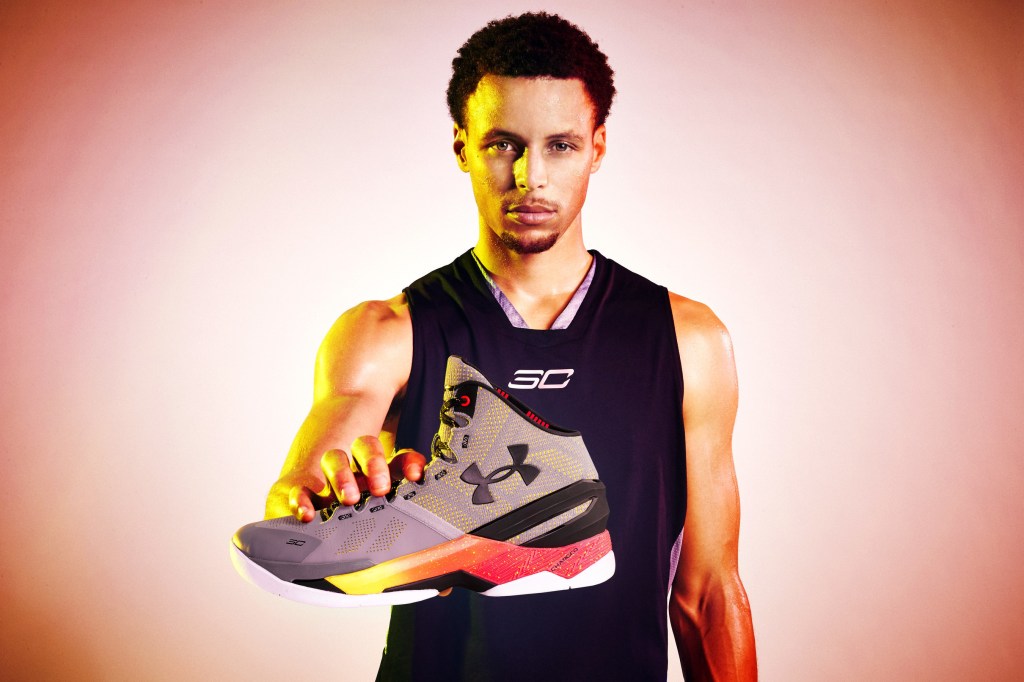
UNDER ARMOUR AND STEPHEN CURRY EXTEND LANDMARK PARTNERSHIP THROUGH 2024 (PRNewsFoto/Under Armour, Inc.)

National Basketball Association (NBA) star, Steph Curry, has teamed up with Under Armour to create a clothing line, Curry Brand. This initiative supports Under Armour’s rivalry with global sportswear leaders Nike and their Jordan brand.

The apparel line will include basketball-themed clothes and shoes alongside other sports merchandise, such as golf wear. Curry Brand holds future ambitions to develop running-based wear and women’s clothes.

Curry brand also intends to invest $1 million to develop coaching and youth sports participation in deprived communities. One firm that will receive proceeds includes non-profit organisation, the Positive Coaching Alliance.

It’s enlightening to see Under Armour not only increase their extended involvement with Steph Curry to drive commercial success but utilising their brand to transform the grassroots game positively.

16 Nations to feature in the 2025 Women’s World Cup

For the first time, World Rugby has confirmed 16 nations will be included in the 2025 tournament to expand the Women’s World Cup (WWC) internationally. Since the first WWC in 1991, the competition had 12 teams until now.

The World Rugby Statistics report that girls and women contribute towards 28% of the population’s international sports participation. The governing body has created a new strategy for 2017-2025 to increase the leverage females have towards sports participation through Rugby.

Expanding the 2025 WWC opens up aspirational player pathway opportunities where the participating countries will gain lucrative prospects to develop Women’s Rugby on home soil. This is an essential milestone to demonstrate the power women’s sport has on a global scale.

Superstar musician Drake and Nike collaborate on new sub-label
Written by Omari Coates, founder of The Final Whistle

The Canadian musician, Drake will officially be collaborating with Nike on a sub-label named NOCTA. The Nike Nocta collection is launching globally on December 18 at Nocta. In October 2020, Drake also released his Certified Lover Boy Album Merch. Pictures of the Certified Lover Boy merch can be found here: The Sportsman.

This continues Nike’s recent trend of collaborating with rappers including Kendrick Lamar and Travis Scott on signature trainers such as the Nike Cortez and Air Jordan 1. Drake has also previously worked alongside the Nike Jordan brand to recreate several classic Air Jordan sneakers.

After being closely aligned over the past several years, Nike and Drake have officially decided to collaborate on a sub-label. With the popularity and cultural relevance of both Drake and Nike expect for the NOCTA collection to be in high demand worldwide.

Premier League and EFL finalise UK£250m rescue package
Written by Omari Coates, founder of The Final Whistle

The Premier League and the English Football League (EFL) have agreed a £250 million rescue package to protect lower-league soccer clubs from financial ruin amid the coronavirus pandemic. Covid-19 has had an enormous impact on matchday revenues for lower-league football clubs; therefore, this financial injection of cash is a much-needed one.

According to SportsProMedia, The EFL said a fund of UK£50 million in the form of a grant and monitored grant payments has been agreed for third-tier League One teams and fourth-tier League Two clubs. At the same time, the top-flight Premier League will provide a further financial commitment to assist the EFL in securing a £200 million loan facility that clubs in the second tier will be able to utilise interest-free.


That’s a wrap! How beneficial will AC Milan’s collaboration with Twitch prove for long-term fan engagement? Is ‘Curry Brand’ a sustainable initiative? What further potential lies ahead for women’s Rugby? Is Drake x Nike the most culturally sensitive relationship across the sports industry? And, will other international football leagues follow in the footsteps of the Premier League and EFL?

The story of DAZN edging closer to becoming the Netflix of Sports

This Tuesday saw sports Over-The-Top (OTT) platform, DAZN, launch to 200+ countries, including the UK. Their British activation has been the territory capturing high volumes of interests from British sports fans for a while. The sports streaming service has been making noise with their wide-ranging access to sports rights available through their platform for an astonishingly low initial price of £1.99 a month. Based on content consumption, DAZN is the globes most significant broadcaster as they stream over 250 million hours of content to their consumers across nine countries and four continents.

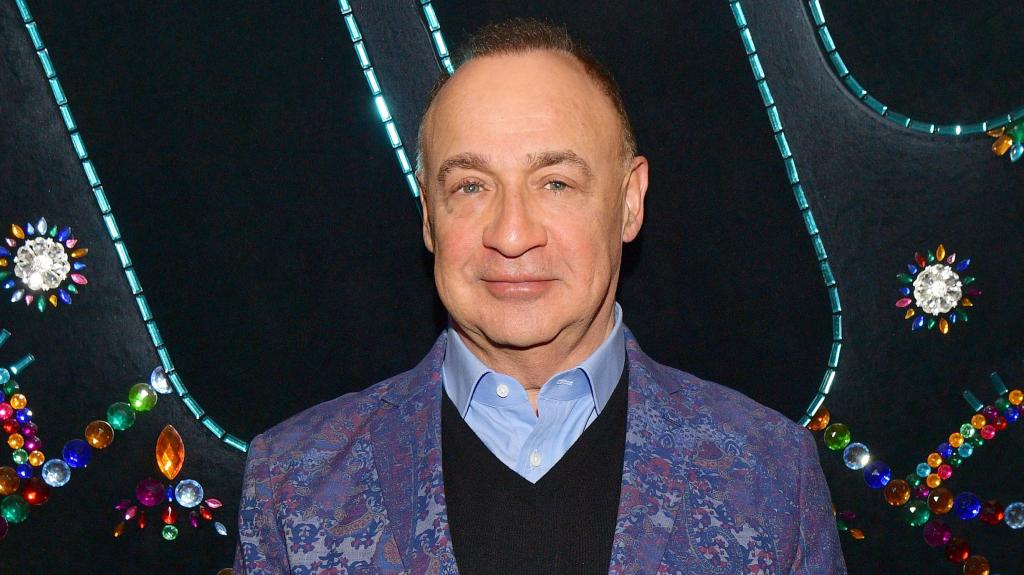
Sir Len Blavatnik, image can be found here: https://bit.ly/36FERoB

DAZN had once evolved from an organisation called Perform before they were set up to provide a service for competing broadcast firms. 2015 saw the evolution of DAZN becoming modern international dominators when entrepreneur Sir Leonard Blavatnik invested into the company. A year later, DAZN launched in Japan, Australia, Germany, and Switzerland. 2017 saw them launch in Canada, they found themselves in the US, Spain & Brazil in 2019 and now over 200 countries in 2020.

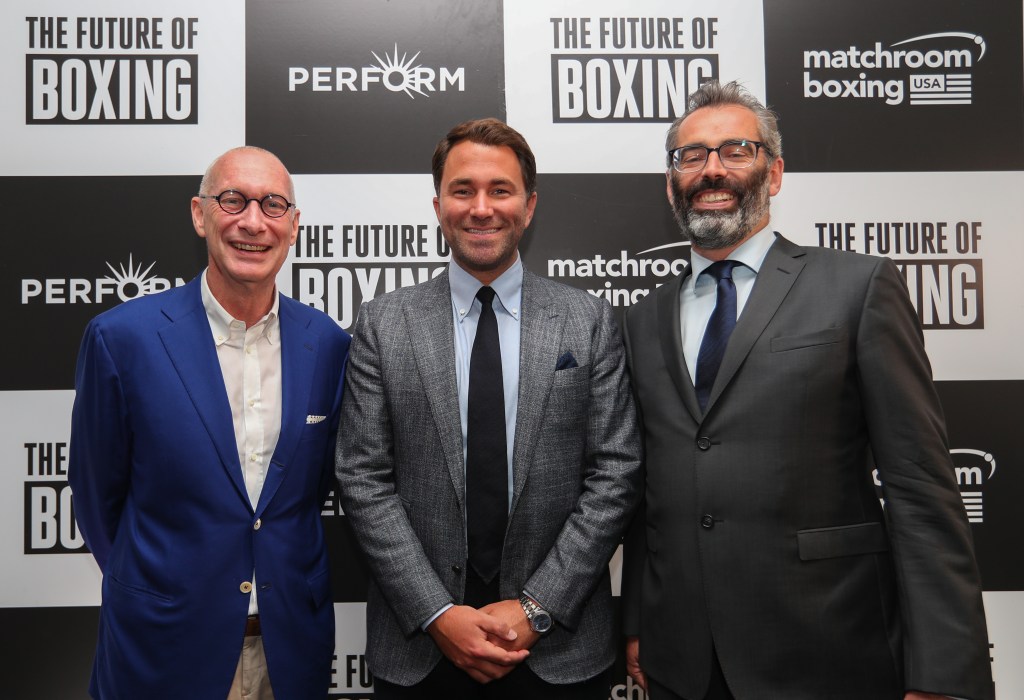
May 10, 2018; New York, NY; USA; Matchroom Boxing USA announce major streaming partnership with DAZN. Mandatory Credit: Ed Mulholland/Matchroom Boxing USA

The fascinating, unique selling point about the platform is the enormous volume of sports events they show at once. For example, when the Bundesliga is on, they’ll stream every game in Germany. Boxing is one the platform has revolutionised from a viewership standpoint. They’ve thrown a spanner in the works for traditional broadcasters like Sky Sports, BT Sport, ESPN and Eurosport from their enticing subscriptions model acquiring multiple sports rights. Leading boxing promotion company, Matchroom Boxing, were eagle-eyed to the value DAZN could offer boxing. The two parties signed the sports most valuable agreement in a $1 billion deal which turbocharged DAZN’s global growth and Matchroom’s presence in the USA.

Now, DAZN offer over 8,000 sports events per annum including the Premier League, Bundesliga, La Liga, NBA, NFL, MLB, WTA, Six Nations, Formula One and UFC. The ambition for DAZN is clear, to become the Netflix of sports through their extraordinary range of worldwide sports content.

Canelo Alvarez, picture can be found here: https://bit.ly/3qrVR9p

Despite the networks current successes, they’ve experienced hard-hitting challenges. Large numbers of consumers have complained about the streaming quality of live sport, including the continual buffering of forecasts. Plus, COVID19 has jeopardised its market position due to live sports postponement, which forced them to seek $1 billion in funding to remain alive. Boxing star Canelo Alvarez filed a lawsuit against DAZN due to the platform allegedly failing to deliver the terms of his lucrative 11-fight deal, which sees the Mexican fighter as a free agent.

DAZN programming promotional poster, image can be found here: https://bit.ly/3g76LwQ

DAZN has disturbed the broadcasting landscape through OTT content which leaves the broadcasting industry in dispute. The combat sports world is undoubtedly going through the most prominent digital drift with DAZN’s involvement. Boxing and MMA fans no longer have to purchase costly Pay-Per-View (PPV) fees to watch their favourite fighters, alternatively, purchasing a monthly subscription through DAZN could prove to be better value for money.

The launch in the UK will rustle a lot of feathers considering boxing is the cash cow of BT Sport and Sky Sports. Currently, Anthony Joshua vs Pulev isn’t available in home territory nor Ireland as Sky Sports own exclusive rights for this bout. However, this could change in the future with the demand for DAZN’s UK launch being highly anticipated for a long-time.

The streaming service has also been an integral puzzle piece to revolutionising the narrative of sports events. Through their medium, they own lots of original programming, including talk shows, documentaries, and archived footage. Multiple other sports organisations have similarly followed including Sky Sports and BT Sport holding various on-demand content such as athlete interviews, docuseries, and post-match content.


So, will DAZN become the Netflix of Sports? There certainly heading in the right direction; however, there are still hurdles they’ll need to overcome. DAZN should reconsider alternative revenue channels away from live sport, considering the deficit they’ve experienced during COVID19. Plus, how can they retain exclusive rights to all sports events in multiple territories despite the longstanding relationships between sports properties and some athletes (e.g. Anthony Joshua and Sky Sports, Tyson Fury and BT Sport).