Exclusive interview with Radha Belani; an advocate for showing the world what Sport can do

This week saw me speak with the Director of Design and Facilitation at thinkbeyond and Beyond Sport, Radha Belani. Radha has had a whirlwind of a sports career, working with the likes of the Premier League, Women in Sport, Euroleague Basketball and much more. Radha goes in-depth about having a variety of skill sets compared to focusing on a niche, how far Sport has come to supporting those with mental health struggles alongside how to kickstart your sports career journey.

Q1) Radha, it’s an honour to have you on Ash’s Sports Talk. Could you share with the readers how your sports career began?

I went to Loughborough University to study sports science as I played in a tournament there when I was younger, and it felt like heaven due to the fantastic sports facilities they had. I always knew my career was going to be in Sport and my family were very supportive of me studying what I loved despite it being so different to what other Indian girls into the broader family were doing. Unfortunately, I got injured in my first year at Loughborough, which left me worried about what I do next. However, I found myself running for Athletic Union President there, which saw me elected. It made an enormous difference to my career relating to the skills I wanted to use. I often sat with the Director of Sports Development, who was a remarkable role model for me because of his assertive nature, calm and open presence. From there, I was approached by the British University of College Sport (BUCS) to support them whilst they had a member of staff seconded for Athens 2004.  It was initially a short-term role which saw me manage their marketing and communications, and their annual conference, which led to a permanent position as a programme manager where I was in charge of a real mix of sports such as sailing and rugby five’s, as well as hockey and other more traditional sports. I learnt that I wasn’t great at event management, but I enjoyed working with National Governing Bodies and understanding sports’ role in the world.

I soon moved onto the Football Foundation, where I stayed there for seven years under four restructures. I started as a small grants project officer, and I ended my appointment as Head of Communications and Corporate Relations. The role was based on how does Sport fit into supporting wider communities which were right up my street; I had the fascinating opportunity to work with the Premier League, the FA and governance. The Premier League soon took their community programmes in-house which saw me choose to move on.

I moved over to Women in Sport, where I was the Head of Insight and Innovation as maternity cover. This role focused on drawing insights and translating them into impact for people working out in the community. I learnt lots around people management styles while working with some incredible people.

As maternity leave ended, I knew this wasn’t the place for me. At this time, London Sport was being established, and I had a mutual connection there with someone I worked with at the Football Foundation. We both had synergies in our skill sets, and he asked me if I’d help him out for six months as their Director of Business Development. I ended up staying for two years. It’s fair to say we did the unexpected there, which included a big focus on sports tech. I also set up a partnership with Beyond Sport. In this partnership, there were some similarities with the skills I had and what they needed, which saw them offer me a role as their Director of Strategy, for both Beyond Sport and their consultancy, thinkBeyond. My role has evolved in that time, and I am now Director of Design and Facilitation for both of these businesses.

Q2) What I find remarkable about your sports career is that it’s very varied. You’ve worked with the British Universities and Colleges Sport, Football Foundation, Women In Sport, London Sport and now thinkbeyond! How beneficial has it been for your sports career to have worked at so many unique organisations?

It’s been an excellent opportunity to learn where my real skills and interests lied. The start of my career was domestic, but the latter has been very international. I’ve had a ‘wiggly’ route into the industry, and what I mean by this is I have a broad set of relationships, and I’ve never felt institutionalised. Plus, I haven’t been caught up in funding cycles and infrastructure. I admit I’ve been a bit too challenging at times when moving into positions as I have various perspectives on how an organisation can move forward with the times. I’ve also spent lots of time working in the charity sector but while maintaining a corporate mindset. Helpfully, this fits in well with my ethics, politics and belief in utter excellence.

Q3) I understand there’s been a strong prominence of marketing involved during your sports industry story. From my perspective, it’s the one area of the sports industry that has evolved most rapidly as is the most influential element of representing your image. From the BUCS days to your more recent positions with Beyond Sport, what have been the most significant changes you’ve seen in marketing and how have you adapted to them?

It’s come down to learning on the job rather than me having any specific marketing training. It’s a similar analogy to deploying how the mind works; learning by doing.

Marcoms has grown into a new ball game as we’ve become our own marketers. Because of this, we need more strategic decision making and more substantial outcomes. Its also become more liberated and democratised, which opens an opportunity for all organisations and individuals to make noise that they couldn’t conceive of before. There’s still old fashion ways of marketing that still work, but it’s essential to keep up with the times.

It’s also vital to ask ‘why?’ when it comes to marketing, so you don’t get lost in the ‘Twittersphere’. Think about what the outcomes are that you want to achieve. It’s okay for it to be brand awareness as long as it’s creating a conversion such as more subscribers, higher engagement with young people or sales.

Q4) Moving onto your role at thinkbeyond, could you explain what your position looks like day-to-day (if there is such thing) and what the organisation represent?

There’s no such thing as a day to day role. I sit firmly between thinkbeyond and Beyond Sport. Beyond Sport is the global force for social change by bringing sports business and social change together to make a positive difference. This is accomplished through convening digitally and in person, through collective impact, bringing diverse organisations together and collectively making the boat go faster, and through celebrating and funding the very best of organisations that are using Sport to contribute to the UN Sustainable Development Goals. We also focus on where Sport isn’t making an impact in areas such as STEM education, mental health, refugees or IDP camps and we then bring together the sports world to begin to use its assets to make a difference.  

In 2014, lots of people were asking why and how we do what we do. Therefore, we set up a consultancy called thinkbeyond, which is based on shared value strategy development, activating strategies on the ground, as well as ensuring that our clients tell their stories in the best way, in optimum spaces.

I primarily create a design thinking process which consists of structuring conversations and workshops that take groups of people from challenge to solution in a short period. I also design and deliver a range of youth leadership programmes that are supported by some of the greatest athletes of our time, Michael Johnson and Bille-Jean King. The young leaders they support are remarkable, and it is a privilege to walk alongside them.

I’m also the voice of a lot of Beyond Sport’s work by hosting our events, panels and our Global Awards. Essentially, normality is far away during these challenging times but a ‘normal’ day for me was flying to Fiji to facilitate a workshop for the Commonwealth Games’ regional meeting or going to the biggest slum in Asia to open a space for an ESPN programme, to writing a strategy in our London office!

Q5) The work you’re doing with mental health is fantastic too! I understand you did a short-documentary with Euroleague basketball about mental health in sports this year. Could you discuss more how this opportunity came about and reflecting from that and your current work, what further support do you feel the sports industry needs to support their players, staff and consumers with mental health?

Euroleague Basketball has been a client of ours for a while. We support the development of their social responsibility programme and run their annual workshop. Their team asked me to facilitate a table talk relating to mental health in sports. I did this at the beginning of this year after taking three months of sick leave where I was in a residential mental health facility in the US. I’ve been through mental health struggles for a while, but I never realised it until I had therapy which indicated I was struggling. To be asked to facilitate a short-documentary on mental health soon after my rehab was unbelievable timing!

Facilitating the table talk was a privilege as it was at the beginning of Euroleague Basketball’s journey of really talking about mental health with players, coaches, and staff. The UK’s approach to mental health is getting better as it’s becoming more de-stigmatised at different levels. For example, financial services firm Legal & General have done so much to de-stigmatise mental health in the workplace as well as ensuring that businesses have tools to support their employees.

Beyond Sport also have an initiative in the US called ‘Stay in the Game’ which is about supporting the sports industry to sustain itself and those within it through promoting mental wellness and supporting mental ill-health.

Q6) You’ve achieved so many successes which have inspired me to chase my future potential, and I’m sure the readers can relate. However, would you mind sharing some of the challenges you’ve faced throughout your sports career? Also, how have these challenges moulded you into a more substantial asset?

I can look back now and understand how my mental health affected the ability to enjoy work. For that reason, I advocate for people to have a work-life balance. Plus, always tackle issues early on before they get worse.

I’ve experienced discrimination by being Indian, but I’ve been good at laughing it off as I’ve never felt safe enough to challenge it from an ethnicity perspective. Recently, this has changed, and I have got to grips with my own heritage; I can proudly say that I’m from a working-class background. My parents worked day and night in a small village shop to give my sister and I the opportunity to follow our dreams, and I am now able to challenge discrimination in ways I’ve never done before. But there’s still work to do.

Q7) Radha, reflecting from this discussion and your career, what is your killer piece of advice for someone wanting to pursue a career in Sport?

When you see someone who has the job you want, please find a way to connect and engage with them. For example, ask them if they have 30 minutes to share how their sports career unfolded. Plus, do something that gives you goosebumps and question whether you’re using skill sets that you’re already good at and if you’re working with people that can make you better and what you want to do.


What an unbelievable interview this was with Radha. She’s come so far throughout her sports career from her mental health struggles, working-class background and being a woman of colour. However, all of this has driven her to be proud of what she represents. Please take this away on your journey, no matter how tough times might be, or where you come from, you can still achieve amazing things through sheer hard work and determination.

The AST Wrap-Up: Leeds United, power moves for Women’s Tennis and Paris 2024 revamps their venue operations strategy

It’s Sunday, and you know what that means, it’s time for the AST Wrap-up! English football club Leeds United embark on a new era with the help of Jay Z and US TV Network NBC look to explore a new audience for the World Athletic Championships. World Rugby discover new initiatives to add further inclusion to their sport, a new era for fan engagement in Women’s Tennis awaits, and Paris 2024 continues to combat the deficit caused by COVID19.

Leeds United look to ‘Roc & Roll’ their way into Asia and the US

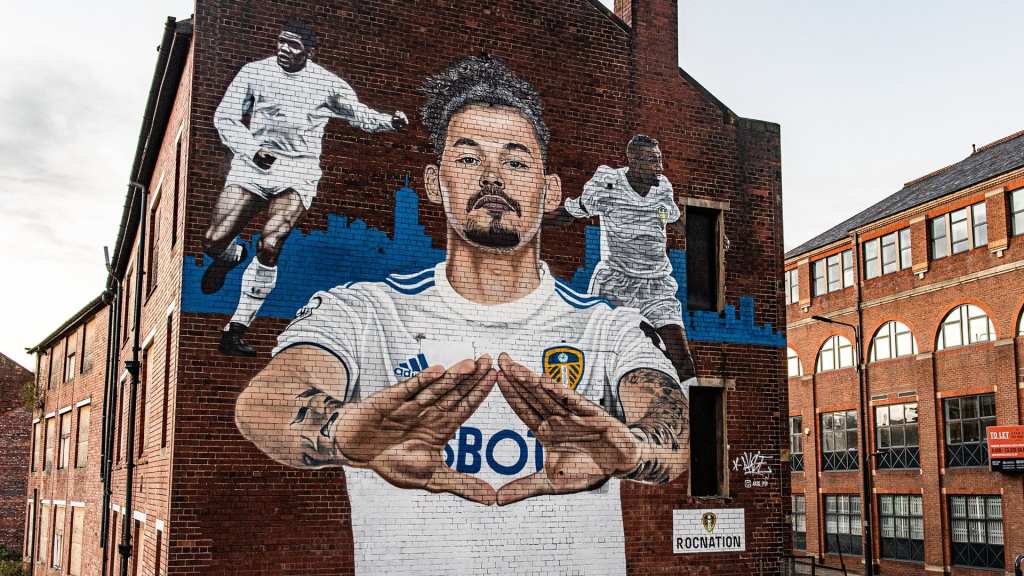
Leeds United art work, image found here: https://bit.ly/3o0u4uP

Premier League side Leeds United make a ground-breaking partnership with music legend Jay-Z’s agency, Roc Nation. Following the club’s 16-year return to the pinnacle of English football, the Yorkshire based club have high ambitions to branch out into the US and Asia under Roc Nation’s strategic management.

The joint venture will entail in Roc Nation opening avenues for Leeds to connect with new audiences through creative activation, brand expansion, content development, commercial sales and more. Leeds obtain the ambition to pursue their involvement with Roc Nation as one of the most potent partnerships in global football.

The Peacocks are under a reputable wing in Roc Nation. The sport and entertainment firm has exclusive arrangements with Italian giants AC Milan, and Premier League stars Marcus Rashford, Wilfred Zaha and Kevin De Bruyne.

NBC secure rights to broadcast the World Athletic Championships

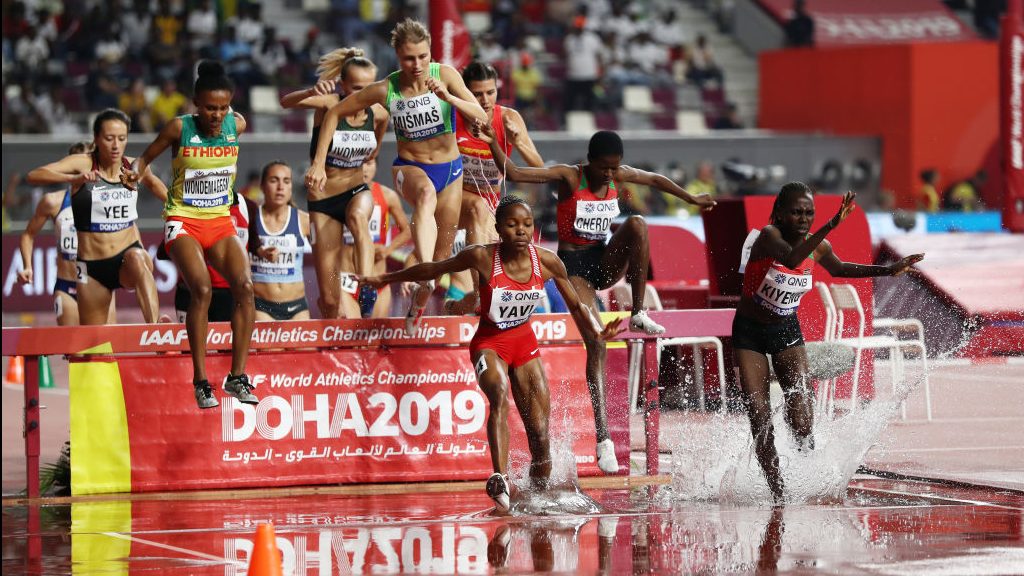
World Athletic Championships Doha 2019, image found here: https://bit.ly/2JoQMxu

US television network NBC Sports Group has sealed a multiplatform 10-year deal with the World Athletic Championships (WAC), covering footage of the next five competitions.

The TV network already has the 2032 Olympic Games under their resume, adding the WAC will provide an opportunity for the competition to reach new audiences across US territory.  The 2022 WAC will appear in the US for the first time in Eugene, Oregon where US fans’ only option to watch the tournament will be through NBC.

In the contract, some of the WAC events consist of World Athletics Indoor Championships, World Athletics Cross Country Championships and World Athletics Relays. Plus, the World Athletics Half Marathon Championships, World Athletics Race Walking Team Championships and World Athletics U20 Championships.

World Rugby to introduce a new voting scheme for the Men and Women’s World Cup

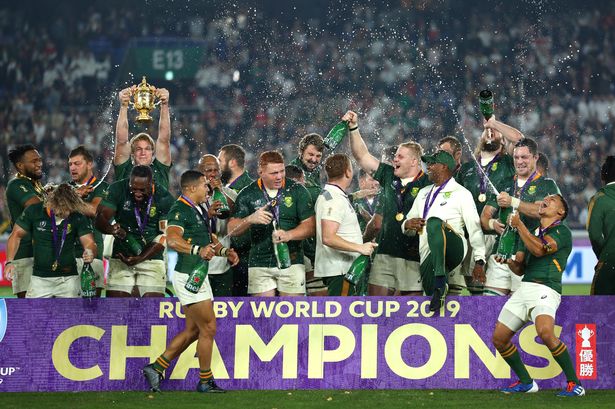
South Africa celebrating their victory of the Rugby World Cup 2019 tournament, image can be found here: https://bit.ly/33ojypd

Rugby’s leading governing body attempts to make their host selection process more transparent for the Men and Women’s World Cup. The initiative aims to avoid the repetition of occurrences in 2017. South Africa was recommended as the host nation for the 2023 tournament, but instead, France was awarded the stage through a secret World Rugby Council (WRC) ballot.

The WRC will instead determine the women and men’s global tournament through an open electronic vote which will not condone vote trading. The governing body will also seek advice from council members to contemplate a risk-orientated evaluation of bids from candidates by the RWC board and specialists.

The change enhances accessibility and attractiveness to a broader set of hosts which will also deliver inclusive and diverse growth to the sport. 

Meet the Women’s Tennis Association’s new data supplier, Stats Perform!

Announcement of WTA and Stats Perform’s new partnership, image found here: https://bit.ly/3lirq1z

Sports data firm Stats Perform are awarded data rights to The Women’s Tennis Association (WTA) on a six-year contract, which sees them take over from IMG. Stats Perform own an illustrious clientele of sports teams, leagues, media companies and bookmakers. Their purpose lies with guiding their buyers with a winning edge powered through robust data translated into comprehensive insight.

Analytics company Opta will also support the WTA’s new joint venture by capturing ‘ultra-fast’ data feeds, including a specific umpire-obtained data supply for Stats Perform. The partnership will find The WTA with access to an innovative series of broadcast and betting experiences to engage tennis fans driven by real-time data.

Stats Perform have worked with the Belgian Pro League, Australia’s National Basketball League and the upper-echelon of English football, The Premier League.

Paris 2024 adapts its operations to optimise cost-efficiency

Paris 2024 shot, image found here: https://bit.ly/3o39eLc

The organisers of the 2024 Olympic and Paralympic Games have created a new venue strategy to cut costs by €400 million for the global tournament. Now, 24 of the 32 sports will be delivered inside 10 kilometres of the Athlete’s Village to improve public transport accessibility.

Venue-sharing marks as a critical theme for the 2024 Games. Para-table tennis will transfer to the same location as Olympic table tennis, which is at Arena Paris Sud 4. Para-judo will move to the same site as it’s Olympic equivalent, the Champ De Mars Arena, while the same process is followed for taekwondo and swimming.

Environmental responsibility is another factor that’s influencing the organiser’s decision to drive budget sensitivity. With venue-sharing, this will reduce the need to reduce economic costs as some venues like the Le Bourget Arena and the Olympics Aquatics Stadium will no longer be needed.


That’s a wrap! Could Leeds United be on their way to becoming English football’s contemporary cash-cow? How successful with WAC be at captivating a new audience across US territory? Will WRC’s new voting scheme welcome a new theme of inclusion across the game? What impact will Stats Perform bring to Women’s Tennis’s fan engagement? And, is Paris 2024 destined for major success with their cost-cutting incentives?

Mike Tyson vs Roy Jones: a powerful marketing strategy to reach every audience possible

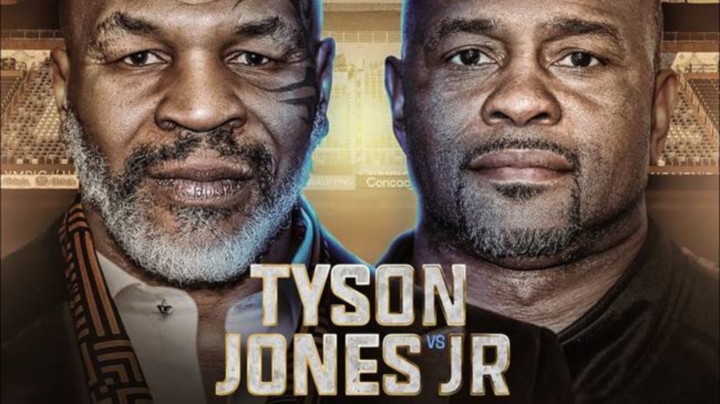
Tomorrow will see boxing legends Mike Tyson and Roy Jones Jnr share the ring in a blockbuster event at the US’s Dignity Health Sports Park. This will be a miraculous sports exhibition capturing multiple audiences, not only due to the two boxing legends returning, but the other initiatives in-store to optimise the events fan engagement. US entertainer Jake Paul will be fighting former NBA star Nate Robinson to continue the fascinating narrative of YouTube boxing. The likes of US music legends Lil Wayne, French Montana, YG, Wiz Khalifa, Ne-Yo and more will be providing musical entertainment throughout the night. Cannabis firm Weedmaps are an official sponsor of the event looking to utilise the profile of Tyson vs Jones to de-stigmatise the polarisation surrounding marijuana consumption.

Another iconic moment for Tyson vs Jones includes video-creation app Triller being the leading platform to stream the occasion. This is a smart move for the organisers of this fight considering the growth we’ve seen with short-form creation mediums (particularly TikTok). Hosting the card through Triller will draw in a new wave of Gen Z & Alpha audiences that other traditional sports mediums like Fite.TV and BT Sport struggle to entice. Plus, it gives Triller an edge over their arch-rival, TikTok, by getting their foot into the door of delivering traditional sports events. The digital results for Tyson vs Jones have been revolutionary. The bout was due to unfold in late September; however, Triller experienced such high volumes of traffic post the announcement that they decided to delay the event to maximise revenue opportunities. Plus, the event has already broken pre-fight PPV records.

With over 35 million social media followers, digital star Jake Paul is another character drawing in an enormous Gen Z demographic. He’ll be up against retired basketball player Nate Robinson to ultimately seek redemption from UK personality, KSI, for defeating his brother, Logan Paul. The US creator attracts multiple audiences; his own, KSI’s in the hope that Jake loses the fight and the YouTube community from the groundbreaking YouTube boxing narrative. Paul has arguably accumulated the most attention out of everyone on the card. He’s openly admitted an appetite to box an MMA fighter; he’s already called out UFC stars Conor McGregor, Jorge Masvidal and Ben Askren. Jake is known for his polarising behaviour which creating high volumes of PR towards his brand, naturally leveraging interest from different audiences.

Image of US rapper Lil Wayne found here: https://bit.ly/33nXGKM

With the amount of audience exposure, Tyson vs Jones is more like a theatre performance than a boxing match. The likes of Lil Wayne, Wiz Khalifa, YG, French Montana, Ne-Yo and more US artists performing during the event strengthens the lucrative bond between rap music and the sports industry. Likely, this demographic won’t directly purchase a BT Sport PPV or a Triller subscription. However, they’ll undoubtedly be interested in the content that’s shared externally from the live event as post-content.

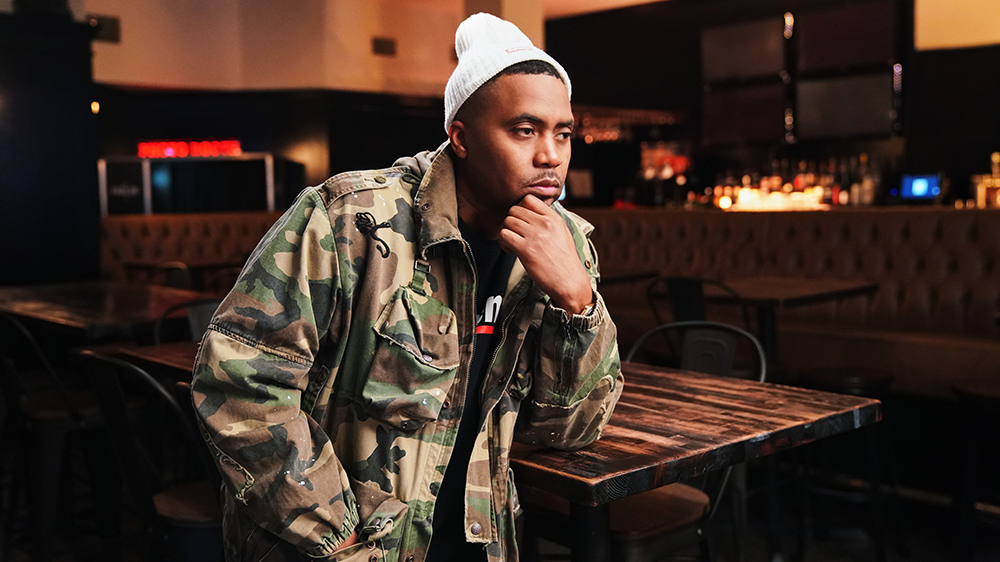
Behind the scenes of BET’s “Smoke” documentary – Nas. (Photo: Ron P. Jaffe/BET)”

There’s a diverse portfolio of parties involved in this event. BT Sport, Triller, DraftKings, Legends Only League and more! This week, it was announced that cannabis tech company, Weedmaps are an official sponsor for Tyson vs Jones. The organisation supply marijuana for recreational and medical purposes and are hoping to evolve the status quo on cannabis use which is close to Mike Tyson’s heart. Weedmaps has confirmed they’ll release an exclusive content piece narrated by US music legend, Nas, who will illustrate the history behind those that have advocated for cannabis legalisation. This distinctive sponsorship doesn’t only draw in a new avenue of audience interest; it’s contributing towards a broader marketing strategy in an attempt to promote unique societal perspectives.

Fans sing during weigh-ins for Deontay Wilder and Tyson Fury, of England, for the Saturday WBC heavyweight championship boxing match, Friday, Feb. 21, 2020, in Las Vegas. (AP Photo/Isaac Brekken)

The event organisers of Tyson vs Jones have made a remarkable effort at drawing the younger demographic into this blockbuster of an exhibition. But, having Mike Tyson and Roy Jones headline the event also keeps the more senior sporting audience connected to an ever-more youthfully appealing sector of sport.


I’m amazed behind the marketing strategy that Tyson vs Jones has adopted. It’s engaging multiple Gen Z & Alpha fanbases through Jake Paul, Triller and various musical acts. Plus, the senior sporting community remain valued from Tyson and Jones’ return. Also, Weedmaps’ involvement utilises maximum sponsorship power to de-stigmatise perceptions surrounding cannabis intake. The event has already accumulated some outstanding results, and it’s exhilarating to see what outcomes are produced with the powerfully anticipated brand reach it will likely captivate.

Exclusive interview with Yodkeo Phawadee from The Asian Football Confederation

This week saw me chat to Yodkeo Phawadee, the Head of The Association of Southeast Asian Nations (ASEAN) at The Asian Football Confederation. Yokdeo goes in-depth about how her sports career ignited, the value that transferable skills can bring in sport and how her role contributes to the bigger picture of Asian football representation.

Q1) Yodkeo, it’s a delight to have you on Ash’s Sports Talk. Can you share how your sports career began?

Thank you very much for having me.

Yes, it started back in early 2011, I was wanting to leave my government employment and was in the process of looking for a new job. Somehow, I had an opportunity to meet the President of the Lao Football Federation (LFF). He recruited me to join the LFF office as his personal assistant. Six months later, he promoted me to the position of Deputy General Secretary in charge of International relations, and four years later, I was appointed as team manager of the women’s national teams. These various roles allowed me to experience the organisation’s movement from administration to field operations. This also allowed me to travel to many countries for competitions and experiencing different cultures.

Q2) I understand you’ve studied a degree in Law and Political Sciences. How did your education from a non-sporting sector support you with building up your sports industry career?

Although my educational background had nothing to do directly with my career in the football industry, it did help me a lot with my work in the LFF President’s office and being in charge of the international relations department. But to look at it more fundamentally, I realised that the experience of going to university to study law, for example, taught me ‘how to learn’, if you will. That and adaptability to different situations, cultures, ways of think is what has helped me continuously develop professionally.

Q3) Your role at the Asian Football Confederation (AFC) looks fantastic. Could you share more about what the AFC is responsible for, what your position consists of and how you contribute to the bigger picture?

My primary duties are managing the official communications with ASEAN Football Federation (AFF) and the member associations that make up the ASEAN region plus Timor-Leste and Australia, so 12 countries in total. We also assist the member associations and the AFF with developing or improving their statutory documents and such things as attending congresses or advising them on other governance-related matters. Finally, we assist the regional association’s competitions and help them manage the funding that they get from FIFA or the AFC.

Our department mission is to engage and assist member associations and regional associations with developing their football. This is done by improving their governance- which we believe is fundamental to building a good organisation and developing the game. Plus, we promote relationships and respect amongst all those involved with the beautiful game. The critical point to understand, the stronger our members, the stronger the AFC.

Q4) I’m truly inspired to see how you’ve progressed. You started as a secretary at the Lao Football Federation, then a manager and now the head of the unit. Throughout this process, what were the fundamental values you developed that were instrumental towards your sports career development?

I just tried to always do my best with every single task that was handed to me. In case a new assignment is similar to a previous one, I will make sure that the final product is better than the last time. Whatever mistakes occur, I always try to make sure it doesn’t happen again. I want to focus on being the best version of myself and always to try to do things better.

Q5) Throughout the past year, working at the AFC. What achievements are you most proud of that you’ve contributed to? Plus, what further support do you feel is needed to increase the representation of Asian sport globally?

I’ve been with the AFC for just over a year, so it might be too soon to speak about the achievements. But I could say I’ve learned a lot from my superiors and colleagues who have vast experience in this field. To compare me right now with where I was one year ago, I could say I’ve changed a lot. I came from a small federation, and right now, I am working with a large confederation; that has allowed me to see and learn things from different perspectives. 

As for the representation of Asian sport globally, it would be great to see more Asians on the world stage, but right now I think Asian athletes do not have enough exposure in terms of media coverage. Asian football fans are all familiar with European tournaments/leagues and know all the superstar players because of the exposure that those leagues and players receive. Also, the Asian competitions are not easy to access compared to European competitions even in our own continent.  

Q6) What have been some of the most substantial challenges you’ve experienced throughout your career? And, how have these adversities moulded you into a more resilient individual in and out of sport?

Each task has its own unique challenges and difficulty either by the nature of the task or by the stakeholders that are involved with it. If I must pick the most difficult one, it will be working in a dispute situation. It needs a lot of energy and patients to get both parties to agree on the same thing. 

Patience and focus on the task at hand are the best formula for me; this works well both on a personal and professional level. I always used to tell my younger staff back in Laos that one must continuously improve and learn new things daily. That they should try to imagine themselves as a product in the market and that they should convince people to want to use this product and come back to buy more, even though there are various new products to choose from. Self-improvement is a key here; there is always room for improvement. So don’t stop growing.

Q7) Yodkeo, reflecting on this discussion and your sports career, what is your killer piece of advice you can pass onto the next generation of sports enthusiasts?

Be humble, honest and authentic with your work. When you do the right thing with good intentions, you don’t have to worry or be scared of the outcome. Also, try to be involved in various types of assignments, even if you are not familiar with it because these opportunities will give you the chance to gain knowledge and experience through actual practice.


Wow, the amount of inspiration I felt after speaking with Yodkeo was unmeasurable. Her open-mindedness, passion and patience are what serves her as one of the sports industries most resilient assets. I’m super excited to see the development of Asian football representation with Yodkeo playing such a decisive role at The AFC and I hope you are too!

The AST wrap-up; Khabib’s next venture, Wrexham to Hollywood and PlayStation make noise

It’s Sunday which means one thing; it’s time for the AST wrap-up! However, there’s a twist this week as today’s newsletter is co-edited by the founder of The Final Whistle, Omari Coates. This week sees UFC legend, Khabib, embark on a new business venture. Wrexham AFC finds themselves in a lucrative investment opportunity. Footvolley is set to make noise with its recent association amongst Genius Sports. PlayStation pursues cheeky marketing tactics before the PS5 launch, and Novak Djokovic teams up with Jay Z to rustle a few feathers in the world of fitness.

UFC Legend Khabib Nurmagomedov soars into the telecoms industry with Eagle Mobile
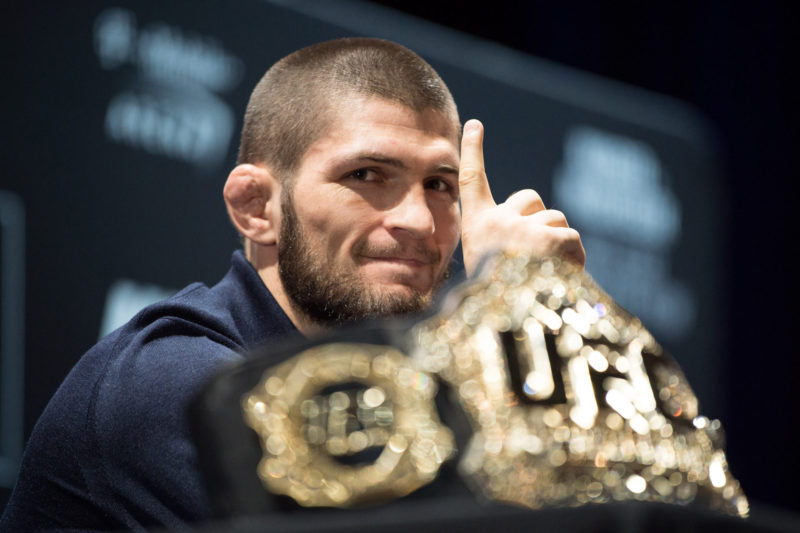
LAS VEGAS, NEVADA – OCTOBER 04: Khabib Nurmagomedov of Russia speaks during the UFC 229 Press Conference inside The Park Theater at Park MGM on October 4, 2018 in Las Vegas, Nevada. (Photo by Chris Unger/Zuffa LLC/Zuffa LLC via Getty Images)

The 29-0 fighter has already embarked on a new business venture since retiring by establishing a new network operator, called Eagle mobile. The initiative which will reward customers to with exclusively UFC merchandise, archived fight clips of Khabib or photo opportunities with the lightweight champion.

The operator will allow its consumers to access wireless communication services on any device through a SIM card across the Moscow region. Khabib will behave as the co-owner and front-face of the brand; however, he will have other skilled operatives running the groundwork of the business.

The former Russian athlete stepping into telecoms is a smart move considering the sector is sitting on €1,130bn. Plus, despite Khabib being retired from the UFC, he’s got a strong fanbase in the Moscow region that can likely convert to high volumes of subscribers to his new network.

This is an exciting move for the former MMA legend, and it will be interesting to identify the impact this makes for telecoms in the Moscow region and worldwide.

Wrexham AFC looks to claim Hollywood status

This Tuesday saw a groundbreaking event occur for fifth-tier English football. The Wrexham AFC supporters Trust approved Hollywood Stars Ryan Reynolds and Rob McElhenney as the club’s new owners.

The Deadpool duo has strong ambitions for the Welsh club to become a global force with a possible £2m being invested to them alongside a Netflix-themed documentary being in the works. Wrexham AFC is the third oldest club in the world which saw 98%+ of their supporters backing Ryan and Rob’s ownership of the club.

Wrexham AFC fans have a lot to look forward to with this investment which can lead the club into domestic success on and off the pitch.

Sports tech firm Genius Sports to launch exclusive Pro Footvolley Over-The-Top Platform
Pro Footvolley action shot: image can be found here: https://www.sportbusiness.com/news/genius-sports-to-establish-pro-footvolley-tour-ott-platform-distribute-betting-rights/

Genius Sports has penned a deal for the next decade with Pro Footvolley Tour to establish a live streaming service for the competition. Plus, the tech company has been given global rights to support betting companies with official data and video content from the tournament.

The partnership proves innovative as it expands the tours international sponsor network, commercial opportunity and audience. Over 500 TV hours have been broadcasted of the Footvolley tour since 2012 to domestic and international broadcast networks. The 2021 edition aims to feature 26 stops on the global tour while a yearly ‘World series of Footvolley’ will be created each summer.

We’re entering a new era for football and volleyball to prove their collaboration can leverage new audiences and interests to deliver immeasurable value to their global stakeholder base.

PlayStation deliver iconic marketing activation directly outside London’s Microsoft store
Written by Omari Coates; Founder of The Final Whistle

Leading up to the release of the Playstation 5 (PS5), Sony took over Oxford Circus to advertise the highly anticipated console. The marketing activation took place over 48 hours at Oxford Circus, with the iconic PlayStation shapes promoted inside and outside the tube station. Cheekily, the PlayStation shapes were seen outside the Microsoft Store which I’m sure was only a coincidence.

PlayStation executed this marketing activation to a tee and utilised its strong brand presence to create viral content. In addition to Oxford Circus, four other stations have also been rebranded to fit the PlayStation theme.

Mile End is now Miles End, which is a nod to Marvel’s Spider-Man: Miles Morales, Lancaster Gate is Ratchet and Clankaster Gate, Seven Sisters has been rebranded as Gran Turismo 7 Sisters, and West Ham has transformed into Horizon Forbidden West Ham. Although the four-tube names are temporary, rebranding will last until December 16th.

Jay Z and Novak Djokovic join forces to revolutionise the fitness industry
Written by Omari Coates; Founder of The Final Whistle
Music legend Jay Z and tennis champion Novak Djokovic, image can be found here: https://www.dailymail.co.uk/tvshowbiz/article-8965527/Jay-Z-tennis-ace-Novak-Djokovic-invest-fitness-start-up.html

Music Mogul and Businessman Jay Z and tennis star Novak Djokovic have recently invested in fitness start-up Clmbr. Clmbr is preparing for the launch of 2021 launch of CLMBR Connected and CLMBR Pure vertical climbing machines.

CLMBR’s touchscreen shows on-demand classes, and its app tracks user data such as vertical feet climbed, and workout targets reached. Having two highly recognised public figures investing in the company will help to position CLMBR as an innovator in the fitness and lifestyle industries.

Jay-Z’s investment in CLMBR through his Marcy Venture Partners firm comes one week after his wife, Beyonce, announced a partnership with indoor cycling platform Peloton.

Jay-Z and Novak Djokovic join venture capital and private equity firm KBW-Ventures; exercise physiologist and founder of 22 Days Nutrition, Marco Borges and co-founder and former CEO of YouTube, Chad Hurley, as key members of CLMBR’s investment team.


That’s a wrap! How will Eagle mobile fare in the telecoms world? Is the potential for commercial growth unlimited now for Wrexham AFC? What will the footvolley global audience look like in a year? Did you find PlayStations PR stunt a sweet or salty move and will Jay-Z’s and Djokovic’s investment in fitness prove worthwhile?

The Sidemen x Leyton Orient: an innovative partnership the sports industry must acknowledge

Recently, YouTube sensations, the Sidemen, have exclusively partnered with London football club Leyton Orient. The Sidemen are a group of YouTube stars including KSI, Zerkaa, W2S, Vikkstar123, Miniminter, Behzinga and TBJZL. The group have achieved multiple successes including a combined total of 100m YouTube subscribers, 26bn YouTube views and selling 26,000 copies of their book, “The Sidemen” in three days. The UK entertainers have also accomplished greatness in the footballing landscape, including the hosting of three charity matches that have raised £390,000+ and participating in the EE Wembley Cup which was viewed by millions worldwide.

Since Orient announced their partnership, there’s been mixed reviews from their audience. Some responses consist of Orient fans not being aware of who the Sidemen are which has created conflicting opinions towards the YouTubers affiliating themselves in professional football. However, the majority of reactions have been positive, especially from Gen Z audiences. Plus, Orient’s Twitter announcement of the Sidemen becoming official club partners is the clubs most engaged post this month. This demonstrates the enormous brand awareness the Sidemen have already accumulated for the O’s.

Content creators have been making an enormous name for themselves across the traditional sporting landscape. Examples include UK personalities Chunkz and Jaackmaate working with Sky Sports and Sportbible on football social shows. Sidemen member KSI defeating US entertainer Logan Paul in the first professional YouTube boxing match in November 2019 at the Staples Center in LA. Plus, US Influencer Jake Paul is fighting former NBA star Nate Robinson on the undercard of Mike Tyson vs Roy Jones Jnr later this month. Leyton Orient has identified the influence the Sidemen have on a growing fanbase of Gen Z audiences which will be commercially appealing to captivate this demographic towards the O’s audience.

The growth of digital media has increased the leverage that building an online brand has towards creating opportunities for career development. The discussed creators have been exceptions at executing this, which has seen them accumulate millions of online followers that have supported their journeys. This naturally entices interest from the corporate world of sport, an industry continually making efforts to keep ahead of the digital curve.

Bringing the Sidemen into the commercial football world automatically sparks a connection with a rapidly growing audience, Gen Z and Gen Alpha. These demographics are typically those who were born between 1995-2009 (Gen Z) and 2010-2024 (Gen Alpha). Both are target audiences that are proving beneficial for high volumes of brand awareness for sports organisations. For example, UK creator Chunkz featured in a video on the Pro: Direct Soccer YouTube channel with fellow creator Yung Filly and Chelsea star Mason Mount. The video has over 1m views which are widely recognised for Chunkz teaching Mason Mount the, ‘Frankenstein’ celebration which Mount performed in Chelsea’s 4-0 victory against Everton 8 months ago which went viral.

The point is that content creators are influencing a new wave of culture into the sports industry that is keeping the game engaging for the younger generation, who are the most influential demographic towards enhancing commercial brand awareness like never before. This has been demonstrated with KSI’s 2nd bout with Logan Paul becoming DAZN’s 3rd highest selling event in 2019, the 2015 EE Wembley Cup accumulating a 300% increase in brand searches for EE alongside YouTuber formed team Hashtag United becoming a semi-professional football team. In the past, the Sidemen have created various football related videos including skill challenges, FIFA tournaments and collaborations with other football associated influencers, including the football freestylers, the F2.


To summarise, the sports industry must acknowledge the influence digital creators can bring to any landscape they apply their passion too, which is what Leyton Orient has executed excellently.  

Exclusive interview with Ibrahim Emsallak; General Director at the Flemish Boxing League

Ibrahim Emsallak is the director of the Flemish boxing league alongside the Vlaamse Trainersschool. Ibrahim has grown up in a harsh environment which has made him the sports industry success he is today. Throughout this exclusive interview, Ibrahim discusses where his passion for sport began, his opinion on the direction that combat sports are heading in alongside how you can convert losses into wins!

Q1) Ibrahim, it’s my pleasure to have you on Ash’s Sports Talk. Can you knock this off by sharing how your sports industry journey began?

Thank you for having me. I grew up in a low-income neighbourhood, where a lot of bad influences were present. My parents invested a lot in education, but the temptation to participate in sinful behaviour was very present in our environment. To prevent us from falling into these negative behaviours, my parents also invested a lot in sports. I played basketball as a kid and at the same time volleyball. By doing so by my parents, I barely had time outside of school to hang out. So sports played a significant role in our daily lives. Our love for martial arts was also from day one present because we were a huge family and we occasionally organised some pseudo fighting championships as kids between the cousins. These “venue’s” took place at our aunts or uncles house when we visited family. We went to a separate room, put some cushions our something to break our fall on the ground and of we go. We could not scream too much, because else our parents would spot us and a real whooping would take place. Every move we saw in a Bruce Lee, Jean-Claude Van Damme or Karate Kid movie was tested and we all chose a character. We might have inspired the UFC in those sessions.

From the age of 16, I started “officially” Boxing in a registered boxing gym. This was a gym that worked with vulnerable youth but was open for everybody. Hence, you had all layers of society present, and this gym was an example boxing gym for the world from the perspective of inclusion and social work. In this gym, my love for the noble art of self-defence, the sweet science began. I was talented and started competing and became a national champion in my country and started to participate in a high-performance circuit. My parents nurtured the love of sports and education in us, and this inspired me to do my higher education in sport sciences at the University of Brussels. My parents demanded from me to focus on my higher education when I started my master’s program, and I had to stop competing. During my boxing career, I was spotted by the board of the federation, and they were aware of my academic background. When I finished my master’s degree, I was invited by the federation and offered a position. I accepted this unique offer, and I am very grateful for this opportunity. Since 2017 I’m active within the federation.

Q2) It would be excellent to hear more about your role as the Flemish Boxing League’s General Director. What does your role consist of, and what are the ambitions for its contributions towards the Belgiums boxing profile?

As a general director of the federation, I have to enhance our work and activities in its broad meaning. I have five main objectives, and those are:

  • Providing a recreational and competition offer of Boxing in Belgium of high quality in line with the regulations in Belgium.
  • Guaranteeing quality of Boxing through educational programs:
    • Trainer educational program
    • Cutman educational program
    • Injury prevention program
    • Agent/manager program
    • Referee program
    • Anti-doping
  • Promotion of the boxing sport.
  • Providing a quality helpdesk for our clubs and guide them through local policies to start and develop their boxing club.
  • Informing the affiliated members.

I’m also responsible for innovation and work together with my colleagues for High Performance in Belgium.

Q3) I understand you’re also the director of the Vlaamse Trainersschool. Could you share more information on what this venture is about, how it provides impact on the sports industry and how your role at the Flemish Boxing League supports your ability for this position?

I specialised in sport sciences and therefore also training. I’m active in a school specialised in educating trainers in Flanders (Belgium). They are recognised by the government and have high-quality programs for trainers in different sports. We as a federation are included in the creation of the program of boxing trainers. My function is creating a vision, programs and policies within the boxing section, attracting teachers and also organising the educational program.

Q4) I’m fascinated with the development boxing has made to reach new audiences, particularly with the YouTube boxing extravaganza that took place last year. What is your perspective on Boxing experimenting with ventures like this? Plus, has this influenced the strategy the Flemish Boxing League adopts to expand its brand?

I have been following this movement to the last years. I have mixed feelings about it. From a marketing perspective, I can only encourage it. Through these stars or youtube influencers, new segments of society are being reached that before were not attracted to the sport through traditional means. You have KSI vs Logan Paul for example. Their fanbase of millions will tune in to see the fight. People that are not interested in Boxing but merely in the rivalry between these people. They could catch the boxing germs and start participating in our sport or follow it as a fan through these Youtube-stars. So marketing wise a good development! These platforms are the future, and the youth (also other generations) are very active on these platforms, we should therefore invest in gaining leverage within these new opportunities.

On the other hand, we must say that these are developments, meaning they are not yet mature. The regulations are not consolidated nor well thought through. The participants are being rushed in the boxing gym, and this brings certain dangers with it. From a coaching perspective and health perspective, these developments are not the ones I would stimulate. We do see that the participant is being prepared, but this is not sufficient. You have boxers preparing years and years, going through the amateur ranks and by doing so, end being well prepared for a fight with a team of educated trainers, before entering the squared circle. If we could provide a road for these stars where they have to participate in a minimum one year program and do some tune-up fights and in a separate competition with separate rules, adapted to the reality where they participate in, we could eliminate a lot of dangers and controversy. We, as a federation, have organised “Boxing Stars”. This is a different platform where famous people can enrol in a program. They are obliged to affiliate with our federation and a recognised club. They get a top-notch trainer appointed, and they are being trained for a minimum fixed time of training hours. They can only participate in the amateur ranks, and the amateur rules are being enforced.  Finally, they will box a match against another famous Belgian.  This program was a big success, but I did express my concerns. So we are keeping in an eye on this development for future possibilities.

Video boxing stars:

Q5) Boxing and MMA have had an intense rivalry for several years to become the front-face of combat sport. What do you feel Boxing has done differently to MMA to keep ahead of the curve and remain dominant in the fight game?

Boxing has a rich history. The UFC is relatively young as an organisation. We (Boxing) have created a great legacy and big institutions that the UFC has not YET realised. Boxing is the sweet sciences and always will differentiate itself from other sports like MMA and kickboxing. The UFC has done a great job in recent years, and the different boxing federations can learn from them marketing-wise and innovation wise. The UFC will also continue to grow, and this will benefit all martial arts, but I think Boxing will always have the edge due to its legacy and this for the coming decade.

I also believe that the Reebok deal was very harmful to the sport. The UFC is very dominant when it comes to sponsors. By being more liberal in this aspect, more resources will go to the athlete, and this will benefit them and the sport as a whole and will help them become more robust.

Q6) The sports industry is full of ups and downs. I’m sure you’ve experienced a mixture; however, how have the adversities encouraged you to remain resilient in such a competitive sector?

It is a unique world, indeed! We are now facing the coronavirus that is devastating for our industry, AIBA (amateur federation) is in a big crisis and discussions are going on concerning the Olympic recognition, in the pro ranks federations pop up like mushrooms, …. We live in a very volatile world, and flexibility and a livelong learning mentality are essential to staying competitive. As a person, you need to be able to handle a lot of stress and have an excellent knowledge of human psychology so you can be vital in negotiating and guiding people in the right direction. And sometimes you need to take an “L”. You can’t always get the “W”. But realising this and going back to the drawing board, you will keep improving.

Q7) Ibrahim, reflecting throughout your career thus far, what advice can you provide for the readers who are keen to follow your sports industry career?

Invest in yourself through sports participation and education. A job in the sports industry is a privilege, so go the extra mile and come out of your comfort zone. I was active in sports from when I was a kid. I participated in Boxing, was very busy inside our boxing club as a volunteer, I did my thesis concerning Boxing, and when I stopped competing, I started teaching Boxing at the university. So be pro-active in setting your career and you will be spotted!


Wow, this was an extraordinary interview with Ibrahim. I resonated with how his career began from a deprived community, and he did not let this hold him back. When we’re presented with a challenge through our careers and lifestyles, it easy to put our guards up and remain hesitant about jumping over those next hurdles, instead, Ibrahim did the opposite.

The AST Wrap-up: virtualisation, viewership and new stadium experiences

It’s Sunday, and you know what that means, it’s the AST wrap-up! This week saw the Bundesliga upgrade their esports ventures, The Professional Fighters League (PFL) remain ahead of the digital horizon, viewership peaks for the NBC, SeatGeek revolutionise the NBA stadium experience, and ESPN+ culminate groundbreaking subscriber records!

The virtual Bundesliga transforms into a professional sports league

Virtual Bundesliga: RB Leipzig rettet sich in die Playoffs
Image found here: https://bit.ly/38FFX4R

A strategic partnership has been penned between the German Football League (DFL) with the Electronic Sports League (ESL) to scale up the Virtual Bundesliga (VBL). The ESL is owned by digital entertainment group, the Modern Times Group (MTG). They will overlook the media production of all VBL competitions while the ESL will endorse the esports competition through their social media channels.

To put the icing on the cake, the ESL can license the VBL’s media rights to multiple partners while contestants can exclusively broadcast and report their matches through their platforms.

The VBL is seen as a powerfully authentic image of the football esports landscape, and the DFL aren’t afraid to continue pushing boundaries to grow the initiative to a worldwide audience.

The PFL bolster their broadcasting experience with IBM

Professional Fighters League unveils first three events for 2019 |  MMAWeekly.com
Image found here: https://bit.ly/3plyC0e

The PFL has struck an agreement with global tech firm IBM to develop its SmartCage technology platform by integrating live data and analytics in league coverage.

SmartCage can monitor live MMA fighter performance, biometric and positional data through sensors placed in the Octagon. Some metrics include kick & punch speed, heart rate and calorie burn. The PFL is striving to transform their fan experience through cutting-edge technological activations continuously.

This initiative can also enhance the betting strategy behind the PFL’s consumers, allowing them to make more informed decisions through the support of live data-driven insights.

Nascar season propels NBC’s digital viewership to new heights

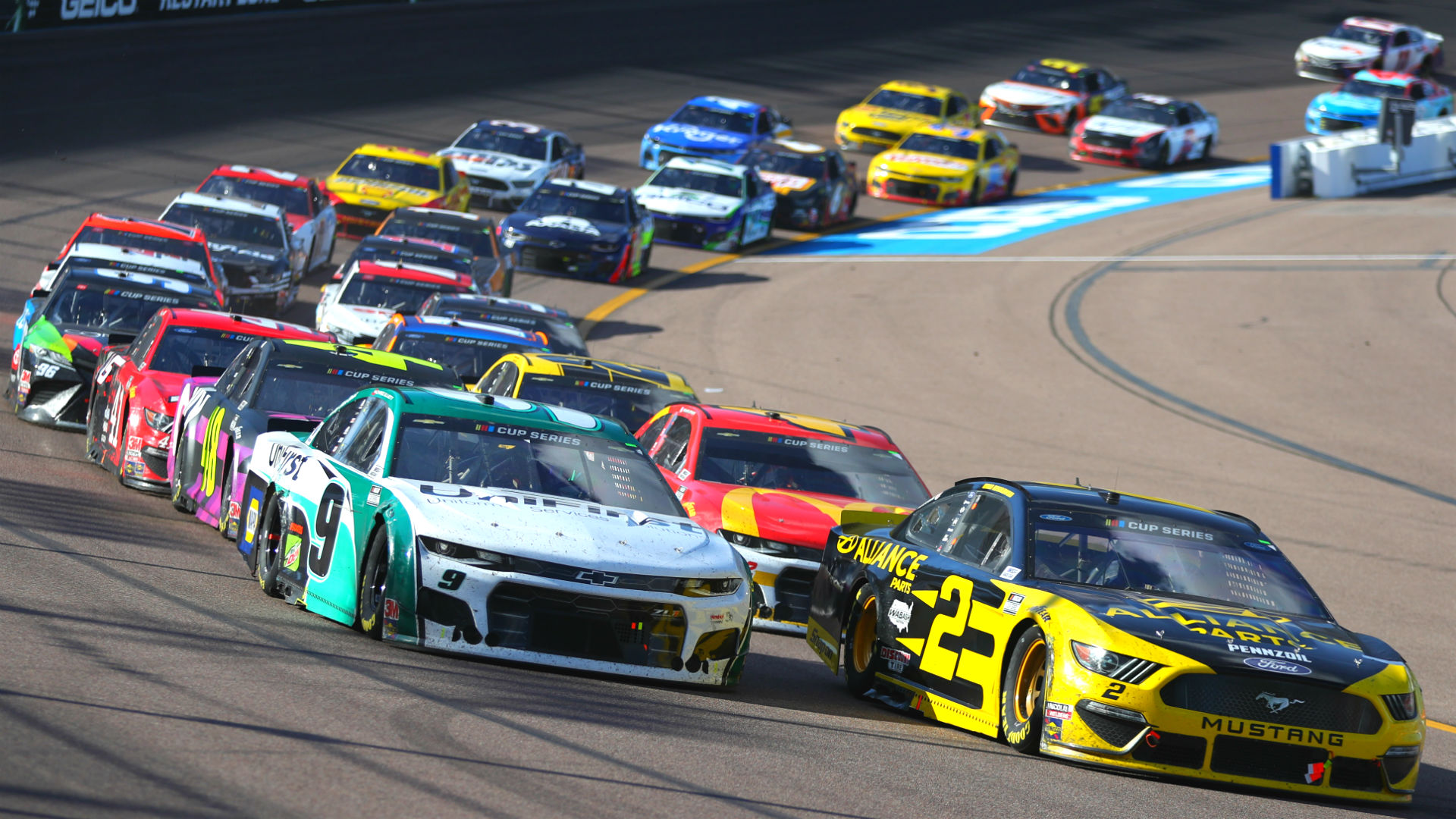
Updated NASCAR schedule 2020: Everything to know about Cup Series races as  season resumes | Sporting News
Image found here: https://bit.ly/3pmdfMt

The 2020 Nascar Cup series smashed viewership records for US broadcaster NBC by accumulating a 27.3k average minute audience, 3.23m viewers tuning into eight races and approximately 2.59m viewers watching the 19-race contest throughout all of NBC’s platforms. Based from last season, Nielson has reported an uprise of 87,000 viewers over seven live races during 2019.

The Nascar coverage peaked when Chase Elliott crossed the finish line first at the Pheonix Raceway on the 8th November which saw 4.08m people tune in to him winning his first cup series. The race reached a Total Audience Delivery (TAD) of 3.09m consumers which is an 18% rise on viewers for last seasons Pheonix playoff race.

Greenville-Spartanburg were market leaders for the 2020 Nascar series across NBC and NBCSN. They garnered a 4.2 ranking which was closely followed by Charlotte and Knoxville with a rating of 4.0.

The NBA’s Cleveland Cavaliers looks to revolutionise their ticketing processes

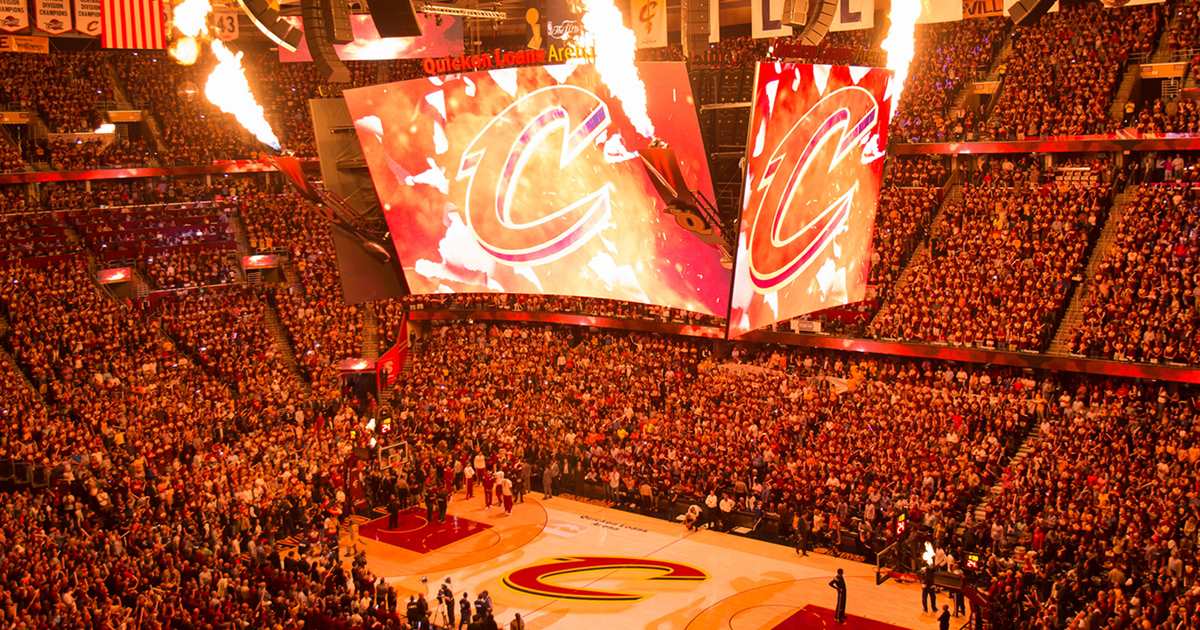
Cleveland Cavaliers | Things to Do in Cleveland Ohio | Cleveland, OH | This  Is Cleveland
Image found here: https://bit.ly/32IEF5i

The Cavaliers have struck a multi-year partnership with New York-based ticketing firm, SeatGeek. The joint-venture will witness SeatGeek ticket all of the Cavalier’s games along with other events taking place at the Rocket Mortgage FieldHouse.

SeatGeek obtains a prestigious sporting clientele including the NFL’s Dallas CowBoys, Liverpool F.C, Major Soccer’s Portland Timbers and the New Orleans Pelicans. The ticketing company will receive premium lounge naming rights in the Cavalier’s stadium while utilising their own data and analytical tools to boost sales, revenue and efficiently manage protocols around the pandemic.

Seeing how unprecedented 2020 has been for sport and the deficit the industry has taken from ticket sales, sports properties need to prioritise boosting match-day revenue through other pathways similar to the Cavaliers partnership with SeatGeek.

ESPN+ skyrocket in revenue and almost triple in subscribers since 2019

What is ESPN+: price, what's included, how to sign up - Business Insider
Image found here: https://bit.ly/3eXAgAi

Disney’s owned streaming service has accumulated 10.3m subscribers who are near enough to tripling the 3.5m the service had last year. Since the end of last June, subscribers grew by 1.8m, an enormous propel from the 600,000 new subscribers in the previous quarter.

Despite Disney’s end-of-year (EoY) revenue dropping by 23% mainly because of the joint package of ESPN+, Hulu and Disney+ last November, the companies direct-to-consumer (DTC) income increased by 41%. The surge of new subscribers had significantly supported the rise in DTC revenue which now finds Disney obtain over 73.7m consumers. Hulu’s year-on-year (YoY) revenue also grew by 28%, which gradually prospered impression-driven advertising income for the medium.

It appears Disney’s recent choice to adjust the model of their content distribution radically and advertising business is proving efficient with their DTC revenue increase. 


That’s a wrap! How will esports in the Bundesliga benefit from ‘professionalisation’? Will other MMA competitions follow in the digital blueprint the PFL has set? How will other motorsport tournaments compete regarding viewership impact on major broadcasters? What can we expect for the Cleveland Cavalier’s stadium revenue with SeatGeek’s input? And, how much potential does ESPN+ have across the sports broadcasting landscape?

Luxury football fashion: how has rap culture influenced a new style in the game?

Fashion has held a significant influence on sport for several years. Fans in the early 1970s became pioneers in terrace-style fashion by wearing luxury brands such as Stone Island, Burberry, Fila etc. Footballers soon followed with casually walking around in bootcut jeans, baggy t-shirts and trucker hats. Players like Arsenal defender Hector Bellerin has led from the front with a new wave in luxury football fashion by being a fashion week regular alongside modelling for high-end brands. The cultural change has leveraged a colossal number of collaborations, partnerships and opportunities between the two sectors. This blog will discover how this propelling relationship began, the impact its made within football and how much potential the current football fashion has to continue revolutionising sports culture.

UK rapper Wiley wearing a FC Barcelona track top, image can be found here: https://bit.ly/32DspDh

Football and fashion have always been teammates on and off the pitch. However, their relationship has immersed into a new dimension of sub-culture that also embeds music and art, evolving the football landscape into a global entertainment enterprise. It’s no longer taboo for non-sporting audiences to wear football shirts outside of the game. The trend has significantly propelled amongst UK rap music where artists like Santan Dave, AJ Tracey, Wiley and many more not only promote football kits through their music but they also actively reference the sport in their songs. This has been a groundbreaking moment for football to unlock a rapidly growing audience, Gen Z.

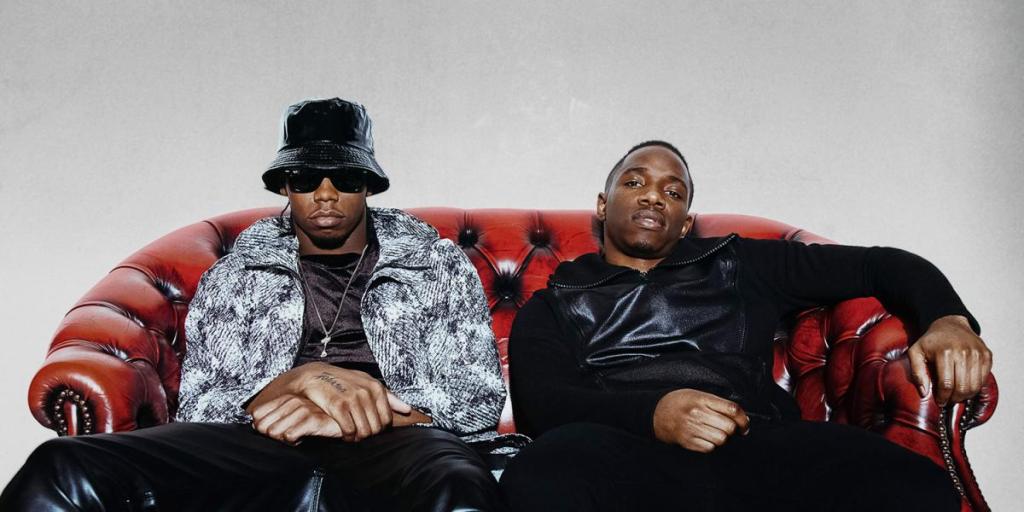
UK rappers Krept and Konan sitting on a sofa, image can be found here: https://bit.ly/2K31ABT

Coincidentally, rap music and luxury fashion have built an unorthodox bond which has prospered rap artists to become fashions new royalty. The growth of the genre has pounced into mainstream media where artists have frequently championed luxury fashion to entrench a feeling of success to inspire their audience via materialistic success. Football reacted to this theme by proactively getting rap artists and influencers involved in the sport to create commercial opportunity.

Wretch 32 musically narrating the 2019 Champions League competition ahead of the final

Clubs started inspiring their kit design to attract more Gen Z rap music demographics and rappers increased their association in promoting the sport by starring in football campaigns. Examples include Dutchavelli and Aitch promote Manchester United’s 20/21 Third Kit, AJ Tracey promoting Spurs’ merchandise through music video, False 9 and Wretch 32 musically narrating the 18/19 Champions League competition ahead of the final. The Nigerian football team has become recent pioneers in snazzy urban-style football kits. The futuristically inspired kit became so popular worldwide it sold out with over three million shirts purchased online.

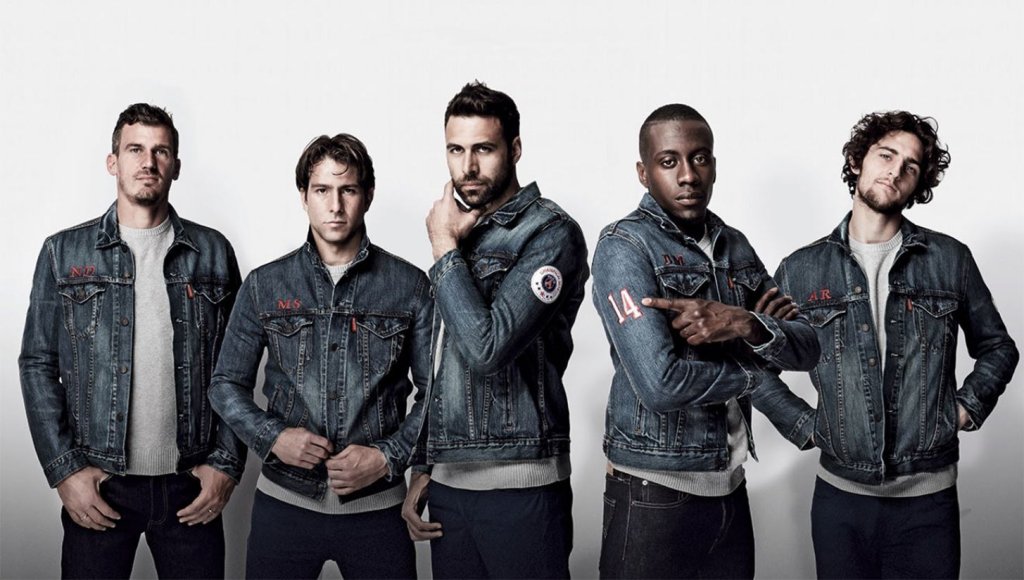
PSG players posing for a Levi collaboration, image can be found here: https://bit.ly/32EuUoD

Parisian giants PSG were soon to follow as they’ve become cultural leaders across pop culture on and off the pitch. The signings of global stars like MBappe and Neymar culminated strong brand awareness not only because of their footballing ability but their fashionable, urban and cultural presence. In due course, the club was ambitious enough to sign a partnership with urban sportswear success, Air Jordan. This collaboration skyrocketed PSG into pop culture monsters which have seen their brand endorsed by multiple high-profile celebrities including Kendall Jenner, Rihanna and Gigi Hadid. PSG continued to diversify their business by ensuring their merchandise wasn’t exclusive to audiences of the game. Instead, the club began designing surfboards, trucker jackets (collaborated with Levi), an exclusive Hublot watch and Air Jordan sneakers. PSG’s audience continued to rise when former player Thiago Silva promoted a track that AJ Tracey and Santan Dave made about him.  

Balenciaga FC men’s collection image, the photo can be found here: https://bit.ly/3psmNFO

Luxury fashion monsters Balenciaga has also taken their sports strategy seriously as they’ve established a collection called Balenciaga FC. The initiative saw the brand drop multiple football products for their autumn collection, aroused by traditional football wear and high-end fashion.  A remarkably popular item in the collection consists of their football boots worth over £400. The extortionate prices on their items have been a popular topic within rap and pop culture which has boosted their profile to a broader market where they’ve chosen to captivate that growth in the football industry.


Many ‘fashionable football’ partnerships have initiated during this era, including UK-based retailer Belstaff becoming the official outfitter for French club OGG Nice. Spurs signed an exclusive deal with Hugo Boss and Manchester City collaborated with DSquared2 not long ago. These collaborations welcome a new strategy for classy designer outfitters to influence the style and image of today’s beautiful game. Essentially, rap culture has influenced a modern style into the football industry by utilising luxury fashion to pivot the sector into a global entertainment business.

Exclusive interview with Jason Auld, action sports athlete and fitness content creator

Jason Auld is an action sports athlete and a fitness content creator who hasn’t been afraid to push boundaries and achieve his sports career success on his terms. Jason’s work has seen him deliver live-action sports entertainment at the Formula 1 Grand Prix, London Olympic Games, the Tour de France and the Qatar World Road Cycling Championships. Away from action sports, he’s been an integral asset to devising marketing campaigns for global brands such as Pepsi, Converse, McDonalds and Samsung. This weeks interview will see Jason discuss how these experiences came about, where his passion for sport began alongside the feeling of setting a Guinness World Record.

Q1) Jason, it’s a pleasure to chat with you. Could you ignite this conversation off with how your career in sport began?

Hi Ashwyn. First of all, thanks for the opportunity to chat about my career and experience. As much as I love talking about myself to anyone who’ll listen, I think it’s important to share what we’ve learned in life, through practice, success and failure, to help those who might decide to take a similar path.

That ethos is particularly important to me because I never had a real blueprint for my career.

I got my first paid work as an Extreme Unicyclist in 2008, providing entertainment at a fresher’s week event for students in my hometown. I got handed a £50 cheque, which I’ve romanticised in my memory as one of those massive novelty cheques you get for winning the lottery. It was one of the turning points in my life, an epiphany that I could make a living from my passion.

I should probably rewind for context. Extreme Unicycling is a fringe sport which I often compare to BMXing or Skating but on one wheel. It’s comprised of performing tricks in urban environments, much like all urban sports.

I was still working as a gym instructor at this point but aged 20; I was allowed to be a part of an Edinburgh Fringe festival Extreme Sports show. The most famous of my co-stars were Danny Macaskill, who you may have seen in Red Bull video. After that 30 day run, I made a Batman-style oath to myself, that I would never work a real job again, and it set me on my path to being a professional athlete/performer.

What exactly is a professional Extreme Unicyclist? I didn’t know either. My career became primarily events based, providing entertainment, at small local fairs to the athlete village at the London 2012 Olympics.

Since the emergence and growth of social media and content advertising, my role switched more to creating content for brands, which led me to explore new disciplines like Ninja Warrior and Free Running and of course, learning how to film and edit video and pictures.

Q2) I’d love to re-visit your role as Head of Global Sales at The Freestylers Limited. This role led you to be affiliated with some of sports most significant events including the UEFA Champions League, the FIFA World Cup, Formula 1 Grand Prix and more. What involvement did you have throughout these occasions, and what was the most exciting experience you took away from it?

Working for “The Freestylers” came about due to my experience working at events. I had the pleasure of performing alongside some very talented Freestylers. Due to my desire to be involved in creation, choreography, marketing and athlete management, I was given a chance to work with “The Freestylers” and then on to work with their sister company, Viral Media House.

It was the first step that led me away from my “oath” as it was essentially an office job, but it did give me the chance to sit in meetings with colossal ad agencies and brands, devise concepts for commercials, and it taught me a vast amount about sales and connecting with both potential clients and their target demographics.

I think the most exciting and valuable experience I had working with this team was the chance to create and star in a commercial for Pepsi Max. I came up with the concept; I helped choreograph and direct the shoot plus I performed in the piece. It was a great thing to put on my CV. Still, it also filled me with confidence, knowing that despite my lack of formal education, my experience, my creativity, and my willingness to learn was enough to make me prosper in this industry.

I think that’s important to underline, especially in the current environment. It’s cliche to say “you can do anything you put your mind to” and that’s not to say you should quit your stable 9-5 and follow your dreams blindly. However, fear of failure, fear of inadequacy or impostor syndrome should never be obstacles in the way of achieving your goals. You have to love what you do, you have to work hard and be hungry to improve, but you should never think something is unattainable merely because you lack qualifications or experience.

Q3) What I find exciting is your diverse set of experience across sport. You’ve worked throughout sales, consultancy, coaching and social media marketing. What impact has each of these roles had on your sports career portfolio?

Haha, yes, it really has been a Forrest Gump style journey, with a little bit of every role thrown in for good measure. I think that’s partly due to my passion for sports, the arts and telling their stories through online content. It’s also partly due to my inexperience in one specific field. It’s meant I’ve had to be proficient in whatever role I’ve been handed.

You hear it all the time, but I believe it to be true; if you can learn to sell, you can be valuable to any team. Selling often gets a bad name, like it’s somehow forcing people to buy your product or service against their will. Real selling is empathy and communication. You should be able to identify the needs of your client and find a way to fulfil them authentically.

A previous guest on your blog, Preeti Shetty, who I had the pleasure of working with in the past and I’m still friends with, once said to me “No one is buying your Unicycling, they’re buying you”. That unlocked something for me. It helped me realise, there are millions of professionals with the skills to do this job, some perhaps more skilled or better qualified but there’s only one you. You have to bring something that is uniquely your own if you wish to do meaningful work and to be genuinely valued by your audience or customers.

If we use “sales” as a synonym for “communication”, that experience has helped me in every scenario across my career. Most obviously in marketing but also when managing talent, working with events organisers, promoting my own brand and even in my actual performances.

Being able to communicate and being confident in my abilities has landed me opportunities like breaking a Guinness World Record at the Olympic Stadium in London. I’ve debated experts on Sky News and travelled the world. That’s not bragging or arrogance because I don’t think I’m special. If you can learn how to communicate, to sell if you will, you can do it too.

Q4) Focusing on your current role as a Social Media Manager at Primal Gym Ltd. What has been the most important lessons you’ve learnt to be a successful content creator in the sport & fitness industry?

Health & Fitness has two camps; those who want to be impressed by your content and those who want to relate with it. Of course, there is overlap. Unfortunately, it can be quite a toxic environment for most people. At Primal Gym, we try and showcase the unique disciplines we teach; Gymnastics, Ninja Warrior, Calisthenics and more. It provides us with visually stimulating content and often helps us stand out in a market full of people lifting weights.

One of my most enriching interactions was with a man named Craig Kirby, founder of the non-profit  “My Future, My Game” in Washington DC, which used golf to engage minorities and marginalised groups in society to help them progress in business. He said the phrase “if you can touch it, you can be it”. What he meant was, if you see someone who looks, sounds and lives like you, achieve the goals you want in life, it unlocks that potential in you. Since that meeting, I’ve realised the importance of displaying all kinds of people in our content. That obviously includes demographics like women, minorities and older people but also people of all shapes and sizes. If I want to be motivated to go to engage in Fitness but I don’t look like Dwayne Johnson, I have to know that this facility welcomes people who look, move and act like me. It goes back to that idea of communication. A young, muscular white man is not the best person to connect with an old, overweight Asian woman. That’s not to say they can’t, but it’s always going to be harder and content, especially in the age of 15 second Instagram stories, is all about efficiency and effectiveness.

Q5) As well as a content creator, you’re also an action sports athlete who’s performed for millions. It would be great to hear about the other fantastic experiences your athletic career has led you towards, and, how has your career as an athlete influenced the way you produce content?

I’ve been very lucky with the opportunities I’ve had in my career, especially when you consider I set out to be an Extreme Unicyclist with no expectations of what that actually was.

As I mentioned, I set a Guinness World Record with my previous team at the English Institute of Sport. Olympian Jessica Ennis was training right next to us at the time, which really heightened the honour. We then went on to break that record in front of a live crowd.

I performed for Prince Charles at a charity event. I also met my wife there, so I suppose I have Unicycling to thank for that too.

I’m incredibly grateful that my work has allowed me to travel to countries I would never have normally visited. I performed at the Abu Dhabi Grand Prix, the WEC in Bahrain, the UCI road cycling championships in Qatar, and I even appeared on TV in Lebanon. I think spending time in the Middle East, meeting incredible people there, some of the kindest, warmest personalities I’ve met have really shaped my outlook on life and reinforce my belief that regardless of culture, the same things touch us, move us and motivate us all.

What has influenced the way I produce content the most? I was invited to a US embassy sponsored tour of America last year, which saw ten influencers from the UK taking part in a project entitled “Exploring America Values”. It sounds glamorous when you mention the word “influencer”, and it was fantastic. Still, the most powerful experiences there that will stay with me forever was meeting people who run charities and non-profits designed to help those disenfranchised in society.

We visited a place called “Inner City Arts” in Los Angeles that provides free programmes in the arts for kids from incredibly underprivileged backgrounds. We have all gifted a piece of art made by the children, and to this day, I have this cool little 3D printed robot created by a child that reminds me of the power that art can have.

I came away from that trip with a fantastic sense of guilt that I wasn’t doing enough to give back to others and to use my work to benefit my community. That was when I realised, just because you’re a creator, artist or athlete, doesn’t mean your work is meaningless or useless. You don’t have to be a doctor or a politician to make a positive impact in the lives of others, and we all have a responsibility to do so.

Q6) Sport and social media is a continuously evolving landscape, what methods have you adopted to keep yourself ahead of the curve? Plus, do you have any prediction on how content creation in sport will change in the future?

I try and consume a variety of sports and content in general. There are some videos and podcasts I will purposefully seek out for that variety, but mostly, I’ve always been interested in diverse subjects. I think that helps you see patterns that work well across all platforms and genres. It also allows you to integrate things into your content that perhaps aren’t being utilised in your current field.

The legendary Japanese philosopher and warrior Miyamoto Musashi said “know the way and see it in all things” meaning, mastery and understanding of one field begets excellence across the board. Athletes who can take inspiration from musicians, artists, philosophers, entrepreneurs etc. are the ones who end up transcending the fields they operate in.

My prediction for the future? There’s no reason why you can’t be an independent creator now who connects with an audience and generates income solely on your own. You don’t need agents, managers, teams or sponsors to make a living anymore. You don’t need qualifications, badges or belts to learn and gain experience. The internet and social media have given us the resources to learn on our own and to communicate without a middle man. Because of this, we’ll likely see an end to traditional media, with everything shifting to on-demand and interactive.

Q7) Jason, reflecting throughout your sports career, what advice could you provide to the readers who may be inspired to follow in your footsteps? 

I always hate giving advice as it somehow suggests your example is one to be followed, however, since you asked, haha.

My friend once said to me that my overall quality was that I “always bet on myself”. That’s not necessarily what I would have chosen, but when I thought about it, it’s likely been the quality that has fuelled my success. My advice to everyone, regardless of what you do or the situation you are in, is to always bet on yourself.  Don’t confuse that with hubris as you must work hard for that bet to pay off but never limit your ambition based on what has happened before or the low expectations of others. It’s never too late to try, and if you’re young, you have so much time to fail and learn than you truly realise.

Try and get 1% better every day but don’t get disheartened if progress slows, as it accelerates just as suddenly. Keep moving forward and have faith in your process.

Say “yes” to as many experiences as possible. Try something new as often as you can.

Commit yourself to discipline, immerse yourself in a practise because the process of getting better at something, the ability to express yourself skillfully and honestly through your work is the closest thing to peak experience you’ll find.

Be nice to other people and not because they deserve it but because it’s the right thing to do.

Have fun because you should never take life too seriously.


Now that’s what I call a sports industry inspiration! I hope you found that as powerful as I did. Many things fascinated me about Jason, primarily how he spoke about not letting his lack of skills and experiences deprive him away from his passion. On that note, life is what you make of it, let this principle apply for your sports industry passion.