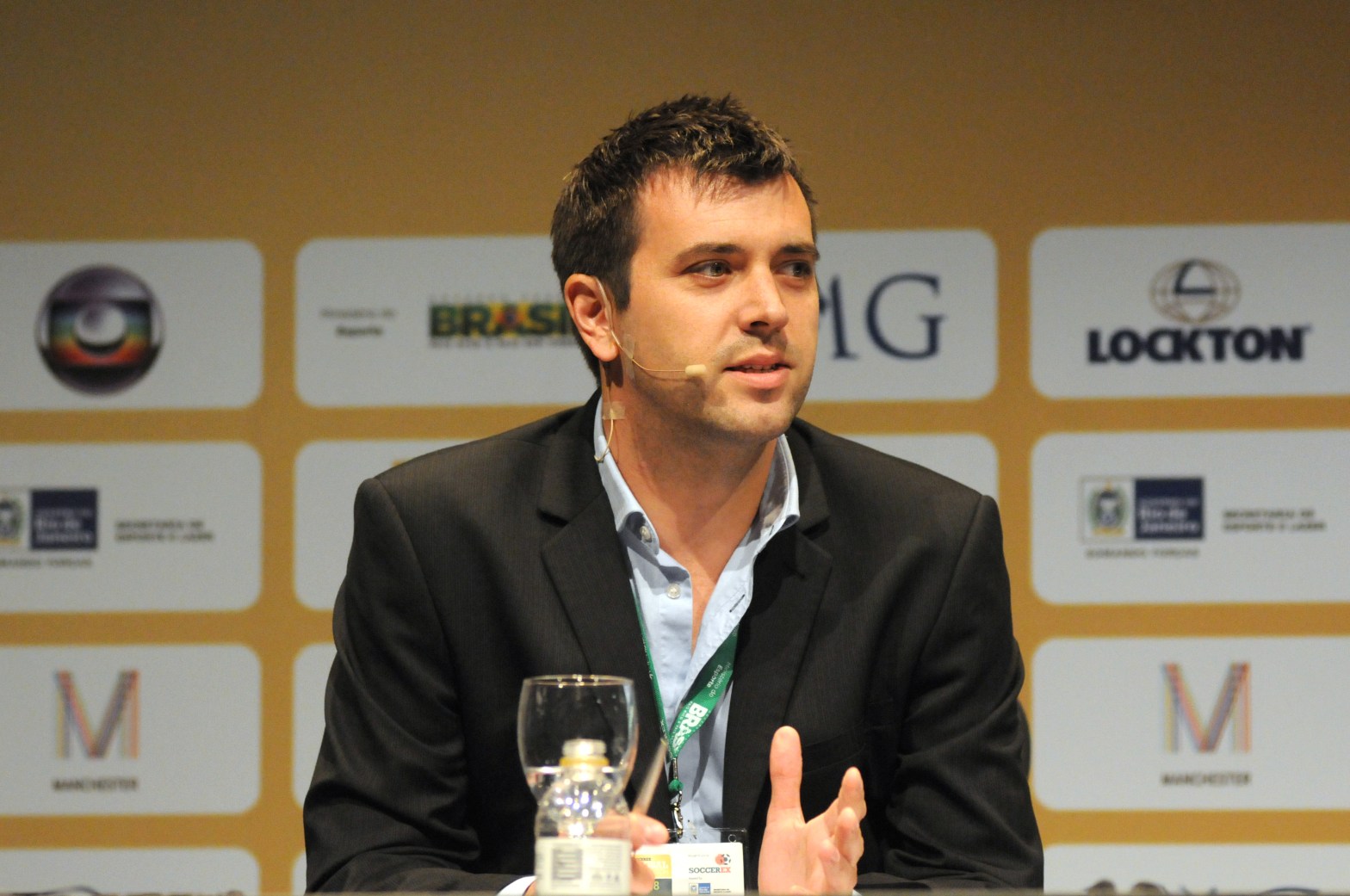
Exclusive interview with former Premier League player and professional sports mentor, Jason Lampkin

In this weeks interview, we had the marvelous opportunity to interview former professional footballer and sports mentor, Jason Lampkin. Jason has hustled his way to the top of English football, making it to the Premier League’s ‘big boys’ including both Manchester United and Aston Villa. However, his professional sports career came to a standstill due to an injury, Jason was then proactive enough to make the best out of a bad situation by exploring ventures in the sports industry away from the pitch. Brace yourselves for a juicy insight leaving you inspired more than ever to chase your career ambitions.


Q1) What did your journey look like to becoming a professional footballer?

A: Most people start playing when they are two-three years old. This was never my plan. I am half Spanish and always have been highly active. Spain is like a wonderland for an active child. Initially, I wanted to be a bullfighter instead of a footballer. However, I do not ethnically agree with being a bullfighter now. Now I live in North Wales, and there are plenty of synergies with my childhood in Spain, considering my active lifestyle.

I was a late developer in football. I moved to North Wales when six years of age and this was when I took an interest in different sports. I joined a local side when I was eight years old and ended up at Manchester United when I was twelve years of age. It was far from a typical circumstance for a child to be in at such an early point in life, playing for the biggest club in the world! Adding pressure to the cooker, I came into the academy at the time of the Ronaldo, Rooney, and Scholes era! Despite it being inspiring playing amongst some of footballs greatest players, it was also rather daunting.

I was a right-winger, therefore, looking over at Cristiano Ronaldo I could not help but think, “how on earth am I supposed to be better than the 2nd best player in the world?!”. For me, the best in the world is the one and only, Lionel Messi!

It was one of the toughest parts of my career, I was already at the top of the tree, and there is only one way you can go once you are up in the sky. The environment at The Red Devils was cutthroat and extraordinarily competitive, but as players, we understood the consequences.

Q2) It is every boy’s dream to play for a Premier League club. However, from your experience at United, do you feel you would have benefited from starting at a lower league club at the time?

A: Absolutely, at the time, I wish I stayed at Tranmere Rovers. They were the club I transferred from at the time who were in League One or Two. I would have been a big fish in a small pond, received more attention and focus from the coaches. This is because you had to be within the top 1% of players to receive that type of attention at Manchester United.

The statistics state that players going through the academy phase, 0.01% will make it as a professional player. This stat was a real eye-opener for me considering how good you had to be to make into the Manchester United first team. Therefore, staying at Tranmere Rovers would have provided me more opportunity to get noticed not only nationally, but internationally.

While coming through the academy, you tend to feel shy and embarrassed about asking for more money because you simply stay grateful for the opportunity to be selected. Whereas, signing an official contract adds that feeling of security and understanding that the club genuinely wants you in their team. Getting the full-contract approved would have been an ideal scenario for me, considering I suffered a bad injury to my knee when I was 18.

The injury occurred when I got my first contract at Aston Villa FC; once I was injured, I knew all of my bargaining power was flushed down the drain because my knee was hanging by a thread and there were concerns of myself never walking again. Villa offered a one-year rolling contract, but I feel I could have negotiated a better deal if the injury did not occur.

Q3) Talk to me more about your injury, I understand you were out of the game for nearly two years, how did you keep yourself mentally stimulated?

A: When I got the injury, I experienced so many emotions considering I was so close to making the transition of getting that long-term contract which was hard to take.

It was a tedious process going through rehab, seeing the same four walls every day while learning to walk again. Unfortunately, four of the other lads suffered the same injury to their knees in that year. However, not being the only one in the physio room helped to ensure we were doing the exercises correctly, keeping each other in good spirits and morally supporting one another.

Q4) From your experiences in professional football, including the good, the bad and the ugly, what advice could you pass onto aspiring young players also wanting to break through into being a footballer?

A: It is hard to advise due to my injury seeing me out of the game so early on in my pro career. I say this to everyone I meet through My Football Mind, which is an initiative I currently run to support professional footballers psychologically.

I also touched on this question in one of my blogs when you have made it as a professional it feels that almost everything that could have gone wrong went right. Unfortunately, I was in the opposite boat of ‘everything that could have gone right, went wrong’. Therefore, I see through a different perspective in that regard.

Q5) Comparing the typical player experience while at Tranmere Rovers compared to Manchester United, did you notice much of a contrast in the environment?

A: It does change your perspective on ‘making it’. Tranmere was more geared around fun, whereas when I went to United, it suddenly felt a lot more professional as it is not a past time. I used to love going to Tranmere on the ‘banter bus’ and getting ready in the porter cabin. However, when I was with United, I started to expect things at a higher level which was detrimental for someone so young. For example, if I were not in a bus with fancy seats and leather chairs, I would be disappointed. Although, this is a warped mindset now and I cannot believe I used to think that way.

The lyric from James- ‘Sit Down’, “If I hadn’t seen such riches, I could live with being poor”. It painted the picture entirely because us lads gave so much at a young age that we began to expect nothing less than the luxurious experience.

When I transferred from Manchester United to Aston Villa, it was a similar level of pressure considering it was still Premier League football. I loved it at Aston Villa; the environment suited me to a tee. However, falling from Aston Villa to the lower leagues in North Wales caused me to struggle a lot as I was used to experiencing ‘top of the range’ everywhere I had been.

Q6) Away from the football pitch, what did your career journey look like to get where you are today?

A: The work I am doing with My Football Mind and First Touch Mentoring are real passions of mine. Both initiatives came because I did suffer from my mental health issues through professional football. Therefore, it is an issue I want to improve. Another passion of mine is fitness; I started developing this while I was in the gym every day throughout rehabilitation; it was a smooth transition for me.

My Football Mind started because I teamed up with two ladies called Rosie, who has is involved with charity work and Susanne, who has a son at Chelsea FC. We all have a holistic understanding of mental health in the football academy system, me at the pinnacle of the game at Manchester United, Susanne coming from an angle of a parent and Rosie with the Third Sector perspective. We can add value in that place for football academies and parents.

Q7) What do you feel the football industry can be doing better to support their athletes with mental health?

A: I would say not enough funds are invested towards mental health by clubs. The game focuses on being more superior than your opposition, and I am a big believer in if your mind does not work your body will not either. So much more can be done, perhaps it is a lack of funds, time, or interest that clubs do not have hence why they may not pursue the possibilities. However, if My Football Mind can be the external resource and take care of the clubs’ players mental wellbeing, then I think they will go for it as there is so much to gain.

Q8) As a professional player, did you find the club foundation supportive towards your mental wellbeing?

A: When you sign as a professional, you become part of the PFA, which is the Players Football Association. They have funded part of schooling at the state and approved my CV being produced by a professional service. For sure, they have been helpful, but it was not in the most proactive service for players. For example, there was not much follow-up care from Aston Villa or the PFA, such as checking that I am okay and vouching for support if needed. This would have been nice considering my traumatic experience with a career-ending injury.

I ended up going back to The New Saints, who were the Welsh champions almost every year in the Cymru Premier League. I thought this was the right choice, but it was a terrible move as it was not a league I was passionate about, and they had a 3G turf which was a recipe for disaster relating to my injury. It took me a long time to recover from this whole experience, and for that reason, this is something football clubs need to be aware of the importance of aftercare.

Q9) While working outside of football, have there been any transferable skills your professional sports career has taught you on your non-elite career journey?

A: Football is disciplined; it is a 24/7 occupation. Footballers make sacrifices that nobody else must make such as waking up at 7 am and training first thing, ensuring you get in the right amount of nutrients during the day alongside remaining fully hydrated always to give 100% to the team and yourself. Footballers cannot switch off; it is almost like being in the army with the level of discipline we need to follow.

As well as the sport being team-based, it is also very individually focused. Not the whole team makes it through the academy. Therefore, you need to have your own back. Applying this into business, you must ensure your tasks are done to the best ability for the whole team.

Q10) Aside from yourself believing football clubs can do more to support mental health with their players, how else can clubs support their athletes? 

A: At Aston Villa, I had to complete a BTEC as a player. However, our BTEC courses were orientated around being a coach or a footballer. However, I did not want ‘my plan B’ if I did not make it as an athlete to be orientated around the sport. If anything, there are so many online options to study different subjects we are spoilt for choice!

However, the club’s educational courses were always so limited within the sport. I believe if Villa received funding to bring in more courses such as online degrees, A-levels, apprenticeships etc. it would have represented them as a lot more inclusive. Even sending some of the lads to study further at college would have been great, that is excellent publicity for the college, and it provides more opportunity for the lads to choose something they want.

The sports industry is so broad now; you have so many avenues of education you can explore, including marketing, event management, sponsorship and much more! The problem is they are not being promoted as much by clubs.

Q11) During COVID19, how have you remained mentally and physically stable throughout such a strange time?

A: Its been a tough one as I am in North Wales and we have been on lockdown longer than anyone else. However, we have no choice but to make the most out of a bad situation. As I have touched on throughout this interview, I love fitness, so I bought myself some weights and barbells to keep myself mentally and physically fit as gyms have closed. I am still busy with my business projects as well which is excellent. I appreciate it is a tough time, but we must remind ourselves it will not be forever, and things will get better.

I recently wrote a blog about the Stockdale Paradox, focusing on how the US Navy vice Admiral James Stockdale obtained a bullet-proof mindset while being captured several years ago. When he was found, he did not reveal any information, but every day, the admiral remained optimistic that he would be found, and his torture would not last forever. It resembles what we are going through now as a world, hence where I got the inspiration from, tough times do not last, but tough people do.

Q12) It is admirable to see how positive you are remaining throughout this period, what helps you to keep your mindset so optimistic?

A: I am always open to trying things. I wake up at 5 am, and I start my day off by practicing breathing techniques to help me relax. Whatever I do, I need to ensure I am productive. Otherwise, I struggle when my mind is not occupied. You could say it is the after effect from football; I was always so focused on being the best player I could be so naturally when I got injured I did not have an escape route from this. I was still learning to adapt to what the injury did to me, so this was when I started to develop other passions such as mental health in football and fitness which I saw as an escape route.  

Q13) We’ve touched on First Touch Mentoring; however, would you mind about the team’s plans?  

A: We are currently collaborating with other people and organisations in different areas as we have not defined ourselves yet. Despite ourselves at First Touch mentoring having lots of experiences, combating mental health with three people is always going to be a challenge, hence why we want to collaborate. One charity we are looking to work with are LAPS (Life After Professional Sport), they focus on supporting footballers who have recently retired or have exited the game due to injuries. I would like to think First Touch Mentoring is more proactive with our approach, but no man is an island and having this collaboration will help us all strive to support those suffering from mental health in football.  

Q14) You own an excellent blog which called JSL, where did the motivation come from to create a blog and how has it benefited your endeavors?

A: It has always been a passion, funnily enough, I am not much a talker, I tend to be quite reclusive, which is ironic as I have spoken more than usual throughout this interview! I am also quite tentative; I like to try out new things and apply them practically. The blog started by myself gathering my thoughts together, and I gradually came towards designing a platform which promotes my views of the world.

JSL has benefitted my career as it got me my first role in New York City. I was there for a full-year and loved it so much that I plan to go back to the US as soon as COVID19 has passed. Multiple opportunities have come from it, and it is a great way not to be restrictive as they are precisely your thoughts. It has been great to build my network as I began publishing blogs on LinkedIn, people liked what I was producing and eventually connected with me from it. It is also the right way not just to engage with people, but with people who think similarly to you.

Q15) During Ed Bower’s Education2Sport podcast, I remember you said ‘I notice a master when I hear one’, on that note, who have been the masters that have helped shape your career to where you are today?

A: There are so many podcasts I listen to for many different purposes. One podcaster I love is Joe Rogan, he is simply very inspiring, creative, sports orientated and unique, he asks questions that nobody else asks.

Another one which may raise a few eyebrows is the Wolf of Wall Street podcast. I am not looking to live the luxurious lifestyle of Jordan Belfort as such, but he makes a lot of good points. Business development is a crucial topic on the podcast, and this resonates with me strongly, if you do not develop a business, you are not going to achieve your goals. Learning how to influence people is what his podcast predominantly focuses on which also synergises with me greatly as to be a good businessman, you need to know how to sell.

Ed Bowers Education2Sport is another podcast I enjoy. He has connected a lot of different people in the sports industry, so it is excellent to understand multiple perspectives.

As I am a mentor at First Touch Mentoring, My Football Mind, and another triathlete project, I appreciate the value of having good mentors. There is a mentor I have in New York who works in operations, he has been brilliant from the first moment I met him, his advice, guidance, and support has been invaluable.

Despite the value mentors can bring, always remember to follow your heart and be you rather than over-aspiring to be the next ‘someone else’.

Q16) You have smashed it in professional football, education and throughout the sports industry, what does the future hold for the great Jason Lampkin?

A: The world we live in is harsh and is not easy for anyone. The plan is to keep grinding, and I would like to share that message with the readers. I expect to have ‘down periods’ like anyone else, I would be lying if I said I was positive all the time. However, we get through them and find our feet again as we only have one life, so you have to make the most of it.


This interview with Jason has indeed reminded me that life is what you make of it. I can only imagine the amount adversity Jason went through suffering a life-changing injury. However, instead of dwelling in his sorrows, he became inspired to create his ventures that focus on directly supporting similar individuals to fill in a gap in the football industry.


Did you enjoy Jason’s story? If so, leave a like, star rating and comment below on what your most personable moment was throughout this blog.

Rating: 1 out of 5.

The Ash’s Sports Talk weekly sports business wrap-up

Welcome to a new addition to Ash’s Sports Talk, your weekly sports business wrap-up! Every Sunday, we will be bringing you the most informative and lucrative sports industry stories to share with your peers. This weeks edition consists of football serving fans an appetite of entertainment, sports broadcasters continuing to play tug of war over media rights and other fascinating progressions around the sports industry!

The Premier League finally gets to feed its hungry-consumers

Credit to https://bit.ly/2Zf8Kqz for the image

The Premier League has returned to its throne, the top of the sports industry table. Project restart has demonstrated to reach millions of viewers in and out of football. According to SportBusiness, over 41% (25.179 million) of the UK TV viewers have engaged with Premier League coverage. The Merseyside Derby has reportedly broken viewership records by becoming the most-watched Premier League game ever, accumulating an average viewership of 4.817 million. This record surmounted the Manchester derby in 2012, beating an average accrual of 4.486 million spectators. This pandemic has provided a revamp to English football to captivate new audiences and showcase its power to engage society through world-class entertainment.


Could the Bundesliga head over to Saudi Arabia?

Credit to https://bit.ly/3i7lqIF for the image

The Kingdom of Saudi Arabia (KSA) continues to innovate and diversify their region through sport. Sports Pro Media report that the KSA is holding talks with the Bundesliga to own media rights across the Middle East and North Africa (MENA). Currently, Qatar-based sports network, BeIN Sports carry this 5-year contract with the Bundesliga for approximately $50 million per year. Despite this initiative by Saudi causing tension against Qatar, the KSA is proving to be a global sports powerhouse. Saudi Arabia is currently linked with the Newcastle takeover, hosting the 2027 AFC Asian Cup, due to stage a Ladies European Tour event in October, planning to deliver the Spanish Super Cup and Supercoppa Italiana. The is a new era for ‘The Land of the Two Holy Mosques’ where sport will bring positive change for the world to witness.   


The Deutsche Fußball Liga help DAZN bounce back into the broadcasting game

Credit to https://bit.ly/2VpQ723 for the image

The Financial Times had reported the worldwide suspension of sport has significantly impacted business for global sports group, DAZN. However, earlier this week, SportBusiness announced that DAZN secured domestic rights for the Bundesliga from 2020/2021-2024/2025. SVG Europe revealed that DAZN is hosting 106 matches per season every Friday and Sunday across Germany, Austria, and Switzerland. Sky Sports have also received a slice of the cake, obtaining rights to 200 live games per season. Overall, this Bundesliga package is reportedly worth an attractive 4.4 billion Euros! This deal is the most substantial offer for domestic football rights awarded to a European Sports streaming service. This event is revolutionary for DAZN to continue being dubbed as ‘The Netflix of Sports’ by bringing global sports fans a suite of content through their unique medium of multi-sports.


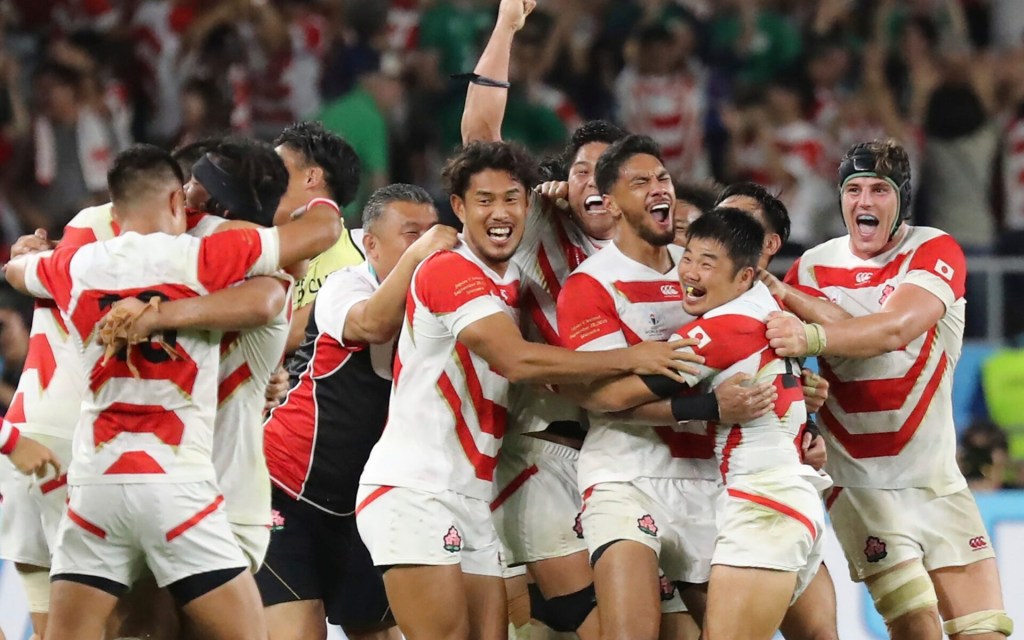
The 2019 Rugby World Cup revolutionises the Japanese Sports economy

Credit to https://bit.ly/2Bg0uPd for the image

SportBusiness reports almost £4.3 billion was generated from a cost-effective production, making this sporting event the most successful in the Japanese sporting history. The tournament yielded a ticket-sell out rate of 99% (1.72m sold), the most for any Rugby World Cup. The competition oversaw 242,000 international fans contributing to a spectator spend of over £2.59 billion in Japan. According to SA Rugby Mag, this figure was proportionally 4.6x higher than the average visitors daily spend in 2018 across the nation. There have been over 46,000 jobs sustained with 13,000 volunteer roles created, meaning increased support towards Tokyo 2021. Japans sporting profile will now attract further commercial interest, changing the nation’s infrastructure providing more opportunities for the youth to succeed through sport.


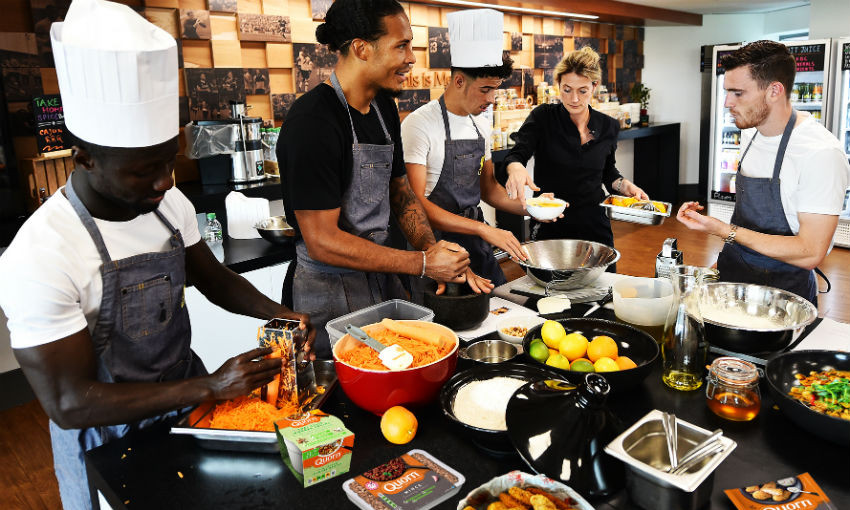
It’s official, Liverpool FC is going vegan!

Credit to https://bit.ly/2Vmz4Ok for the image

Liverpool FC announced meat-free alternative brand ‘Quorn’ as their new sponsor on the eve of their historic Premier League title victory. This partnership will promote awareness about the benefits to reap from vegetarian and vegan-based foods. Edie has mentioned Quorn will source new match-day food options for fans once stadiums re-open. Plus, there will be a high involvement with the clubs’ nutrition team to expand sustainable options on low-carbon protein resources. Not only is this collaboration fruitful for promoting a sustainable environment, but it’s also efficient with fostering diverse club sponsorships. The Drum has reported over 76% of football sponsorships promote junk food brands alongside the BBC identifying football fans experience high-stress levels. Therefore, Liverpool FC using health-based sponsors could influence a new strategy for clubs to think similarly about looking after the wellbeing of their audience.


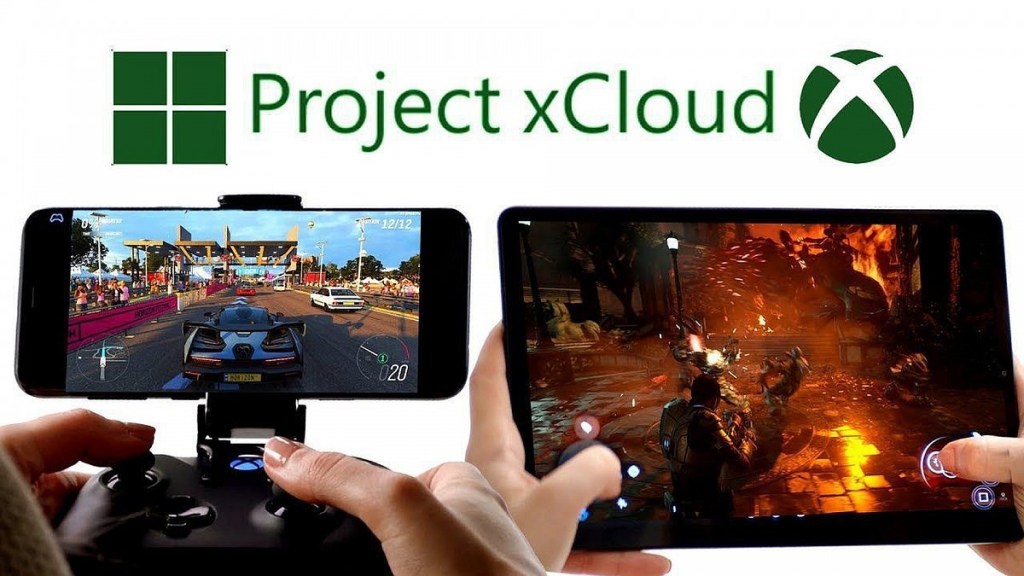
Microsoft and Facebook intend to take Esports to new heights

Credit to https://bit.ly/31mgR7r for the image

When one door closes, another one opens. Unfortunately, the door that closes is the Esports platform, Mixer. However, SportBusiness reports that Microsoft is teaming up with Facebook Gaming to provide most innovative Esports experience. The former mixer community will transfer to Facebook Gaming. The Daily Mail revealed Microsoft’s cloud-based games-service xCloud is in the Facebook Gaming package; this presents an opportunity to build an audience with exclusive xCloud content. xCloud is adding value in the gaming market by allowing iOS users to play Xbox games through their iPhones and iPads. Initially, this would have only been available through a home console. It is a transformative era for gaming worldwide; it will be fascinating to identify the impact this makes on the Esports market.


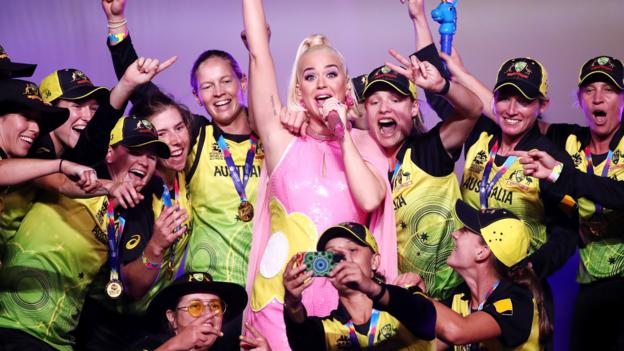
There is no stopping the rise of women’s’ cricket

Credit to https://bbc.in/2YEVOLS for the image

SportBusiness reports the Women’s T20 World Cup 2020 as one of the highest viewed female sporting events in history. India making it to the final was a key accelerator for digital engagement. Overall global viewership was 423% higher than 2018 figures for the knockout stages. The Indian Cricket Council mentioned their nations live viewing hours yielded to 86.15 million, a 152% increase compared to 2018. The final acquired 1.2 million viewers, recording the event as the most-watch match in the sport. The UK had also experienced an excel in audience expansion with England’s opening match against South Africa, generating a 259,000 audience size. We’re entering a progressive era for the growth of women’s sport, and we look forward to this movement enhancing inclusion in all levels of sport.


That’s a wrap; Football continues to embrace its brand to satisfy its consumers worldwide. Women’s sport is only heading in one direction; Esports and Japan both have many reasons to be excited.  

Did you enjoy this read? If so, there’s plenty more of where that came from, so subscribe below and leave us a rating!

Rating: 1 out of 5.

Exclusive Interview with International Sports Industry leader, Mr Martin Copus

Martin Copus, the CEO of Middle East based Sports Accelerator, MBUZZSPORT, has had a fascinating journey into and through the sports industry after starting his career at one of the world’s leading advertising agencies, Leo Burnett. That took him all over the world from a London start… Chicago (during the days of the Bulls 2 three-peats of ‘Last Dance’ fame), Cairo, Hong Kong & Singapore to name just a few! Martin’s whole family have always been big in sport – he and his wife Chris played international hockey, and their sons Rory and Jamie are both internationals in rowing.

So it was only a matter of time before ‘my weekends met my weekdays’ as Martin says, moving into leading sports media rights firm Sports Revolution in 2011 via his media industry friend – the then Woking FC chairman and Sports Revolution principal shareholder – Chris Ingram. Since then, Copus has played a significant role in Saudi Arabia’s sport while helping MBUZZSPORT to global renown.  

The MBUZZSPORT team has been involved in negotiating and managing deals with many of the ‘big boys’ across the sector, bringing an innovative marketing and business approach to the sports industry we haven’t seen before. For example, Martin’s colleague Youssef Abdellaoui negotiated a sponsorship deal with newly-promoted La Liga club Leganés, that included the right to change the shirt sponsor 3 times in the season so as to appeal to smaller businesses that otherwise couldn’t afford a top-flight shirt deal!

So, without further ado, get comfortable for one interview you will not find anywhere else.

Q: How did your career in sport begin?

A: I worked at a big global advertising agency called Leo Burnett when I came out of college. This took me on a world tour, and I was there for about 20 years – including cutting my sports sponsorship teeth in IndyCar in the States. After Burnetts I did some interesting work in the digital space, again in multiple countries, and that’s where I met Chris (Ingram). He asked me to bring digital innovation, mobile especially, into his Sports Revolution media and rights firm in London. The family and I have always been big on sport – competing, watching, and more recently coaching – so it was only a matter of time really before I’d take my marketing and digital experience into sport.

Sports Rev had always had an international skew and after a couple of years in the London business, I went to set up a joint venture in Dubai – Sports Revolution Arabia – with MBUZZ as our partners, an international Saudi telco services company. MBUZZ had realised the value and power of sport in fast-forwarding their core business when sponsoring Sheff United’s shirt in their FA Cup semi at Wembley in 2014 – my first sponsorship deal, actually! After a couple of years running Sports Rev Arabia, I was headhunted into Abdul Lateef Jameel – who are possibly the biggest company you’ve never heard of, with tens of thousands of employees and the world’s largest single Toyota customer, I believe.

The job was to manage the title sponsorship of the Saudi football league – at the time, the world’s second most valuable title sponsorship of a football league in the world (after Barclays in the Prem), so a lot of value to be managed, and not really an opportunity to be turned down. Our partners MBUZZ totally understood – especially as the role would get me deeply involved in the Saudi sports scene where football is as much a passion as in Europe. I think Sports Rev didn’t want to continue without me there to manage it, and hence the birth of MBUZZSPORT, with myself continuing as Advisor outside of my core working hours… approved by ALJ as long as no conflict of interest would result, which never did. The title sponsorship ended in 2018 and I moved into a ‘back-to-the-future’ role at ALJ, running a media division of the company.

At the end of last year though, the opportunity came up to move back into sport full-time and join MBUZZSPORT as CEO. One of the pillars of our business is taking (mostly minority) ownership positions in football clubs across Europe. We own a quarter of Sutton United in the National League, and have a similar position with a club in Segunda B (the third tier in Spain) – and we’re busy right now looking into a couple of clubs in France and Sweden. We also have an early-stage player agency division – MBUZZSPORT Management. One of our players is from Canada and we’re looking to move him to the Middle East or Scandinavia, while another has Champions League and Serie A experience and we’re in process of finding him the right next opportunity on the football ladder.    

Q: How have you progressed your career up the ladder in sport?

A: The first challenge was to demonstrate – including to myself! – how transferable my marketing and digital skillsets would be in the sports industry. I certainly had fairly in-depth knowledge and experience of multiple sports, but I still needed to showcase my ability. Luckily the industry was becoming increasingly digital and marketing-driven at the time… no longer were sponsorship decisions largely driven by ‘Chairman’s Choice’, and technology was on a sharp upward curve, in football especially.

It was 2013 and we were fortunate enough to get the brief to wifi-enable Celtic Park, which was the first successful installation of full-stadium connectivity in the UK. The company sweated blood over that, not least as similar installations had failed at the time at some of the big English clubs. The launch was at Celtic v Ajax in the Champions League – with a heaving Parkhead connecting thousands and thousands of mobiles simultaneously to our platform! Luckily… well, skilfully really, it went off without a hitch. So I guess there’s some learning in that – deliver what you say you’re going to do.

Credibility and trust has always been a critical factor in my business dealings – and that’s especially important in football, and especially in the Middle East. In my Burnett days, I’d worked in Egypt for two years and learned that while contracts and agreements are in place for the bad times, it’s personal relationships that matter most. A handshake is almost always more important than signatures on paper in our part of the world, closely allied to respect for the other party.

Understanding cultural differences and nuances, and the ability to navigate new environments was particularly important when I took over running the Dawry Jameel (Jameel League). I’d inherited a number of tricky challenges to resolve – but we ended up running some world-first programmes… like bringing 5-metre tall puppets from Germany to play football in front of 62,000 fans in a season-closing show, or getting the entire league to wear shirts with seat-belts printed on them – even over their sponsors logos – in support of Road Safety Week.

I guess those examples highlight a couple of factors that’ve helped my career in sport – creativity and can-do, must-do delivery… both skills learned in my formative years at Leo Burnett, where the company’s logo came from a saying of the founder’s, “When you reach for the stars, you may not quite get them, but you won’t come up with a handful of mud either”.

Q: At Ash’s Sports Talk, we love digital marketing. At MBUZZSPORT, how do you ensure you get the most out of your digital marketing channels?

A: During lockdown, I’m managing the MBUZZSPORT digital platforms myself – so in the absence of delegation, I’m getting a lot of hands-on experience I otherwise might not get! That said, I was pretty instrumental in bringing the Saudi league’s digital activity up to speed back in the day. Part of our contract as title sponsors was that we had the right – actually the requirement – to manage all the league’s digital channels, and we were able to re-invigorate the website and all the social media channels… Twitter, Insta, Facebook, etc. We even managed the league’s Fantasy game aka Fantasy Jameel.

The good news about lockdown is that taking away travel and commuting time meant there were suddenly more hours in the day. Up to that point, I hadn’t had time to properly review our digital presence, and quickly realised it could do with a revamp. I’m a great believer that digital media not only provides a company’s shop window, it also creates and showcases its personality. So the first job was making it look consistent, current and personable. We’re not there yet, but I think we’ve made solid progress. Over to the professionals as soon as we’re past the corona crisis…  

One thing to highlight, and that I’m pretty pleased with, is the NEWS section on our website. We’ve managed to backtrack and uncover articles from different sources, which really tell the story of MBUZZSPORT. I felt this would add some authenticity and illustrate – in the words of others, always better than your own! – what we’ve been able to achieve, and how far we’ve come. I guess it also shows we’re worth writing about! It’s at https://www.mbuzzsport.com/news/ if you’re interested ;-).

Looking ahead on the digital side of things, we’re planning to be in the rapidly expanding world of eSports as soon as possible – which is totally logical for a business with mobile technology at its core. It’s also totally logical in Saudi Arabia, which is not only one of the countries with the highest social media usage in the world, it also boasts the number 1 FIFA player in the world. So watch this space…   

Q: What conclusive feedback can you provide for someone who is wanting to break into the sports industry?  

A: First and probably most important, assuming you’re already in employment…remember your day job is paying the bills, so don’t let this prejudice your enthusiasm for getting into sport. Same if you’re in college – whatever the industry, employers want to see that you can finish what you started.

Second: figure out an initiative that you can take, that will impress or just catch the attention of a potential employer. Maybe try and evolve out of your current industry into a sport-based assignment, kind of like what happened to me – taking the skillsets of the advertising industry and experience in digital into a sports environment.

Thirdly, people do business with people they like to do business with. Make sure your approaches accurately reflect who you are. Be yourself. The worst thing would be that you manage to open a door, only for the club or federation or agency to think “this isn’t at all the person I thought we were interested in”. In so doing, never underestimate the power of networking. Don’t sit back and wait for something to happen – think about the best way to deliver your message, and do whatever you can to build the best version of yourself.

Oh, and always look for something that makes you exclusive. Like Ash’s blog!… who’s now the first to know – ahead of our press release next week – that MBUZZSPORT just signed an agreement with talkSPORT to market Premier League Live Commentary across the Middle East and North Africa…


This was an incredible insight into Martin’s journey to become an international sporting leader. The key themes that have led to his sports career success include thinking proactively about applying his external skill-sets in a sporting setting to add value. Appreciating the importance of networking by connecting the dots to create his sports career vision. Lastly, using creative approaches to help drive MBUZZSPORT’s growth into game-changing industry innovators.

We hope you enjoyed this blog as much as we did – please leave a comment below sharing what you learnt from Martin’s experience.

And If you’re up for hearing more about Martin & MBUZZSPORT, make your way over to www.mbuzzsport.com and the MBUZZSPORT YouTube channel below.

https://www.youtube.com/channel/UCAUO4j46WYk2dnL7qihNYFg/videos


Did you enjoy this interview? If so, leave us a rating and comment below so we can continue to work on satisfying your blogging needs!

Rating: 1 out of 5.

Exclusive Interview with the founder of the first Fan Connection Platform in the world

Goran Milošević is the founder of the first fan connection platform, officially known as ‘FANNECTOR’. FANNECTOR is ready to revolutionise the football industries digital marketing activities. Goran has worked in a wide array of industries including banking, sports betting, and SaaS. His journey into sports is a unique one and he has provided a phenomenal story on his potential to almost becoming a professional footballer, where the inspiration for a game-changing initiative came from and his sports industry recipe for success. 

Credit to http://www.fannector.com for the image

Q: How did your career towards the sports industry begin?

A: I am a football fanatic since birth; I began playing for a club at six years old, and at eleven years of age, I got pretty good and ended up being scouted by AFC Ajax. Unfortunately, due to injuries with my knees and Achilles heel, I could not pursue my dream to become a professional footballer, so I started to look for other ways to add value to football clubs.

In 2003, I went to the Amsterdam University of Applied Sciences to study Sports Management and Marketing. In that time, this was a new and unique course in education, and I knew it was precisely the right one for me. After graduation in 2007, It was very difficult to enter the sports industry as the industry favours ex-players rather than people with a University degree. Therefore, I looked for jobs that had connections to the industry, and I ended up working at ABN AMRO Bank in 2007. They were sponsoring AFC Ajax and the ABN AMRO Tennis Tournament in Rotterdam at that time. My thoughts were that through my entry-level position, I could grow towards the sponsoring department and be more connected to sports. Due to the global banking crisis in 2009 – 2010 I could not pursue those thoughts, and additionally, I started to develop a huge interest in digital marketing. In 2010 I turned this interest into a first digital marketing job. Fast-forwarding, I am currently having ten years of digital marketing experience in big sports-related companies like Bwin, Cashpoint and BGT. My main tasks in these ten years have been focused on growing, innovating, and utilising (sport) businesses through digital marketing channels. Two years ago, I started seriously to think about how I could combine my obsession for football with my love for digital marketing, and in April 2020, I turned my thoughts into a product called FANNECTOR.

Q: Tell us more about how FANNECTOR brings value to the football industry?

After analysing 10 – 15 thousand emails, 50 websites, 200 social media channels and approximately 100 club apps, for two seasons, I noticed that football clubs are claiming to be data-driven. However, they are only sending generic, mass, and low-value content to fans and their digital (sponsoring) value is close to ZERO! Additionally, football clubs place a lot of emphases on the amount of social media followers and engagements on which they cannot capitalise because these are ANONYMOUS FOLLOWERS and not fans!  This is where FANNECTOR comes in. FANNECTOR is an innovative and digital software solution which enables football clubs to:

  1. Turn anonymous social media followers into identified fans.
  2. Generate, collect, analyse and, most important: OWN in-depth engagement data to understand the WHY behind the engagements.
  3. Create 360° fan profiles combining offline and online engagements together to understand each fan personally and offer hyper-personalised content to each fan.
  4. Offer DIGITAL and MEASURABLE sponsoring opportunities to companies which improve the club’s sponsoring value.

Football clubs think they are data-driven, but the harsh reality is that they are not! I believe that OWNING data is crucial for football clubs in the long term. Google and Facebook have proved this by generating yearly revenues of 1.200 billion USD! Being dependant on platforms like Google and Facebook, which own football club data, is not sustainable for clubs because their digital value will be 0% which is very concerning considering the fact, that our world is turning more digital each day! Therefore, FANNECTOR is and will continue to be very valuable for the football industry!

Q:  I can see you have worked in multiple sectors before entering sport, what were some of the transferable skills you built up?

A: I did not have a vast plan behind it; however, I always tried to work for companies that have some connection to sports. As I progressed through my career, I identified that digital marketing was something I was passionate about and decided to dedicate more time towards it. I also recognised that this would be the future. I wanted to ensure that I continued to increase my digital marketing knowledge and experience as this would one day be a very useful skill to possess.

Working with platforms like Google, YouTube, and Social Media channels, I started to think about how I could use my skills and transfer this into the sports industry. I have a creative and problem-solving mindset, and I am a firm believer that there is a solution for (almost) everything. For example, Google and Facebook ads are generating billions through digital marketing, but football clubs are only sending generic, SPAM emails which have a very low value to fans and sponsors. This inspired me to look for a solution which enables the sports industry to add more value to fans, sponsors, and the organisation itself.

However, the most important skills for me are passion and determination, and these are skills that everybody can possess and are not industry depending.

Q: What was your strategy to build up your sports industry network?

The sports industry is a very closed industry unless you are an ex-player, so there is not a proven strategy that works. I believe that first, you need to be able to offer additional value to the industry and secondly, you need to keep on knocking on all doors, and eventually, one will open. As I’m trying to change the mindset of the industry how digital marketing is being done, it will be crucial for me to find the first club with my vision and then I am sure many other clubs will follow within one year once FANNECTOR proves it’s value.

I am currently very active on LinkedIn, where I am trying to connect with professionals in the top 20 football leagues, and I am writing and posting articles about fan CONNECTION instead of fan engagement.

Additionally, I also would like to start participating in industry events like the World Football Summit and Soccerex. These are excellent opportunities to meet industry leaders and to spread my important message into the industry. However, due to the current state of the world, this will most likely be postponed until next year.

Q: Throughout your experience in sport, what have been the fundamental values that have allowed you to sustain a progressive career?

The core values are determination, belief and hard work. Your road to success, whatever success means to you, is not a straight line. It will be bumpy and often disappointing; however, if you are determined and keep on going, you will succeed.  

Additionally, you need to believe in yourself and your value for the industry. If you do not believe in those two things, then nobody will! There will be many people, even in your personal surrounding, that are “naysayers” and tell you to stop. When things get challenging, always try to remember the reason and why you started your journey. For example, I started with a simple piece of paper, which I still have to this day, and began to draw FANNECTOR out. This paper still motivates me each day because I see how the product changed from that initial design to what it is today. Also, by believing in yourself, you change your mindset from being scared to fail and what people will say about you if that happens into I cannot fail because I can only learn something by doing it.

Finally, hard work. To be able to be confident and keep on going, you need to put in the hours. Educate yourself on your industry, gather and analyse information and grow your knowledge. I recommend speaking to many people from different backgrounds and industries, absorb their perspectives and think about how you can use that to improve your product or road to your success.

Q: From your perspective, what advice could you provide for someone eager to break into the industry?

Set yourself realistic and reachable goals, be determined and understand that reaching your goals is never easy and comes with bumps and disappointments. Find your passion and try to perfect this so that you can add value to the sports industry.

Do not see working outside of sports as a negative; it is more important to gather skills and knowledge which are needed in the sports industry. The sports industry is not the most innovative industry. Therefore, by working outside the industry, you can become a valuable person for the sports industry due to your broader perspective and experience outside of the sports industry. Always keep in your mind: what am I doing today that will bring me closer to my goals.


Goran has touched on the essential points to build a prestigious career in an ever-growing industry. Do not be afraid to enter the industry away from the traditional path of only working in sport. The industry has evolved into a global entertainment business and will welcome each person that can add value to the industry. Remain determined and be ready to face adversity as (professional) life is never a straight line with only success. Keep on believing in yourself and your journey, and you will reach your goals!


Did you enjoy this interview? If so, leave us a rating and comment below so we can continue to work on satisfying your blogging needs!

Rating: 1 out of 5.

Significant moments which revolutionised contemporary sport

The commercialisation of sport has revolutionised the industry. The advent of e-sports and gaming, the synergising of different sports events together and branding fixtures as global entertainment are clear examples. In this blog, we review key events which have changed the infrastructure of sports business.  


KSI vs Logan Paul 2

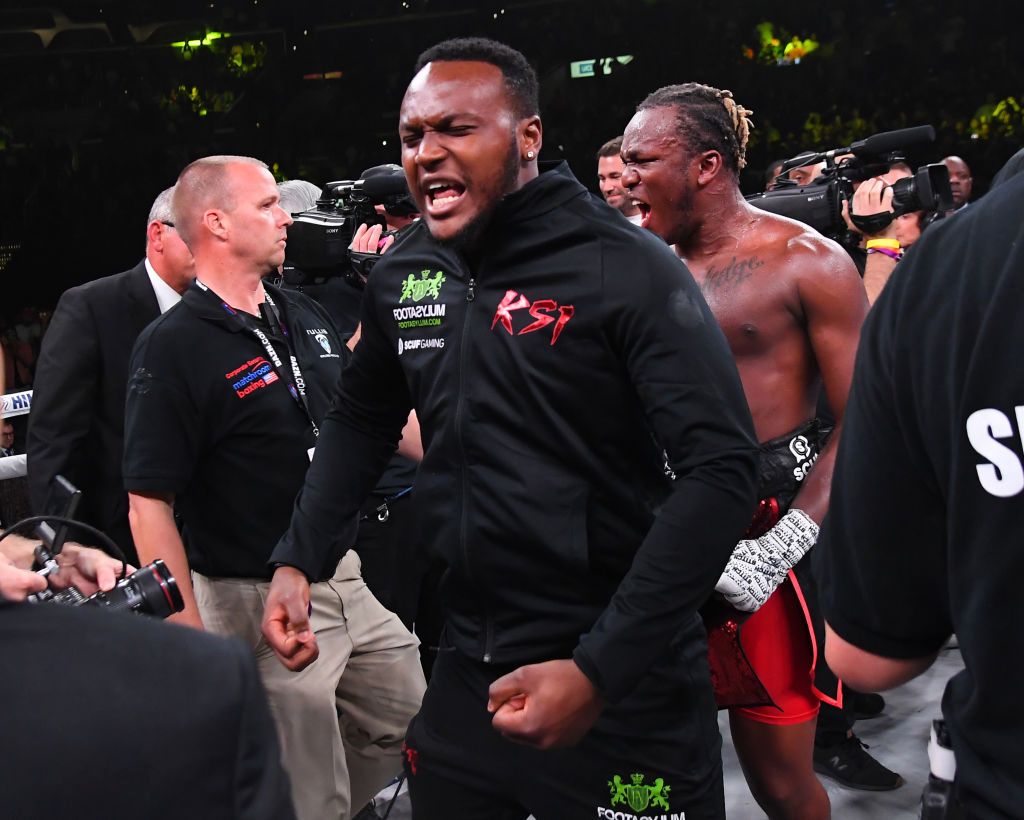
On 9th November 2019, the first-ever professional YouTube boxing event headlined by two digital creators at The Staples Center, LA. Sports promotion giants Matchroom Boxing also sponsored the fight. The event was a trailblazer, bringing young tech-savvy audiences into the sport, and astonishing results. The contest generated £2.15 million via PPV on Sky Sports Boxing. It was DAZN’s 3rd best-selling fight of 2019, and the Press Conferences accumulated over 15 million views across multiple YouTube platforms. It also raised the profile of other boxing superstars such as Devin Haney and Billy Joe Saunders. Both world champions garnered over 1 million online impressions on Google the day before the event.

Both KSI and Logan Paul delivered a digital marketing masterclass influencing a new wave of ‘sporting culture’ by integrating online entertainment with professional sport. Matchroom Boxing Director, Eddie Hearn, has openly admitted that more ‘YouTube boxing’ fights are a possibility because of its success.


Floyd Mayweather vs Conor McGregor- ‘The Money Fight’

‘The biggest fight in combats sports history’. On the 26th August 2017 at the Staples Center, ‘The Money fight’ brought two different worlds together, producing a combat fighting masterclass with huge gains. Allegedly, Floyd ‘Money’ Mayweather walked away with approximately 300 million dollars and ‘The Notorious One’ Conor McGregor left with an attractive fee of $100 million. The occasion produced $4.3 million PPV buys and grossed over $600 million through American Television Network Showtime. The PPV buys were the second-highest of all time, behind Mayweather vs Pacquiao in May 2015.

Meanwhile, UK betting companies took £250 million in bets, and 41% of UFC content was affiliated to the fight between 23 July-23 August. Each fighter gained over 400,000 new followers on Instagram on fight night alone. And major sponsor ‘Hublot’ had astonishing digital engagement numbers, experiencing a 184% increase in online engagement three days before the bout. This extravaganza will surely inspire combat sport to explore opportunities to combine different fighting disciplines into one global event.


Anthony Joshua vs Ruiz 2

This was another boxing frenzy which raised the profile of Saudi Arabia’s ability to showcase world-class sporting entertainment. AJ vs Andy Ruiz 2 is arguably one of the most successful boxing events in sporting history.

Andy Ruiz Jr v Anthony Joshua, IBF, WBA, WBO and IBO heavyweight championships, Diriyah, Saudi Arabia. 7th December 2019. Picture By Mark Robinson.

It was the highest-selling PPV fight ever for Sky Sports Box Office, and was DAZN’s most streamed event of 2019, keeping Eddie Hearn keen to host future events in The Middle East.

The fight also demonstrated the Kingdom of Saudi Arabia’s drive for equality and positivity through sport. The media coverage of AJ and Ruiz’s rematch will provide an opportunity for grassroots athletes such as Saudis first female certified boxing coach, ‘Rasha Al-Khamis’ to demonstrate changes towards progressive gender equality in the Kingdom. 


Tottenham Hotspur- The Northumberland Development project

Spurs’ new multi-purpose stadium has provided a unique competitive advantage to the club, transforming it into a global entertainment business. Since its opening, Spurs has been listed as the 8th most valuable European club according to KPMG with a worth of 2,067 million Euros. The ‘Tottenham Hotspur Stadium’ has also won the ‘Venue of the Year’ at the 2020 Stadium Business Awards. The club has exploited the opportunity by bringing prestigious leisure events to its luxurious stadium. The club was due to host its debut boxing event between heavyweight champion Anthony Joshua and contender Kubrat Pulev before COVID19 struck. Two rugby games for 2020, including Saracens v Harlequins and England v Australia were also on the calendar alongside music concerts including performances from Lady Gaga, Guns N’Roses and the Capital Summertime Ball.

The fascinating part of Spurs’ journey is them achieving their profitable economic status without winning any silverware since 2009. Their unique journey to off-the-pitch stardom sets a new identity for other clubs to be aware of when operating in such an innovative market, that off-the-pitch and on-the-pitch success are two different ball games.


Social Media integrating into sports marketing

The era of social media marketing is debatably the most influential part of revolutionising sports business. The sports industry has been quick to exploit opportunities available to connect better with their audiences.

Palco President Suñol.23-05-2015 ultimo Partido de liga FCB-Deportivo.vista desde el palco presidencial del mosaico de Campions de liga

In the early days of Social Media, sport used platforms such as Twitter and Facebook to update their fans on the latest news affiliated about clubs, leagues, and tournaments. Now, social media is one of the most significant revenue streams for sports clubs. It has also played a crucial role in expanding a brands identity to international audiences. This in itself has helped evolve into the industry it is today, a sector which is driven by data and statistics.


The 2019 FIFA Women’s world cup

Undoubtedly, this is the most instrumental game-changer to elevate the profile of women’s involvement in elite sport. The tournament reached a record-breaking 1.12bn viewers throughout, gaining an average audience size of 82.18m with the final between the USA and The Netherlands matching the viewership figures of the men’s 2018 world cup final between France and Croatia. This tournament has demonstrated to be bigger than just a ‘world cup’, it’s a movement showcasing the power women have to gain equality in a ‘male-dominated’ industry. From a digital perspective, the hashtag ‘Equal Pay’ appeared five times during the final where the USA beat The Netherlands 2-0. This inspired USA striker Megan Rapinoe to contest the US federation for gender equality. This campaign has encouraged sportswomen to take a stand and not to settle for anything less than what they deserve.


Coronavirus

The world has experienced struggles with this unprecedented pandemic for the majority of 2020. The virus has provided an impetus for the sports industry to adapt for survival. Clubs, organisations, and governing bodies have had to re-strategise their traditional marketing methods to keep their audiences engaged without live sport.

Some major sports leagues have returned behind closed doors, including the Bundesliga, Danish Superliga, and the UFC. The most considerable change has been the absence of fan attendance, changing the atmosphere, experience, and commercial feel to sports. This pandemic has re-emphasised the fundamental role sports fans play in the social experience sport brings to society.  Despite this torturous epidemic, the relationship between sport and its supporters could become more influential than ever.


Each of these critical events has proven sport to be an ever-adapting market, continuously adapting its identity and exploiting in new industries, territories, and audiences. The ability of sport to continually adjust and revolutionise will help sustain itself as a market leader in global entertainment.  


Did you enjoy this blog? If so, leave us a rating and comment below so we can continue to work on satisfying your blogging needs!

Rating: 1 out of 5.

Viddal Riley, the unique journey to claiming boxing stardom in a new era of the sport

Viddal Riley is a professional boxer/digital creator from Hackney, London. He is also widely recognised as YouTube star KSI’s former boxing coach. The Hackney-born was introduced to boxing by his father Derrick Riley at six years old, the age when Viddal started his amateur career. Aside from boxing, Viddal has a YouTube channel called ‘VIDDAL’ creating content including entertainment, vlogs, music, and sports-related videos.

At an amateur level, Viddal collected eight national championships and a European junior silver medal. Furthermore, he represented Team GB as a Youth Olympian in the 2014 Nanjing Summer Youth Games while holding an amateur record of 41-8 (19 KO’s).

In November 2018 life changed for Viddal as he made his professional debut, beating Julio Manuel Gonzalez with a first-round knockout at the Big Punch Arena in Tijuana, Mexico. January 2019 saw Vidal on the undercard of Manny Pacquiao vs Adrien Broner at the MGM Grand Arena. In Las Vegas he defeated Mitchell Spangler in a first-round stoppage. Viddal went to win his third and fourth fight, both Unanimous Decisions. The third was against Austine Nnamdi, and the fourth Muhammad Abdullah. The British Cruiserweight’s professional boxing record currently stands at 4-0 (2 KO’s).

Viddal has been influential in building a bridge between YouTube and boxing, which started when he coached KSI to beat fellow YouTuber Joe Weller at the Copper Box Arena in London in February 2018. KSI went on to fight American influencer Logan Paul at the Manchester Arena in August 2018. This event ended in a majority draw. The pair fought again on the 9th November 2019 at the Staples Center, LA. KSI, still coached by Viddal Riley, won this bout by a split decision in front of millions across the globe.

From this endeavour, Viddal Riley’s sporting profile has reached new heights. Firstly, in October 2019, he became the first UK boxer to sign with Mayweather Promotions, and recently published by a video call with Mayweather Promotions CEO Leonard Ellerbe pointing to a professional debut in the UK in 2021.

It has been a unique journey to stardom for the Hackney-raised boxer, particularly in an era where sport has become revolutionised. Viddal has had to adapt his strategy to gain credibility in multiple sectors. His involvement with KSI quickly raised his profile in the digital space and has continued to garner more success outside of his boxing career. A music project called ‘LIVIN SPORTS’ gathered him 500,000 streams on Spotify in 30 weeks, and he has even found time to launch a sports and lifestyle clothing ‘RIL athletics’.

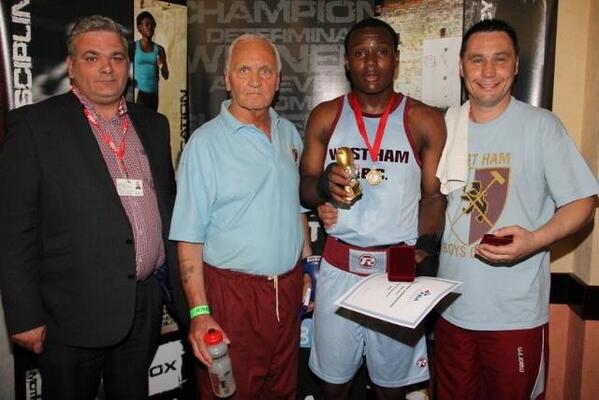
On another note, the 22-year old has used his image to give back to the community by setting up boxing camps at his old gym, West Ham boxing club. The grassroots initiative aims to give upcoming athletes the chance to explore boxing.

The success of Viddal Riley’s journey can be attributed to him remaining proactive and thinking outside the box. Upcoming boxing talents will do well to think similarly.


Did you enjoy this blog? If so, leave us a rating and comment below so we can continue to work on satisfying your blogging needs!

Rating: 1 out of 5.

Exclusive Interview with Jack Beaumont: “There’s no better feeling than making a life-changing impact.”

Jack Beaumont (on the left) is a British rower who represented Team GB at the Rio 2016 Olympic Games. Jack has won multiple medals at World and European Championships throughout his career so far. In this interview, Jack shares his journey to the Olympic final, his views on planning for life after sport, developing a positive mindset, and his views on showcasing rowing as a sport for everybody.

Q: What inspired you to start rowing?

A: My dad inspired me to take up rowing. He represented Great Britain in the Olympics in 1988 and finished in fourth place. I always thought that it was cool that my dad was an Olympian. He took me down to Maidenhead Rowing Club, and the rest is history!

Q: How did your rowing journey progress during your time at Maidenhead Rowing Club?

A: To begin with, rowing was purely a hobby. I was training once to twice a week with my mates, to try and win at local competitions. Unfortunately, the wins did not come around often. I lost a lot more than I won, and even lost to several girls teams!

I loved spending time at the rowing club, so I ended up spending a lot of time there. As a teenager, life got overwhelming at times, and I saw the club as a place where I felt happy. With all of this time spent on the river, I started to get quite good. I found the rowing machine to be a great way of relieving my teenage angst. I was progressing really quickly, and when I turned fifteen I had a chance to trial for the Great Britain junior team. I was very proud to be selected for two junior world championships, the experience of which inspired me to aim for the Olympic team.

Q: What challenges have you had to overcome during your career?

A: My biggest challenge was a significant injury I had in the summer of 2015, exactly a year before the Rio Olympics. Training was going fantastically for me. I was 21 years old, I just became a full-time athlete, and I was improving at a rate of knots. I was on a training camp in Portugal, and had a head on collision with another boat. The boat hit my back and resulted in several fractured bones in my spine. I had to spend a week immobilised in a Portuguese hospital. During my stint in hospital, I had no idea whether I would be able to row again or even if I would walk again.

I went through four months of intensive rehabilitation which left me with eight months of training before the Olympics. Although the odds did not look good, I never considered giving up. The target of the Olympic Games had was still the same.  I threw myself at the rehab training, pushing myself on the bike, in the pool and in the gym. It was not an easy time.  I was playing catch-up with my teammates who seemed to be on the direct road to the Olympics, whilst I was taking the windy country route to even get back into a boat.

During this tough time, my family were great. My parents, step parents and grandparents have always been so supportive of my career, and their support made an enormous difference.

Q: As well as a prestigious sporting career, you also have an undergraduate degree in Criminology from Birkbeck, University of London. Where did the inspiration come from to study in higher education?

A: My school really supported high performance sport, and also strongly encouraged us to have a ‘Plan B’. One of the teachers used an analogy that elite sport was a mountain, and the peak of the mountain is your pinnacle. You work so hard climbing the mountain, but you have to have a plan of how you will come down the mountain afterwards. In context, you have got to plan for your life after sport. Even now I have not have not worked out exactly what my life after sport will look like, but I know I cannot row forever.

I saw getting a degree as an opportunity to develop transferable skills. Being a semi-professional athlete at the time, part funded by the National Lottery, I was still working part time alongside my training. In order to get a degree as well, I had to look at options for part time study. Birkbeck was great for me, as they teach between 6 and 9 in the evening. Studying there allowed me to fit in all of the things that were important to me, even if it did mean long days of leaving the house at 7am for training, and not returning until 11pm after uni!

Q: What influenced you to study criminology and does any of what you learned help you in your rowing career?

A: In terms of criminology, it happened to be a subject that was a perfect fit for my schedule. I had planned to study Biology, but with my full time training and part time work, I didn’t have time for all of the time I would have to spend in a lab. Criminology had a lot more self study that I could do at home, and being on training camps was less of an issue. Before I started criminology, I did not have any massive passion for the subject, I was interested, but doing the course was a means to an end. However, I found that as I completed the course, I developed a real passion interest for it. I was especially interested in drug laws, and the policy which surrounds them. The other area which I focussed on was prison reform.

The course does not necessarily enhance my knowledge around rowing. But it did give me something else in life to focus on away from my primary responsibility. It is essential to have different focuses to ensure your mind has a healthy balance which is crucial for anyone.

Q: While you have committed so much time to become a professional athlete, how important is it for you to think about alternative options to pursue after a life of professional sport?

A: It is fundamental to have a plan B as we are not always in control of our lives. An example being my injury as I was remarkably close to never rowing again. At that moment, I was happy that I had something else to focus on in my life. I am not saying you should not put 100% into your sport, but it is important that athletes develop other parts of their life as well. We are more than just our sporting results.

Q: In 2016, when you got the call that you would be going to the Rio 2016 Olympics, what thoughts, emotions and feelings were going through your mind?

A: I had not been picked for the Olympics, and I was really disappointed as I believed I was good enough. I did not perform well enough at the trials, but I felt as though the trials came through too soon after my injury, and I hadn’t had enough time to get back into top shape. I was chosen as a spare, and my job was to support the Olympic team. I went on camps with them, and replaced anyone who was sick or injured for a session. On the last day before they flew to Rio I was still substituting an athlete who had back pain. After training that day, I wished the guys good luck but deep down, I wanted to hop on that plane with them. They all thanked me for being a great spare. I felt so lonely when I was driving back home that day. All of my best mates were off to live their dream that they had worked so hard to achieve, and I wanted to go with them, even just to support. I am not ashamed to say I shed a tear that afternoon.

Two days later, the performance director at British Rowing phoned me. He told me that one of our rowers had come down with a sickness, and they needed me to get to Rio as soon as possible to cover for him. It was a strange time, as I wasn’t allowed to tell anyone what was happening. It felt so surreal, but became real when boarding the flight and the first two people I saw were Andy Murray and Chris Froome. That was when it kicked in that I realised, “wow, this is the Olympics”.

During the flight my mind was torn. I did not want to get my hopes up, as I had not been told that I would be competing. Also from a team perspective, I wanted Graeme to be in the best health possible to ensure the Team perform to their best. But of course there was a selfish part of me that was desperately hoping for my own opportunity.

When I arrived at the team hotel, the performance director sat down and told me Graeme was being withdrawn and that I would be selected for the Olympic games. I was eating my dinner and my hands were shaking. It was overwhelming! I was going to be competing at the Olympics which was my dream! I had conflicting views in my head though, as I would have preferred to have been chosen on merit instead of being chosen as a substitute due to one of my team mates misfortune.

Whilst being excited to become an Olympian, I was heartbroken for Graeme. I remember calling my dad, and I was so upset because I knew Graeme was somewhere in the same hotel and would have recently heard the same news, and would be devastated. My dad told me ‘Jack, there are three other people in that boat, of course, it’s awful for Graeme, but they have the most significant event of your lives coming up and you must do your best for them’.

Q: How did you feel this experience impacted your mindset? As you are at the Rio Olympics, the biggest stage of the sport. What did you want to happen next?

A: Well, if you are a part of Team GB you’re not there just to take part, you’re there to try and win a gold medal. That was the target, and it always will be. We also knew we were up against it as we only had four days to train together, when most teams have four years! We gave it our best shot, and were very proud to qualify for the final. I remember waking up on the day of the Olympic final and thinking that on that day, in around six minutes, I could win everything I’ve ever dreamed of and that I’ve worked so hard for. It was an exciting thought!

Other than that, the race at the Olympic games compared to any other race is not hugely different. There are six lanes, each two thousand metres long, and those lanes are full of others who want to beat you. However, the enormity of the Olympics and the media presence certainly reminds you that there is a lot at stake.

Q: Did you experience an increase in pressure at the Olympics compared to National competitions?

A: In terms of pressure, I did not feel any different to racing at Maidenhead Regatta as a 12 year old because, at the time, that was the most significant occasion I had experienced as a rower and felt immense pressure. I think that every race is always the most important race of your career so far, so I always feel the same level of pressure and nerves.

Q: Throughout COVID-19, what advice can you give to aspiring athletes/current athletes to keep themselves in the best condition physically and mentally?

A: Our Team have been incredibly supportive and have given everyone a rowing machine to keep home. Thankfully I also live in an area where it is nice to go cycling, so I have that as an opportunity to do a different form of exercise. My timescale has been impacted enormously. I was training for Tokyo 2020 this year which has been postponed until 2021. I was expected to be rowing in a world cup in Switzerland this week. But instead I am training in a garage.   

I have seen this as an opportunity, as I now have a year to get better for Tokyo 2021. I have not had the best performances over the past year, so now I have a chance to put that right. For me it is also nice to be training in a different environment. Usually I am training in national training centres, which operate quite strictly. It is refreshing to have the freedom to do things differently and to have a change of scene. I am doing more cross-training, and I am confident that I will come back as a faster rower for it.

I haven’t found it hard to stay positive. I am staying with my Dad at the moment and we have space. We have a garage and a garden and live in the countryside. I appreciate it is harder when living in a smaller environment. My first bit of advice for dealing with the lockdown is to stay in touch with your teammates. Use them to help motivate you and share training ideas. Also, see what you can get from this situation. We cannot control this situation. What we can control is how we can behave in this situation. I am trying my best to see this situation as an opportunity rather than a problem.

Q: Reflecting on your experience in professional sport, who have been the key role models to getting you where you are today?

A: My role models have always been my parents. They are great supporters, and they live their lives in an inspiring way. My teammates are my role models as well. In rowing, everyone is interdependent and plays an equal role. Rowing is not like other sports such as football where different players add different values, I see my teammates as equals. We all do the same training, in the same boat, and help each other to improve. We are competitive, but we also have a healthy level of respect for one another. 

Q: When you experience failure or setbacks, what approach do you take to obtain a positive mindset? Also, how important is that mindset to achieving sporting success?

A: I recently thought about this as I have had many tough times this year when I have not performed as well as I would like. When I have a setback, I try to reflect on what I have done well. I keep my logs of training data as a resource to review my performance and critically analyse and evaluate what the trends are when I am performing well, and when I am not. My training data always shows that after my bad performances, there are also good performances. This shows the bad times are not forever. Through looking as my training diary and summaries I can pick up patterns of what works well for me. This pandemic has left me with more time on my hands which has allowed me to reflect more on my training to understand what I can be doing better.

Q: About using data to support your performance, how have you managed to deal with the responsibility to take care of your ‘media image’?  

A: The Team is always supportive of this; I used to spend more time posting on social media than I do now. I often think that it is a bit artificial, and I feel most athlete’s use it to actively market their sponsors. Currently, I am using my account from a more personal standpoint with a hint of rowing which has been fun. I would rather use my platform to showcase rowing, rather than to showcase brands. I want my pages to be informative, fun, and inspiring to people interested in rowing. I would be happy to promote a brand, but only if they align with my values.

However, my lottery grant has been decreased this year, so maybe I should be focusing more on finding a sponsor! I guess it’s all about balance. 

Q: Based on your development as an athlete, would there be anything you feel the industry should change to encourage more young people to consider taking up professional sport, mainly rowing?  

A: I feel rowing is in a good place; the participation numbers are good, especially for young kids. I want rowing to lose the ‘public school image’ type of sport and for it to be more inclusive. I want to be seeing more people in boats from different backgrounds. This is improving, but the image to people outside the sport is that rowing is just for people from wealthier and more privileged backgrounds. What I would love to see more of is rowing being recognised nationwide as an inclusive and fun sport.

Elite sport is just a part of sport. It is the part which receives high coverage, but your normal sportsperson is those playing tennis at the park, running on the street, those doing parkrun and going to the gym.

Our role as elite sportspeople, is to win medals on the world stage. But if we can encourage people take up an activity and get the physical, mental, and social benefits from that exercise, that is important too. It is more than just trying to win medals.

Q: I understand you have been involved in multiple community-supporting causes; would you mind touching on some of these? Also, how important is it to you to give back when you are in a position as an athlete?

A: I can talk about this in the context of COVID-19. I sometimes visit local schools and clubs to do a coaching session and discuss my journey to support them on their adventures. During COVID19, I have been doing this via Zoom calls which is fantastic! It is a great way we can all learn from each other.

I have always enjoyed supporting the community. When I have time, I help at swimming club for children with learning disabilities. I like having different things going on in my life. It is why I became a director of British Rowing and the captain of Leander Club. I got involved in these roles because I want to make a difference, and to help people enjoy sport.

I feel it is essential for other athletes to do the same; it is not hard to find opportunities to give back in your spare time. There is no better feeling than having an impact on a young person through doing what you love, and you never know, the impact could be life changing.

Q: Throughout your life, whether that is in or outside of sport, would you have done anything differently? And how do you feel this would have changed your career?

A: I would have tried a little bit harder at school, I did okay, but I never got any of my predicted grades because I did not, they were that important. Despite this not changing the course of my life, it annoys me slightly knowing that I could have done something better.

However, the big decisions I have made have turned out to be the right ones.  

On another note, I want to be the best I can be but also to have a great time doing it. I am always smiling and laughing, and this is the most important value for me.

Q: I am aware you attended the sports personality of the year in 2018, what was the atmosphere like being surrounded by many icons in sport? Including your teammates?

A: It is quite weird to see so many famous athletes in one place and letting their hair down. There were people like Tyson Fury, Mo Farah, and Anthony Joshua, who are massive names in sport. To see them in a social setting was quite something. It was a fun event to attend, and hopefully I get the opportunity to go again.

Q: What has been your favourite sporting memory, whether that is internal or external to your career?

A: Winning a silver medal at the world championships in 2017 was terrific. Of course, I was disappointed that it was not gold, but I was so proud of myself even to get a medal. I was in a boat with three of my best mates, we performed better than anyone expected us to all season. We were rowing brilliantly and got the best out of each other.

As a spectator, seeing Alan Campbell winning bronze at the London 2012 Olympics was inspiring for me as an 18-year-old. Other than that, watching Arsenal win the league at Old Trafford in 2002 is up on my list as well.

Q: Final question buddy, where do you see yourself in five years?

A: Hopefully with 2 Olympic medals around my neck. Besides that, I would like to be starting to create my own family as well.

Exclusive interview with James Jeavons: working in football, creating outstanding content and building transferable skills

James Jeavons is a Social Media Manager at Me and My Golf, who are an online personal Golf coach with over 1 million combined followers. Before this, he was once a Journalism graduate from the University of Derby. Ever since graduating, he was destined for sporting greatness through his hard-working and resilient attitude to get his big break at Aston Villa FC. In today’s interview, James shares many insights around the value of obtaining transferable skills, the experience of working at the pinnacle of English football alongside what today requires to produce outstanding sporting content.

Q: How did your career in sport begin?

A: I went to the University of Derby to study journalism; I had always wanted to work in sports journalism/sports media, but there were not many courses around at that time that had a specific focus around this. Throughout my degree, I volunteered in initiatives such as writing for the Birmingham Mail and Derby County FC amongst many others. These would help me get my foot in the door. I thought I could get a job in sport straight away after finishing my degree but quickly realised how competitive the market was. I ended up getting a job at Virgin trains in their social media team. Funnily enough, they just began putting the team together, so I joined at a good time. However, I continued volunteering to push myself to get that opportunity in sport.

I was at Virgin Trains for nearly three years before an opportunity popped up at Aston Villa FC as a Social Media Executive. I was fortunate enough to get the job, and I was at the club for three years. My time there came to an end in November 2019, as a change of ownership at the club had a significant impact on how the social/digital team was run, and I decided to leave.

I then came across another opportunity at MailOnline Sport as their Social Media Editor. The role had some similarities to what I was doing at Villa. However, as expected, there was a much bigger focus on driving traffic to their website. Unfortunately, after five months I left the company because of the location, with being away from family proving too much. However, it still provided me with some fantastic experiences.

My current role is as a Social Media Manager at Me and My Golf, which focuses around providing golf coaching and tip videos. They have a combined social audience of over one million followers, and my role is to raise the awareness of the brand and help make them a market leader in what they do.

Q: When beginning your career off at Virgin Trains, what was your initiative behind finding this opportunity, and how did you make your skills transferable to sport?

A: When working at Virgin, there was a focus around community management, using social media to engage with customers rather than creating content. The good thing about Virgin is that they have a strong brand identity and tone of voice. Around the time I started working at Aston Villa, they were halfway through the 2016/17 Championship season, following a disappointing season in the Premier League. The club had a new owner come in at the start of that season and had brought a lot of fresh faces in with a primary focus of re-energising the club. I was fortunate that the boss who recruited me wanted to freshen things up. Luckily when I went to the interviews, I had voluntary projects going on, and I was working with a brand also wanting to be innovative. Fortunately, Virgin Trains had partnered with other football clubs, so I tried to utilise this by setting up football orientated social competitions. An example included working with Manchester City and giving customers the chance to win a first-class package for a football match. Having done projects like this, I felt I could utilise this at the interview stage, the fact that I had worked for a sponsor of football clubs.

I would like to think I got the position at Aston Villa because of not only my passion for football but also because of my willingness to learn through those numerous voluntary experiences.

Q: What was your strategy for building an active network to land your sports industry opportunity?

A: When I was at University, lecturers always emphasised to us about making contacts. Therefore, I began connecting with people that already worked in the sports media industry to ensure I was learning from those with more experience. This method also helped me understand what I was interested in and helped me enhance my LinkedIn presence. I lost count of the number of emails I was sending out to people working in the industry searching for voluntary opportunities.

Having the attitude of getting to know people will serve you well, I even sent emails out to every Match of the Day commentator asking questions about their journey into sport. The replies proved to me that there is no one route to breaking into the industry.

Also, I ensured I did not stick to one format of marketing. I worked in radio and learnt necessary video skills which helped me broaden my experience.

Q: While working at Aston Villa, what was your experience like reflecting on your time there?

A: There were lots of pro’s but also some con’s that many people do not see. The pro’s included me feeling privileged that I was in that position that so many want to be in, mostly getting paid to watch football! I also thought that a variety of colleagues you get to work with at a football club is excellent, as you are collaborating with various people and continually learning new things. Working in the media team, there is a huge cross over with people in other departments, such as ticketing, marketing, partnerships and retail. Lastly, given the size of the club, it was fantastic to see your work recognised on a much larger scale, something which is invaluable on your CV!

I don’t want to delve into the con’s too much, but this consisted of restricted access to filming content with key stakeholders of the club (players, coaches, and other staff). Also, as previously mentioned, when the change of ownership occurred, there was a reversion of playing things by the book rather than being encouraged to be innovative. This process had impacted on the content we could produce for the club, which in my view meant it was downgraded.

On the whole, it was great three years at the club which I’ll look back on with fond memories, but I also want to make people aware that working at a football club is not all plain sailing.

Q: From a digital marketing perspective, what have been the main differences when creating content in different sporting industries?

A: It is hard to benchmark content due to the size of the brand. At ‘Me and My Golf’, the company are ten years old so quite well established but still class themselves as relatively new at the same time. This differs quite a lot in comparison to Aston Villa. At Me and My Golf, the main focus is to grow brand awareness, whereas, at Aston Villa, they were focusing on changing the perception of the club. The main successes at Villa were trying to more creative with their content and maximising opportunities when they came about i.e. transfer announcements.

I think the main difference between golf and football is that golf as a whole is still trying to grow, whereas football is well established in English culture. Because of the tribalism within football, you will not see clubs engage with each other the way that golf creators do.

Q: While working in sport, what have been the fundamental values you have been taught and applied to sustain a successful career?

A: It is nothing out of the ordinary. I continually wanted to improve yourself and be the best I can be. 2-3 months after I joined Aston Villa, I was not in the mindset of ‘I’ve made it, this was the end goal’. I wanted to push on and help the club be best in class. I want the audience to think this about the brand I am at currently, that we are the best at what we do.

Also, as digital marketing is a 24/7 industry, outside of work, I am listening to podcasts, reading articles because I am passionate about what I do. I don’t think you can underestimate engaging with other like-minded people who’s targets and responsibilities are similar to yours. I always look to learn and improve at every opportunity.

Q: What advice could you pass onto someone who is working in an external industry to sport but wants to make that occupation full-time?  

A: Get involved in voluntary and part-time initiatives to demonstrate your passion for the industry. This will build up your portfolio of experiences to talk about in interviews when those opportunities arise. Keep connecting with people in the industry to understand the variety of routes there are to get into sport. Remain persistent, there are so many people wanting to break in, but few roles are available. It is a competitive industry, use that as motivation rather than a setback. If you fall at the first hurdle, do not give up. Lastly, always think about how you can transfer your skills into sport.


Did you enjoy this interview? If so, leave us a rating and comment below so we can continue to work on satisfying your blogging needs!

Rating: 1 out of 5.

Joshua Stephens journey to Leyton Orient F.C: “Work hard and you will achieve”

Joshua Stephens is the Head of Commercial at Leyton Orient F.C. who also has a degree in Sport and Leisure Management from Loughborough University. Josh has had a wide array of experiences; he’s worked in entertainment, events and sales for the majority of his career. These opportunities led him to work for London’s second oldest football club, Leyton Orient F.C. We had an unmissable opportunity to interview Josh about his journey into sport to enlighten value for you sports enthusiasts to learn from one of the industries finest.

Q: How did your career in sport begin? 

A: I left University about ten years ago; I began my career at theme parks and moved into the music industry for approximately five years. While working in music, I planned, delivered, and sold packages for numerous European music tours, NBA Basketball, Tennis, and premium seating across AEG Europe’s portfolio of venues in the U.K. 

To continue developing my career, I found an opportunity at Saracens Rugby Club, which was a new challenge for me. I was there for a year as maternity cover and progressed onto a business development lead. I felt this opportunity was not for me long-term and decided to move on.

After lots of direct contact with multiple organisations, I eventually came across an opportunity at Leyton Orient. Working in football has been an insightful experience, mainly working with football fans as your audience; it has its pro’s and cons. I love it because we are a small, close-knit team, and I have regular contact with our chairman and board members who have a wealth of business knowledge. I feel I can make a difference every day despite the challenges that football presents. 

Q: As you have entered the sports industry externally, how did you ensure your skills remained transferable? 

A: I believe if you are an excellent digital creator, salesperson, marketer or finance director, no matter what industry you have worked in your skills are transferable. Clubs tend to work very differently. Furthermore, there was so much I could bring to Leyton Orient with my diverse experience coming into the industry. Since my involvement, we have made significant progress with revenue and have taken good practice from other sectors. Therefore, a focus has been on utilising our stadium for comedy galas, music concerts, potential boxing events, and just trying to drive revenue through non-match days.

Q: What was your strategy for building an active network to land that opportunity in the industry? 

A: In terms of networks, there are specific sports recruiters you should sign up to such as Global Sports jobs, SRi and Recruitment Sport. These recruitment agencies have been a part of my network. In terms of contacts, I was fortunate to work for AEG at the O2 Arena as I got to meet lots of contacts in sport. The jobs I found in the industry were thanks to the recruitment firms I used.

Currently, I am equally using this time to reflect on where I want to be in five years and thinking about how I can take my portfolio of experiences to the next level. While reflecting, I wish I had started my own business when I was younger while I had fewer commitments. While you’re early into your career, do not be afraid to be brave and bold.  

While working in the industry for two years at a very senior level, what are the values you have built to ensure your career is sustainable? 

Having a real team ethos is vital; being willing to get your hands dirty reflects very well on you, especially lower down in the pyramid. I think it is essential to have confidence in your ability, make a bold choice and trust your instincts. Be open to ideas, creativity, and innovation, while maintaining a critical eye both on your commercial strategy and P&L.

Q: What does your role at Leyton Orient look like daily? 

A: Each day is hardly the same. However, the core roles of mine include supporting marketing plans and strategies. Furthermore, I review my sales funnel to understand what deals and leads I have in the pipeline. Also, I would check out our sales figures to understand what areas of revenue are prosperous and where we can be improving. Once a week, I would sit with our head of Marketing to discuss messages I need to relay. Moreover, I will be keeping in touch with my clients regularly.

Q: What is the difference in the environment at Leyton Orient like on match-days compared to non-match days?

A: On non-match days, there are no more than 15 people in the stadium from a workforce perspective. Whereas on a match-day, there is around 150+ members of staff and over 6,000 football fans ready to make some noise. Nevertheless, it is a beautiful environment at the club, we are a small team, and the whole place transforms when match-day arrives.

Q: What advice could you pass onto to someone wanting to break into the sports industry? 

A: Be open to sports recruiters and always think about how your skills are transferable into sport. Be brave and bold, think about how you can build up your career portfolio, whether that is freelancing or being self-employed, give it a go. Use resources close to you, such as local sports clubs, identify what value you can provide them and eventually you will build up credible experiences. Also, do not limit yourself to just opportunities in sport, be as open-minded as possible as sport is an ever-growing market.

Finally, nothing is ever given to you on a plate, get up, be hungry, work hard, and you will achieve.


Did you enjoy this interview? If so, leave us a rating and comment below so we can continue to work on satisfying your blogging needs!

Rating: 1 out of 5.

EXCLUSIVE INTERVIEW: Daniel Wood, the Professor at the Football Business Academy provides an insight into his career in sport

Daniel Wood was once like the rest of us, an enthusiastic graduate with a thriving passion to take on the sports industry. Towards the end of his University degree, he found an opportunity to work for Adidas which led onto him working for International footwear giants Reebok. As his career progressed, he developed his projects to build a bond between the community and football. He continues to enhance this passion at present as the Professor at the Football Business Academy.

Q: How did your career in Sport begin?

A: Initially I studied sports marketing at University and I always had a dream of working in sports business. I knew from an early age that professional sport was not my thing. Furthermore, I always wanted to work for Adidas, that was the brand I always wore, and it has always been remarkably close to me. I put all of my energy into finding an internship and thankfully it worked out well in the end, however, if I wasn’t so targeted in my approach my initiative wouldn’t have been as relevant to get the big break.

Moving on, my long-term goal was to be self-employed and to work for myself eventually. This was accomplished through hard work, building networks with contacts around me. After Adidas, I was with Reebok for 8 months in the North of England. After this, I worked for various agencies around London undertaking project management work which came through perseverance and windows of opportunity.

Since 2006, I have been self-employed. I found a niche in football with a friend of mine who had a plan of using music and dance in football at street level to intervene with local councils. We also worked with the police and housing associations to get vulnerable people away from dispersal orders, some of our interventions included having a DJ on a street football pitch which was entertaining. Effectively, we were engaging with kids in a way not many were at the time.

To summarise, it has been a long journey, but it all happened by putting my energy in all of one direction.

Q: Throughout your experience, what have been the key values, skills and competencies that have sustained your career in sport?

A: Be mindful that you cannot transfer everything at once, for me it is important to have a clear leader that is going to channel your focus in the right direction. Try and be a specialist in something, otherwise, others will not always be clear on what your niche is.

On another note, treat everything as an opportunity and use resilience as a chance to prove what you are capable of. Show empathy to other people, being able to understand other cultures and issues other people face can support your interpersonal skills. Also, use the approach of empathy into leadership as this can often be overlooked.

Q: What was your strategy for building your sports industry network?

A: I did not necessarily have a strategy; I just follow the theme of appreciation and the willingness to learn where you are never quite content with your position. I see networking as an opportunity where I am learning something new and meeting new people. Rather than this being a strategy, I view it more as a personal interest.

Furthermore, I would advise using social media for what it is designed for, promoting, and sharing your opinion. I find there is a lot of people who like and share content but do not present an opinion, whereas if you demonstrate an opinion people will remember that.

Q: Have you found events/conferences to help build up your sports industry profile?

A: Quite a bit, it has been more the social occasion rather than a strategic approach. As an example, I have worked for Soccerex for almost 12 years now and they are the only event I attend as I have a good relationship with the owners.

I recommend getting yourself out to events to get your name out there once we can! However, attending networking events can be costly so be mindful about which events you choose to attend.

Q: If you were to summarise any advice on breaking into sport based on your journey, what would that be? 

A: When chasing leaders in the industry for answers, do not expect anything. However, keep pursuing whatever it is you are doing. Try and focus on what your passion is and continue to find a route into the industry with that. There will always be a route through and if you are very head set to break into the sport it will eventually happen. Remember the people that close the door as well as people remember the smallest things.


Did you enjoy this interview? If so, leave us a rating and comment below so we can continue to work on satisfying your blogging needs!

Rating: 1 out of 5.