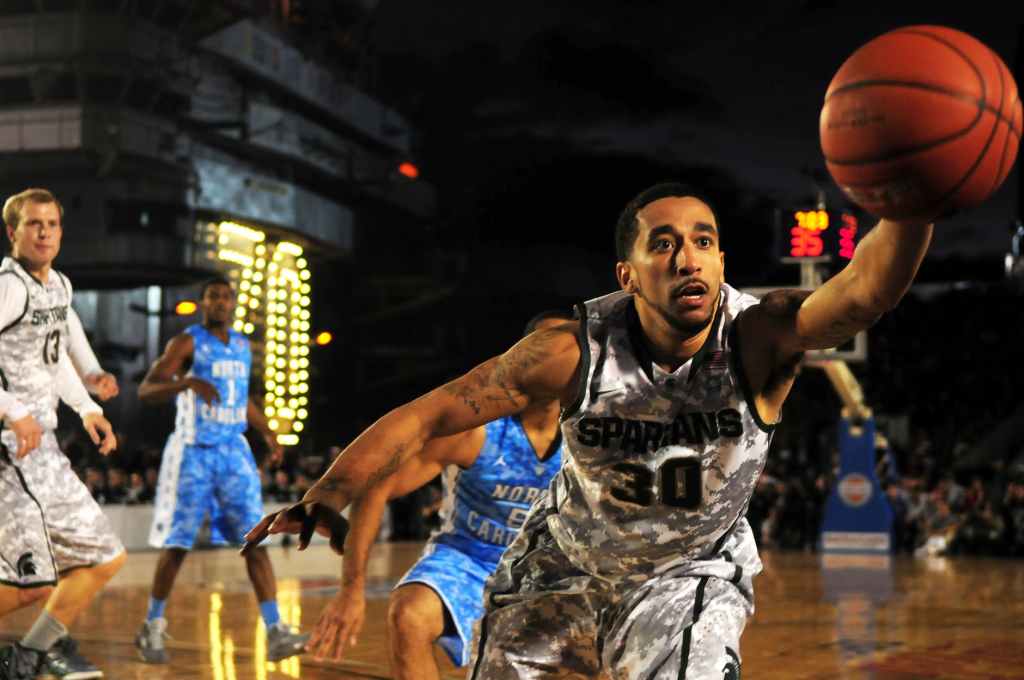
Has COVID19 been a blessing in disguise for fan engagement in sport?

It’s no myth that global sports fans have been crying out for sport to return. Viewership and almost every digital stat have peaked like never before during lockdown. Everton vs Liverpool became the most viewed Premier League game OF ALL TIME with 5.5m fans tuning in. The National Hockey League’s international website traffic has experienced a 28% rise compared to last year, Twitch received over 3 billion watched-hours of content for the first time, and the esports sector has accumulated close to 1 billion viewers worldwide. Fan engagement has become more digitally influenced than ever, and COVID19 will only underpin this theme for the future of sport. This week’s blog will demonstrate how COVID19 has leveraged sports fan engagement strategy.   

Photo by Pixabay on Pexels.com

Without fans, there is no atmosphere, passion, and reason for sport to exist as the industry heavily relies on supporters to survive. Tickets, merchandise, food & drink sales, broadcasting and exclusive memberships are all financially driven by sports consumers. COVID19 has brought a detrimental economic deficit of some tournaments, including The Premier League, reportedly losing £177 million from ticket and corporate hospitality sales. This pandemic has been a wake-up call to the industry to ensure fans remain connected to the sector considering their value as a fundamental stakeholder.   

Photo by Startup Stock Photos on Pexels.com

The role of sports marketers is valued more than ever to ramp up the industries content game. The profile of sport needs to remind its audiences it’s still here and not to substitute it with Netflix series’ or Disney films! Lockdown has seen the time spent online to skyrocket. Over 40% of internet users are spending longer on social media, watching news coverage, TV and films through the COVID19 outbreak.

Times have changed from the average fans’ most prized possession being an autograph from their favourite player. Now supporters are more interested in receiving personalised messages and gestures from their favourite players in the game. Matchroom Boxing Director Eddie Hearn has created a virtual show with a former professional boxer; Tony Bellew called #TalkTheTalk. The show sees boxing professionals discuss all things to do with the past, present and future of the combat sport. Despite boxing’s long-awaited return this month, it has proved a useful scheme to keep its consumers engaged throughout its absence.

Photo by Lucie Liz on Pexels.com

The Premier League had formed an eSports tournament called ePremier League invitational. Premier League footballers and other special guests come together to compete in an official FIFA 20 tournament. This venture timed perfectly considering the growing demand for esports during COVID. Gen Z gamers are at present, watching an hour longer of gaming content compared to traditional sports content per week. Mobile gaming has increased significantly throughout lockdown, seeing a 71% increase of people from 2015 playing games on their phone which makes mobiles the most popular gaming device in history.

Amazon-owned platform Twitch has been dominating the esports streaming space, receiving a 63.8% increase in gaming content which is more than double against Facebook Gaming, YouTube Gaming and xCloud. Twitch has proactively pushed boundaries by launching its own sports channel called TwitchSports. The streaming giants have also formed partnerships with Arsenal, Juventus, Real Madrid and PSG. These deals will share exclusive content of the clubs to leverage their brand to Twitch’s highly-captivated young audiences. Football’s sharpness on esports growth is well-tuned to continue their evolution to becoming a global entertainment business by collaborating with diverse sectors.

Photo by Dawn Lio on Pexels.com

Away from the internet, the industry has more reflection time to understand how they can take the stadium experience to the next level. The capacity for creative change through technology is possible as we’ve seen, replacing billboard advertising space to tune in home-audiences via zoom and producing audio fan sounds through AI. What could we see with mass spectator returns to stadiums? AI serving you your food and drink directly to you? Devices by your seat showing you the match from different angles or even perhaps live Q&A’s through the stadium by each fan being providing a mini-microphone. The opportunities are endless.

As well as adding to the stadium experience, the home experience has room for development. Such as providing fans with a choice of watching the match from different live camera angles, having a live stats widget shared on your viewing screen throughout a game and even a live social media mosaic integrated on your screen rather than having to check another device for live updates.

Understandably, the essential driver for successful fan engagement is to ensure your consumers feel a personal and unique connection. Younger audiences have proven to be the most influential demographic to affiliate with online content, and the sports industry has prioritised that space. Moving forward, based on illustrious esports growth during COVID19, the platform could have a place amongst the traditional sports broadcasting world, eventually leveraging the audiences that big competitors like DAZN, Sky Sports and BT Sport enthral.

Technological activations in stadiums can expect to develop, such as more proactivity to apply data to underpin an authentic and personal fan experience once audiences are returning to stadiums. It wouldn’t be overwhelming for fans to receive more personalised messages from their favourite athletes, directly encouraging them to buy into services. Wider variety of camera angles providing the fan multiple game perspectives at once would be a shout as well.

COVID19 has created mass amounts of animosity in sport, but as we’ve learnt, every industry can grow from adverse circumstances.

Rating: 1 out of 5.

Stefan Dagher’s quest to sports industry greatness

This weeks interview includes sports industry professional Stefan Dagher. Stefan has represented the industry on many levels, from The FA, UEFA, EL-EF Sport and much more! Today, he talks about the sports industry hustle, finding your niche, networking and maintaining resilient in a world where you’ll experience lots of adversity. 

Q1) Stefan, thanks so much for joining me on this exclusive interview. Can you kick it off by discussing how your career began in sport?

When I finished my A levels, I didn’t know what I wanted to do apart from sport being my sole focus. Therefore, I started researching, and as I’m from Belgium, the sports market is nowhere near as big as it is in the UK. I then came across an opportunity to study Football Business & Media at UCFB Wembley for three years.

However, I understood that while studying, I need to get work experience. Thankfully, I came across a part-time job at The FA as an Event Coordinator. I was at The FA for three years, and it taught me the essentials of running events in the sports industry. Unfortunately, when my University studies came to an end, there wasn’t a full-time job available at The FA, this is when the real world came alive for me.

I volunteered at Euro 2016 as a media and broadcast assistant which was a brilliant experience to understand another side of global events in football.

During the summer after graduation, I was applying for jobs left, right and centre. I reached out to companies like Sky, BT Sport, football, sports media agencies, but I had no luck, unfortunately. However, in September, sports agency EL-EF Sport gave me a chance to run as their football business executive. This role taught me the business side of football as their primary services orientated around operating events. I started as an intern for three months and stayed on full-time for a year.

While on my job hunt for three months, I took a turn away from sport to work for a transport solutions company called Driving Force Global as their event coordinator for two months. I wasn’t for me and then I returned to where it all started back at The FA. But this time, as their player status administrator. This appointment provided me with insights around how clubs generate money, processes behind creating regulations alongside how agents negotiate deals regarding transfers.

Unfortunately, my sports career journey is on pause due to COVID19, but that’s how it started.

Q2) You’ve had a varied set of roles within sport, from event management, business development, media & broadcast and administration. How has each of these experiences enhanced your sports career portfolio?

One piece of advice I’d like to pass on regarding this question is to know your area of expertise. Finding my niche is why I branched out into different areas, as this helped to understand where my strengths lied.

In football, you need to learn on the spot. In my first role at EL-EF Sport, the director said to me, “here’s your phone, you have an internet connection, go for it”. Being chucked in the deep end caused me to make mistakes. However, I learnt from them and built the desire not to give up. Reason being that I cannot see myself working in any other industry.

Q3) I also see you’re a multi-linguist, how beneficial has this been towards gaining international sporting experience?

I grew up in Belgium, and I happen to be half-English. I went to a French school and studied French & German at A level. I picked up Spanish very well, I’m not fluent, but I can have general conversations which helped me get my first job at EL-EF Sport.

The director of the company asked me, “what can you bring to us?”. I told them I could speak French, which was brilliant as France was where they wanted to expand their clientele.

In sport, you’ll be communicating with people all across the world and speaking multiple languages adds authenticity and comfort to the individual.

I’ve attended football award ceremonies that attract many delegates from across the world. The fact I could talk in different languages meant this increased my opportunities to build my network. Plus, while working at The FA, I was working amongst agents from Spain and overseas.

Moral of the story, don’t underestimate the advantages of speaking multiple languages in an international industry. 

Q4) Can you explain if you had a method to build and sustain your sports industry network?

Do not underestimate the power of networking, even sending an email, direct contact or attending events are effective ways of developing your network. For example, if you’re at an event, attendees usually have business cards; therefore, before ending a conversation, ask for a business card, so you have their details in print. The next day, follow up with that individual thanking them for their time and elaborate on your initial discussion. Also, don’t be afraid of getting rejected; it happened to me but see how far I have come.

My career opportunities revolved around direct contact. For example, I met Martin Tyler at an event, and I was inspired to base my University dissertation on him. When I came towards finishing my degree, I got in touch with him to see whether he could support me getting some work experience at Sky. Unfortunately, this didn’t happen, but the approach can be a game-changer when utilising your network.

Always remember, you create your own luck.

Q5) From each of your appointments, what has been the most important lesson you’ve learnt to leverage your career?

Taking advice from as many people in the industry as possible. In the grand scheme of things, gaining an insight into the ‘behind-the-scenes’ of the industry has been the biggest lesson, such as how the sector generates money, understanding how marketing works and generally applying these learning experiences. This will help you to learn what you’re good at and what you can improve on.

Also, your first job won’t be your last job in sport.

Q6) You seem to have a very positive outlook despite the competitive and adverse nature of sport. What helps you to embrace challenge?

Just accepting you’re in an industry, so many people want to be in, it closely matches up to becoming a singer, actor or another superstar. Over one hundred people want to be in the industry, so you must build and pursue your own path. Whether that’s by networking, taking any job, you can and create an experience to demonstrate you can add value. Also, you will experience rejection but think of it as starting from the bottom and your climbing to the top of a mountain, the feeling will be rewarding when it happens.

Q7) Throughout your sports career journey, how important is it to stand out from the competition, and how did you stand out to receive such an aspiring career?

Not giving up. I appreciate there will be months down the line of unemployment, but I will still keep going due to my passion. For example, the directors and the heads of the industry didn’t get their positions overnight from the beginning of their careers; they waited years for their opportunity.

I can’t see myself working in another industry, and if I am, it would be short term and anything longer than that would be against my will.

If you can make your passion your job, nothing is better than that, but you need to work for it. For examples, the best singers and actors in the world would have had to experience rejection, adversity and challenge so often. Still, it would have been one opportunity that provided a life-changing moment. Think about this on your journey.

Also, don’t see working outside of sport as a setback. Many professionals in the sector have come in from different backgrounds, and it has served them well as they can transfer a different mindset to help them stand out.  

Q8) Reflecting on this conversation, what advice can you summarise for someone wanting to break into the sports industry?

Set yourself realistic targets and take it to step by step. Don’t be afraid to start small and create your own luck by networking and relentlessly searching for opportunities. Volunteer your time to prove your passion, as I did. Understand your field of expertise and build up your portfolio in that. Lastly, working outside of sport can be a good thing to transfer into the industry to stand out.


Wow, what an insightful look into Stefan’s sports career journey! He has demonstrated that working externally to sport can work to your advantage to stand out; the desire to not give up is an essential to be successful and the opportunities your network can leverage to land you that chance of a life-time, to work in sport! 

The AST wrap-up, edition five

Online streaming continues to push boundaries, eCommerce accelerates engagement in Asia and could TikTok have some new competition?

Twitch will innovate the sports radio experience with Six Sports Talk Radio Partnership

Photo by Dmitry Demidov on Pexels.com

For the first-time, video streams of Sport talk radio will appear on Twitch through a multi-partnership alongside Radio.com. This venture will captivate a new generation of audiences for Sports talk radio, considering the Amazon-owned platform withholding 17.5 million daily consumers.

It will prove a new resource for fan engagement as Twitch viewers can submit live messages through the platform’s forum, which can get received live on-air. This collaboration marks a revolutionary era for sports radio to push the boundaries by identifying new methods to value their fan base.


Exciting news for cricket fans, you can watch Surrey County Cricket Clubs’ County and T20 games for free!

Photo by Pixabay on Pexels.com

Surrey County Cricket Club (SCCC) has struck an agreement with Facebook Watch to broadcast games from the Kia Oval free-of-charge this season. SCCC have optimistic hopes to welcome fans back into the Kia Oval later this season, however, if this fails at least supporters will be satisfied by free-air-coverage.

Not only will fans have access to watching the game, but they can also engage through live online chat forums through Facebook to connect. This endeavour will prove an opportunity for SCCC to strengthen their Facebook presence alongside Facebook, gaining a competitive advantage over its rivals.


US-based soccer promoters’ Relevent Sports Group’ plan to expand Women’s Soccer content

Photo by Retha Ferguson on Pexels.com

Relevant Sports Group (RSG) has initiatives in place to broaden the horizons of the Women’s International Champions Cup (WICC) content for their global audience. Some include a debut show called ‘The Fixture by WICC’ which covers news and highlights across the women’s tournament. RSG has partnered with LaLiga North America to produce a weekly interview show and a documentary to champion the rise of women’s soccer.

Relevant has announced plans to develop the WICC itself, from doubling competitor numbers, broadening European participants and increasing event exposure across the US in 2022.


Twitch also set to host a groundbreaking sports channel

Photo by Pixabay on Pexels.com

Twitch has made an industry-pioneering partnership with Real Madrid, Juventus, Arsenal and PSG to broadcast exclusive content through their sports channel. The Amazon-owned platform will work with each club to also produced behind-the-scenes content, press conferences and live matches exclusively available on Twitch.

Twitch intends to influence a new era of fan engagement amongst younger audiences. The platform has already integrated its identity into eSports, entertainment, UFC, Basketball and now European and UK football. This joint venture is another example of sports continually transforming into a global enterprise of media entertainment.


The National Basketball Association (NBA) enhances eCommerce’s growth across the Philippines

Photo by Meo Fernando on Pexels.com

The NBA agrees on a deal with Filipino basketball retailer Titanomachy to develop an eCommerce store across the local market. The site will go live on August 6, and NBA fans can expect to have access to all merchandise across the 30 teams, including sportswear and equipment.

English Premier League champions Liverpool FC are another brand that has conquered the growing market space for eCommerce in Japan. Nike and Adidas regularly host live video streams across Asia to showcase their products, proving to garner new eyes to their brands. What influence will this have towards the NBA’s target demographic?

TikTok competitor Triller will be bringing you Mike Tyson vs Roy Jones Jnr

Photo by ThisIsEngineering on Pexels.com

Mike Tyson and Roy Jones Jnr are coming out of retirement to have an exhibition fight on September 12. Entertainment platform Triller has the privilege to deliver the highly-anticipated occasion exclusively through their medium.

Triller’s direct rivals TikTok has been threatened to be banned in multiple territories including India and the US relating to ‘security concerns’. TikTok’s adversities provide Triller with the opportunity to fill in the social media hole that TikTok would’ve left behind, the Tyson vs Jones Jnr event could provide the entertainment medium with a jump-start to get a step ahead in the OTT content game.


It’s been a very digital orientated week in the world of sports business. Twitch have their eyes on the prize in the sports broadcasting market, Facebook edges closer to becoming a genuine competitor for streaming sports matches and could TikTok finally be over-taken in the OTT content game?

Rating: 1 out of 5.

What does Jake Paul’s return to boxing teach the sports industry?

On September 12, boxing legends Mike Tyson and Roy Jones will have a fearsome eight-round exhibition bout in LA. Online celebrity Jake Paul will take on former NBA star Nate Robinson on the undercard. ‘Professional YouTube Boxing’ has sparked an enormous cultural shift for sport integrating its matrices into a global entertainment business. The collaborative project has drawn in millions of new tech-savvy youngsters to engage with boxing, transfigured the sports industries traditional marketing strategies and raised the profile of many other mainstream fighting talents. In this blog, you will discover how Jake Paul’s involvement in boxing will not only shape the future of boxing but the global sports sector.

Jake Paul is a multi-industry creator who has unified his identity across YouTube, sport, entertainment, and music with a net worth of $19 million. His role in YouTube boxing began on the undercard of KSI vs Logan Paul (resulting in a draw), a white-collar fight in August 2018 where Jake beat KSI’s brother Deji in round 5 of 6 on the undercard. KSI & Logan fought again under Matchroom Boxing in LA where KSI won by a unanimous decision.

Jake began his quest to avenge his brother’s (Logan Paul) loss against by fighting social media personality AnesonGib, on the undercard of Andrade vs Keeler card on January 30 for a chance to fight KSI. Jake was victorious in the 1st round , and KSI agreed to match-up to Jake which we’re still yet to see.

Each event that Jake fought on has increased the mass-market awareness of YouTube boxing. KSI vs Logan Paul received 2.25m online live views, and Jake’s bout with AnesonGib received over 3m+ views on the Sky Sports Boxing YouTube channel. It’s imaginable that once KSI vs Jake Paul is officially confirmed, you can expect to see social media reach for those involved hit new heights.

YouTube boxing has been successful from a commercial marketing perspective. It has turned boxing into a global campaign. Jake Paul and AnesonGib had a higher following than the rest of the Andrade vs Keeler card combined; Jake also leads as the highest followed fighter on the card of Tyson vs Jones jr across Instagram, YouTube and Twitter. Global sports broadcaster DAZN gathered 79k+ new fans to their streaming service from KSI vs Logan Paul 2. It has proven successful at garnering attention from audiences who typically would ignore the traditional art of boxing, where a portion of new demographics has now converted into long-term consumers.

Some of the downfalls about the movement include boxing experts such as Steve Bruce, and Andy Clarke discussing that nobody deserves a shortcut to be a pro, it’s dividing the sport’s reputation, and it is depriving ‘genuinely-talented’ fighters for a professional contract.

Both Paul and Robinson will destine to prove boxing experts wrong that they can bring more than just ‘commercial success’ and put on an explosive bout. Jake put on a respectable performance against AnesonGib in January; the American received credit for his ability on the backfoot, composure, use of jab and effective reach. However, Nate will make his boxing debut and has presented enthusiasm to showcase his athletic ability in the ring away from the court.

Personally, the sports industry should honour online creators to welcome an innovative theme of entertainment into its sector. Not only due to the commercial and brand value they offer, but the excitement and message they portray to their large-scale audience. Once you build a brand, there are no limits to what you can achieve despite your area of niche.

The future of sport can expect more industry cross-overs. Such as the ongoing growth of eSports, potentially more MMA & Boxing joint-events and maybe we can see an official fighters league for online creators and influencers while the market continues to prosper.

If you like what you’ve read, make sure you check out our social media channels below and subscribe to our newsletter list for the most informative sports business content.

Rating: 1 out of 5.

Exclusive interview with Siddharth Pandit: A quick evolution from graduation to entrepreneurship

This week, Siddharth Pandit joined Ash’s Sports Talk to share his sports career wisdom. Siddharth is the Founder of online Sports platform, Analytics For Sports (AFS) which he devised towards the end of his University degree. As soon as Sid’s studies were over, he only had one thing on his mind, to trial-blaze his way into the sports industry through the power of technology.

Q) Sid, thank you for joining Ash’s Sports Talk for this exclusive interview. Tell us about how your journey to Analytics for Sports (AFS) begun.

A: Hi Ash, thanks a lot for reaching out and asking me to be part of our sports talk. It’s great to be here.

AFS is something that I started thinking about very faintly in the final year of my football business degree. We had a unit called business start-up, and that is something which caught my eye. I was keen to see how I can use this unit to build all the material that is required to create a start-up. At the initial stages, I kept the idea of AFS very simple, since I had to make sure that we get good marks as well. We didn’t even call it AFS back then. I used a simple business model and linked it all to the topics we studied as part of the unit. That helped me understand the process of actually developing a start-up and how much detail goes into developing a business plan. After getting good feedback from the tutors about our business idea, I became more confident and took it out in the real world. I didn’t want to waste this opportunity after putting in a lot of effort. So, I went to Singapore and pitched the idea to my family and friends. They all liked the idea, but something was missing.

Interestingly, the idea was not good enough to be taken to the real world. It needed more to it. So, I have started doing more research about the sports technology market in performance analysis and what other companies exist within the market. Using that, we came up with a plan that we will develop an online platform, that will be a multi-purpose way for players, coaches and clubs to build their career and not just game performance. We quickly connected with a technology company in India and developed our blueprints, functions, workflows, etc. After about 5-6 months, AFS was born.

Q) While studying your degree, what were the fundamental values it taught you when applying your education into the sports industry?

A: The degree taught me multiple things. When it came to the units itself, I was able to understand how the football industry generally works, who are the key stakeholders involved in the industry and how sports has become so much more competitive. The values that I learnt, in general, were discipline, confidence and communication. These three values/skills were something which I was quickly able to transfer and relate from education to the real world. Finally, it also came down to how much you can progress every year, either from a learning perspective or skill perspective, since sport is such a competitive industry.

Q) I know you’ve had short work placements at football firms, including Wolves, Real Madrid, The FA and FootballScoula are a few. Would you mind sharing how you secured these placements and how they’ve leveraged your sports career ambitions?

A: Of course. During the first year of my football business degree, I learnt that communication and networking is a big part of the sports industry. That led me to be more pro-active after my first year when I joined LinkedIn. I had heard that LinkedIn was one of the best tools to connect with professionals for opportunities. I started to network and connected with sports and football-related professionals straight away and more importantly engaged myself amongst those professionals. For example, the Real Madrid FC role in Singapore was through a connection I had on LinkedIn. I knew that I would be in Singapore for a while,and having Real Madrid FC on my CV would mean a lot. I connected with the Real Madrid academy director in Singapore. At first, it was difficult to get a response since I had little to no experience. It took a while to get an answer from them and around two months to me to convince them that I can be a good addition to their team on a part-time basis. After a lot of follow-ups, they finally agreed to let me join their coaching team as an assistant coach for four months. The FA and FootballScuola roles were simply places where I had applied for via job portals, and they were keen to add me to their organisation. All the experiences I have had till now have helped me massively, in one way or another. It helped me understand how the market works, how people communicate outside of the University and what it takes to take on responsibilities.

Q) Tell us more about Analytics for Sports? Such as what you offer to the sports industry, the long-term vision and how are you different?

A: AFS is an online platform company offering on-field performance analysis and scouting for football/soccer players, coaches, clubs, scouts and agents. We help these stakeholders based on their role in the industry.

The long-term vision with AFS is to become a leading multi-purpose platform company in grassroots and youth football by operating in multiple regions and on a vast scale.

AFS is different from some of the companies that are out there in the same bracket as ours. We are a performance analysis and scouting company currently but aim to become a multi-purpose company going forward. The critical area of difference is that we are way more affordable and accessible, compared to the other performance analysis companies. Our aim with this is to let every stakeholder at grassroots and youth football leverage the same resources that are used by the top clubs. 

Q) What strategy did you follow to build your sports industry network?

A: To be honest, there was never really a defined strategy, apart from following those people who I feel are of interest to me and the kind of work they do interests me. I think its important to understand what interests one the most and then connect with those people to learn and gain more insight into things that you may not have. Furthermore, I was open-minded to network and connected with people from different regions and backgrounds, which opened unique opportunities for me. Lastly, I tried my best that I can be of value to the other person in any way to ensure that I build a good relationship with professional and have a good network.

Q) Technology and sport are two industries that are continuously evolving, how do you ensure Analytics for sports stay ahead of the game?

A: This is a good and tough question. Sports technology has certainly evolved over the past two years. For AFS, it was essential for us to make sure we develop our product in such a way that it is long-lasting and can be altered and changed, based on user feedback and how the market develops. Going forward, we certainly should and will operate at a pace to ensure we are not left behind. We must get the idea across and provide value in one way or the other. It is undoubtedly tough since there is good competition in the market, but we trust in our product, it’s all about the timing and persistence.

Q) For anyone looking to become an entrepreneur in sport, what is your key piece of advice?

A: First, I am glad to be able to answer this question. With all the experiences I have had till now, one key thing to remember is that you need to have a long lasting idea and something that provides a value of any kind. Second, with the sort of thought that you have, make sure you are patient and persistent. Finally, enjoy the process. It’s essential to embrace the downfalls and the good times at the same time.


Calling this interview invaluable is an understatement! Not many people dare to commit so much time, energy and risk into the sports industry at an early stage. On that point, Sid’s story has demonstrated that this attitude will be a game-changer to make your mark in a highly-competitive world of sports business.

Did this interview inspire you? If so, make sure you subscribe, like and comment for more content to enlighten your sports industry knowledge!

The AST weekly sports business wrap-up, edition four

Combat sport continues to prosper throughout project restart, technology remains a significant player to re-ignite the sports industry this pandemic and sports rivals become allies.


UFC 251 brings in 1.3m PPV buys for ESPN, combat sports can’t stop winning

Photo by Ashutosh Sonwani on Pexels.com

Kamaru Usman retaining his welterweight title against Jorge Massvidal boosts UFC251 as the 6th highest PPV listed UFC event. Thus far, Fight Island (The UFC’s return) has accumulated £62.3m in broadcasting revenue. Plus, the #UFC251 hashtag has received over 135.1m in social media reach. President of The UFC, Dana White said Fight Island is ‘trending higher than a Conor McGregor fight’.  

The UFC has stolen the combat sports spotlight during COVID19. Three days ago, the UFC4 game trailer was released and had already received a digital reach over 200k. The sport has become a trailblazer due to its ability to push boundaries and providing valuable content to its ever-so-loyal fanbase. 


ESPN aspire to reach new diverse audiences with UnitedMasters collab

Photo by Pixabay on Pexels.com

International sports broadcaster ESPN is teaming up with US music distributor, UnitedMasters to bring new sounds to sport. The multinational sports channel will provide the opportunity for artists under the US labels new ‘Select’ platform to create music for ESPN’s studio shows, including SportsCenter, First Take and The Jump. ESPN and UnitedMasters have presented a life-changing chance for the next aspiring musician to have their voice heard to an International audience.

UnitedMasters have a track record of working with globally recognised musicians such as platinum-selling performer NLE Choppa and Billboard recording artist Lil Tecca. In eighteen months, the company have garnered five billion streams, distributed over 500k tracks, and assembled over 400k artists. This venture demonstrates the impact collaborative partnerships can bring to form life-changing opportunities. 


Pixellot to revolutionise the coaching experience for FC Barcelona through AI

Photo by Mario Cuadros on Pexels.com

Leading sports production firm, Pixellot form a three-year strategic partnership with FC Barcelona to commercialise the clubs coaching methods through AI. This joint venture will include an expansion on performance analysis resources, extended media capabilities alongside new tools to increase reach to identify coaches and analysts worldwide. Pixellot has a respectable reputation across the sports industry, as the company have previously worked across the English Premier League, the Bundesliga, and the Mexican FA.

Throughout lockdown, technology and football have taken their working relationship to new heights, from utilising the fan experience in the absence of stadium attendance, taking digital content games to the next level and now doing the same for supporting on-pitch performance.


The LPGA aims to swing COVID19 out of existence with Cambia Health Solutions

Photo by Quang Nguyen Vinh on Pexels.com

The Ladies Professional Golf Association (LGPA) have formed a new sponsorship category with Cambia Health Solutions (CHS) being the LGPA’s official mask partner. CHS has been a long-term partner of the LGPA, embedding the importance of health and wellness amongst the organisation.  This partnership will provide mask supplies to the golfers, caddies, and staff alongside CHS supporting a caddie hat program. The LPGA is due to return in late July, and CHS want to graciously champion immaculate health and safety throughout the combat against the wicked pandemic.  

More than ever, sport has needed to strengthen ties with health sponsors to weather this unpredictable storm, COVID19. There is hope to see more long-term health partnerships in the sports industry, encouraging its global audience to follow healthy ways of living.   


How does England intend to keep spectator’s safe before their return to events?

Photo by Tembela Bohle on Pexels.com

Prime Minister of Britain, Boris Johnson announced that sports events could see the return of their beloved fans in October.  The next phase of project restart will pilot larger gatherings in sports stadiums, including the following:

  • Two men’s county cricket friendly matches – including Surrey v Middlesex at The Oval from the 26-27 July.
  • The World Snooker Championship at Sheffield’s Crucible Theatre from the 31st July.
  • The Goodwood horse racing festival – on the 1st August.

SportBusiness reports the England and Wales Cricket board have installed in-stadium Bluetooth network sensors to monitor social distancing and virus outbreaks. Could this inspire other sports to think similarly to applying technology to better support the return of spectator attendance?


The Lions and South Africa destined to maximise impact for the 2021 tour

Photo by Robert Hernandez Villalta on Pexels.com

SA Rugby and the British and Irish Lions have joined forces to broaden the appeal of the 2021 Lions Tour of South Africa. This partnership will provide a collaborative approach to create various opportunities for fans to engage with the tour through digital and social content. A joint documentary is confirmed and will showcase exclusive insights to both The Lions and the South African team.

It’s rare to see two teams in sport come together to leverage new audiences into the sector. Therefore, it will be exciting to see the results garnered and whether other sports will apply similarly to maximise more economic output.


Now that’s a wrap! What will the UFC pull out of the bag next? Are spectators due to return too soon and would more sports clubs & teams benefit by creating joint partnerships together?

If you enjoyed this article, there is plenty more of it. Just subscribe to our newsletter for the most informative stories in the sports business world.

Rating: 1 out of 5.

Steve Stone, from the military to the FA

This week’s exclusive interview of Ash’s Sports Talk presents the Army FA Football and Coaching Development Officer, Mr Steve Stone. Steve has served the football industry for over 25 years with roles including academy coach at Portsmouth FC’s, non-league coaching and management, FA Tutor and Football Development Officer at the Army FA, all roles which utilise the medium of football to impact communities and our beautiful game positively.

Q1) How did your career in Sport begin?

A: Initially in the Armed Forces; Sport is a major part of military ethos, and I had the opportunity to graduate from playing to coaching.  The FA had a pathway for coach education which interested me, so I completed the necessary coaching qualifications and became a tutor. At the time there was no specific pathway, an opportunity arose, and I took it on.  

On leaving the Royal Navy another opportunity arose with the Army FA to be a Football Development Officer, a new role supported by The FA which included delivering the FA coach education plan. For the last 18 years, this is what I’ve been doing!

Q2) Would you mind sharing any transferable learning experiences you’ve taken away from the military and applying into your role as a football and coaching development officer?

A: When I started in this role, it was entirely new. At the Army FA HQ, I walked into a room with a load of tables and chairs and was told this is your office. Over the years we have changed environments until now where we have a purpose- built Football Development Centre to deliver education to coaches and players.

During this 18-year journey, lots of changes have occurred with the FA coaching strategies, course content, numbers of days, format of courses, levels for courses, and links to the national educational framework. The process has required organisation skills and planning to move with the changes; I have to motivate myself to keep upskilling and learning to enable me to deliver new FA initiatives and meet any new requirements for tutors, adaptability is a trait you have to develop in the military.

At the Army FA, my main priority is participation, ensuring opportunities for all levels of players to play. One strategy I employ involves utilising different methods and formats for delivering Football. It has been a challenge at times to initiate change, but having experience of the military mindset has helped me to deliver.

Q3) I can see you have been at The FA for over 18 years, what have been the critical learning curves throughout this period?

A: If you want to stay in a job you have to evolve with it, I started coaching when I was young, so I have seen a vast amount of changes. Coaching has migrated towards teaching especially in utilising educational theory for delivery, so at times it has been a steep learning curve assimilating new theory and applying it in the practical delivery of courses.

When I started as a County FA Coach for Royal Navy FA, there were around 15 people employed at Lancaster Gate the FA HQ and a few, predominantly, volunteers at each County FA. Whereas now, there are 1000’s of people working fulltime at Wembley, Saint Georges Park, County FA HQ’s as well as FA County Coach Developers, Mentors, Education staff, University and Colleges nationwide.

Q4) How have you dealt with the changes across The FA?

A: Key initiatives have changed over the years, coach education was the main focus for years, now women’s and girl’s football, youth football, equality and inclusion, Futsal, disability, educational institutes, safeguarding have all become key performance indicators for the FA. The coaching courses have evolved from a summative assessment to a formative assessment profile which is includes project-based assessments and work place visits making each learner’s coaching journey individual to them. It has been a complicated journey; Tutors could get away with understanding just being able to play the game at a decent level to deliver educationally, now this is no longer the case. The Tutors must be students of the game themselves by gaining further qualifications and understanding best practice in teaching.

I’ve experienced some repetition of themes, ideas, and regurgitation of concepts under different guises throughout my career; variations of the requirement to teach on courses has rotated through must be an ex pro to must be an educationalist, I think a balance has been reached.

Q5) As a football and coaching development officer, what does your day-to-day role involve?

A: It varies, the focus is always on the FA directives and performance indicators as the governing body provide the funding for my job. There are also areas unique to the Army environment, currently due to the CO19 virus, I’m working from home, reflecting on course plans and coaching schemes that I can deliver and improve on, plus trying to maintain contact with learners, coaches and staff. Usually I would invest my time in delivering coach education, mentoring other tutors and coaches within my County FA, supporting the women’s game, completing paperwork for Charter standard applications, attending meetings, and all the other areas that require support, attention and direction. I also need to remain concurrent myself, so I must adopt a holistic approach to my own development and attend CPD opportunities to improve my performance in my role. I also observe players and coaches working and for those with a specific talent, or skill set, I try to direct them onto the Army FA player or coaching pathways. Each day, there is a spectrum of similar activities, but they don’t always occur in a consecutive order.

Q6) How has COVID19 impacted your role, and how have you adapted at the FA?

A: We’ve taken to social media to maintain contact with learners, coaches, facilitators, admin staff, players and managers. We have also used social media to set our learners tasks to keep them engaged with The FA course programme while they wait for the resumption of face to face course; we can’t have them getting bored! The FA has announced there will not be any face to face courses until at least January, so I anticipate new CPD, training and course opportunities will continue online and may become the norm. The COVID19 crisis has prompted people to become more competent in the use of information technology and communications and with the growth and accessibility of technology I think it is inevitable that online courses will play a big part in the future of coach education.

Q7) Do you think these adaptations by The FA will benefit their operations long-term?

A: Yes, it is more cost-effective; this was always going to happen. You need to remain concurrent with the latest ideas in the game and technology. Technology provides quick and easy access to new ideas, educational concepts, plans, teaching methodology, systems, strategies, tactics and points of view, learners no longer need to wait to attend a course of training. On line, working provides more flexibility for those who take our courses as they can be in an environment where they would naturally feel more comfortable to access the theory work. Essentially, this crisis has just accelerated the direction The FA have probably wanted to take in utilising technology.

Q8) Taking your learning materials online, has this impacted on the ease of learning for your audience?

A: Some of the FA courses have always been online, and most have some area of learning that require access to the web to download or upload information. Young people appear to prefer to learn in a platform- based style, gaining rewards or credit, some courses are, and I am sure will be in the future, set up in this interactive video based format to ensure learners are engaged.

The next generation of coaches will expect a platform-based scenario that reflects the virtual reality game scenarios they play. Therefore, I can see coach education and teaching transitioning into platform game- based learning, which is a motivation to learn.

Q9) While working at Portsmouth FC compared to The FA, what have been the notable differences from a workforce standpoint?

A: I worked in the academy at Portsmouth FC part-time while I was at The FA. The way academies work has changed over the years especially with the introduction of the EPPP,  I completed the FA Academy Mangers Licence and 3 years later a refresher course which was completely different in content to the original course, lots of work on data gathering and player analysis. Statistics and data being utilised to provide more individual training programmes for young players. The Premier League, The FA and Academies have all evolved by experimenting with different ways of teaching and coaching the game based on these analytical outcomes.

Q10) Have you experienced contrasts in personality types between Portsmouth FC and The FA?

A: I have indeed. Academies tended to have ex-pro’s that may not see the relevance that academic approaches to coaching and the use of analysis, and individual programmes because they didn’t experience it themselves as players. The approach was more aggressive and tended to include a lot of drill base coaching and talking. Often there was a desire to develop players as quickly as possible, which can be detrimental to the player’s long-term development.  The FA has a more player-centred approach trying to teach coaches to develop individuals and plan for a players individual age and stage of development rather than a one size fits all approach. I think now, academies have evolved to a point where they have compromised to a way of developing players through education and more data-enhanced training regimes.

Q11) When it comes to pursuing a career in sports development, you certainly seem like the man to go to, on that note, what have been the fundamental values that have helped you sustain a successful career?

A: The FA are big on their value-based teaching and reflection. Despite taking on a PGCE in Education many years ago, I didn’t see the value of reflection at the time. I think personal values will affect the way you behave and hence your coaching and teaching style, that is important to understand. In the early days of my coaching experiences, we were delivering to a fixed script, where there wasn’t much room for flexibility or variation. Now, the tutors and coaches will reflect on their work as it has become integrated into the national course mantra of, PLAN-DO-REVIEW. Also, it’s essential to deliver to the needs of your players which will change as they develop physically, technically, psychologically and socially. There’s always room for improving how things are done, and I am sure the FA will carry on developing and adapting to the needs of the game. Things have moved on for the better, and I have seen a vast improvement on what I experienced in my early days of coaching.

Q12) Football is a 24/7 industry, have you viewed the industry as a career path?  

A: In my environment within the Army FA, there is no real career path, I am a one-man band!! Sometimes with the constant changes and demands, it feels more like surviving than working. You don’t come into the Football industry to socialise and have fun, you enter the industry and persist especially at the higher levels of the game. Many people will be trying to take your place, which can be stressful, so it’s essential to be aware of that and never get complacent.  

Q13) Has there been any practices you’ve applied to deal with the high-pressured demands in Football?

A: Reflection certainly, in the early years, due to my role I was quite isolated with little interaction with other tutors. When the FA produced its new generation of courses, I began working more with other staff members. It took some time to adjust to delivering as a pair, but it is enjoyable and indeed more useful for my own development where I can bounce ideas off other people and get instant feedback. Having more support has undoubtedly helped me reduce the workload and allow time for personal growth and reflection thus decreasing the stress associated with the demands of the role.

Q14) Sport is becoming more outcome-focused by the day. For National Governing Bodies, it is no longer about just increasing participation, but using Sport to change lives. How have you applied this in your position?

A: The FA message on the courses is about fun, enjoyment and participation, getting players into the game and keeping them in some format from child to adult on to veteran. Long term health and fitness is hopefully a by-product of that initiative. The original course content would tend to focus on technical/tactical development to teach coaches how to progress players up the ladder quickly. Whereas now, we are much more focused on motivating players to love and stay in the game, to develop at their own pace and to reach their full potential. Ideally, their love and enjoyment of the game will keep them in the sport, rather than feeling that they have failed because they did not achieve elite status. The concept is that we want more players to get into coaching, work in the industry and promote football beyond their playing days.

The FA also attempt to keep their practice inclusive, a “football for all” ideology, hence why there is a provision for a variety of Football opportunities alongside the 11 a side game. Formats such as just play initiatives, walking football, futsal, 9v9 and other SSG formats, more focus on developing women’s participation, disability, diversity and inclusion. At the Army FA, as well as the traditional 11-a-side games, which is well utilised in the men’s game we are trying to develop other formats to allow more participation especially in the women’s game where there are fewer female players at units to make up 11-a-side teams.

Q15) You’ve been open about the challenges you’ve experienced while working under The FA, could you share any other adversities you have conquered?

A: Facility access has been a challenge in the past. When I started working at the Army FA, we had a field and a tent to deliver courses. Whereas now, we have 3G pitches, indoor sports hall, purpose-built development centre which has seen the development of football “the Soldiers game” accelerate proportionally with the environment provided.

On numerous occasions, when attending observation visits to coaches, I have witnessed coaches trying to deliver sessions, in an environment that isn’t conducive to learning. This affects the player’s attitude, focus and their individual learning experience, which ultimately compromised their motivation to return. The FA coach education programme is trying to encourage proactive thinking around how coaches can make the most of their learning environments. Coaching is no longer about setting up some cones and kicking a ball around; it is about reflective-based practice and planning and delivering sessions based on players needs, not the coaches.

When England lost to Iceland 2-1 in Euro 2016, it was decided that one of the reasons for the result was that we didn’t have enough qualified coaches in relation to other countries. Whereas the real reason was the lack of sufficient facilities for the training and development of grassroots players. Putting this into perspective, on a 3G pitch with lights you can facilitate about 80 hours a week of training and games, whereas on a grass pitch you can get about 20 hours if you are lucky with the weather and pitch maintenance.

I think The FA does a great job at working with the other key partners in Football to support players the best way we can. Moving forward, I would I think Football can play a significant part in developing young players social attitude about health, behaviour, personal responsibility, working in a team, confidence, personal administration, and learning about life. It is more than a pathway to elite Sport and the riches associated with that.

Q16) What advice could you pass on to someone passionate to build a career in football development?

A: When I came into the industry, there wasn’t a clear pathway, and the avenues were mainly into the pro game. This is no longer the case. There are now clear structured and diverse pathways into the game in lots of different roles. Relevant educational qualifications and transferable skills are clearly highlighted as part of the application process.

One pathway, titled football development, has many facets to its organisation. Job roles and responsibilities will vary within the FA infrastructure and from County to County. They are all linked to key Government and FA initiatives linked to funding. Target areas could be development of young players, disability groups, youth clubs, adult clubs, Women’s and Girl’s football, individual formats of the game, safeguarding, medical courses, coaching courses, facilities, funding initiatives, veterans football, administration, leagues, Cup tournaments, charter standard, refereeing, mentoring, education, schools and colleges and a myriad of other areas of influence. The point being, have a good working knowledge of what Football Development is about and deciding if you’re passionate about a specific area is important. Be clear on what it is you want to do and the role you will perform in the overall development plan. Find out what the key priorities are for your county FA as each county will have different priorities due to their environment being either urban or rural and the demographics and facilities being different. Ensure your experience and qualification evolves as the demands of the game do by constantly seeking new learning opportunities. 


Steve has shared some of the more authentic lessons in the football industry from his experiences at The Army FA. He has witnessed the evolution of the game and how the roles and responsibilities of the people involved in the industry have changed. This has made Football more inclusive, individually-focused, and adaptable to change.

We hope you were inspired by Steve’s sports industry journey if so, leave a like, comment and subscribe for more inspirational sports content!

The AST Weekly sports business wrap-up: 120720

It has been an impactful week for sports business. From innovative partnerships continuing to emerge sport into a new dawn of entertainment, the stakes have risen in the sports broadcasting world, Esports strengthens ties in Asia and Hockey is the latest sport to experiences a new wave of ‘digitalisation’.


AC Milan are ready to ‘Roc the nation’ with an industry-first partnership

Credit to the AC Milan YouTube channel for this video

Italian football club AC Milan has collaborated with leading entertainment agency ‘Roc Nation’ to form an illustrious partnership. The two parties were initially inspired to join forces by creating the #FromMilanWithLove campaign. #FromMilanWithLove was an event hosted by DJ Khaled which featured performances from the likes of Alicia Keys and Kelly Rowland to raise money for key workers.

Milan and Roc Nation’s new relationship promises to surprise fans through inclusion, innovation, integrity and community. Once again, football continues to push boundaries to pay respect for those tirelessly serving the community throughout this crisis.


DAZN launch themselves back into the ring

Credit to https://bit.ly/3iOltto for the image

‘The Netflix of Sports’ are making noise in the broadcasting world while readying their worldwide launch of a boxing-focused OTT service. DAZN have invited their users to test a beta version to receive the bout between Vergil Ortiz Junior and Samuel Vargas on July 24 free of charge. The beta testing will target clients outside of DAZN’s current markets, including Austria, Brazil, Canada, Germany, Italy, Japan, Spain, Switzerland and the US.

Considering this launch is worldwide, DAZN will make their live debut in the UK at an attractive price point of £4.99 per month. The comeback of sport has raised the stakes in the Sports broadcasting market now that DAZN has received UK broadcasting rights. Sky and BT Sport will have a lot to play for now!


The National Hockey League experiences online congestion with traffic spikes

Credit to https://bit.ly/2ZiYxL5 for the image

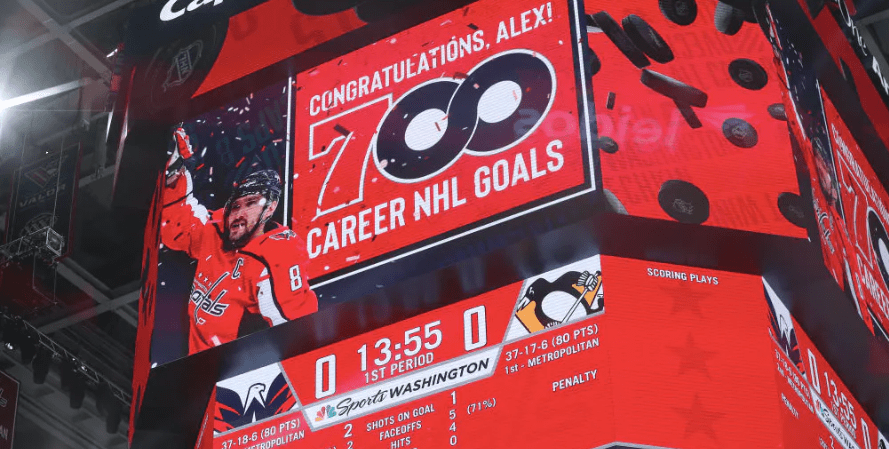
The National Hockey League’s (NHL) experiences a substantial rise in international online engagement. SportBusiness records the NHL Russian, Finnish, Swedish, German, Czech, and Slovak websites have received a 28% unique visitor increase this season, with a 25% overall visitor boost. The French & Canadian sites have experienced similar outputs, a 25 and 23 per cent rise year on year.

The results accumulated demonstrate credit the NHL’s bespoke International digital strategy. The strategy entails producing player-focused content, particularly involving Russia’s Alex Ovechkin’s 700th milestone goal. Plus, collaborations with the league’s European broadcast partners alongside the tone of content across social media has showcased the appetite for Hockey to return to our screens.


Combats Sports outfitter Venum strengthens its relationship with The UFC

Credit to https://bit.ly/32ehd0e for the image

From April 2021, combats sports apparel brand Venum will replace Reebok as The UFC’s latest global outfitting and apparel affiliate. This deal will add value to MMA athletes as the UFC are planning to adjust the pay scale linked to its outfitting policy, meaning fighters can expect increases of revenue through uniform sponsorship. The current Reebok deal caused initial upset with MMA supporters because athletes revenue were limited, receiving income purely from their fight grade.

The joint venture will find Venum designing branded apparel and UFC fight kits available on both the UFC and Venum website. The UFC continues to relentlessly influence its consumers and stakeholders to engage with the brand from its passion for dominating the combat sports world.


Asia continues to lead on the Esports scene

Credit to https://bit.ly/3iSInjh for the image

FIFA and EA Sports have extended their esports tournament, the eChallenger series with a new set of fixtures between China and South Korea. FIFA launched this series in June which has accumulated over 23 million views so far from the involvement of footballs, influencers and esports players.

Despite COVID19 creating scrutinising cash-flow in the sports industry, Esports has proven to be the sectors saviour. According to Inside the games, licencing rights appear the most significant source of revenue for FIFA this year. FIFA’s licensing revenue originally forecasted at £90 million for 2020; however, with the enormous interest of Esports in Asia, FIFA can expect to peak in licensing income.


Table Tennis is about to reach a new level of entertainment

Credit to https://bit.ly/2Wb4Puf for the image

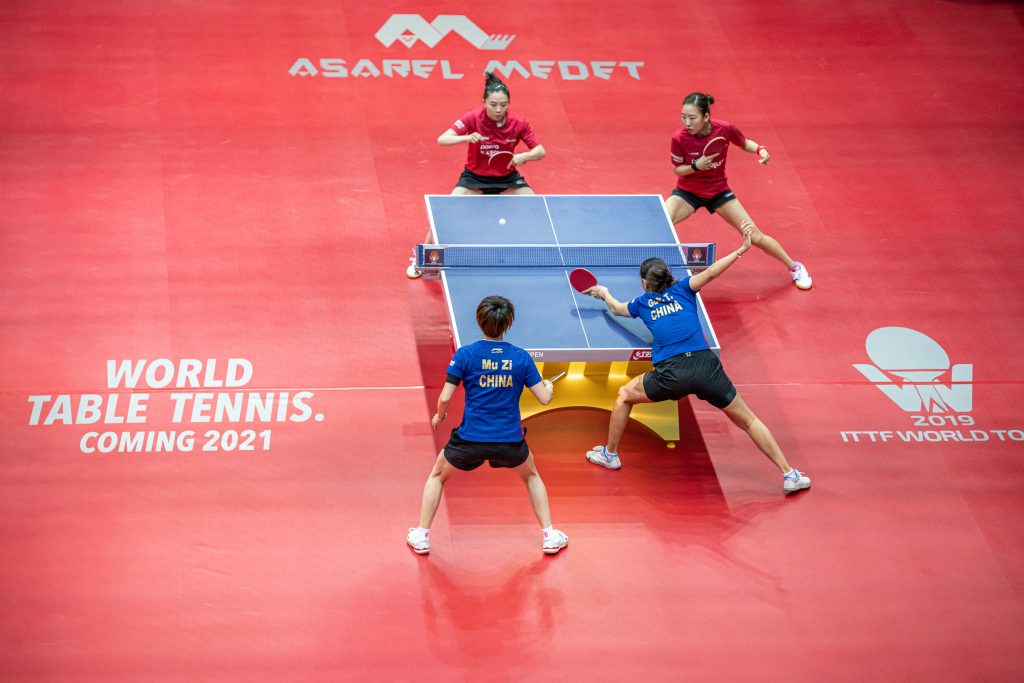
The new commercial arm of the International Table Tennis Federation (ITTF), World Table Tennis (WTT) have confirmed an agreement with leading sports entertainment agency, IMG for media and broadcasting rights on WTT events.

The agreement commences in January 2021, which also includes streaming and data rights to create solutions to grow the sport globally. IMG will work with WTT to host city partnerships for new events, re-designing graphic designs to promote the game, explore fresh camera angles alongside enhancing the fan experience through technological advancements.


There you have it, what will AC Milan’s partnership with Roc Nation mean for fan engagement? Will DAZN truly become ‘The Netflix of Sport? How will Hockey use their illustrious engagement numbers to captivate new audiences to their world? Does Venum have more to offer than Reebok towards the UFC? How much longer will Esports continue to reign on the sporting parade? And, what does the future hold for Table Tennis fans?

If you enjoyed this article, there is plenty more of it. Just subscribe to our newsletter for the most informative stories in the sports business world.

Rating: 1 out of 5.

Exclusive interview with Preeti Shetty about her ambitions to develop society through sport

Preeti Shetty is the Head of Upshot at the Football Foundation where she’s responsible for enhancing modern-day grassroots sport through bespoke data-driven insights. Preeti has a prestigious career in sport. Throughout this exclusive blog, she shares the importance of building networks early on, finding your niche, becoming the expert in what you are passionate about and the fundamentals behind a strong work ethic in an ever-so competitive industry.


Q1) How did your career into sport start? 

A: Funnily enough, this happened by mistake. While I was a media undergrad, I was enthusiastic about working in TV production. An opportunity came up at BBC Sport for a 4-week internship that I pursued. The internship focused on an outreach project called ‘Your Game’ which was based around recruiting NEET young people to participate in football, media, and music festivals. After this appointment, I was offered a full-time job with BBC Sport as their Partnerships Coordinator.

I suddenly became genuinely inspired by the impact sport can have on changing lives; this is when I found my niche in sport, which was sport for development. The industry is vast, so finding your niche early on will work in your favour. This will provide the chance to build your network of specialised professionals and industry-specific skills to enhance your portfolio.

Networking was a big part of my sports career journey; I built up a large enough network where I began consulting on a freelance basis for four years around sports for development initiatives. I worked closely with several international NGOs, and one of the challenges we experienced was having the evidence prove the impact sport has to change lives. At this point, I pursued a Masters in Sports Management which specialised in impact measurement and research methods.

During my masters, my dissertation focused on impact measurement, which provided me with a foot into the door of a tech start-up known as Upshot. This provided me with the opportunity to be innovative with the product to tailor it towards demonstrating sports social value to communities nationwide.

Initially, impact measurement was not something people were generally interested in. Still, as the world we live in is progressively orientating towards driving solutions via data and technology, it became an opportunity which grew to new heights. I now work for the Football Foundation where I’m the Head of Upshot, and I have full responsibility for the product and its impact on providing our clients, stakeholders and partners value.

Q2) While working in sport, what have been the most significant lessons you have learnt that have helped your career progress?

A: For me, getting stuck in has been crucial. Once you work somewhere, you make yourself indispensable. When new opportunities came up, I wanted to be the first involved. All of this comes down to wanting to learn and be the best version of yourself.

There’s nothing more important than building your network authentically and focusing on how you engage with your ecosystem because they are the ones who will open doors.

I am very ambitious. I put people first and thrive from understanding how I can be a better leader to inspire my team. I’m always asking for advice, and I’m surrounding myself with people that are better than me. I heard an interesting fact somewhere that you are the average of the five people you surround yourself with – this makes you think about what value you are providing to everyone around you. I’ve always had amazing mentors and bosses that have helped me stay hungry and work to the best of my abilities.

Despite society presenting challenges for people of colour and women, if you don’t show up, nothing will happen. Sport is an industry where people can get frustrated easily and quickly; however, always remember that if you don’t show up, no opportunity will either.

When I hire new graduates/sandwich year students, I’m not so interested in what work experience or qualifications the candidate has. I’m more focused on whether they have work-ethic, drive and how proactive they’ve been outside of education to enhance their opportunities after college or University.

Q3) while working in sport, has there been a specific cause that has been important for you to promote? And if so, what is it?

A: The key driver for me is to prove sports contribution to improving society. I’m not so interested in elite sport or sports participation, what drives me is being able to develop a community through sport. For example, promoting exercise is just as important as food and medicine in this current climate. However, the biggest challenge is understanding how we embed this into an engaging and inclusive message.

I always think about how can I continue to play a role to demonstrate how sport is a tool that creates life-changing experiences. Despite this being my job, it’s what I love, and even if I weren’t getting paid to do what I do, I still would be involved. I’m also extraordinarily passionate to see more women and women of colour in the sector as there’s still a gap to be filled.

Each of these causes is quite intertwined. However, the open-ended question lies with whether we can focus on all and have the same impact or do we need to focus on one and then the next in turn?

Q4) What is the difference between the types of environments you have worked in? Such as the differences in motivations at The Football Foundation compared to BBC Sport?

A: There wasn’t a massive difference for me personally, probably because they were all a sport for development type-environment. Therefore, you’re likely to come across similar-minded people to yourself despite it being different organisations.

However, if you focus on different parts of an organisation, such as the boardroom compared to the office, there are noticeable contrasts in characters. Also, there are differences in departments, such as comparing sport development to technology sectors or media or marketing. Some tend to have younger people, some more women, some creative and some analytic.

While working in sport, you will come across similar characters with yourself as you’ll be working in the industry for the same purposes. However, it is all about representation. We should be striving to have offices as representative of our communities.

Q5) while building your sports industry network, what has been the key driver/drivers that have made those relationships sustainable?

A: I don’t do it as much now as I spent so many years building up my network. However, when I was starting, I was attending as many conferences and events as I could to ensure I was present and learning as much as I could. The majority of my connections have come from events and meeting people mutually through different leadership programmes. I always recommend to my younger employees in my team to think the same way when developing a network.

However, there are different types of events. You have your large-scale ones like Soccerex, usually filled with highly experienced corporates and professionals. On the other hand, you have smaller events like workshops or seminars which are great to attend when starting.

Q6) During the Coronavirus, how has this impacted business for you at the Football Foundation, and how have you adapted throughout this crisis?

A: We’re lucky as we had a business continuity plan in place where we already had working from home schedules; therefore, this hasn’t massively impacted us from a day to day perspective.  

The biggest hurdle to jump over is managing our teams and people, ensuring they are coping okay psychologically as you can’t run a successful business without good mental health. However, this has been stable so far and reflects well on ourselves valuing our people at the heart of what we do.

The most bit of learning for us is ensuring we prioritise mental health at this point, the HR side of things has become ever so important.

Q7) What advice could you summarise for someone wanting to break into sport, coming in from an external background to the industry?

A: Focus on building up a network as this will be the door that opens opportunities. Remain passionate and hard-working as these two are defining factors which will provide you with that motivation to want to succeed. Lastly, be the expert in your niche to ensure you can deliver as much value as possible to whatever your heart desires.  


Interviewing Preeti has been an eye-opener to understanding how you can use the competitiveness of the sports market as a positive rather than a setback. She openly discussed her challenges being a woman of colour coming into the industry and thrives from this value, rather than shying away from it. This attitude has allowed Preeti to excel, becoming an advocate to bring brighter futures for all through sport for development. 

Does Preeti’s story inspire you? If so, leave a comment with your biggest learnings and let’s discuss!

Ash’s Sports Talk, your second weekly sports-business wrap-up

The weekly wrap up is back like it never left! This week has been eventful with English football striving for diversity, and the sport continues to push boundaries with Esports. Operation lockdown has proven a demand to get the nation fitter than ever, and basketball is the next sport to return to the spotlight.


English football raises its efforts to enhance diversification

Photo by Craig Adderley on Pexels.com

BBC Sport report The Premier League, the Professional Football Association and the English Football League (EFL) are scheming to increase numbers of BAME coaches. The collaborative program aims to inspire BAME players to transition into full-time coaching roles in professional football. From next season EFL clubs will facilitate for six coaches to undertake a 23-month work experience placement where all PFA members can apply.

Currently, less than 9% of Premier League managers/head coaches are BAME which has been problematic for decades. Ironically, Scoreandchange informs 45% of 2019/20 Premier League shirt sponsors headquarter in Asian territories. This figure is a wake-up call for the Premier League to prioritise its grassroots opportunities as much as its commercial commodities.


World Athletics and parkrun unite to get the world fitter than ever

Photo by RUN 4 FFWPU on Pexels.com

According to Statista, an average of 34% of people aged 18+ in the UK have been doing less physical activity during this lockdown period. This figure represents a demand for the UK to get more active. SportBusiness announced Sports Governing Body World Athletics and running event company parkrun would share resources to improve the health of the world. 

Athletics Weekly revealed both parties are to host a suite of events in host cities and countries of upcoming world championships. Some include the World Championships Oregon 2022 and Budapest 2023. World Athletics CEO Joe Ridgeon and parkrun CEO Nick Pearson have both noticed more people up taking running during the lockdown. Therefore, they have exploited this fitness activity by pursuing future events orientated towards this exercise to engage global communities. 


Basketball is willing to learn to dance in the rain

Photo by Pixabay on Pexels.com

SportBusiness confirms The National Basketball Association (NBA) and the National Basketball Players Association (NBPA) will launch project restart on July 30. Despite the escalating numbers of COVID19 cases in Florida, Commissioner of The NBA Adam Silver believes project restarts strategy demonstrates adaptable qualities. Basketball will undertake necessary procedures such as disallowing fan attendance, controlled player & staff movement alongside daily virus testing.

Basketball fans, don’t worry as The NBA has plans to keep you entertained! CNBC has documented Danish football club Aarhus Gymnastikforening has inspired the NBA to think about hosting a zoom broadcast. The zoom-airing would allow fans to be seen in-court to stay as connected as possible to the sport. This pandemic has proven an opportunity for the sports industry to revitalise its engagement with its consumers through technological advancements.


Another football and health-based partnership confirmed

Credit to https://bit.ly/38u3P9K for the image

SportBusiness issued that Major League Soccer (MLS) club, Inter Miami CF’s MLS & USL League One team and academy have secured a multiyear partnership with South Florida healthcare organisation, Baptist Health. This collaboration will include Baptist Health assisting Inter Miami’s sports medicine provider, hospital system and official medical organisation.

The non-profit organisation will also find themselves as the academies main jersey sponsor for the upcoming season. Therefore, the next generation of players in the academy setup will benefit from prosperous youth development opportunities from Baptist Health’s brand awareness.

The MLS also plans to return to the soccer pitch next week for its ‘MLS is back Tournament’. The US’s top tier soccer league has foreseen 26 positive COVID19 tests as it prepares for its return. Therefore, there is no better time for the sport and health sector to team-up and continue combating the contraction of this unparalleled epidemic.  


PSG are pushing boundaries to innovate the football industry

Credit to https://bit.ly/2BEHQAD for the image

French football champions PSG continue their involvement with the Esports industry by agreeing to a 10-year deal with sports merchandiser, Fanatics, SportBusiness reports. This agreement will include the two parties aiming to grow ‘The Parisians’ e-commerce profile over the next 36 months. Paris Saint-Germain will integrate into Fanatics’ database of 45 million committed clients in the clubs key marketplaces across Europe, North America, and Asia.

This initiative could prove to leverage PSG’s merchandising business into a global dominator for the sports industry. Considering Fanatics will be the master licensee for their merchandising portfolio; this will see the US online retailer deal with its largest-ever financial commitment. From this proposal, The Red and Blues has set an ambitious goal to double its licenses in the next 2 years.


Technology and soccer are inseparable!

Credit to https://bit.ly/2C2DDa3 for the image

This time, SportsProMedia stories Google and the National Women’s Soccer League (NSWL) join forces to provide Women’s soccer fans rich sporting content. This venture began from the NSWL’s restart on the June 27 for the 2020 Challenge Cup competition.

Google plans to support the NWSL through multiple avenues. Sporttechie confirms Exclusive video content is available via Google’s social channels, Google Meet’s social video calling platform will hold ‘virtual cheering sections’ and NWSL match stats will receive an increase in search rankings.

Football continues to leverage its profile with technology to ensure consumers remain entertained despite the restrictions caused by COVID19.


Now that’s a wrap! Football has dominated this week’s sports business headlines through leveraging its identity with technology and health to contest COVID19’s impact on the industry. It will be interesting to see whether The NBA will experience a peak in viewership upon its anticipated return. Plus, what effect will the unity between World Athletics and parkrun bring to the social value of society?


Did you enjoy this week’s wrap-up? If so, make sure you subscribe to our newsletter list for more enlightening content and leave us a rating.

Rating: 1 out of 5.