It’s common to believe that NFTs are the hottest property across the metaverse. NFTs are short for Non-Fungible Tokens. These can exist in different formats, such as a game item, a book, artwork, or a song. NFTs have proven to be effective for turning ‘copyable items’ into unique items. For this reason, the assets have helped grant people ownership as they can be offered in different formats such as JPEG images or ownership documents.
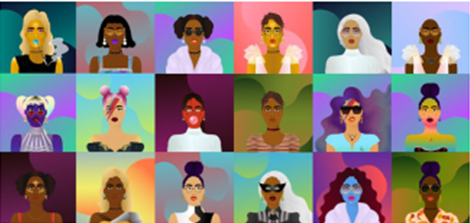
A popular NFT example includes the Bored Ape Club, a collection of 10,000 unique designs where the apes have different attributes to their bodies.
Typically, each ape is valued at approximately $300k and is affiliated with designer clothes. The below quote explains why.
“The next big thing will start out looking like a toy. One of the amazing things about the internet economy is how different the list of top internet properties today looks from the list ten years ago. The reason big new things sneak by incumbents is that the next big thing always starts out being dismissed as a “toy.” (…) Disruptive technologies are dismissed as toys because when they are first launched they “undershoot” user needs.”
Three elements of an NFTs legacy include community, utility, and storytelling.
Community
Consumer habits have changed across the internet to this day. Smaller communities with highly engaged interests typically gain more attention than larger groups with widespread trends. For this reason, NFTs have become a new strategy to create relationships between creators, companies, brands, and their audiences.
An example includes The Crypto Cannabis Club, a collection of 10,000 NFToker Avatars. This group captures the imagination of people interlinked to the world of cannabis. When you buy an NFT avatar from Crypto Cannabis Club, you join a global community of cannabis enthusiasts who discuss everything related to this world.
Utility
This area is still under development, and we’re still yet to discover which NFT it could be useful for.
A prime example of an NFT collection includes Gary Vee’s VeeFriends collection. When buying these visible illustrations, you’ll have access to events, conferences, and meet & greet sessions with Gary Vee.
Storytelling
Despite NFTs being a unique addition to the marketing landscape, effective storytelling remains a powerful strategy to promote the product.
To summarise, the more unique the design, the more chance that an NFT will stand out to a mass-market audience. For that reason, NFT is proving an effective fan engagement strategy to build connections amongst the next generation. Once that’s succeeded, brands can utilise their NFTs to give their audience exclusive access to services that aren’t available on mainstream platforms.
If you’re keen to discover more about the metaverse, you’re welcome to check out the full course available through Inevitable by clicking here.
Matchroom Boxing is owned by Eddie Hearn, one of the leading promoters across the boxing industry. The promotional company holds some of the sport’s best athletes, including Canelo Alvarez, Katie Taylor, Anthony Joshua and Lawrence Okolie. Their social media profile involves over 2.8 million followers across Facebook, TikTok, Instagram and Twitter. Plus, Matchroom owns 320k+ YouTube subscribers. This blog will discover how Matchroom Boxing produces social media content, creates storytelling scenarios, and engages with its fans.
Platform breakdown
Twitter
Matchroom’s frequent Twitter content includes fight announcements, YouTube video previews, press conference/interview snippets, event countdowns and live event updates.
— Matchroom Boxing (@MatchroomBoxing) May 13, 2022
Their fight announcements are a suitable content avenue to explore on Twitter. Twitter is well-known for being an informative tone-of-voice platform; hence, Matchroom has capitalised on this format to communicate its latest updates best.
🇮🇹 We will be live for the #ScardinaDeCarolis and undercard weigh-in at 1pm (CET) / Midday (BST) 👊
— Matchroom Boxing (@MatchroomBoxing) May 12, 2022
YouTube video previews prove to be an effective frequent content avenue as they cover the highlights through their footage. For example, if they’ve released a vlog, they’ll share several seconds of a fighter exploring something special where they react uniquely, drawing the audience’s attention.
"This is a huge fight for Italy!" 🇮🇹
New interview with Daniele Scardina out in full on our YT channel 👊
— Matchroom Boxing (@MatchroomBoxing) May 13, 2022
Press conference and interview snippets work well to drive engagement from fans and boxing journalists to share on their channels. These are other personalities boxing fans follow on Twitter to stay updated with the sport, and for this reason, it’s an effective move from Matchroom.
🇲🇽 @HirotoK1127 defends his WBA and Ring Light-Flyweight Titles against Esteban Bermudez in Mexico City!
— Matchroom Boxing (@MatchroomBoxing) May 13, 2022
It’s common as a casual boxing fan that you’ll lose touch or recognition of when an event will occur. For that reason, to maximise ticket sales and revenue generation, promoting events weeks before they take place proves effective for the promotion.
— Matchroom Boxing (@MatchroomBoxing) May 13, 2022
Like football games, Matchroom does its best job to keep fans watching events online and updated via Twitter commentary.
Instagram
Matchroom Boxing’s most popular content entails fight highlights, short-form fight trailers, and interviews with fighters alongside fight content dubbed with music.
The fight highlights act as a core product for what Matchroom represents, fight nights full of action. When fans scroll through the Instagram page, they’ll likely recognise who the fighters are that they represent and how skilled they are.
Short-form fight trailers effectively amplify the fighter and showcase how pivotal the fight is to the athlete’s division or legacies.
As mentioned in the Twitter content breakdown, interviews with fighters effectively raise their profile alongside teasing YouTube content views.
Reels is a feature used heavily throughout their Instagram channel. Content includes fighter footage dubbed in viral music, training clips, Matchroom signed athletes featuring as spectators at other sports games and symmetrical knockout highlights. These content avenues have proved effective for driving engagement, reaching new audiences and sharing behind-the-scenes content.
TikTok
Most TikTok content produced through Matchroom Boxing’s account consists of face-offs, sharing memes created from other fighters, and promoters trying challenges against others alongside Matchroom fighters featuring in different events.
Face-off content is an avenue enhanced on most platforms; however, it can be utilised differently on TikTok. For example, the UFC sometimes dub their face-off content on TikTok with viral audio, which can help to expand its reach through the channel. Matchroom could adopt a similar tactic to help raise its brand awareness to new audiences.
Meme marketing related content is something that can help Matchroom remain culturally sensitive to upcoming trends. Considering Jake Paul was involved in creating this one, Jake had been engaged throughout a previous event seeing Katie Taylor vs Amanda Serrano. Therefore, it’s an opportunity for Matchroom to be open to connecting to Jake Paul fans.
Despite this challenge coming across as light-hearted, it’s another opportunity to amplify promotional rivalries, which can further expose the brand to new audiences.
Anthony Joshua supported Lawrence Okolie during his ring walk in his last fight. Matchroom rightly shared this on TikTok to demonstrate the relationships their athletes have with one another. Plus, Lawrence and AJ likely share similar fan bases. For this reason, they’ll probably continue to support both, considering they’re seen with each other.
YouTube
Matchroom Boxing’s YouTube content strategy consists of pre and post-fight press conferences, full edition face-offs between opponents alongside behind the scenes style vlogs ahead of fight nights (usually released after fight dates).
Pre-fight press conferences have proven a lucrative opportunity for media members to get brutally honest answers from fighters, which helps to give fans a better knowledge of how they’re feeling ahead of the events. On the other hand, post-fight press conferences showcase how fighters feel after competing, which can help build further emotional connections with their current and new fanbases.
Full face-off sessions have also proved an effective chance to illustrate how fighters feel at the first encounter with their opponent. This usually allows fans to consider why they think they are psychologically at an advantage ahead of fight night, meaning there’s value for the promotion to gain with the upload.
Behind-the-scenes vlogs are usually some of their most viewed content on YouTube. They’re a longer form than most other pieces, which helps to give fans content which isn’t published on major networks. This means fans have access to different things fighters may have done to prepare themselves, icons they met, challenges before they competed and more similar concepts.
Bellator MMA is a prominent MMA promotion that owns athletes including Michael Venom Page, Cris Cyborg, Yaroslav Amosov and former UFC veteran Yoel Romero. Across social media, Bellator obtained 5.96m+ social media followers, alongside 1.43m+ YouTube subscribers. Throughout this blog, you’ll discover what fan engagement tactics Bellator utilise to maximise connections with their audience alongside how they customise content per platform.
Twitter
The majority of Bellator’s Twitter content is led by fight highlights, training footage, and behind-the-scenes clips covering athletes alongside using Lingojam to alternate their captions font.
This content represents the Bellator brand. It’s what is captured through their broadcasts globally, and for that reason, they ensure it’s what is leading their content game. It’s carried out in various ways across Twitter, such as focusing on athlete highlights and the combination of athletes showcasing different moves alongside knockout reels.
This is promoted in different ways, such as when fights are announced, they’ll gather images of fighters entering training camp. Alternatively, Bellator will also use this when it’s coming closer to the date of fight nights. This will also be utilised throughout trailers to amplify it further.
This involves various content avenues, including training footage, walkthroughs and photoshoot clips. It proves beneficial for many reasons. It allows fans to build emotional connections to their favourite athletes. It can be treated as ‘exclusive’ content available on premium subscription services that all help promote the upcoming event.
Lingojam is a text generator website where you can alter the font of captions you plan to use across social media. Bellator utilises this heavily throughout their content, which is eye-catching and engaging while promoting an upcoming event or occasion.
Ultimately, Twitter has proven to be an informative platform which Bellator capture by providing the latest updates throughout their events. When it comes to their live content, they even retweet their audience’s posts on occasions, promoting different elements within the moment. This helps to build connections as it’s the promotion of recognising others.
Instagram
Most of Bellator’s Instagram gallery consists of Reels and Carousels utilised to promote similar content.
Reels highlight unique, different camera angles within competition moments, eye-catching knockouts, and showcasing other fighters attending events as a fan alongside celebrations taking place inside the Octagon. Reels has proven to be effective at formatting short-form content. For this reason, Bellator is utilising this unique feature function to create some.
IG Carousels are also popularly used to share behind-the-scenes photoshoots, division updates, and athlete fight highlights alongside weigh-in moments. These support Bellator capturing various short-form content moments that fans can share amongst their peers.
Effectively, Bellator’s Instagram account is used as an online gallery for their fans to see the promotion’s most commercial moments.
YouTube
Bellator’s YouTube content entails recapping the promotions history, full fight/athlete highlights, and weigh-in content. These content avenues are captured through short and long-form YouTube videos. The company’s most viewed content involves fight highlights and highlights of Bellator’s favourite fighters.
The promotion’s YouTube strategy revolves around optimising long-form content to promote its core product, which is fight footage delivered through athlete-driven marketing. For example, most of their YouTube shorts videos are dominated by individual fight highlights because they’re moments that grab the audience’s attention.
Facebook
Their Facebook page has over 2.4m followers, and similar avenues on other platforms dominate their content. The main unique element is promoting their own merchandise that links to their website. However, their most viewed content appears to be their fight highlights. Considering they’re utilising the merchandise function to promote their brand, this can be a more monetizable channel than their other platforms.
Don’t forget, Friday’s fight starts 𝐸𝒶𝓇𝓁𝓎 ⏰📍🇺🇸 West Coast – 10am Showtime Sports📍🇺🇸 East Coast – 1pm Showtime Sports📍🇫🇷 Paris – 7pm RMC Sport📍🇬🇧 UK – 6pm BBC Three
Bellator’s most viewed TikTok content involves fighter previews ahead of the competition. For example, former UFC star, Yoel Romero, has featured in this heavily. Plus, bizarre moments in the Octagon appear to be eye-catching, such as when a fighter takes significant damage but remains fit to continue competing or when a move looks similar to another sport (e.g. a kick being identical to one in football).
As an overview, their TikTok content aims to showcase their favourite fan fighters through short-form formats and raise their other fighters’ awareness to a new audience. Plus, they like to show the behind-the-scenes content of some of their athletes.
To summarise, Bellator MMA’s content strategy differs for each platform. On Twitter, they tend to adopt an informative tone of voice while their content is similar to other platforms; they treat Instagram as a committed art gallery to their core fighting product, YouTube converts their product to long-form content, and Facebook helps open a new monetisation avenue and TikTok maximises impact through short-form content.
What stands out for you with Bellator’s content strategy?
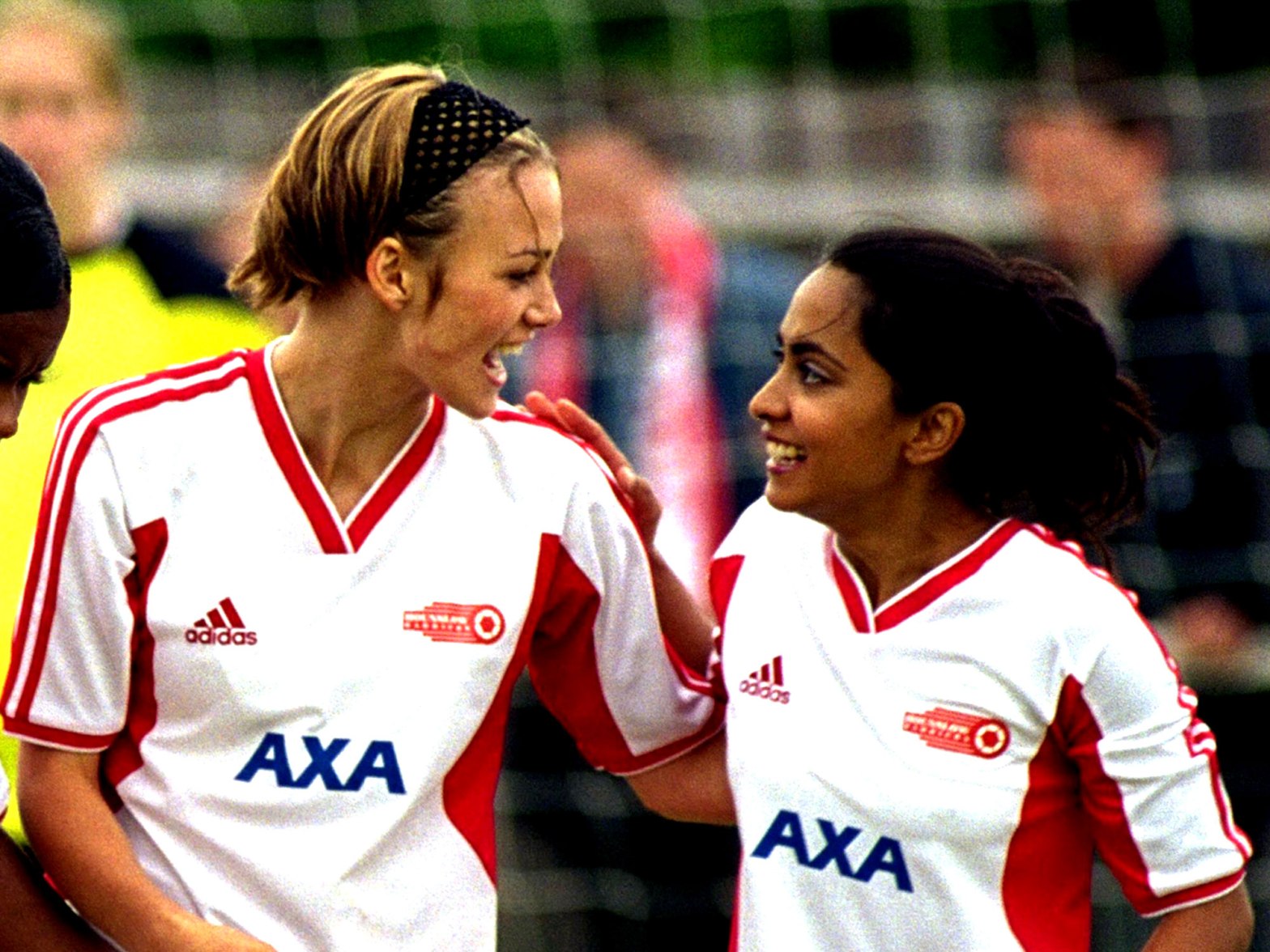
Twenty years ago, Bend It Like Beckham was released, and to this day, it’s the most successful film to represent football. Bend It Like Beckham’s storyline revolves around an Indian girl aspiring to follow her dreams of playing professional football while her family are trying to steer her away from it traditionally. On Box Office viewership, the film has generated over $74m worldwide. Sports journalist, Miriam Walker-Khan, has helped create an episode on the streaming platform BBC iPlayer, to reflect on the film and discover its impact on women’s football, gender identity, and cultural issues. Gary Linekar, Flo Loyd Hughes, Ali Speechly, Shireen Ahmed and more are featured in this documentary to share their perspectives. This article will discover the impact the film has on women’s sports.
The profile of women’s football certainly isn’t the same as it was 20 years ago; there have been changes that have revolutionised how the game is viewed. For example, in 2019, the FIFA Women’s World Cup broke viewership records as FIFA confirmed 1.12 billion viewers tuned in to watch the entire tournament. Plus, the final was the most-watched match in tournament history. Two hundred sixty million viewers saw the final, over double the figure that tuned in 2015.
Camp Nou’s capacity record was broken most recently as 91,648 attendees arrived there to see Barcelona women compete against Wolfsburg in the first leg of their Women’s Champions League semifinal. This was higher than last month when Barca and Real Madrid played an El Classico game.
For the Women’s Euros this year, England’s group matches and the Wembley final have sold out to over 87,000 attendees. This has broken the record for a women’s football game in England alongside spectator attendance at the London 2012 Olympics Final between the US and Japan.
In 2020, The FA shared 3.4 million girls and women now play football alongside experiencing a 54% increase in affiliated women and girls’ teams since 2017. The FA has made an effective effort to achieve this via national campaigns and plans, including Let Girls Play and Gameplan for Growth.
The revolution of women’s gender identity
During the documentary, Miriam spoke to a few pivotal figures across women’s sport, and they had to say the following.
Flo Lloyd Hughes, sports broadcaster, mentioned she felt beneficial from the ‘tomboy vibe’ created by the film. For example, Jess, the main character, had a friend called Jules who dressed and portrayed behaviours like a boy despite being a girl. Since the film, this characteristic has been popularised beyond football and has progressed into other sports. In a leading MMA promotion, the UFC, names such as Amanda Nunes and Ronda Rousey have grown to become the biggest stars in the MMA landscape and portray similar traits to tomboys. Outside of sport, some brands within the fashion industry have boosted their involvement to customise themselves to tomboy fashion styles. There’s a clothing line called Tomboy clothing, and the content of presenting tomboy fashion styles has become a huge trend across social media, especially on Pinterest.
Freestyle footballer Katjit Atwal shared her appreciation for the film presenting the street footballer lifestyle, especially for women, which has become a serious element within the game. For example, the video game, FIFA Street, became a big marketing success for the sports property, particularly as they got global stars like Ronaldinho involved in advertising campaigns.
As well as these points being valid to the film’s impact on the current generation, it’s also helped female footballers be recognised as athletes rather than the mass amounts of stereotypes claiming female footballers to be ‘sexualised objects’. For example, former professional footballer, Alex Scott, has grown her profile as a pivotal figure representing the sports punditry as she regularly appears on BBC Sport and presents through matches.
Storytelling cultural issues
Despite football being the focus throughout the film, it communicates the general struggles Asian family members deal with throughout their lives. For example, Jess, the main character, was being put through an arranged marriage by her parents, and she didn’t want this to happen. Another issue illustrated was Jess’s family wanted their daughter to follow a traditional career most Asians follow rather than one she was authentically passionate about, which was becoming a footballer.
Ultimately, football has been used as a connector to communicate cultural and religious issues to a wider audience. This has been valuable considering that we’ve seen an increase in Asian minorities participating in sports. For example, The FA now has an Asian Inclusion Strategy to enhance participation in the game from Asian ethnicities.
To summarise, 20 years from the release of Bend It Like Beckham, it has impacted women’s sport from various avenues. These include raising the profile of the women’s game to be taken seriously, ensuring that women’s identity remains inclusive in and out of sport alongside football proving to be an effective communicator to illustrate wider cultural and religious issues.
What stood out for you about Bend It Like Beckham?
The Professional Fighters League, also recognised as the ‘PFL’, is a unique combat sports promotion that presents MMA through a sport-season format. The PFL obtains a play-off and championship structure within their promotion, making them stand out against other companies like the UFC and ONE Championship. Across social media, the company have gained 2.8m+ followers (primarily across Facebook and TikTok) alongside 336k YouTube subscribers. This blog will discover how the PFL has built their brand online through fan engagement tactics, storytelling methods for its athletes and strategies to build connections with new audiences.
Platform breakdown
Twitter
Across Twitter, PFL content involves the brand promoting partnerships through athlete-driven marketing, sharing fight announcements and highlights alongside paying tribute to fighters depending on their life events.
Some of the PFL’s widely recognised partners recently include fan token company, socios.com, MMA scoring platform, Verdict MMA and game developer Rival Games. For example, PFL fighter, Emiliano Sordi, has been involved in a video endorsing the brand and fans for engaging in the context. Content like this can take the brand far to raise further awareness to new audiences with initiatives like this.
OFFICIAL: #2022PFL1 Fight Card Updates – Cory Hendricks replaces Josh Silveira – Simeon Powell makes a quick return and faces Clinton Williams
PFL 1, 2022 LIVE Wed, Apr 20th! 9pm ET Main Card on ESPN & ESPN+ 6pm ET Opening Card on ESPN+ pic.twitter.com/wOLzcnDkfs
Fight announcements happen to be the PFL’s most engaging piece of content across Twitter. It communicates various points for the consumers, including broadcast networks to watch events, the time it starts, and the fighters featured. Ultimately, the PFL has added value for their fanbase through a single post, which is their core product.
1 of 9 choke finishes by 2x PFL Champion @NatanSchulte 🐍
As my previous blogs cover, fight highlights are an essential part of a combat sports promotions content strategy. This stream showcases what the fighters are most recognised for and introduces different fighting styles that can raise awareness for new audiences of the fight game. The PFL also creates multiple purposes with fight highlights, including throwback occasions, narrating a fighter’s story alongside comparing fighting styles.
Paying attention to the life events of former and current athletes is a way to build emotional connections with your audience. For example, Marlon Moraes used to fight in the PFL but moved to the UFC and has recently announced retirement. The content team at the PFL see this as a golden opportunity to drive engagement and remind audiences that this was a figure who represented their promotion.
Facebook
The PFL’s Facebook content heavily consists around fight highlights, capturing the decisions of fights going the distance, and throwback content alongside close-up shots of finishes. Their most-engaged content includes capturing the end of fights where the judge’s scorecards are announced. This demonstrates the PFL’s Facebook audience appreciates close-up/emotional moments provoking fans to feel close connections to their fighters.
The PFL’s TikTok strategy heavily promotes behind-the-scenes content, diverse camera angle footage of fights, championing their fighters preferring the PFL compared to other MMA promotions alongside integrating out-of-context moments with their athletes.
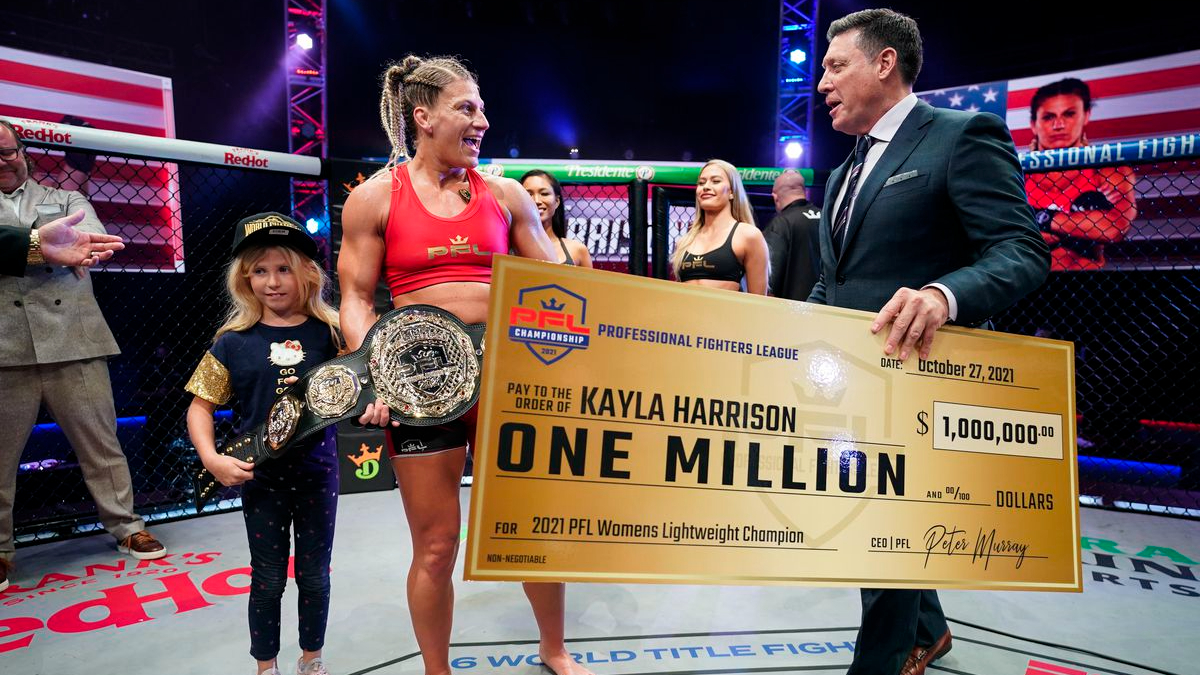
Despite the diverse house of content, the PFL’s most viewed pieces, excluding ones including superstar Kayla Harrison, consist of behind-the-scenes access to photoshoots which contributes to the final products we see on PFL graphics. Online consumers naturally have an appetite for viewing content like this to access how elements are created. Plus, fight highlights captured from close-up angles are another piece of content scoring high engagement because it showcases ‘already seen’ content from a different perspective. The PFL even resorts to sharing still images on TikTok and asking their audience to comment captions, which proves effective as they’re a well-known brand across combat sports.
Ultimately, TikTok communicates a lighter but more open tone of voice to their game through TikTok to allow new audiences to at least gain awareness of MMA.
YouTube
Long-form fight highlights lead PFL’s YouTube content game, utilising YouTube shorts for highlights during competition, short-form documentary-style clips, and behind-the-scenes snippets alongside fighter interviews.
As expected, long-form fight highlights acquire the most viewership, and their YouTube channel is predominantly utilised to showcase their competition through its core product. This is sub-accompanied with personal-style access to some of the fighters.
On Instagram, their regular content streams include fight announcements, in-fight photo carousels, sponsorship endorsements through above Octagon shots, and fighter face-offs alongside short-form highlights.
The PFL’s most viewed content entails promoting fighters in trailers and compilations of finishes alongside fight announcements. Ultimately, these content streams endorse an emotional connection from the consumer.
Like YouTube, Instagram promotes the core product of the PFL, which is their fight game but in a shorter format.
To summarise, the PFL adapt each channel uniquely to match the audiences’ behaviours. For example, TikTok, Instagram and Twitter capitalise on diverse content streams to capture attention. On the other hand, Facebook and YouTube revolve around promoting more of the core product to enhance the long-term fans.
The PFL’s tactics to engage fans differs on each platform. On Twitter, Instagram and TikTok, it revolves around promoting short-form storytelling alongside encouraging engagement from their audience through ‘the best caption wins’ and out-of-context memes.
What has caught your eye about the PFL’s content strategy?
ONE Championship, the leading combat sports promotion across Asia, names itself as ‘the home of Martial Arts’. The company have over 45m social media followers alongside 4.67m YouTube subscribers, which has grown from their unorthodox methods of creating content, engaging with their fans alongside managing their communities. This blog will discover what makes ONE’s content strategy effective and how they utilise each platform to maximise impact alongside other tactics YOU can learn from to grow your brand.
Platform breakdown
Twitter
With over 1m followers, ONE’s content resume in the ‘Twittersphere’ is diverse. The majority of their content game consists of showcasing fight highlights, comparing fighting moves to one another, incorporating viral memes into their content alongside capturing training footage.
Each content stream adds value to its audience through a different avenue. For example, most content associated with fight highlights emphasises what the ONE brand represents. It’s a combat sports promotion that requires the fight game to be its most recognised identity.
Comparing different fighting moves is an effective way to capture the brand’s highest consumers’ attention. Fight fans are generally fascinated with how the athletes utilise other techniques during competition, and for this reason, ONE has executed this stream effectively.
Turn it UP! 😂🔊 @LiamBadco COLLIDES with Muangthai PK.Saenchai on 22 April!
Meme marketing is a key part of ONE’s content strategy. The reason is that memes have proven effective at tapping into the casual audience (beyond your core demographic) while being reactive to trends, enhancing brand awareness and engagement.
Training footage is another useful content pathway that brings fans closer to their favourite athletes. This is executed via giving them ‘behind-the-scenes’ coverage, which empowers personal and emotional connections through watching them train.
Instagram
ONE has a fairly larger following across Instagram with over 6m followers. However, their content appears replicated compared to their Twitter feed. Although, they distribute content differently through Instagram compared to Twitter, considering the diverse options with Reels, carousels, IG video and live.
Training footage similar to Twitter is largely distributed across Instagram Reels. On reels, this is proven where you can expand your reach to more casual and younger audiences, which is likely a target that ONE is following on this platform.
Fight highlights are often produced through IG video due to it appealing mostly to their core audience.
The most viewed content on ONE’s IG consists of training footage away from gyms or anywhere near the Octagon or ring. Ultimately, this emphasises the earlier point about combat sports consumers having a larger appetite for content, providing a unique perspective compared to what they’ve probably seen already.
On TikTok, ONE’s content is highly promoted through fight highlights utilised through features on TikTok. For example, the footage is dubbed regularly with popular audio sounds on the app alongside sound bites to form short skits.
He ate those 🍽 Chingiz Allazov faces off against Sitthichai Sitsongpeenong in the ONE Featherweight Kickboxing World Grand Prix World Champion Final on 26 March at ONE X! #ONEChampionship#ONEX#MMA#MuayThai#Kickboxing#MartialArts
ONE’s most popular TikTok content consists of brutal fight highlights such as constant punches to demonstrate the opponent’s durability. Plus, occasions, where the fighters bring their children into post-fight interviews claim high volumes of viewership because of the emotional connections younger TikTok consumers have. Also, fighters showing respect is another piece of content gaining leverage understandably due to this being a key value within the sport.
To summarise, it’s identifiable that ONE’s purpose on TikTok is to create an additional vision for MMA that, despite its brutality, it’s a sport that a wider audience can consume.
YouTube
Most of ONE’s YouTube content involves fight highlights and fighter compilations alongside legacy storylines around fighters with similar personalities. ONE’s highest viewed YouTube clips involve fight highlights alongside compilations of some fighting styles in long-form.
YouTube shorts are also empowered where content surrounding fighter training footage, knockout/submission fight reels alongside promoting rivalries between fighters are their most popular formats.
Ultimately, ONE’s strategy with its YouTube channel is to act as a freehub for fight highlights with a hint of behind-the-scenes access for fans to enjoy.
Weibo
Weibo, also known as Sina Weibo, is termed a ‘microblogging website’, significantly gaining popularity across China. The platform is similarly set up to Twitter but is more popular in the Asian regions. ONE is hugely recognised across Asia as ‘the home of Martial Arts’ and has utilised the platform to receive 1.57m fans.
The content shared on Weibo isn’t necessarily different from other platforms. The majority of their distribution includes fight highlights in short form, similarly presented to how it is on Twitter.
An eye-catching element for ONE on Weibo is their engagement is stronger compared to Twitter. There’s a closer ratio between the number of likes and comments they receive, demonstrating a stronger community on Weibo. This is a lesson that is valuable to learn. It’s not a matter of building a significant following but a solid micro-audience that engages your brand.
Fan engagement initiatives
ONE has various methods behind its fan engagement strategy, which have been covered.
Their meme marketing approach distributes ONE-related content across other meme-related touchpoints, which stretches their content beyond solid MMA audiences. This has been a goal for ONE Championship. To further emphasise their efforts, they’ve even released a TV show called The Apprentice: ONE Championship Edition. This show has 16 candidates participating in various MMA-related challenges to win a chance of earning a role to work at the ONE headquarters in Singapore. The show is watchable on Netflix in 150 countries. The show’s theme demonstrates the promotion’s desire to become recognised in the entertainment industry as much as the sporting sector.
ONE has also strategically used training footage to be a door opener for giving their fans behind-the-scenes access to their favourite athletes. Furthermore, it coincidentally provides the audience with an idea of what level of commitment and training it takes to become an MMA fighter.
ONE launching on Weibo is another example of brands needing to value-producing culturally sensitive content. The reason is it’s proven to be more valuable for empowering brand engagement and awareness through building micro-communities than following large followings.
Tone-of-voice
Per platform, ONE’s strategy to communicate with their fans differs slightly. Their tone of voice is most informative on Twitter, giving fans the latest updates relating to the promotion. On Instagram, you’ll experience ONE being more open with their captions and content captured to diversify the rise of their fighters. There’s a combination of Twitter and Instagram’s tone-of-voice on YouTube but with a more authentic perspective about their athletes through content creation. Weibo is similar to Twitter, relating to an informative style; however, ONE has expanded how they communicate with culturally sensitive terminologies to their region-specific demographic.
What can you learn from ONE Championship’s content strategy?
To summarise, ONE has many tools to build connections with its audience. However, below are the key points summarised when growing your brand.
Value the strategies which help you reach casual audiences beyond your current and main demographic. ONE utilises meme marketing to help themselves achieve this.
Prioritise cultural sensitivity via launching on a region-specific platform or specific content creation. ONE has achieved this via launching on Weibo to bridge their engagement closer with their Asian audience.
Strategically use content creation to enhance emotional connections with your audience, which gradually leads your fans to become invested in your brand. ONE delivers this via their content streams involving long-form YouTube content and sharing training footage.
What stood out for you with ONE Championship’s content strategy?
The Ultimate Fighting Championship, commonly known as the UFC, are market leaders in combat sports, especially MMA. Their promotional competitors include Bellator MMA, the Professional Fighters League and ONE Championship. Across social media, the UFC has acquired over 52m online followers, which has constituted from exceptional fan engagement initiatives, reactive content throughout events and fighter-led promotional activities. This blog will discover what makes the UFC’s content strategy effective, unique and a marketing masterclass in the combat sports landscape.
The combat sports leaders have accumulated over 9.5m followers on Twitter, more than other corporate sports brands, including Wimbledon, MLS and ESPN FC. Their Twitter content involves build-up for fight nights, including knockout reels for fighters featuring on the events, previous memories from the event’s location, images via carousels capturing fighters during their final preparations alongside special facts and statistics.
These content streams add value to the UFC fanbase by enhancing their appetite for the event, enlightening them with the knowledge they may not have known about the assets involved alongside unlocking shareable content that fans can share amongst their peers.
Comparing Twitter content to Instagram, the production is similar on both platforms. Although, there are slight differences in how it’s distributed. For example, Instagram stories are utilised heavily to emphasise storytelling through key events, including weigh-ins, fight nights and press conferences.
The highest-performing content relating to engagement and awareness consists of previews ahead of main card fights, especially fighters who are considered ‘bright prospects’ under the promotion. The UFC regularly share content surrounded by past reflective moments involving various topics, including ‘on this day, this fighter got the quickest knockout in UFC history’, or ‘on this day last year, the UFC sold out at Maddison Square Garden’.
To capitalise on short-form content, the UFC utilise Reels to capture messages from UFC fighters alongside clips from post-fight interviews.
Ultimately, although the UFC shares similar content on Twitter and Instagram, being on Instagram helps establish close relationships through the live function being used, personalised content through their short-form productions alongside Instagram being a popular platform for the younger generation.
The UFC’s TikTok feed involved their most highly engaging content across social media, distributed into short-form. Most of this consists of fighters celebrating with fans, instant reactions of fighters after they’ve competed alongside compilations of finishes, including knockouts and submissions.
The UFC’s most engaged TikTok content involves knockout reels, heated rivalries caught on camera, face-offs between fighters alongside the UFC incorporating their content into viral content.
The strategy the UFC have utilised with TikTok is self-explanatory. They’ve incorporated their highest engaged, creative pieces onto the platform. Plus, they’ve considered content that will drive an emotional and personal connection with their fans (face-offs and moments caught off-camera).
UFC Unfiltered (Spotify)
The UFC owns a podcast on Spotify called ‘UFC Unfiltered’. The content consists of discussions about the latest promotion topics involving upcoming fights, reviewing previous events, and interviewing hot prospects in the sport. The show hosts are US comedian Jim Norton and former UFC champion Matt Serra.
The mixture of hosts being from a non-sporting background and a sporting background is an effective tone to set for sharing the views of a casual fan. Plus, the sports industry is in an era where sports pundits from non-sporting backgrounds have significant leverage across the non-sporting community, which opens a chance to welcome new audiences.
The UFC generates mass amounts of content through Twitter, Instagram, and TikTok, consisting of graphical, video, and written content. Having a podcast adds an audio element to their content resume, demonstrating an inclusive approach for fans to be consumers of a leading combat sports promotion.
YouTube
YouTube is a pivotal platform for the UFC, where links and clips of YouTube content are shared on other social media (especially Instagram and Twitter). The content library of UFC’s YouTube strategy consists of long-form and short-form content. Long-form content includes fight wrap-ups, behind-the-scenes access for upcoming events (e.g. UFC embedded), and pre & post-fight press conferences. The promotion’s short-form content has knockout reels and fights highlights, typically captured through the YouTube Shorts function.
An element that stands out about the UFC’s content strategy is how to create multiple purposes for the same footage. For example, they have a sub-series called ‘The Thrill and The Agony’, which showcases the winner compared to the loser of one fight. This covers archived highlights accompanied by behind-the-scenes access to the fighters post-competition. Another example is a sub-series called ‘crowning moment’. This covers when a fighter becomes a champion; the UFC tend to re-upload fight highlights, which makes the athlete a champion closer to whenever their next competition is.
The UFC’s YouTube channel is an effective opportunity to give fans ‘personalised’ access to their favourite moments, fighters, and occasions in the promotion through long-form content. This allows fans to build emotionally strong connections with the promotion due to their consumption time likely being longer on YouTube compared to other short-form platforms.
Twitch
The UFC’s Twitch channel contains various content, including reactions to former UFC fights, The Ultimate Fighter episodes, and interviews with fighters alongside streaming weigh-in shows. The promotion has previously utilised large names across the creator economy, including UK entertainer, KSI, to showcase content on their Twitch channel.
Some former and current UFC fighters have set up Twitch channels, including Megan Anderson, Demetrious Johnson, and Sean O’Malley. Twitch has proven an effective channel to engage and capture attention from the new generation through regular streams, which builds an online community. This has inspired the UFC to do similar, considering they’re a market leader in combat sports and want to lead by example.
The UFC have mass amounts of content pumping through several channels regularly, but how else do they engage their fans to buy into their monetisation avenues? Firstly, the platform has a subscription service called ‘UFC Fight Pass’. This platform offers fans access to a comprehensive online MMA media library of previous fights and access to exclusive live events alongside on-demand footage of events. This is regularly promoted through social media through primary content endorsing upcoming promotional events.
The promotion focuses highly on storytelling their athletes through their content avenues. For example, they’ll use short-form videos such as YouTube shorts, TikTok to share viral moments, highlight compilations, and eye-catching moments from athletes. Plus, they’ll occasionally release long-form content regarding fighters when they’re coming up to competing to highlight their come-up to the UFC, hobbies, and future ambitions.
Interesting initiative to further amplify the relationship between the @ufc and @cryptocom 🤝
Here's why this makes sense from a fan engagement and monetisation perspective 🧵
— Ash's Sports Talk (@AshsSportsTalk1) April 7, 2022
The company have recently introduced a new initiative jointly with their partners, Crypto.com, where fans can participate in an online public vote for a ‘fight of the night’, which debuts at #UFC273. Whichever fight gets the most votes is then awarded to the winner through a bonus paid via bitcoin. This doesn’t only enlighten the partnership with Crypto.com; it allows fans to contribute to the final product of a mass-market event.
Ultimately, the company’s fan engagement strategy is led via athlete-driven marketing. The UFC is utilising the power of their athletes to boost its business profile to make its mark across the industry.
Tone-of-voice
The tone of voice per platform differs from matching the different needs and wants of the sub-consumer audience the UFC owns. On Twitter and Instagram, their tone is informative by showcasing fight highlights alongside keeping fans updated with the latest news within the promotion. On Twitch, the platform is driven by an open format with a fan-friendly tone, sharing opinion-based content to better connect with fans; the same applies to Spotify and YouTube. Then TikTok embraces a softer and less serious tone than any other platform due to its short-form orientation and environment of next-gen consumers.
What can we learn from the UFC’s content strategy?
There you have it, the UFC’s content strategy consists of producing content for various platforms to meet the needs of their different sub-audiences. Here are the key lessons which you can learn from their content strategy.
Customise content for each channel you own and tailor it based on the user’s general behaviour on the platform you’re launching on. For example, the UFC emphasises heavily on long-form content for YouTube as that’s what most consumers are interested in compared to other platforms.
With archived footage, think proactively about how it can serve various purposes for different forms of content. For example, the UFC often embraces this through YouTube by re-using highlights to accompany behind-the-scenes content to create sub-series orientated around storytelling.
Storytelling is the heart of successful athlete-driven marketing. The company relies heavily on their fighters to amplify its brand awareness and engagement with current and new audiences.
John Morgan, commonly heard asking the first questions at UFC Press Conferences, is a leading journalist personality in the MMA community. He’s got many accolades to brag about his credibility, including 2009 seeing him win MMA Journalist of the year alongside receiving consecutive nominations during 2010-2019. John is a contributor to MMA Junkie, editor-in-chief for mixedmartialarts.com, and the host of the MMA roadshow. This blog will break down how John utilises his personal brand, and his content streams amplify his tone of voice.
MMA Junkie
Cocaine, a used jockstrap, two fights in one night.
MMA Junkie has grown into a global hub of MMA news, predominantly focusing on updates across the UFC. Typical content involves news, interviews, videos and live blogs across the MMA landscape. MMA Junkie currently acquires over 2.5m social media followers and 253k+ YouTube subscribers; its credibility shines through social media via multiple journalists referring to MMA Junkie frequently when fresh news is coming from the sport.
Despite it being a news platform, MMA Junkie has become a channel where MMA fans can purchase tickets for MMA-related events, including occasional fight nights, casino nights, guest appearances, etc. It’s a great opportunity to open a monetisation stream, although it’s more than that for the channel. It’s a chance to build a better understanding of MMA Junkie fans and consumers through third-party data collection. There are many chances to capitalise further traffic through this initiative, such as offering fans buying tickets to receive discounts from their subscribers of MMA Junkie newsletters or even offering prize draws for those following MMA Junkie on particular social media platforms.
Being a recognised contributor for this platform, John has enhanced the brand to outperform its purpose. For this reason, for upcoming journalists, when building an audience, it’s important to think about how your brand can pivot similar to MMA Junkie to keep your audience monetizable.
John is the editor-in-chief of Mixedmartialarts.com, another platform that oversees the latest news across MMA. Aside from general news, the website has a fans forum page that allows MMA supporters to interact with each other under the brand. News pages offering forums is an effective opportunity to build fan engagement through supporters discussing various topics through your brand. It can also strengthen your online community and relationships fans have with journalists contributing to the platform.
The MMA Road Show is a podcast where John shares his perspectives on the MMA landscape, rather than reporting from a non-bias point of view. Ariel Helwani, Josh Cohen, Din Thomas, The Schmo, Helen Yee and more also have their own podcasts to express their perspectives, proving an effective opportunity to build fan engagement.
Thus far, John contributing for MMA Junkie is what he’s most widely recognised for; Mixedmartialarts.com is a project where he’s got a chance of building a solid online community, and the MMA Road Show allows his fans to make personal connections with John not as a journalist, but as a fan.
Fred Talks Fighting, also known as Fred Beck, is a 17-year-old combat sports journalist who predominantly focuses on Boxing and MMA. Despite being very young, Fred has made his journalistic ambitions bold with his resume of interviewees thus far, including Jeff Mayweather, Tyson Fury, Eddie Hearn and more. As well as the traditional fight game, he’s been involved in reporting on the YouTube Boxing scene, effectively propelling his personal brand to new heights. This blog will discover Fred’s involvement in further detail alongside what his future brand could look like.
Showstar Boxing: Deji vs Alex Wassabi
This month, there was a YouTube Boxing event at the OVO Arena, headlined by Deji vs Alex Wassabi, promoted by Showstar Boxing. Before this event, Fred received 10s-100s of views per upload via his YouTube channel. During this event, Fred began accumulating 10,000s views for interviews he was having with YouTube personalities, including King Kenny, Deji, Alex Wassabi and more. His highest viewed interview has over 500k hits and is with Deji discussing his pre-fight rituals, changes in his training camp, inspirations from his brother, KSI, and more. The week after the Showstar Boxing event, the 17-year-old acquired 15,000 subscribers on his channel, which now reads as 19,000+.
Seeing Fred’s spout in video views demonstrates the difference in content consumption between the younger generation and more senior audiences across combat sports. YouTube Boxing is led by personalities who typically have higher-engaged audiences than traditional boxers. For this reason, they’ll be generally more enticed into clicking on content that gives them an emotional connection with their favourite personality. For this reason, Fred’s journalistic profile has benefitted greatly by maximising as many interviews as possible with stars in the YouTube space.
A pivotal figure in YouTube Boxing
In the YouTube Boxing space, there’s a lack of journalist/media reporters that authentically understand the trend regarding engaging with the personalities. Previously, when KSI vs Logan Paul 2 was made, critics mentioned the atmosphere differed from the high-energy atmosphere present throughout KSI vs Joe Weller and KSI vs Logan Paul.
Fred Talks Fighting could potentially propel as the top media platform to represent the YouTube Boxing scene. For example, combat sports reporting giants iFL TV were present at the Showstar Boxing event. During fight week, YouTube-related content to the Deji vs Wasaabi fight (including live workouts, press conferences, event night etc.), iFL TV accumulated 1.8m+ views on their YouTube channel. On the other hand, Fred Talks Fighting acquired 3.3m+ YouTube views on Showstar Boxing related content throughout fight week. This demonstrates that Fred’s reporting style, content production, and persona is perhaps better-matched to represent the YouTube Boxing-verse than wider traditional reporter companies.
Achievement reactions
The young journalist has lots to celebrate and brag about following his successes from the Showstar event. He’s gained 15,000 subscribers, featured on a channel called DramaAlert with 5.7m subscribers alongside on Joe Weller’s podcast, Wafflin.
Fred took to his YouTube channel and recorded his reaction to achieving 15,000 subscribers alongside featuring on DramaAlert. Despite the views on those clips being similar to other content, he’s got the right idea to showcase his emotions to watch his personal brand propel.
As a journalist, despite your role to report on circulating events, it’s also important to build an audience to share your emotion to personal moments in your career.
Fred has demonstrated strong potential as a young combat sports journalist with his initiative to get involved in YouTube Boxing, the impressive resume on his channel alongside his audience-building techniques. What are you most impressed with about Fred Talks Fighting?
Ariel Helwani is a Canadian journalist who has become a focal point for combat sports journalism. He’s been credited and endorsed by major sports networks, including ESPN, BT Sport, and SHOWTIME. Ariel propelled his brand while reporting within the UFC and became well-known for interviewing former 2x champion Conor McGregor, regularly pre and post-fight. Although, Helwani picked up a controversial reputation in his early days of the fight game for supposedly ‘instigating rivalries’ between fighters, which got him a lifetime ban at UFC media days alongside being banned from reporting at the Mayweather vs McGregor event.
Despite the knockbacks Ariel has had to deal with, he’s grown his personal brand to new heights where he’s essentially built ‘his own ESPN’. This blog will discover the journey the Canadian born has been on and how his personal brand has evolved.
The MMA Hour
The MMA Hour is an independent talk show that the Canadian journalist has created. He speaks with personalities involved in the MMA space, including Israel Adesanya, Jorge Masvidal, Francis Ngannou and more.
Topics on the talk show consist of pre-fight preparations, the latest updates in the fighter’s career and personal lives. This initiative allows Ariel to build authentic relationships with his fighters, which will only enhance the content produced during the streams. Helwani has opened up about how he has many fighters’ phone numbers and discusses personal matters with some of them. This puts the Canadian born in a position where most of the MMA community will view him as an authentic voice for the sport. Hence, the journalist has had many successes from the show.
BT Sport involvement
Ariel has also worked as a host for BT Sport. Following the Canadian born leaving ESPN in June 2021, he’s decided to pursue other opportunities with Spotify, Substack and BT Sport. Most of his work at BT Sport consists of presenting boxing events, including Jake Paul vs Tyron Woodley and Mike Tyson vs Roy Jones Jr. He’s also rumoured to be involved with the Katie Taylor vs Amanda Serrano fight confirmed by Eddie Hearn on the MMA Hour.
ESPN and BT Sport have two diverse audiences. ESPN are more focused globally and dominate US territory, whereas BT Sport has the same impact across the UK. Therefore, Ariel can gain further reach across UK soil which has opened more opportunities beyond boxing journalism. BT Sport has given Ariel the chance to interview WWE stars such as Randy Orton, AJ Styles, Drew McIntyre and more. This further solidifies Ariel’s legacy as not only being remembered as a hardcore MMA journalist but one of the most well-known across combat sports.
Personal YouTube Channel
Ariel has his own YouTube channel, currently sitting on 122k+ subscribers. His content consists of interviews across various industries and professions, including athletes, comedians, authors, and celebrities. He also uses his channel to share personal updates, including receiving awards, sponsorship announcements, and UFC event previews.
It’s smart to utilise this medium to present more than his passions for MMA. It could open up opportunities to work across show businesses and entities away from the sport if he wished. Plus, it enhances his value to the MMA community by having a journalist who’s interviewed a wide range of professions. Similarly, with Joe Rogan and his podcast, having him as an analyst has widened the appeal of the UFC and MMA to casual audiences.
The Ringer MMA Show
Despite the busy schedule of the MMA journalist, Ariel has made time to form his own podcast, the Ringer MMA Show. Through this channel, Ariel has the opportunity to present his own views across the MMA scene, including takes on fighters, potential match-making and more.
As a journalist, your profile is built by giving other fighters a spotlight through your brand to uplift their own. In this circumstance, Ariel has gained mass popularity by opening a podcast to share his own views that he can monetise for his own audience.
Helwani Nose
It’s the most wonderful time of the year!
The 2019 Helwani Nose Awards air live next Monday, January 6, 2020! 24 Awards. The most comprehensive MMA award show of all time. Special guests, too. Can’t wait. See ya then. pic.twitter.com/ACJyqdk4BX
Helwani also owns a newsletter on a paid subscription-based service called Substack, which he’s entitled Helwani Nose. The newsletter covers Ariel’s unfiltered thoughts across the MMA scene alongside highlights from his Twitter feed. The Canadian journalist often gets many comments about his nose from MMA fans alongside other personalities in MMA, particularly Middleweight Darren Till. He’s utilised this to inspire the tone-of-voice for his newsletter, an effective method to capture attention from his audience hysterically.
In some Helwani Nose newsletters, he offers the chance for fans to comment on their questions on each edition. From this, he’ll try and answer it in the following releases or through other mediums he’s involved in. As a journalist, it’s important to build authentic relationships as your audience increases; having Q&A related content embedded into your content avenues is an easy and valuable way to achieve this.
Interestingly, Ariel doesn’t keep the proceeds he makes from Substack subscriptions. Instead, he gives them away to charity. Helwani does this because he appreciated the value of working with Substack, considering the journalist does video and audio content with his podcasts and interviews. Substack gives him another avenue to display his talents through writing. Although, on the My First Million podcast, Ariel admitted he wasn’t comfortable with sitting behind a paywall as he’s always been used to letting his audience consume his content without exclusivity. This is an important value that Ariel has followed for himself, and for that reason, he has another avenue to build his brand, but he does it by remaining authentic with himself.
Audience building techniques
On Ariel’s first feature of the My First Million podcast, hosts Sam Parr and Shaan Puri discussed audience-building techniques that could benefit Ariel. Their first idea consisted of adopting the Mr Beast Burger model, Helwani picking a food product/cuisine that he likes and then distributing it through a fast-food chain. Plus, this could be incorporated through UFC events. For example, delivery options are available to order with a Pay-Per-View event alongside fighter-themed food items on the menu to drive cultural sensitivity.
Another concept involved Ariel opening up his own journalism/reporter academy. Offering aspiring journalists to be a part of an exclusive community where they’re open to networking opportunities under Ariel’s brand, learning styles of journalism that have helped propel Helwani alongside other career progression perks. This idea has been adopted by many content creators involving UK YouTuber JMX, creator of the world’s first YouTube academy, XCADEMY, to receive coaching to achieve your content creation dreams. This could prove a useful trend for Ariel to consider when coming towards the end of his journalism days, as it keeps his brand alive alongside his online community.
Ariel also discussed his own audience-building techniques, which involved the following.
He values the importance of having a unique persona and tone of voice. When he began interviewing MMA fighters, nobody else was maximising the space, and for this reason, he’s become of the most pivotal figures in MMA journalism.
Pick a day where your audience can expect content from you. For example, Ariel usually does an MMA hour stream on Mondays, which his fans will get ready to tune in for.
When interviewing guests, be a human being towards them. For example, the MMA personalities Ariel interviews; he regularly keeps in touch with them outside of the business to sustain authentic relationships.
Utilise social media to enhance short-form content from long-form content. For example, he’ll release clips from his podcast and streams through his social feeds to drive traction.







 Ash Sports Media