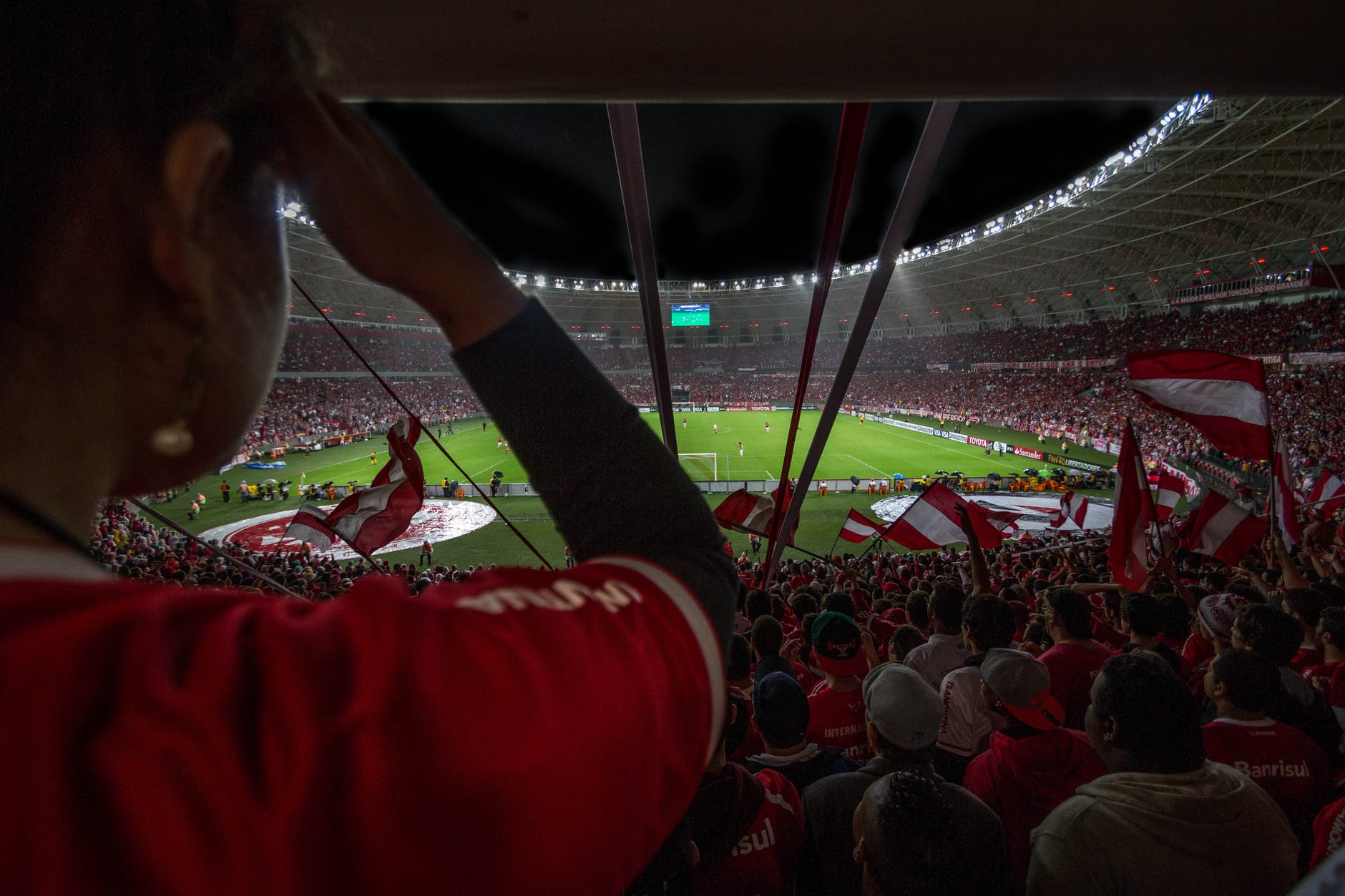
What is so great about working in sport?

For some of you, the answer will be straight forward, but for others, it may not be considering the impact sport has taken from 2020’s unprecedented circumstances. When we go through tough times, or things get busy, we often forget to smell the roses and remind ourselves about the beauty of our purpose. The sports industry is a prime example, for the average fan, you turn on the TV, stream the game online and take in the experience with your mates and loved ones. However, for the professionals working in the sector, it’s a different ball game. Such as turning up to the match-venue at the crack of dawn, ensuring every process like the event operations, ticket sales, stadium security and more are prepared and prompted to serve 10,000’s of passionate fans their beloved dose of sport!

This blog is dedicated to all of the sports marketers, events staff, administrators and further industry professionals who are instrumental to the final product of the beautiful game. Despite the industry proving to be as tough as old boots, it’s essential to take a moment to reflect on the beauty that working in sport has to offer. So, what is so great about working in sport?

It creates extraordinary experiences like nothing else

Sport is home to the worlds greatest moments, the FIFA World Cup leveraging a worldwide cohesion and technological advancements, bringing a new lease of life to fan experiences and not forgetting sports influence to impact lives positively. What we ignore is the amount of work and effort that goes into making these experiences happen. While watching the world cup, there’s a global operation taking place behind-the-scenes with sports industry professionals to capture the fans celebrating, processing the arrivals of supporters coming to the stadium and having oversight of the health and safety of customers. These are the most fundamental players in the industry; without them, there is no final product inside the sports stadium.  

It brings people together from different walks of life

It’s one of the most diverse and inclusive sectors in the world. It is bringing people from different economic backgrounds, ages and interests to engage through one medium of entertainment. Despite the challenges our world faces, with social injustice, monetary deficits and the global pandemic, sport is the key that unites us, individuals, together to have something to remain excited for. The stats speak for itself, upon sports return post lockdown, viewership figures and sports content consumption has hit an all-time high, demonstrating the appetite various audiences have to engage in the medium through any shape or form. Having a role to play in an industry like this doesn’t get much better, knowing you’ve supported the development of sport becoming an inclusion tool.

It’s an instrumental driver for positive societal change

Unfortunately, there’s been a high volume of social inequality taking place in our world, including Islamophobia, antisemitism, homophobia and much more. Sport is undoubtedly the most crucial influence to leverage social change for the better, by raising awareness of the issues the world is undergoing. Football and basketball are two specific sports that have championed the Black Lives Matter movement by taking a knee before match-play starts, increasing opportunities at the grassroots for more disadvantaged individuals to participate in sport and embracing the diversity they have across their workforce. This makes working in sport great because you’re an individual that’s actively enhancing equal opportunities throughout society through sport, something the world has been deprived of for some time.

It builds character

The sports industry is a tough cookie and an effective regime to build charisma. It’s one of the most commercially appealing sectors in the world because there’s a colossal reputation for it to fill. Throughout that process, you will develop vital skills that will not only mould you into your dream career but a better person than you were yesterday. Whether you’re an administrator dealing with a high volume of ticket sales, a marketer on a match day or a steward, you’re not only doing an excellent job at keeping the beautiful game flowing but also inspiring others to become a better version of themselves.


This week, I ran a campaign asking this exact question and above are my core values about what is so great about working in sport. However, below is a FREE infographic with some quotes from some of the most hard-working sports industry enthusiasts, to remind you about what the industry has to offer.

The AST wrap-up; a new era for fan engagement in sport

Motorsports new fan engagement initiative is set to captivate Gen Z audiences, ground-breaking partnerships are made in the MMA world, and sports stadium experiences are to reach a new level of entertainment.

AC Milan aim to boost fan engagement across Asia

Photo by Ju00c9SHOOTS on Pexels.com

Italian giants AC Milan are set to underpin their Asia fan engagement strategy with partnering alongside Casino and sportsbook operative, Yabo Sports. This collaboration has resulted in Yabo Sports joining the club’s virtual fan village for their digital summer tour this year.

AC Milan and Yabo Sports’ joint venture will support the growth of Milan’s brand presence across Asia through collective fan experiences. It opens up a realm of commercial opportunities for Milan to explore localised partnerships, raise its profile amongst the betting sector and adds diversity towards its partnership portfolio.

Formula 1 launches Esports competition to captivate further Gen Z audiences

Photo by Garrett Morrow on Pexels.com

Formula 1 integrates its brand one-step further into Esports with their new global esports competition, inspired by the F1 mobile racing game. The Esports incentive is free to download on mobile devices which will run over four months, which started this week.

F1 accumulated significant amounts of success from their Virtual Grand Prix series this year which has influenced the competition to unlock new a Gen Z demographic. The game will exclusively be played through the app, and no broadcasts will be covered, meaning the product will be organised, managed and delivered solely through the mobile world.

Eurosport India produces a ground-breaking deal with the Professional Fighters League

Photo by Bruno Bueno on Pexels.com

For the first-time, MMA will be broadcasted across Eurosport India through a multi-year partnership. This collaboration will see the Professional Fighters League’s (PFL) original programme content, Championship & play-off events alongside their classic fights aired through the Indian medium.

What does this mean for the PFL? Well, the PFL continues to make an illustrious growth in combat sport, following on from its broadcasting partnership with Telesport Russia. Plus, the league is working with global distribution agency Fighting Spirit to optimise the tournament’s media rights and partnerships.

The MMA industry is one of the most competitive in the sport, seeing the UFC lead the game, ONE Championship dominating the Asia region and now the PFL is taking appropriate action to embark its identity amongst similar global audiences.

Clap your hands for DAZN’s six-year deal to broadcast the handball championships

Photo by Bruno Massao on Pexels.com

Global streaming service DAZN has secured collaborative rights for the European Handball Federation club competitions with the marketing company, Infront Sports & Media. The deal will operate from 20-21 to 25-26 where Infront will sell the rights for the tournament.

Despite DAZN’s challenges throughout lockdown, they’ve remained proactive in leveraging the opportunity to become ‘The Netflix of Sports’ through their innovative business model which has been a game-changer in the sports broadcasting landscape. Under DAZN’s profile, handball could be set to experience a rise in its global identity from having its sport accessible by millions of DAZN consumers.

Google re-enters the digital sports landscape to optimise the NFL’s fan engagement

Photo by Caio on Pexels.com

Search engine giants Google have penned a multi-year agreement with Los Angeles’ SoFi stadium and their two householder teams, the Rams and the Chargers. The partnership will foresee the internet leaders underpin multiple business activations to enhance consumer experiences at the stadium. One primary activation includes the development of a ‘concierge’ app, supporting fans with stadium coordinates, ticketing, and food & beverage orders. Google intends to discover extensive media and wireless solutions to take the event experience to new heights, including replay accessibility, innovative camera angles and 4k mobile phone coverage.

Adding more string to the bow, YouTube has obtained rights as the official video streaming sponsor of the Rams, Chargers, SoFi stadium and Hollywood Park.


That’s a wrap! How do you think the Professional Fighters League will prosper under its new broadcasting agreement? Will stadium experiences break more headlines upon the return of fan attendance compared to results achieved with sports content and how advantageous will Formula 1’s esports competition be to grow its global distinctiveness?

What does sports ‘streamification’ hold for the future of sports broadcasting?

COVID19 has caused the sports industry to peel onto the next layer of ‘digitalisation’. Viewership records, online engagement and the appetite for sports content have hit an all-time peak. These events have leveraged technological innovation in sport, including sports content becoming ever-more widely accessible through a variety of mediums. This weeks blog will discover the impact that sports streaming will make across the future sports broadcasting landscape.

Photo by Tobias Dziuba on Pexels.com

Ecommerce giants Amazon Prime have made a lot of noise in the sports industry this year. They’ve secured a 35% year on year increase in subscribers, coming from their Premier League coverage. Since 2018, there’s been a 1.5m increase in homes that now obtain an Amazon Prime subscription. The channel has gained rights to exclusive sports content as well, including the Spurs docuseries ‘All or Nothing’ which has been instrumental in establishing their identity in the football industry.  

Photo by Blocki on Pexels.com

Streaming leaders Twitch are another medium competing across the streaming landscape. The Amazon-owned channel accumulates on average 175m daily users alongside 1.5m at any moment. Twitch has undergone a diversification strategy, seeing it launch a sub-channel entitled ‘Twitch Sports’, an initiative to captivate the sports content backdrop. The medium recently partnered with European football giants Real Madrid, Arsenal, Juventus and PSG to publish exclusive content through Twitch Sports. Over half of Twitch’s users fall in the 18-34 age bracket; this is a phenomenal opportunity for sports leagues to leverage younger Gen Z audiences to their brands to take their fan engagement strategy to new heights. 

Photo by Lucie Liz on Pexels.com

Sports streaming stats have hit the roof. 80% of sports viewers consume sports-related content through online devices, 56% of sports fans would prefer paying more for Over-The-Top (OTT) sports content channels compared to traditional TV channels and OTT TV and video revenue is set to reach $64bn by 2021. It’s a no brainer that streaming is increasingly in demand over any other method of watching live sport, which is swayed by the Gen Z demographic, young people and the transformation that digitalisation has integrated into mainstream media.

Photo by Pixabay on Pexels.com

DAZN are another global sports streaming service that has prospered hugely over the last few years. The aspiring ‘Netflix of Sports’ has immensely changed the way sport is consumed, particularly boxing. Boxing fans would usually purchase fights through pay-per-view (PPV) on Sky Sports or BT Sports box office. DAZN has revolutionised this through their monthly subscription model, allowing consumers to have access to a host of content for a lower price than a single PPV purchase. The international sports hub has also been responsible for boxings first-ever $1bn deal, seeing boxing promotion giants Matchroom Boxing increase their profile across the US.

Photo by JESHOOTS.com on Pexels.com

Even traditional broadcasters such as Sky Sports, BT Sport and ESPN are adapting to the algorithms of modern-day sports content. Sky Sports have recently announced a 25% price cut through OTT streaming service provider, NOW TV. Customers can now access 130 Premier League games alongside sports such as Formula 1, The Open Championship, World Darts Championship and much more. British competitors BT Sport are riding the OTT sports content wave by integrating their services across Amazon Fire TV, Android TV and Roku devices. This trend showcases the awareness of traditional broadcasters needing to change their strategy via their audience’s behaviours to access a more expansive suite of content through OTT platforms.

It’s clear enough that sports streaming has blown up due to its accessibility, convenience and inclusive content selection which scores them points over traditional sports broadcasters. Young audiences are becoming more influential in shaping modern-day sports content, who happen to engage positively through streaming mediums and eschew from traditional broadcasters due to cost and limited scope.

Photo by Pixabay on Pexels.com

With the booming demand for sports streaming, what does this mean for the future of sports broadcasting?

Firstly, the value in sports rights will change, including sports highlights becoming more value than live rights. As a Spurs supporter, I engage more with sports content across social media, YouTube and spin-off series compared to live sport which seems to be the case for the majority of other sports fans. Highlights vs live sport will become a large bidding space between sports broadcasters and streamers to engage current and new audiences to their mediums.

I believe young audiences across esports will transform into long-term sports consumers, esports the most significant ecosystem that withholds Gen Z, and younger demographics that traditional sports are enthralling right now.

With the growth of young audiences influencing sports content, this will have a polarising effect on broadcasters loosening their grip on their more senior audiences. Sports streaming is becoming more tech-savvy by the day, and a lot of its efforts are focusing on sustaining younger generations in the sector, leaving less attention paid towards their longer-term consumers. However, with the introduction of the Legends only League (LoL), this could turbocharge some nostalgia amongst those senior audiences.

Lastly, major traditional broadcasters like Sky Sports and BT Sport are likely to face more challenge to remain in demand for mass-market exposure. With the growth of Amazon Prime, Twitch and OTT subscriptions, the leverage will hold weight on that side of the scale for broadcasting activations.  

Photo by Harrison Haines on Pexels.com

The ‘streamification’ of sport presents an opportunity to leverage further inclusion across the sports market, speeding up the transformation of the industry’s evolution into an exciting global entertainment business, opening a realm of prospects for sport to become the most influential driver for online content.

AST weekly wrap-up; the youth continue to influence sports content

The sports and mainstream media landscape has experienced a groundbreaking collaboration, sponsorship agencies exploit the growing esports space and could Facebook be making a comeback in the sports content game?

US artist Travis Scott becomes a catalyst for young audiences in sport

Photo by Mikechie Esparagoza on Pexels.com

US music artist Travis Scott has struck a revolutionary deal with global fast-food franchise McDonald’s. This collaboration will see a new meal called ‘the Travis Scott meal’ at the fast-food chain that is inspired by the American Rapper.

The last celebrity to have had their name on the McDonalds menu was basketball legend Michael Jordan in the ’90s. Travis Scott has become a phenomenal asset in the sports industry recently, from featuring a virtual performance on Fortnite which accumulated astonishing results for the esports medium and establishing a co-sign with sportswear giants Nike with his ‘Cactus Jack’ sneaker collection.

Young tech-savvy audiences heavily influence the sports industry. Travis has this demographic at the palm of his hand, which mainstream media has identified to leverage new audiences to evolve into a global entertainment enterprise.

Football sponsorship agency SportQuake tap into the esports space

Photo by Lucie Liz on Pexels.com

SportQuake is in place to support the football industry’s evolution into a global entertainment business. They’ve recently launched a niche esports agency entitled ‘Esportquake’ to captivate opportunity across the digital sports landscape.

It’s no surprise seeing the growth of esports open up further commercial opportunity, considering its influence to combine culture and entertainment across millions of young audiences. SportQuake will be working with brands and rights holders to support their reach towards Gen Z and visionary audiences.

YouTube TV and NFL Network collaborate to optimise fan engagement in the US

Photo by Pixabay on Pexels.com

The National Football League (NFL) has penned a carriage agreement with YouTube TV to provide their subscribers access to live and on-demand content via the league’s channels. The NFL will deliver a host of shows including Good Morning Football, NFL GameDay Morning, NFL Now and NFL Total Access as well as live content.

The NFL currently leads the content game in the US; its games contributed towards 47/50 productions on national television in 2019. YouTube TV customers will receive the NFL smart app and NFL.com on PC’s, tablets and TV devices. 

The UFC targets the growth of Chinese Martial Arts ahead of the Olympics

Photo by Bruno Bueno on Pexels.com

The top MMA competition, The UFC announced an agreement with the Chinese Olympic Committee. This deal will witness The UFC to play an imperative role to train Chinese athletes for the postponed 2020 Tokyo Olympics and the 2022 Beijing Winter Olympic Games.

Specifically, Chinese athletes will receive a variety of treatments focusing on strength and conditioning, sports science, physiotherapy and nutrition. The aspiring sports stars can also expect customised training, daily coaching and optimised competition preparation and recovery.

This is not only inspiring for The UFC’s prospering relationship with China but also supporting the grassroots layer of Chinse combat sports. 

Facebook enhances revenue generation for the ATP tour

Photo by Isabella Mendes on Pexels.com

ATP Tour’s Tennis television streaming service has accumulated a 60% growth in revenue through increased in-stream advertising, during last December and May. Facebook has proven an interdependent part of their digital monetisation strategy. This includes the ATP Tour posting more content across Facebook for free. The ATP’s increased involvement with Facebook has also resulted in a 45% rise in followers, a 225% increase in video engagement and over 180m viewers watching men’s tennis content for one minute+.

ATP Tour has demonstrated a thoughtful approach to stay ahead of the digital marketing curve to grow the global profile of tennis. Facebook’s recent video monetisation incentive utilising in-stream ads could prove to be a game-changer across the sports social media game.


That’s a wrap! Will Facebook’s new monetisation feature prove a significant long-term impact on sports content? How will external sponsors associated with Travis Scott leverage opportunity from his current incentive and will the NFL’s partnership with YouTube support the game to stay ahead of the curve?

Khabib Nurmagomedov, what can we learn from ‘The Eagle’s’ attitude in and out of the Octagon?

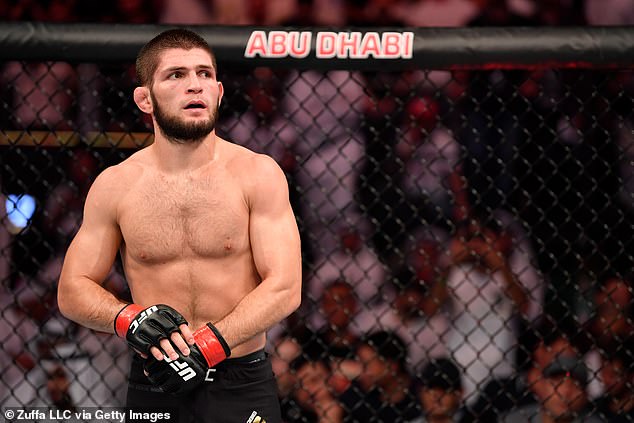
Khabib Nurmagomedov, commonly known as ‘The Eagle’ is the top-dog right now in the UFC and has been for some time. With a record of 28-0, his unique grappling fighting style has played an instrumental role to produce a prosperous legacy across combat sport. For me, what’s stands out, even more, is his attitude in and outside of the Octagon. He carries the religion of Islam wherever he goes, let’s his passion do the talking and embeds a humble presence through his persona and across his team. Khabib is an unorthodox type of character in an industry full of extroverts, loudmouths and big ego’s. Whether you’re an upcoming fighter, sports enthusiast or passionate about self-development, get your reading caps on as you’re about to explore how Khabib’s identity can help you strive for greatness.

Embrace your adversities

Photo by u0410u043du043du0430 u0420u044bu0436u043au043eu0432u0430 on Pexels.com

Khabib has grown up in one of the most war-torn regions across the globe, NE-Caucasus. His recently passed father, Abdulmanap Nurmagomedov, was a fundamental part of building Khabib’s resilience from a young age. The reigning lightweight champion wrestled wild bears at nine years of age, arguably the most significant assessment of any child’s character. Adding to the Russian’s crazy upbringing, he first taught himself how to swim by throwing himself into a river in his home town of Kirovaul. Six of Khabib’s childhood friends had sadly lost their lives in this river. The Dagestan local also regularly ran to the mountains and back, roughly taking 30 minutes each time. Abdulmanap installed a cut-throat discipline into his son at such a young age which mentally endorsed Khabib to carry a fearless attitude to life’s challenges.

What can you learn from this? By any means, I’m not saying go outside and fight a wild animal or put your life at risk! The point is to embrace your adversities as it will mould you into a stronger character, just like Khabib building a legacy that will go down in the history books of the UFC.

Stay humble

Photo by Noelle Otto on Pexels.com

Khabib has created an identity for being an introverted personality in the world of combat sport. He’s a man that prefers to let his passion do the talking, pays respects to his opponents and uses his platform to encourage others to establish a similar mindset. An example involves Khabib’s post-victory gesture against US MMA fighter, Dustin Poirier. The two swapped shirts after Khabib’s win and Khabib placed an auction for the sweater which sold for $100k, and he donated that money to Dustin’s charity, The Good Fight Foundation. In multiple press conferences and media interviews, the Russian athlete has actively promoted the importance of respecting your elders and those above you.

In a commercialised sector of sport, many athletes have allowed the increased fame to drown out their moral values. But not Khabib, despite being the poster boy for MMA’s largest competition, he still knows how to carry himself as if he was always the same young man on the come up to becoming a world lightweight champion.

Champion a cause

Photo by Konevi on Pexels.com

The undefeated Russian is a Muslim which has created a polarised the MMA fighter’s image in Russia due to his home country having historical conflicts with Islam in the 1990s. Despite that, he champions the religion of Islam with pride, showcasing it to be a religion of peace and nothing else. Many have made remarks to him supporting this cause, including Irish UFC legend Conor McGregor during the build-up of UFC229 making insulting comments about Khabib’s family.

Regardless of what you believe in, don’t let anything or anyone stand in the way of promoting that.

Introverts can win

Photo by RF._.studio on Pexels.com

In a world where it’s a game of ‘who can shout the loudest’, people like Khabib don’t need to by letting their passion show their skill. He’s a man of a few words, partly due to his broken English which deprives the opportunity to sit in more media interviews. However, it only adds more credibility to his unique persona. A moment which stood out for me was remaining composed during the build-up for UFC229 against The Notorious Conor McGregor. The Irishman made multiple attempts to trigger the Russian, including offering Khabib a shot of whiskey which goes against the Russian’s beliefs. Instead, Nurmagomedov rose above the tension and ended up being victorious, which has been an imperative event to becoming the cash cow of the UFC.


Khabib inspired me to write this blog as a lot of his inner-values resonate with mine. I consider myself an introvert that prefers to substitute talk with action, champion positivity wherever I go and embrace any challenge that life throws at me. I hope you also seek inspiration from Khabib’s core values, what resonated with you the most?

Ash’s five most essential sports industry learnings

Since the establishment of Ash’s Sports Talk, I’ve had the prestigious opportunity to interview 15 sports industry professionals across the world! The sports industry is a world which provides much emphasis on the final product that mass-consumers absorb. Still, not enough attention is offered to the hard-working industry staff that are making these incredible experiences happen. The advice I’ve garnered from each professional has been invaluable. It has leveraged my sports career ambitions to another level. For that reason, instead of a mid-week interview today, I’ve decided to dedicate this miraculous milestone to sharing my five most influential sports industry learnings through the conversations I’ve had.

Learning one; own your niche

Photo by Serpstat on Pexels.com

Several interviews I’ve held have discussed this concept, including Daniel Wood from the FBA, Preeti Shetty from The Football Foundation and Stefan Dagher. The sports industry is one of the most commercialised economies, meaning its sectors of work are a lot more specialised than other traditional industry’s. For example, if you’re passionate to break into marketing and communications, attempt to learn and experience as much as you can in that area, become your own master of that craft to give yourself the best chance to stand out. I’ve applied this to my journey from pursuing my own sports blog; it provides me with the opportunity to communicate my view on industry affairs but keeps my digital marketing skills fresh and developing.

Learning two; have something unorthodox to offer

Photo by Jou00e3o Jesus on Pexels.com

Asking yourself what makes you different than others is imperative to stand out in an ever-so-popular world of sport. The likes of Will Street from Aston Villa, Goran Milošević from FANNECTOR, Dominic Edwards from West Ham United and James Jeavons from Me and My Golf taught me this. Traditionally, I’ve noticed many people working in sport come from a predominantly sporting-orientated background. However, ever since the commercialisation of the sector, this has welcomed a wave of diverse individuals to enter the industry to bring value from external backgrounds. Like myself, if you’re working in an external sector to sport, don’t think of that as a setback, think of it as an advantage as you’ll naturally stand out from the norm.

Learning three; follow your passion

Photo by Ashutosh Sonwani on Pexels.com

I know, it sounds obvious and cliched, but it can often get overlooked which I found out from Michael Jackson from Elite Sports Marketing. During my career and life, I’ve been taught to play to strengths, and you’ll prosper. However, what if your ‘strengths’ lie in an area that you’re not passionate about? Eventually, you’ll likely find yourself to burn out and question why you’re bothering to continue with your current craft. I’ve applied this as I love digital marketing in sport, but I’m aware it’s not my biggest strength from a sector perspective. However, due to the passion I have for it, I understand with experience, my marketing skills will improve, which comes down to the love I obtain for the industry.

Learning four; prepare to adapt

Photo by ready made on Pexels.com

The sports industry is changing quicker than any world, considering its connections to multiple sectors across the working landscape. With change comes adaptation, such as the utilisation of technology and data to create some of the most innovative fan experiences and improve coaching interventions on and off the pitch. Both Steve Stone from The Army FA and Will Street shared this nugget of sagacity. This also synergises with learning point two, coming from an external background to the sports industry, will demonstrate your ability to adapt by working in a different sector. From my experience, the best method to enhance adaptation would be to keep updated with sports industry news, pay close attention to new features in technology and how the infrastructure of sport is changing.

Learning five; champion a personal cause

Photo by Pixabay on Pexels.com

Former Premier League star Jason Lampkin, Southall Athletic employee Harsimran Virdee and Professor at The FBA, Daniel Wood have all shared this. It makes sense, promoting a personal cause wherever you go in the sports industry will serve you well. It will be your niche to help you stand out, your motivator to keep you going when times get tough and provide you personal reward. For me, striving to make sport more inclusive on a broader scale is essential for me. This means encouraging more people to watch, participate and engage in sports content. Sport has proven to create the worlds most immense experiences; it would mean the world to me for this to continue.


Whoever’s reading this, I hope this has provided your value for your sports career journey to continue striving for greatness. I want to thank every sports industry professional who has contributed to my blog so far; without you, I wouldn’t have had the inspiration to create this piece.

The AST wrap-up; the sports industry’s evolving into an entertainment business

Sports streaming continues to evolve as a global broadcasting dominator, esports growth remains undisputed, and the women’s game becomes unified with the men’s through a new global partnership.

DAZN fly the flag to push sports streaming to dominate the broadcasting landscape

Global streaming service DAZN is confirmed to broadcast 45 German Bundesliga matches next season after securing a sublicense agreement with TV network Discovery. The international OTT streaming provider is has been experiencing rights uncertainty due to the impact that COVID19 has had on suspending sports suspension. DAZN Group is seeking a $1bn investment to continue their services for the foreseeable future, and the Bundesliga agreement will certainly add reassurance to the value the firm can bring to global sports consumers.

‘The aspiring Netflix of Sports’ have penned a 2-year extension and refurb of their current 10-year broadcast partnership with the Japanese top soccer league, J.League. This agreement could redefine the traditional sports rights model by purely focusing on fixed license fees. Music giants Spotify have allegedly inspired this new commercial model which has had a diversifying impact on the industry’s operations. DAZN are honing their efforts through a risk-reward approach to secure future rights and engaging content relationships.

FC Barcelona become the latest club to integrate their brand into esports

Photo by Soumil Kumar on Pexels.com

The Spanish giants haven’t hesitated from breaking sports news this week with Messi reportedly wanting to leave the club. However, this hasn’t fazed Barca from continuing to push boundaries in the esports landscape with gaming company Tencent. The collaboration will see the two parties explore possibilities across esports competitions, education and industry exchange. Barca and Tencent tied-up earlier this year where the gaming firm helped supply the Catalonian club with medical supplies to relief efforts due to COVID19.

According to market research firm Newzoo, the esports industry forecasts to accumulate $1.05bn this year. Barca remains more ambitious than ever to take their identity in the sector to another level as they plan to also partner with a Chinese esports team.

Singapore to ‘digitalise’ the annual marathon

Photo by Pixabay on Pexels.com

The annual Standard Chartered Singapore Marathon (SCSM) is currently exploring virtual alternatives to deliver the event due to COVID19. The main priorities at present lie with ensuring runners remain safe while experiencing the emotional reward, such as the feeling of passing the finishing line.  

Participants now have the opportunity to earn points through the digital event. Meaning they’ll be eligible to utilise these to purchase merchandise, discounts and other exclusive benefits.  The SCSM Virtual Club platform has launched which provides an avenue for sportspeople to track their running data and engage amongst their peers and competitors.

Despite this years SCSM marathon not being the same, it’s reassuring to witness the organisers make every effort to make up for the lost experiences through sports ‘virtualisation’.

PepsiCo become the latest body to revolutionise women’s football

Photo by RF._.studio on Pexels.com

US multinational food cooperation Pepsico strikes a multi-year deal with UEFA Women’s football. This partnership will see the US firm become the leading partner at the UEFA Women’s Champions League and UEFA Women’s Euro.

Pepsico currently holds the UEFA men’s champions league in their partnership portfolio with their Walkers/Layers snack brand sponsorship the competition. This partnership is a monumental step for the women’s game not only because of the profile that Pepsico accumulate but the fact they’ve become the first to unify their identity in the game with both genders. This incentive by Pepsico could fill be the trademark at filling in the void surrounding the gap in women’s sponsorship.

Spotify captivate their esports presence through new League of Legends music hub

Photo by Ivan Samkov on Pexels.com

Audio music dominators Spotify have established an innovative League of Legends (LoL) music hub following their Riot Games collaboration. Riot Games’ partnership with Spotify entails the music giants becoming an exclusive audio streaming partner for the LoL esports division.

Music has become an instrumental factor to illustrate one’s journey through sport and gaming, meaning this joint project couldn’t have come at a better time to connect diverse global audiences. This joint venture also continues to merge the sectors of tech, gaming, sport and media together to create an exciting global entertainment enterprise to set sport apart from other global industry’s.


That’s a wrap! Is DAZN’s innovative strategy sustainable for the foreseeable future in sports streaming? Will the SCSM becoming digitalised become a regular annual set up if successful? And, will the growth of esports and women’s football ever peak?

Fame MMA vs YouTube Boxing; the difference between ‘content creators’ and ‘influencers.’

Fame MMA is an official Polish Federation that organises various MMA fights amongst influencers, YouTubers, rappers and other celebrities. Does this sound familiar to something? Perhaps YouTube boxing?! I appreciate both YouTube boxing and Fame MMA have taken place in different parts of the world, but I can’t help notice clear synergies between the two initiatives. YouTube boxing has revolutionised the combat sports landscape, whereas Fame MMA has delivered the same but to a smaller degree. This weeks blog will explore the similarities between the two projects and what they demonstrate about the direction that the sports industry is heading towards.

Joel ‘JMX’ getting his hand raised after his victory against Wojtek Gola on Dec 14 2019, image found on Fame MMA UK’s twitter page: https://bit.ly/34HaXPX

Fame MMA and YouTube Boxing are two current campaigns that have differentiated the traditional combat sports world. February 2018 saw the first amateur YouTube boxing match between UK creators KSI & Joe Weller which has grown into a commercial enterprise for boxing. In June 2018, Fame MMA’s first bout saw Pro fighter Michał “Boxdel” Baron take on streamer Jakub “Guzik” Szymański. Since then, the franchise has expanded into the UK where other personalities such as gamer JMX and reality TV stars like Georgia Harrison, Sam Gowland and Dapper Laughs have fought in front of thousands of spectators.

Image of Jake Paul and AnesonGib at their first press conference ahead of Maimi Fight Night, the image can be found here: https://bit.ly/3gAT9Z7

How has this happened? Well, we live in an era where digital media has become influential at representing a brand’s online presence. The creators, influencers and celebrities named above have established themselves during a period where digital is at its peak, meaning their audiences are intensely engaged in their endeavours. However, YouTube boxing from a commercial perspective has proven to be more successful than Fame MMA. YouTube boxing has generated millions of online views, record PPV buys for white-collar boxing and attracted international exposure from various broadcasters including DAZN, Fite.com and Sky Sports.

Photo by Thibault Trillet on Pexels.com

Why might this be? Those who’ve participated in YouTube boxing have a much higher online presence than those associated with Fame MMA. With content creators like KSI, Logan & Jake Paul, AnesonGib is withholding millions of online followers compared to personalities like JMX, Georgia Harrison and Sam Gowland. Effectively, this demonstrates the difference in leverage between content creators and influencers in modern-day. YouTube is a broader platform where you’re likely to identify individuals creating a variety of different content, branching themselves to more diverse consumers through entertainment. Whereas influencers typically establish themselves through the reality TV route. Meaning it’s a tighter avenue to break through attracting an arguably more niche demographic.

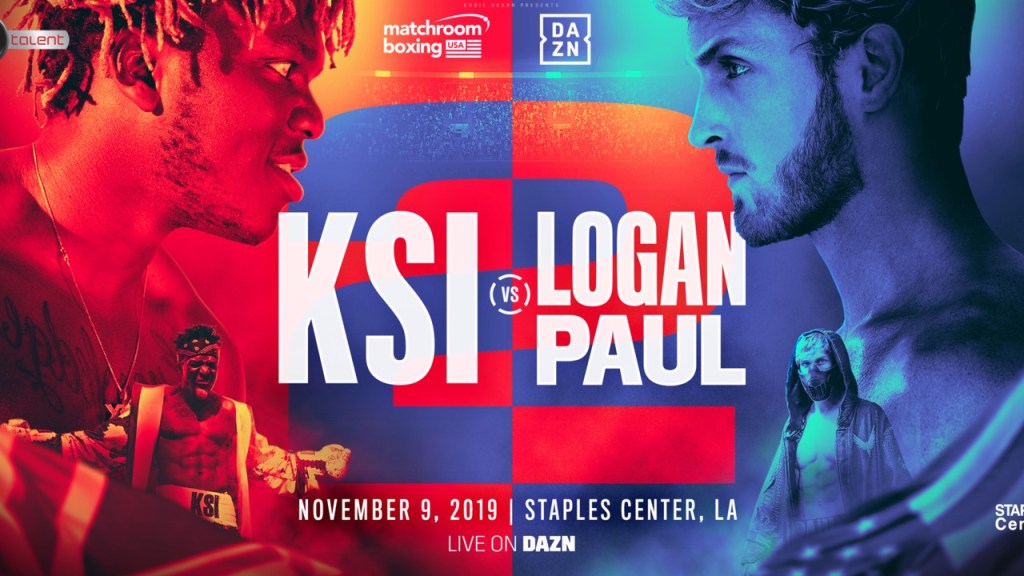
KSI vs Logan Paul 2 official fight announcement poster, image can be found here: https://bit.ly/3b4GBbr

This has led to YouTube boxing opening a macro-production behind its growth, with the backing of significant broadcasters including Sky Sports, DAZN and Fite TV delivering the fight through their mediums. Whereas Fame MMA took a different strategy to host an exclusive PPV avenue for consumers to broadcast their UK event, meaning they had fewer mass-marketing channels to communicate their occurrence to and fewer audiences to reach. Hypothetically, this is the domino effect of hosting an event with personalities that obtain niche audiences, meaning that global sports bodies are unlikely to demonstrate an interest in a micro-production with a low likelihood on ROI.

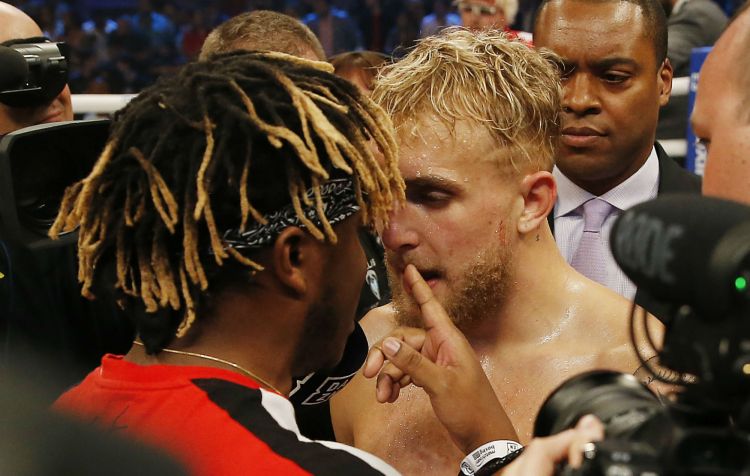
KSI and Jake Paul squaring up to one another after Jake’s one-round victory against UK YouTuber Aneson Gib at Maimi Fight Night

From the potential identified with YouTube boxing’s unprecedented growth, this has provided an authentic narrative for the campaign. It began with KSI and Joe Weller wanting to settle their issues in the ring, resulting in KSI winning. The Watford creator decided to call out US social media star Logan Paul at a time where he’d been involved in some controversial antics in Japan. In the latter part of 2018, KSI and Logan saw themselves receive a majority draw which happened to crush PPV buys, media distribution and online awareness to boxing. Late 2019 saw an official announcement by Matchroom boxing to turn this narrative into a professional fight, seeing KSI and Logan Paul fight again at one of boxings most respected venues, the Staples Center. KSI was victorious against Logan in the rematch, which drew Logan’s brother Jake Paul into the picture who is desperate to seek redemption for his brother loss. Jake would have this shot as long as he fights KSI’s friend and YouTuber AnesonGib, where the US personality beat him in one-round. In 2021, it’s highly-likely that KSI and Jake Paul will continue this innovative story to shock the world one more time.

Fame MMA arena shot from Poland, image can be found here: https://www.famemmanews.co.uk/fame-mma-poland

The element of a narrative lacked with Fame MMA. It appeared to draw influencers who had first appeared on popular TV shows such as Love Island and Geordie Shore more than 2-3 years ago. It’s arguable that Fame MMA could’ve been inspired by YouTube boxing’s incentive and MMA wanted to localise this broad movement in combat sport.

What can we learn from these two projects? It’s clear both campaigns have the right idea, they brought something unorthodox into the sports industry, which will naturally garner attention. However, to create something sustainable, it requires narrative, macro-awareness and results to evidence this consciousness. This is an edge that content creators have over influencers, they’ve built their foundations through a broader medium, gradually making a more extensive audience segment compared to the avenue of reality TV. Plus, the sports industry has built a relationship with content creators hugely outside of boxing, meaning its connection has leveraged a new wave of entertainment.

Ash’s mid-week interview with Dominic Edwards, an innovator for education in football

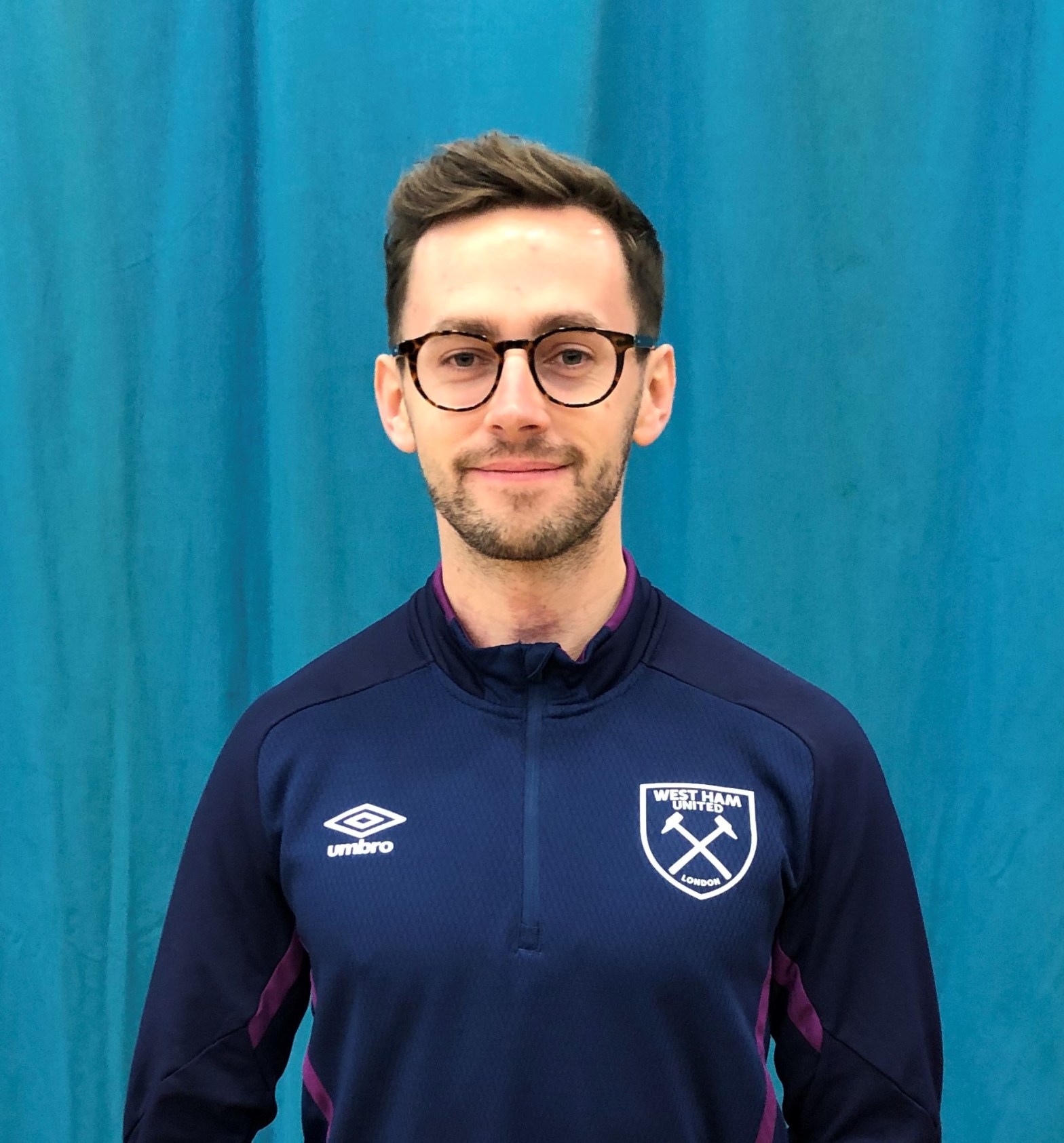
Happy Wednesday sports enthusiasts, this week sees West Ham United Foundation’s Higher Education Lecturer Dominic Edwards chat with me about his sports career journey. Dominic was once like the most of you, a young university student wanting to take the football industry by storm. The former football coach has been humble enough to share his sports career story which touches in the transition from being a coach to a lecturer, using tough times to your advantage and the importance of continuous professional development (CPD).

Q1) Dom, thank you so much for joining me, let’s kick this off with understanding a bit more about your career journey. Where did the adventure start for you?

My sports career started at the age of 15. I played for a football team when I was back in Cornwall, but they got disbanded. So, I ended up coaching 11 and 12-year-olds at this time. Coaching was something that I enjoyed even at a young age. So, I ended up coaching in grassroots football quite a bit which led me to get employed by the Cornwall County Football Association. I got paid then to deliver a local grassroots development programme.

I then went to Liverpool John Moores University to study coaching development, which was a fantastic experience, considering I’m a lad from Cornwall moving to a vibrant city like Liverpool. Thankfully, I had the chance to access a placement throughout my University studies. So, I worked for Everton in the Community, which was a brilliant experience in Liverpool with a completely different set of players and personalities. After University I then joined The Football Association. I worked as an FA skills coach specialising with 5-11-year-olds. I went into schools to help upskill and train teachers with teaching PE in primary schools. I ran my development centres and mentoring support for grassroots communities. I did that for three and a half years, and then I went off to do my master’s degree. I decided that I wanted to continue my education, and I was lucky that during my time in the FA, I gained a place on the UEFA B license. So, when I went up to Loughborough, which got me a job at Leicester city’s youth academy because I had my FA Youth award and UEFA B license while studying my masters.

After I finished my masters, I joined the Tottenham Hotspur foundation as a higher education lecturer, where I taught on their football coaching and performance module. I left there last August and then joined the West Ham United Foundation as their higher education lecturer teaching the sports coaching and performance degree as well as coaching the under 16’s at the women’s academy.

Q2) You’ve had a purely football orientated career path. At what point did you realise that football is the industry you want to work in and why?

I think a lot of people when they’re young they don’t always know what they want to do. However, I was fortunate. Even from the age of 15-16, I did my FA level one, and I realised that this was something I truly enjoyed.

I always loved football, but I knew that I was never going to be good enough to make it as a player. I began to think about how I can make football my career away from the pitch. I believe when people are 15-16, and they tell their parents they’re interested in being a coach, they’d get encouraged to go down the route of being a teacher. Back then, I would’ve thought teaching wouldn’t be for me, but ironically, I’m now a teacher. Although I’m still working in football, so I’m fortunate in that respect.

Q3) Brilliant stuff. Were you influenced by family members or friends to pursue a passion for football at all?

I wouldn’t say friends overly influences me. However, my dad used to take me to Plymouth Argyle FC as we had a season ticket, so I was always passionate about football. But growing up in Cornwall, there aren’t any professional football teams. So there aren’t many avenues or options for people that if they want to play football, or for a coach who wants to work in football, so hence we have probably had to move away to follow that dream.

Q4) While making the transition as a coach to a lecturer, what transferable skills served you well when evolving your role in the football industry?

There’s always an interesting debate around coaching and teaching and how similar they are. To me, there are definite similarities. They’re both about developing people, both by putting the person first and finding out what their needs are and finding out how you as the educator, coach, teacher or the lecturer can help them improve. I also think they inform each other.

Regarding transferable skills, the simplistic skills involved in both arts include listening, empathy, being able to see the bigger picture, and that’s for students and players. You need to know that what you’re teaching them, links to where you want them to go. For example, what do you want them to look like when they get to the end, and it’s the same with students. If I’m going to be providing sessions to most students, what am I going to deliver that will support them once they graduate and have a career in sport. Therefore, learn what that bigger picture looks like.

In terms of the transition, if you haven’t coached, it makes it hard to be a lecturer of coaching. And I believe if you don’t continue to coach or you don’t continue to work with players or athletes, it’s still quite hard to create those transferable anecdotes, that you can bring into the classroom. From my perspective, you need both coaching and teaching skills to be a successful lecturer.

Q5) You’ve coached men and women’s teams throughout your career. Talk to me more about the experiences and lessons you learnt about both target groups. Such as, did different styles of practice work better on one compared to the other?

I was asked this in an interview a few years ago, so it’s an interesting question. At the time, I said, that it’s precisely the same to coach male or females, this was the wrong answer as I didn’t get the job!

Now I think there are some glaring differences. If you’re working within the men’s game, there are performance programs for a men and boys academy. The aim of the boy’s academy entails on making it their career to be a player.

In the women’s game, the focus is slightly different as they’re more single-minded, and that is their key focus. But there’s still a lot more that goes on around them. For example, if you’re working with 15-16-year-olds who are taking GCSEs, you are dealing with a target group that have two focuses, their education and playing career. As the coach, you have to be quite aware of those external variables as well and how they can impact people coming into the system.

There are some physiological differences in the women’s game. For example, if I’ve got a 14-year-old girl who’s a right-back, I can’t be asking her to switch play and hit the ball across the pitch to the left-back. For both genders, there are different practices, tactics and adaptations that you’ll need to learn when picking up the game. 

More often than not, whether you’re coaching boys or girls, there will be similar interventions.

Boys are more likely to have had more contact hours by the time they turn 16, especially if they’ve been part of an academy or performance program. Whereas girls wouldn’t as their program is still relatively new. Therefore, they won’t have had as many contact hours.

Q6) While working at the West Ham United Foundation for 11 months, what challenges have you experienced and how have they made you a better lecturer?

It’s the same when you enter any new work environment; it does take time to embed yourself and to adapt to the way that things work. I’ve been at the foundation for nearly a year and what’s really exciting is that you start to build a connection around building your own ideas in terms of how things can grow and adapt. You then start to become more embedded, which is a positive thing. Regarding becoming a better lecturer, it’s about being given opportunities to work with a more diverse population.

I always say to my students that working in Academy football was excellent; it’s an exciting environment, however, what makes you a better coach or a better educator, at times, could be putting you in a small school hall with the children who don’t like football. This incentive will cause you to learn behaviour management skills, being creative and how to engage people differently. I believe there are parallels with that in terms of working at a larger university. You’ve got a lot of more diverse people there. I’ve come from a background of working primarily in football, and now it’s football and other sports as well, which is exciting.

Q7) As a lecturer, I can imagine it’s a gratifying experience seeing your students prosper and achieve their dreams. Could you share what this feels like from your perspective?

Yes, it’s brilliant when I think about some of my students in my previous role who have gone on to work. There’s some at Crystal Palace, Millwall and several other clubs across the Premier League and the Football League. It’s just brilliant to know that you’ve helped those people achieve their dreams because I know what it was like when I started. I did a placement during university, which then helped me gain additional roles. Experience is so important, and that’s what I try and provide for those students to secure positions in a highly competitive industry of sport.

It’s also lovely when students want to keep in touch and ask how I’m doing. Plus, it’s brilliant when students come back to share their knowledge from the industry. I think that’s really powerful.

Q8) How has COVID19 impacted your role currently, and how have you responded?

The academic year was coming to an end, so there wasn’t a lot left that we needed to wrap up. We managed to support the students fine in terms of presenting over video calls or submitting in different means.

The only thing it did stop was offering placements and allowing students to embed themselves in those placements. For example, we had international trips lined up, which couldn’t go ahead, this was a shame, but hopefully, we can do that next year.

In terms of supporting the students, we arranged bi-monthly catch up sessions for students just to touch base and find out how they’re getting on. I’ve just been trying to engage my students in CPD because, at the moment, it would be outside of the academic year. When students first come to university, most of them don’t know what CPD is. For example, I’d pick out a documentary on Netflix which resonates with a student’s interests and ask them to have a watch. Once they’ve seen it, I’ll ask them to feedback to me about what they learnt and found interesting. I also forward links with webinars and podcasts to listen to, to enhance their development. I believe the way that you have to engage students in CPD is through future learning and making it enjoyable. The great thing about webinars is that they’re really accessible. Plus, because of COVID, the majority of them are free.

Q9) From the pandemic, have you taken away any influential learnings? 

For me, it gives you those skills of being able to manage your own time a little bit better, such as cataloguing your day a bit stronger. For example, in the morning, I’m going to achieve 5 major tasks.

I’m better at time management, better than before! If anything, you probably become slightly more productive. When you’re at home, you create those to-do lists, and then you manage to tick those off. Other than that, it feels great. Time management and productivity have been the key learnings so far. Hopefully, this changes things moving forward, and employers in the future will be more open to staff working from home.

Q10) Reviewing your whole career to this point, what have been the main synergies and contrasts you’ve noticed working for a club foundation, The FA, football club and The Premier League?

Each organisation is very professional. When I left University, I went straight to a full-time role in the FA, which was a fantastic experience and it taught me what it was like to work for a people facing organisation, if that makes sense. So, not often do the general public or people in schools meet others wearing the FA badge on their chest, this comes with some pressure to act professionally. However, I say to my students not to always put too much respect on the badge. Growing up, I saw a lot of people wearing a Plymouth Argyle badge, and they were always idolised and thought of as top coaches, whereas anyone could wear the kit. Therefore, focus more on what that coach does and then make a judgement on whether you like it or not. The key is to practice being more critical and analytical.

The essential value for me has been not only professionalism but the ever-changing environment of sport. When I was 15, academy football would look very, very different from how it looks now. This is because of policies that are embedded, such as the EPPP and other changes. From my broad experiences at an academy level, each academy has different ways of operating. This is because they’ve got their academy philosophy, syllabus, and values. For example, the role of Head of Coaching at one club might look very different from the role at another club. For those interested to work in sport, understand what roles you’re interested in and learn what they require and what the environment looks like. For instance, if you want a role at the FA, focus on what that role precisely requires. Once you build a detailed insight, this will become very powerful as you’ll be able to work towards that goal effectively.

Q11) I’m aware you’ve come across multiple personality types and characters working in football. Could you share some insights around how you adapted from moving from one environment to another? 

When I left the FA I went for an interview somewhere, and the organisation said to me,” oh, you’re very ‘FA’ aren’t you?”. I couldn’t understand what they meant by that. Was it something positive? In due time, I realised they didn’t mean it positively.

I believe the way you adapt is through experience and trying to embed yourself in the values that the environment has. Plus, try to understand what that organisation is about. As previously mentioned, each organisation has different philosophies, values, and priorities. If you know the preferences of the organisation, it makes it easier to adapt. So if you’re going to enter an environment and you’re thinking, “this club environment is all about developing players for the first team, and they’re not overly bothered about holistic player development” this can be very different to your philosophy and your values. Therefore, also try to identify the organisations you want to work for and align them with your values as well.

Q12) From the perspective of a higher education lecturer, what would be your essential tips to pursuing a career in football?

Tip one, there are thousands of graduates each year who’ve studied sport. Think about how you can make yourself unique and why should you be employed as many people expect to come out of university and walk into a role. Unfortunately, the sports industry doesn’t work like that.

Secondly, gain vocational and additional qualifications which you might need. For example, if you want to work in academy football where you need at least a UEFA B license, getting a degree or master’s degree will help you. If you’re going to be a sports psychologist, having a BPS or similar accreditation will help you. Therefore, understand the field you want to go into and gain those additional qualifications.

Thirdly, start to build your professional network. This is essential in all careers, especially football. Therefore, think about volunteering which will be great to build your network. Give up your time for free; you can do this by contacting people on LinkedIn and finding opportunities to meet and share information. Or even getting in touch with people who host a webinar you’re passionate about. Also, ask additional questions to build those relationships truly.

Back to the first point about being unique, things have changed from the days where you would just be a coach. Now, you need to have robust and tactical knowledge. You’d also need to have that understanding of performance with sports science as well. If you don’t have those things, then someone else would be more likely to get the role if they do have the understanding.

The key questions are, why should you be employed? How are you different from other people? How do you stand out?


I’m not sure about you, but I was left speechless after absorbing this discussion with Dominic. He’s right, in every situation you should practice critical thinking which has been vital learning from my university experience. Plus, uncertain times like COVID19 don’t always have to be a setback; it comes down to your perspective of weighing the yin with the yang. On the subject of outlook, when pursuing your sports career dream, put yourself in the shoes of that person who should hire you!

The AST wrap-up; sport continues to act as a tool for worldwide development

Lockdown continues to influence the sports industry through multiple avenues. Viewership records in football reach an all-time peak in Europe’s biggest club competition, Spotify look to utilise sport to diversify their audience demographic and could we see a spike in value for sports highlights?

HBSC develops an organisation-wide strategy to defeat systematic racism

Photo by Belle Co on Pexels.com

Harris Blitzer Sports & Entertainment (HBSC), multi-sports property owners have invested $10m to combat systematic racism. This investment includes support to the newly-formed NBA foundation, financially supporting multiple programmes to empower black communities.

HBSC is also aiming half of their $10m investment to an innovative scheme to support black-owned businesses. The multi-sports team owners will be committing the remainder of their venture capital to the NBA’s Philidelphia’s 76’ers and National Hockey League’s New Jersey Devil’s. This will entail the creation of education and youth-orientated foundations for the teams to improve residential life in local communities.

Despite racism already causing unerasable damage, we must stand up against its negative influences. Sport will always have an instrumental role to play in our world, providing a profile to impact lives for the better. 

The return of the UEFA Champions League scores record domestic ratings

Photo by JESHOOTS.com on Pexels.com

Multinational sports television group Eleven Sports has recorded an illustrious set of results from the 2020 UEFA Champions League (UCL) returning. The network has gained a 40% rise in digital subscriptions, 4,000 new social media followers, during the finals of the competition and 165,000 viewers tuning into the system for the quarter and semi-finals.

French TV channel TF1 has had a revamp thanks to European Club footballs most significant competition. On average, 6.68m viewers tuned into Bayern Munich’s 3-0 victory against Lyon, while rival broadcaster RMC Sport witnessed their medium accumulate an average of 1.7m viewers for PSG’s triumph against RB Leipzig.

US network Univision and its TUDN FTA channel broke US viewership records for a live UCL semi-final with PSG’s 3-0 win against RB Leipzig at 879,000 viewers. Football’s largest club competition has brought outstanding viewership revenue and records to sports broadcasters which have never been seen before throughout this contemporary era of sport; it’s fair to say COVID19 has been a blessing in disguise!

Spotify aims to leverage a new audience in the sports media industry

Photo by John Tekeridis on Pexels.com

Audio streaming giants Spotify grows its sports offer through a new Daily Sports playlist which involves commentary and music. This venture will require a specific team in Spotify to select sports podcasts and shows to inform users while personalised music suggestions get developed.

This activation adds more string to Spotify’s bow to collaborate with US digital publisher Ringer. The US firm holds exclusive podcasts through Spotify’s medium which will also feature on the Daily Sports playlist.

Swansea City enlighten opportunities for local University students

Photo by Pixabay on Pexels.com

Earlier this week, championship football club Swansea City announced their front-of-shirt sponsor for the new season is Swansea University. The Welsh club has swapped their gambling sponsor for the first time in four years for a stakeholder in the education sector.

The Swans have also established the University as their higher-education partner, which leverages further opportunities for the EFL clubs U-23 and ladies teams to gain front-of-shirt sponsorship.

It’s positive to see Swansea AFC use their brand to influence opportunity for University students and making a bold decision to switch from the norm of collaborating with gambling firms. Could this spark a new sense of direction for football sponsorship?

Could video highlights become more valuable than live TV rights?

Photo by Riccardo Bresciani on Pexels.com

It’s a no brainer that the sports ecosystem is continuously evolving, from streaming services becoming a significant competitor for sports broadcasters, the rapid growth of esports and online content consumption.

WarnerMedia’s vice president spoke with SportsProMedia earlier this week. He discussed how broadcasters could monetise short-video content similarly to live sports events. In perspective, sports highlights play a significant role for a typical sports consumer. From being used in promotional trailers, uploaded onto online mediums soon after the live event and without fail, they can accumulate millions of views with little effort.

What impact could this have for the average sports consumers experience?


That’s a wrap! Could Swansea’s educational partnership with Swansea University inspire new ideas to diversify football sponsorships? Could we see Spotify’s competitors imitate their approach to reach further audiences in sport? And, will Bayern vs PSG (the UCL final) hold the all-time viewership record this season?