Ash’s mid-week interview with Cathy Long, an ambassador for diversity in sport

Cathy Long is the founder of the digital platform, Aposto, which connects event organisers and casual workers to enhance the fan experience during sports events. This week, I had the pleasure to chat with Cathy about when her sports industry began, her involvement in strengthening further diversity in the industry and the importance that operational staff bring to the sector.

Q1) Cathy, it’s delightful to have you on my blog, can you kick this interview off by sharing how your illustrious sports career started?

I’ve always had an interest in football and I have a season ticket at Anfield.  When the Hillsborough disaster occurred, I began to campaign for change in the sport and for better treatment of fans.

I joined the Football Supporters’ Association and I started to begin campaigning through my voluntary projects to strive for more support towards disadvantaged communities through football; this led to me having meetings at The FA and with the Leagues allowing me to get my message across. I also got involved in some freelancing work at various music and marketing organisations. Eventually, I ended up working for The Premier League as their Head of Supporter Engagement, where I directly managed the League’s relationships with clubs, fans and the other football bodies. I eventually moved into working for myself as a Consultant supporting various clients, including Spurs, Liverpool, Watford and many more prestigious football and sports clubs.

Now, I’m the founder of an organisation called Aposto too, a consultancy service for tech products and sports venues.

My sports career began because of my desire to make a difference in football from the Hillsborough disaster, but it was sustained through my passion for enhancing diversity in sport. I’ve been a Trustee for Kick It Out as I’m very passionate about combating social injustice, and I’ve also helped out The Shippey Campaign, an initiative supporting sports clubs to develop sensory rooms to enable autistic people to watch live sports in a more comfortable setting.

Q2) Your journey sounds so exciting and challenging. However, as a passionate Spurs fan, I’ve got to ask you more about your former position as the club’s Senior Consultant. What was the experience like contributing to one of footballs most successful stadiums in the industry?

It was amazing, once the stadium was completed, it looked as if a spaceship had just landed! It was a rewarding project to be involved in; however, it indeed presented its challenges, including a variety of technical issues which made it challenging for staff close to the venue’s opening. Another challenge was making the new stadium ensure fans felt at home, considering how everyone was used to White Hart Lane.

As a club, Spurs did their role really well. On the day of the opening, there was a high involvement of operational management understandably, with everyone arriving earlier to try and find their seats and how to get to them. It provided a fascinating insight into the operational challenges of a new ground.

People often ask about the football but my team and I hardly saw daylight, never mind the pitch!. This is the nature of the football industry, the majority of the time on matchdays mainly, you’ll find yourself active behind-the-scenes ensuring the operations remain smooth for the fans and guests.

Q3) Throughout your sports industry journey, you’ve worked with such a diverse clientele from organisations in sport, music and education. How beneficial has this diverse portfolio benefitted your career enhancement?

It’s been essential; I think a range of experiences working with a diverse group of people is critical; if this isn’t followed, mistakes can be made. I think of diversity as a demographic, its broad and includes listening to everybody irrespective of their background or career position. For example, matchday stewards have critical information about the operations of the stadium; ticket officers are vital to administering fans upon their arrival, and marketers are imperative to representing the image of a club. Whatever your level of the hierarchy, everybody deserves to be listened to.

Overall, having a diverse range of experiences has hugely benefitted my career as I’ve got to see the bigger picture of the importance everyone has at an organisation.

Q4) While working with The Premier League, I understand you had an instrumental role to play by driving significant change through equality and diversity. Since your work from that point, how much has diversity and equality grown in the top tier of English Football and what more do you believe could be done to enhance sport for development?

It has changed a lot; it was predominantly a white male environment when I first broke through. But it’s not as white as people think from the outside.  So for example there are quite a few Asian staff at the upper echelons but they’re working behind the scenes at football clubs. It’s a shame that some of these people aren’t more visible, as it would serve to encourage others to apply for jobs if they could see how diverse it is now.  .

If people don’t think your organisation is diverse, it’s hard to make it diverse, it sort of becomes a self-fulfilling prophecy and I think there needs to be a better understanding of that. But it’s changed a lot and we had to work hard to achieve that

The Premier League has been good with its reaction to the Black Lives Matter Movement, Premier League players have been listened to and feel in a strong position. Although, there must be further fundamental changes to develop the sport, such as more proactive measures around staff diversity and issues addressed about the lack of BAME coaches.

Q5) Your current role as the Founder of Aposto looks fascinating. Could you elaborate more about what value you guys bring to the sports industry and what does a typical day look like for you?

It’s a platform focusing on building connections between event organisers and casual staff. The purpose of the platform is to provide briefing and training for casual workers ahead of events—for example, stewards working at football matches.

Currently, during COVID, I’ve found myself sitting by my laptop most of the time, talking to software investors and continuously learning about the market while also speaking with some football clubs via Zoom calls.

However, due to COVID, it presents the perfect time for the service. There’s a gap in the market as from my experience, operational staff like stewards have themselves identified that not enough information is provided for them to prepare appropriately for matchdays.

The product will improve the fan experience by a smoother operation being delivered by the industry’s event staff, we’re looking to make a strong positive impact.

Q6) While you’ve achieved so much in sport, what more lies for the future of Cathy Long’s Sports Industry legacy?

If we can get Aposto delivering smoother matchdays, that would be great. Essentially, our job is to remain unnoticed as this demonstrates that no bad things are happening at the moment! If nobody hears about issues taking place from an operational perspective on matchdays, we’re doing something right. If Aposto can contribute to making crowds more diverse as well, this would be fantastic.

Q7) The biggest question of all, what is your killer piece of advice for any sports enthusiast wanting to break into a more competitive industry than ever of sport?

Two things, do it and get on with it. Get yourself out there, demonstrate you can communicate and voice your opinion about sport, talk to people at clubs and professionals in the industry. Plus, be specific, don’t just contact clubs and say you’re ‘passionate’, focus on what can you bring that is different?


What a fantastic interview with Cathy. She’s had an instrumental role in revolutionising sports’ image to where it is today through sport for development. She also provided an authenticity check about the nature of working in the sports industry and shows how important it is to stand up for what you’re passionate about, regardless of how big the challenge may be.

The AST Wrap-up: illustrious innovations continue to evolve the sporting landscape

La Liga football witnesses a groundbreaking partnership, Rugby’s partners continue to entice new audiences, Twitter gets a delicious slice of the Olympic games coverage, new sponsorship opportunities arise in esports, and the beautiful game is heading to Hollywood!

Valencia become the first La Liga club to create an AR partnership

Valencia CF player celebrating, image can be found here: https://bit.ly/36yWFlq

La Liga Valencia has formed a two-year partnership with Canadian tech firm ImagineAR, which will see the club integrate augmented reality (AR) content into their mobile app. The partnership will enhance Valencia’s digital fan engagement strategy through collaborating with ImagineAR to focus on AR-led campaigns via innovative marketing intelligence and insights.

The Spanish soccer team also established a joint venture with Non-profit firm, Start-Up Valencia to develop the VCF Innovation Hub. This is a project set out to promote pioneering activations from medicine to smart stadiums. It’s honourable to see Valencia not only strive to champion exceptional fan engagement through technology but using their profile to raise awareness of upcoming projects in their community.

Societe Generale banks on extending its partnership with the Rugby World Cup

Image found through the following article: https://bit.ly/33z3txs

French multi-investment bank Societe Generale extends its historical partnership by three-years with the Rugby World Cup to maximise impact for the 2023 event in France. It’s no surprise to witness this extension considering the tremendous economic outcomes produced in Japan last year. Some of the results consisted of £4.3bn generated towards Japan alongside the rugby fan base growing from 50m to 400m global supporters.

The French baking firm has been an advocate for Rugby, from the grassroots to the elite stage ever since 1991. This has leveraged the brand to become one of the most widely recognised sponsors in the game, which has been beneficial for the sport currently experiencing groundbreaking volumes of commercial interests.

Rugby is entering a new era where the sport is reaching new international territories through the power of mutually-beneficial partnerships and sponsorships.

Twitter to produce exclusive content for Tokyo 2021 & Beijing 2022 under NBC Sports

Photo by Pixabay on Pexels.com

US programming division NBC Sports and Twitter are partnering to power a wider Olympic audience for Tokyo 2021 and Beijing 2022. Games content will be exclusively available through the @NBCOlympics handle in the US while NBC Sports will lead on sales for Twitter’s in-stream sponsorships.

Twitter and NBC Sports will create daily programming on Twitter from each host city. There will also be a poll for fans to explore NBC’s Primetime/Primetime Plus broadcasts each night, accompanied with real-time video highlights per day alongside releasing pre-games content referring to previous Olympics coverage towards the build-up of the games.

This partnership should prove useful to captivate new Gen Z audiences to the Olympics demographic alongside Twitter accumulating the Olympic’s more senior audiences to their platform. Essentially, both parties are broadening their horizons through one global event.

Gaming giants Riot Games begin to integrate in-game branding opportunities

League of Legends snapshot, image can be found here: https://bit.ly/30PKk8U

League of Legends (LoL) has begun promoting sponsors and partners during in-game broadcasts. Global brands MasterCard and Alienware are already confirmed as in-game featured partners. The initiative has been labelled as some of the most valuable assets in Lol’s esports portfolio for brands to reach new audiences whilst doing what they love. Promoting stakeholders in-game also echoes a similar experience and energy for viewers that are found in major sports arenas, once again, esports fills in a gap for sports fans during lockdown.

The beautiful game is heading to Hollywood

Image of Jonathan Barnett of Stellar Group, this can be found here: https://on.ft.com/36Tc2VZ

Hollywood talent agency, International Creative Management (ICM) has penned a deal to acquire global football organisation, Stellar Group. The agreement now finds Welsh football sensation Gareth Bale join ICM’s roster involving Beyonce, Samuel L’ Jackson and 800+ other athletes accumulating to a contract value total of $3bn.

This collaboration has been formed to increase accessibility across the spectrum of entertainment, sport and branding for ICM’s global clientele. The Hollywood company has set their eyes on expanding management opportunities in the National Football League (NFL), particularly honing their efforts towards enticing New Orleans Saints quarterback Jameis Winston and New York Giants safety, Xavier McKinney.

We’re beginning to see more global agencies following in the Creative Artists Agency (CAA) and Roc Nation’s footsteps to develop multi-dimensional opportunities for sports stars to establish their brands into the entertainment industry.


That’s a wrap! How beneficial will Valencia’s recent partnership be for upcoming start-ups in their community? Is the sky the limit for Rugby’s international growth? What impact can we expect for Twitter’s demographic from them broadcasting Olympic games content? What commercial value is in store for esports in-game sponsor opportunities? And, are there any boundaries left for the growth of football and entertainment?  

Rating: 1 out of 5.

Chris Dolby on becoming the first Asian footballer to represent the football league

Chris Dolby is the first Asian professional footballer that the Football League has had the pleasure to witness while playing for Rotherham United and Bradford City. He now has oversight of the footballs first official club, Sheffield FC’s Community Foundation as their Director. Throughout this weeks interview, Chris discusses how his passion for the beautiful game began, his ambitions to grow Asian prominence in sport and the challenges he’s experienced throughout his professional career, on and off the pitch.

Q1) Chris, thanks for joining me at Ash’s Sports Talk. Can you kick this off by sharing how your passion for sport began? 

My passion for football began while I was at school. My mum had to take me to the local youth centre where some teenage boys had a football club. I was so much younger than them, and being the only Asian boy living in my village; the older boys were reluctant to let me play. Once I started to play, they soon realised I had a real talent for football so not only was I now accepted but I also made friends for life.

Q2) I can imagine being the Football League’s first Asian player must’ve been overwhelming, particularly in the same era as Ryan Giggs, Keith Gillespie and David Beckham. Could you share how this experience inspired you to want to make a difference for the Asian sports community at the time of getting your pro contract at Rotherham United?

Being the first British Asian to play in the football league was a real honour to me. 

Although I was adopted at the age of 2 months old, being brought up in a white British community, I still wanted to demonstrate to people that Asian children can play football. I did play against all the top players when we were coming through the ranks like Giggs, Beckham, Neville and Fowler, which is always something I remember well.

Q3) Seeing the growth that Asian participation in sport has made on the elite and the grassroots level is fantastic. However, what more do you feel needs to be done to unlock further opportunities for other upcoming young players who may be in similar positions like you once were? 

Better opportunities within specific communities are essential to help young children develop. Culturally I believe football and sport are now seen as a career opportunity. Integration is also vital for young Asian footballers to develop as players. I would always tell a young talented player to go and play at the highest possible level even if this means leaving your friends within your community.

Q4) You now work as the Director of Sheffield United’s Community Foundation and you have been for seven years. If there’s such thing, what does your role consist of each day? And, at what point did you recognise this is where your sports career purpose lies?  

When I finished playing professional football, I started to take my coaching badges.

I then went back into the world of professional football and did many different roles from academy coach, Club community officer, and brand/marketing director.

This has now given me excellent knowledge and understanding of how a football club should operate. My role as Foundation Director is to build the brand of the Worlds First Football club, on a local, national, and international platform. I now have networks all over the world from India, China, Qatar, and America. 

Q5) I understand you also had a stint as Sheffield FC’s manager for two and a half years. What did you learn about the difference between managing a club and leading their charitable arm? 

It’s completely different from any other job within a football club. The manager’s job is all about winning games of football. You are judged on results, so the pressure is always on the manager. In my opinion, managers do not get the time they need and deserve.

Q6) There are many positives throughout your footballing career. However, I’m interested to hear about the challenges you faced as a player and as a director. More importantly, how did some of these adversities positively transform your character? 

I learnt from a young age that people would use the colour of my skin to try and affect me as a person and as a footballer. This was very challenging for me to learn how to cope with the abuse, but over time I developed the ability to ignore the abuse and more importantly use it to drive me on to better things. 

Q7) Chris, from your life and career experiences, what advice can you pass onto the next generation of sports enthusiasts to pursue a career in sport?

I would encourage everyone to remember why they started to play sport. Never forget the love and passion for the game. As you develop as a sportsman/woman, the challenges become more significant, and you can lose the fact of why you started to play the game. Always try and enjoy the game even when faced with tough times. Believe in your ability even when you have seeds of doubt. Never stop working hard and giving 100%.


Wow, what a terrific interview from Chris. His work ethic, passion and talent in the game is unquestionable and second to none. The most vital learning I’ve taken away from Chris’ sports career has to be how he’s used his ethnicity to inspire others who may be in similar positions instead of shying away from it. Therefore, the bigger picture to apply in your work whether you’re a player, coach, or a professional is always to remember; life is what you make of it.

The AST Wrap-up: Sports sponsorship continues to fuel commercial growth

Generation Z continues to influence the digital sports landscape; tyre manufacturers continue to fuel sports sponsorship, Formula 1 looks to expand in South America, women’s sports sponsorship is on the uprise and Paris 2024 remains ambitious throughout COVID19.

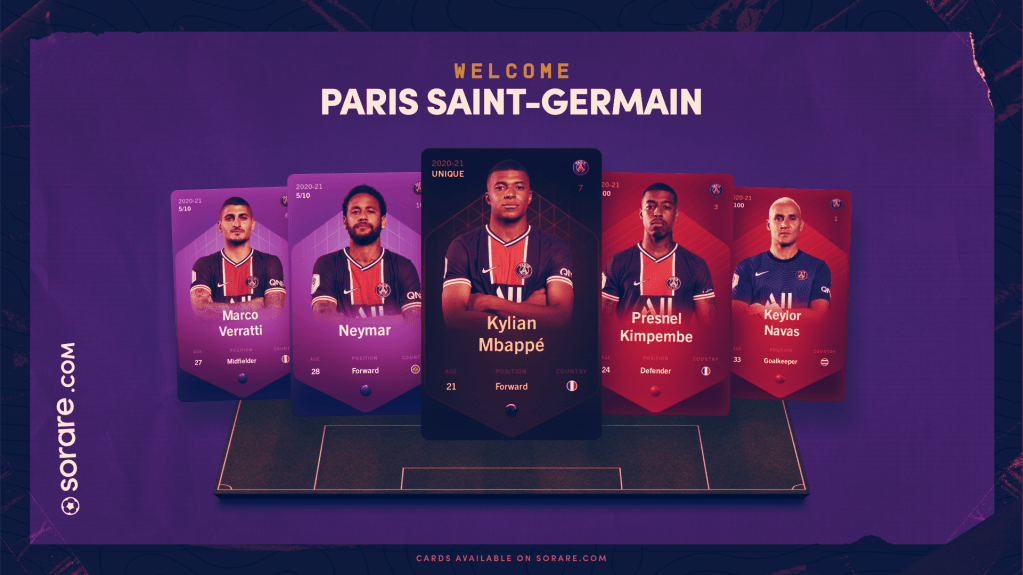
PSG become the latest club involved in revolutionising fantasy football

PSG welcoming announcement to Sorare. Image can be found on the following article: https://bit.ly/3jrSCuT

Sorare is a blockchain-based fantasy football game that’s exclusively launched in the US, and French football giants are the 100th club to sign on the platform. This initiative is significant for PSG to strengthen its global engagement strategy amongst Gen Z audiences across the US and Asia. At the same time, Sorare strives to become the go-to fantasy game to expand the enjoyment of live football.  

This week, PSG stars Kylian MBappe, and Neymar made Sports Pro Media’s top 50 list of the most marketable athletes, meaning this is a perfect time to have released this announcement as it will further prosper Sorare’s growth. Thus far, Sorare has experienced a $770,000 increase in revenue since December 2019, while currently obtaining 40,000+ monthly users growing at a rate of 52% each month.

The tyre industry continues to ride smart in the sports sponsorship world

Announcement of BKT sponsoring Euroleague Basketball, image can be found on the following article: https://bit.ly/3jsUbJ2

India tyre specialists BKT add Euroleague Basketball to their illustrious portfolio of sports sponsorships, seeing the automotive brand unlock rights towards EuroCup and EuroLeague competitions until 2023.

BKT will find their brand exposed inside multiple touchpoints where the above tournaments are hosted while being noticeable through LED systems, Television and the Euro competitions social media channels.

BKT withhold a distinguished reputation across the sports industry, as they hold current sponsorship deals with LaLiga, Serie B, Australia’s T20 tournament alongside six Indian Premier League Teams. The incentive to sponsor Euroleague Basketball keeps the tyre industry ahead of the curve to elevate their brand awareness further in becoming global sponsorship leaders.

Formula 1 looks to accelerate its profile in South America

Formula 1 racing shot, image can be found here: https://bit.ly/3lecQZl

F1 has agreed a five-year rights deal for Rio Motorsports to take over from current commercial broadcasters, Globo, alongside F1 launching their premium Over-The-Top (OTT) platform in Brazil. This agreement will likely see Rio Motorsports sublicence to pay-TV, free-to-air (FTA) and digital broadcasters across Brazil, expanding F1’s presence in the Brazilian market.

While broadcasting negotiations are underway, Rio Motorsports have ambitions to bring an F1 race over to Rio De Janeiro next season. F1 and Rio Motorsports partnership opens a realm of opportunity not only to bring world-class entertainment to South America, but it also unlocks a new International demographic for F1 to engage with which adds further inclusion to the sport.

CSM Sport & Entertainment is set to capitalise on women’s sports sponsorship

Image of Mel Reid from the following article: https://bit.ly/33oifah

UK-based Sports agency CSM Sport & Entertainment (CSM) has been appointed by The Ladies Professional Golf Association (LGPA) to sell the LGPA’s sponsorship packages. CSM aims to explore like-minded partners that are committed to ensuring the LGPA’s global fanbase is provided with value on and off the course.

CSM has also been appointed as The Women’s Six Nations exclusive sponsorship agency where they’re tasked to identify new commercial partners for the event. Currently, the Women’s Tournament hasn’t found a title partner since the Royal Bank of Scotland’s departure in 2018, meaning this is a new chapter for Women’s rugby under the strategic direction of CSM’s illustrious sporting portfolio.

Only 7% of corporate sports sponsorships are invested in women’s sports properties, which demonstrates to be an excellent time to capitalise in an open but fast-growing market of women’s sport. 

Paris 2024 remains ambitious to hit €1.1bn sponsorship target despite COVID19

Snapshot of Paris, image can be found here: https://bit.ly/2Gy9Xnr

Paris 2024 has announced French telecoms corporation Orange as the games latest domestic sponsor. This makes Orange the third sponsor in the games premium partner category sitting with banking firm BPCE and energy supplier EDF.

Paris 2024’s Chief Executive Étienne Thobois is confident that the games sponsorship revenue will contribute to a third of the entire budget for the competition, while ticketing and merchandising income are forecasted to contribute to 97% of the event costs.

Thus far, Paris 2024 is €500m into its sponsorship revenue which is very impressive considering the pandemic provisions causing concerns around current sponsorship prospects. With the Tokyo games being delayed until 2021, this provides the Paris games with some more leeway to recruit personnel staff, allows them more time to learn through an observer programme which is hugely beneficial to Paris 2024’s Human Resources Budget.


That’s a wrap! Will Sorare’s growth continue to soar throughout the pandemic? How will Euroleague Basketballs profile prosper under BKT’s sponsorship? What difference will Rio Motorsports make to Formula 1’s fan engagement strategy? Could CSM spark a new era for corporate sports sponsorship in the Women’s game and when do you think Paris 2024 will reach their target for sponsorship revenue?

SportsProMedia’s 50 most marketable athletes; what does this mean for the future of sports marketing?

This week, SportsProMedia released their annual list of the 50 most marketable athletes, fuelled by Neilson’s athlete marketability assessment methodology. The methodology covers an array of social media data, including follower growth, media value, content engagement and branded vs organic content over the last 12 months across 6,000 athlete’s Instagram accounts over 21 sports. Understandably, the list foresees some of sports most globally-recognised athletes making a list including Lionel Messi, Cristiano Ronaldo, LeBron James, Neymar and more. However, what does this list teach us about the future of sports marketing?

Female sports growth presents an enticing opportunity for brands

Image found through the following article: https://bit.ly/3ncVMov

A record-breaking 17 female athletes were featured in this years top 50. The third best-represented sport after football and basketball on the list is tennis, where Naomi Osaka, Coco Gauff, Bianca Andreescu are the ambitious women looking to become the queens reigning the sport.

Andreescu witnesses her social media following growing over 570% after winning last years US Grand Slam Open which was accompanied by an interaction rate of 23%. This lead to a commercial sponsorship opportunity with Rolex, Nike and BMW, which is likely to prosper significantly in the foreseeable future. 15-year-old Gauff broke headlines across the world by defeating Venus Williams on her way to the 4th round of Wimbledon last year, resulting in her following rising by approximately 1000%. Japan’s Naomi Osaka became the highest-earning female athlete this year, surpassing Serena Williams’ net worth at a total of $37m.

The female athletes who’ve appeared on this year’s record haven’t held back to shine while female sports coverage is at its optimum level. However, US soccer world cup winners Alex Morgan and Megan Rapinoe are the only women to have featured from team sports. Following the fast-growing fame, women’s sport is receiving; this demonstrates the potential female sports leagues and competitions have to grow, leaving a positive perspective for more female team athletes to make the list in 2021.

Only 7% of corporate sports sponsorship is presently invested in women’s sports properties, 2020 has been an era where change will continue the rise female sport, but grow the commercial opportunity for brands to reach new audiences through the medium.

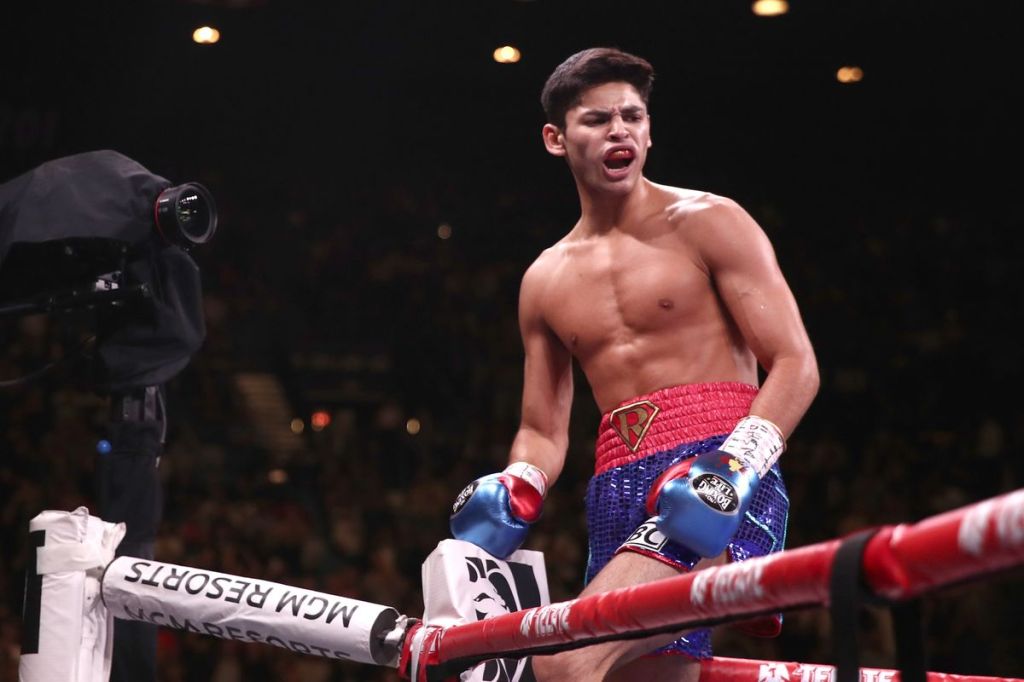
Boxing continues to run the combat sports scene

Image can be found on the following article: https://bit.ly/34hoiNf

Boxers Ryan Garcia, Tyson Fury and Anthony Joshua made the final 50 alongside MMA fighters Khabib Nurmagomedov and Jorge Masvidal. Garcia remains undefeated in 2020 after beating Francisco Fonseca in February, and Fury looks to retain his WBC belt in a highly-anticipated trilogy against Deontay Wilder while AJ could be taking on Bulgaria’s Kubrat Pulev in December. Khabib will look to remain as the UFC’s cash-cow for his upcoming bout against the US’s Justin Gaethjie whilst Jorge demands redemption after losing to Kamaru Usman in July.

It’s a close tie, but boxing continues to stay ahead of the combat sports curve with regards to its athlete’s marketability value. However, the UFC has been proactive with their sponsorship and partnership activations throughout lockdown. They announced their first-ever music partner in July with ACX music to form a music streaming app, enhancing their fan engagement strategy.  In September, they declared a multi-year training partnership with the Chinese Olympic Committee for Chinese athletes to utilise the UFC’s resources in preparation towards the Olympic games.

Boxing has also exploited opportunity throughout these times of adversity. It weathered the pandemic by hosting an innovative series of boxing events entitled, ‘Matchroom Fight Camp’ during August which sparked international interest for it to return next year regardless of the state of COVID19. It’s strengthened their eSports portfolio by announcing a new game called ‘eSports boxing club’, it’s been a long-wait for boxing fans to hear this news which rivals against EA Sports Fight Night. This incentive is an attempt for the sport to bolster its connection with Gen Z, a demographic it’s struggled to unlock for some time.

Combats sports will remain a competitive market for brands, sponsors and stakeholders to explore. The UFC and boxing are battling it out to stay ahead of the curve to claim the throne of the combat sports scene, which presents a more exciting era than ever to see the development of the industry.

Current commercial sponsors will continue to fuel football’s global image

Image found on the following article: https://bit.ly/2SmeCLW

It was hardly a surprise to see FC Barcelona’s Lionel Messi at the top of the list this year, considering the mass amounts of PR his almost highly-anticipated departure from the club gained not so long ago. Coincidentally, the Argentine forward exclusively featured in a Budweiser advert as their ambassador for a new product range a few days after announcing he’ll be staying with the La Liga Club.

Out of every athlete on the list, Messi has the highest reach and provides exclusive partners such as Pepsi, Adidas, Lays and Gatorade a combined online reach of 157m. On this note, brands in the following sectors of fast-food, alcohol and betting appear to dominate the football sponsorship landscape due to their engagement within sports fan culture. What does this mean for the future of football marketing? Essentially, the sport will continue to be fueled by these commercial sponsors rather than their being further diversity in the sector of football sponsorship, or sports sponsorship for that matter.


In summary, the 50 most marketable athlete’s of 2020 demonstrates the growth of women’s sport will benefit not only sport for development, but also commercial opportunities for sponsors to expand online reach. The combat sports landscape remains more exciting than ever, the margin for error with boxing and MMA remains tight for one to claim the rightful throne of the fight game. Lastly, it will take something extraordinary to revolutionise the current football sponsorship model regarding the sectors that fuel it.

Chris Smith chats about how far Football for development has come

This week, I spoke with the Hampshire FA’s Football Development Manager, Chris Smith. In this interview, Chris touches on the importance of volunteering towards leveraging your sports career, the critical values to practice for a successful profession in sport and the benefits of working in a small-scale environment.

Q1) Chris, thank you so much for joining Ash’s Sports Talk today. Can you tell the readers how your career in sport began?

I did a degree at Chichester University in sports science, which I was interested in when I came out of college. Despite there not being a massive connection between my degree and what I do as a job, it gave me a sports degree and transferable skills.

Coming out of University, I tried to get a job working for County FA’s as I was keen to explore what they did. I also had an interest in becoming a coach, I applied for multiple development based roles, but I found myself getting the inevitable response of not having enough experience, a situation most graduates find themselves in.

For a while, I found myself working IT, which did help me develop my technological skills in a business environment. After this, I took a career break for a bit and decided to go travelling to South America for six months. While in South America, I did some community coaching with a top-level club in Ecuador, which was very different from the top division in England; however, it was a fun and exciting experience. Coaching in South America opened my eyes to what Football is used for across the continent, at the time, it helped me stand out from the crowd, and it motivated me to get into Football.

I returned motivated to start my coaching badges and started enrolling onto coaching courses. Funnily enough, one day I got a phone call from a lady who currently works at the Hampshire FA mentioning a space had opened on a course which I was interested in. I remember saying that I was available, which I think she was quite shocked at considering the short notice. On that call, we got chatting about me being eager to work in Football, and she happened to mention a job role they had open, which I sent my CV over for. I got offered an interview the next day. Unfortunately, I didn’t get the part, but they saw my enthusiasm and decided to open a part-time development administrator role for me. It was only part time but thankfully I had supportive parents and it provided me with a foot in the door.

That’s where it started for me, and it came from applying myself to anything available. In six months a full-time football development officer role came up, which I received, and it’s led me to become the Hampshire FA’s Football Development Manager.

Q2) Throughout your sports career journey, how important was your University degree? What did it teach you about the bigger picture of sport and what skills did it provide you?

Throughout my degree, there was no sport development modules or degree for that matter. It wasn’t a field people were aware of; it was only a couple of years old at that point where County FA’s begun creating departments for those roles. A lot of people that study sport at University go in with the mindset of working in an academy. However, the avenues you could go through were limited. Now, the accessibility and routes to pursuing a career in sports development have opened up massively, ever since Universities have been made aware of it.

In terms of general skills, I have to write reports regularly for The FA, Hampshire FA’s board and external funders. At Uni, writing reports and applying critical thinking stood me in good stead to take on this responsibility at the Hampshire FA. Also having a hypothesis you’re going to test, such as running, monitoring and evaluating a program and using the results to inform future delivery comes from my University experience. Even working in IT helped me to this day, working in a project planning environment has enhanced me organising certain phone lines being installed into our offices and assisting others in getting set up from working at home.

You’re learning all the time. In the last five years, we started talking about customers rather than players and coaches. Football has evolved from the ‘they’ll come to us’ mentality to ‘how do we make the process as easy as possible for someone to engage in our sport’. This is where any experience you get can be utilised to help you deliver in a facility, the broader the understanding, the better.

Understanding how you connect the dots is critical. It’s not enough to just have a sports degree, think bigger about how your experiences make you the best person for the role. I’ve also learnt about the importance of volunteering; it helps hugely to fill in knowledge gaps.

Q3) What message do you have for sports enthusiasts that can raise the awareness of the benefits behind volunteering, despite it involving the individual giving up their time for free?

You can’t underestimate it. I don’t mean that in a derogatory way, because I still place a lot of value on obtaining a degree. Like I mentioned in the previous question, the importance of skills you pick up in an environment are vital for moving forward. Volunteering should be approached with a long-term mindset, such as,” I may not be earning anything now, but I will gain invaluable skills which will stand me in excellent stead for my future career”.

It’s a chance to go through the process of understanding what skills you need to get your dream job and turning them into your strengths. Once you’re in that process, you can close the gaps between your current experience and the experience required to achieve a role in this industry. I appreciate its hard while you’re at University, particularly in your final year but its also essential to make sure you’re ready to get your foot in the door. This is what I emphasise to the football studies students now when I attend Universities on behalf of the Hampshire FA; I make them aware that sport for development is a viable career path to work in Football that you might not have considered. By the County FA collaborating with the University, we provide opportunities to gain experience in year one and year two, that will help students stand out from the crowd. This works well as if we advertise a job opportunity tomorrow; we’ll probably get 40 applicants from former Solent students.

Due to COVID19, volunteering is going to become even more critical because there’s going to be less professional staff across sport, due to funding cuts. County FA’s will need to put themselves into a strategic position to influence as many people as possible to volunteer. Hampshire FA will need to encourage clubs to continue delivering sessions that specialise in areas which volunteers usually fill in the gaps for. Therefore, without volunteers, it would detrimentally impact the delivery clubs are producing on a grassroots level and beyond.

From a broader perspective, volunteers bring an element of enthusiasm, expertise and passion that is hard to find elsewhere.

Q4) While progressing your way up the football industry ladder, what values have been instrumental to your career development?

For me, ownership, practising a positive outlook, and problem-solving are key within my Football Development Manager role. These are what I pride above other values, but I appreciate you need a mixture. As a team, the Hampshire FA will sit down around the table and discuss what our culture is and whether we want to tweak things. Taking accountability for the successes and challenges of an organisation is also imperative. There are all sorts of elements that need to be built around strategies, such as planning effectively, utilising your time to understand when you could draw in other people and the importance of working in partnerships.

The core of everything sits with the mindset, not to be fazed by challenges and obstacles. Instead, start thinking about how you can work around them. Understanding when to stop is a very reputable skill, having the bravery to say I can’t overcome an issue on your own take’s guts. However, if I were asked this question in an interview, I’d probably answer leadership to be the essential value. I’d say I’m a believer in leadership over management, despite there being connections between the two. I always look to understand how I can delegate power across my team, rather than telling people what to do, I prefer to allow others to generate solutions themselves. I’m always open to helping other people around me improve and develop themselves, which they can only benefit from in the long run.

These values do vary for different roles. If I had to pick three of the most instrumental values, I’d go with appreciating the bigger picture to have enough knowledge to shape and bring things together. However, sharing responsibility across your team and trusting those individuals to do their part is essential for career development. But then ultimately, practising a culture where a problem is viewed as a challenge to overcome will serve you well.

Q5) The great thing about leadership within small-scale environments is you find yourself close to critical decisions being made. Has this experience benefitted you well at The Hampshire FA?

Yes, I am someone that responds well to that. This refers back to what I said earlier about having an understanding of what you want to develop and the organisation you work within, match the two together and find the opportunity. If you can’t find that opportunity to stretch beyond your means, it may be okay as you could have enough on your plate as it is, but after a while, you are going to get bored, therefore, don’t get too comfortable.

At Hampshire FA, we are a relatively small organisation so the hierarchy is very accessible; we’re able to communicate upwards. However, before COVID we were growing, we’re now split across three sites, and we’ve got double the staff we had 18 months ago. This means we have had to adapt our communication pathways and make sure they’re feasible, which was a positive learning process.  

I would only ever want to work in an organisation like the Hampshire FA; this is perhaps where IT didn’t work for me. IT was a closed environment, I’d come in, answer phones all day, process several emails, and that’s me done. I didn’t have the power to reflect on a project and produce ideas on how we can do things differently, hence why I love my work at the Hampshire FA.

At Hampshire, I can shake things around; which is what we try to embed with our involvement with Solent University students. For example, we would look to give students the autonomy to shape their projects, and most have responded to that positively. Some have found it daunting as they feel like they don’t have enough experience. We then identified students look to us to make those decisions, which was a learning curve.

Q6) If there is such a thing, what does your role as a football development manager look like? Plus, how does your position contribute to the bigger picture of The Hampshire FA?

My role is incredibly different than usual at the moment. I’m a strategic lead and have a role in leading my team which includes ensuring we have the right people in place, we get the freedom to decide that for ourselves with the funding, we receive from The FA for hitting specific KPIs and we get allocated some programmes, for example Charter Standard and Wildcats, that we have to deliver. It’s my job to have oversight on our budget, what resources are available, who’s best fitted to manage a programme and, then to review each progress against the National Game Strategy. To achieve our KPIs, we must delegate the right responsibilities to the right people based on their skill sets, expertise and ambitions. That’s the starting point of my role.

The next part is to look at the planning process. Ensuring there’s collaboration across the board, for example, confirming that our disability football development officer is connecting with our women and girls officer when it comes to delivering a disability wildcats session. Essentially, I’m fostering a culture for our football development officers to make sure it happens without me needing to prompt them. However, I also have a line management element to my role by facilitating 1-1 support with my colleagues to ensure they can do the best job possible. I contribute to the bigger picture by fostering good ideas, from using my experience within the industry to help devise tactics and strategies to achieve our KPIs. This is all a part of the planning process.

I must understand the bigger picture of where we are being effective in terms of where our KPIs are connecting well on a national level. If programs aren’t working, I need to feedback on my team’s behalf to influence change. I also answer to several national managers who specialise in certain areas, eg. Coach Education or League and Club Development. As you can tell, I’m a Jack of all Trades!

Q7) While serving The Hampshire FA for nearly 14 years, what have been some of the biggest challenges you’ve experienced that have developed your mindset in the football industry?

It’s been challenging to change the perception of what a County FA is. Unfortunately, those that know we exist often do so for the wrong reasons. E.g. receiving a letter about a player needing to pay a fine for a booking, disciplinary hearings, etc. We need these regulations in place to ensure the game is administered but, we want people to recognise County FA’s as organisations which stand for positively influencing members of the community through Football. We’re getting better at showing how a County FA can support your local community members, however there’s still a way to go.

Football will always be on a pedestal, considering the fluidity of its landscape. Therefore, adapting to changing priorities has been a challenge not only regionally, but nationally. A prominent example is the Black Lives Matter movement; this has proven we have to change and find the right way to lead by example. Also, with COVID-19, we’re aware we don’t have expertise available to us as we’re not medical experts, but we’re held responsible as we are disseminating the information provided by The FA and DCMS which is a challenge. Therefore, we have to process information quickly, learn as we go and consult with experts where we can.

Overall, the biggest challenge falls into creating a perception of what a County FA is and to keep ourselves relevant, so people listen and value us as experts in our field.

Q8) Football is always working to make the game more inclusive to a broader market. Could you share some examples where the Hampshire FA have engaged an underrepresented target group through the sport?

We’ve had some significant successes, but there are some elements of inclusion which Football hasn’t impacted on yet. The growth of the women’s game has been excellent, not only on the pitch but from a local perspective, we’ve witnessed an increase in more female coaches, administrators and referees. FA research has shown that although some young girls are comfortable playing in mixed teams some aren’t so it has been important to provide the 5-11 age group with a female only, relaxed environment to start playing through Wildcats.  This has been a great foundation for development in competitive girls football but girls can move into this when and if they are ready to do so.

We’ve had success with coach development too. Our introduction to level 1 coaching sessions gave female coaches the opportunity to find out more and dispel some reservations they might have which has acted as a stepping stone to get into coaching courses. These female coaches that are delivering sessions to locals in the community become role models for the next generation.

The refereeing side of things has taken a step forward as well. We applied similar principles to coach development, holding a welcoming workshop to break down any barriers and then the next step was to progress them to obtaining qualifications to referee.

There’s been lots of development with disability participation. We’ve collaborated with the Saints foundation to create the county’s first PAN disability league which has filled a real void and it’s been delightful to see it grow into building a prosperous community.

Q9) Final question, what is your essential sports industry guidance for an enthusiast wanting to break into sport?

Value self-reflection. Line yourself up to what you want to do now and long-term, and identify the gaps in knowledge, think about utilising opportunities to volunteer, which will help connect the dots. Think outside the box, for example, how can I build up additional skills outside of the office. Focus on understanding the process behind things, for example, how a County FA operates, the procedures football clubs take before and after match days etc. Lastly, always think about what you can do to stand out.


Incredible, this was a phenomenal discussion with Chris that has taught me many lessons to take my sports career ambitions to the next level. The most important learning I’ve taken away is the definition of leadership; it doesn’t have to just exist at the upper-echelon of an organisation, it can be something that’s embedded across every individual at a company. Plus, in the football industry, it’s continuously developing which means you can never be a ‘know it al’, instead, remain eager to learn and nothing can stand in your way to turn your sports industry dream into a reality.

Continue reading “Chris Smith chats about how far Football for development has come”

The AST wrap-up: the game continues to be revolutionised

Cycling experiences ground-breaking results with the Tour De France returning, Stevenage FC could arguably have the marketing campaign of the year and fan engagement better watch this space with an extraordinary partnership across motorsport.

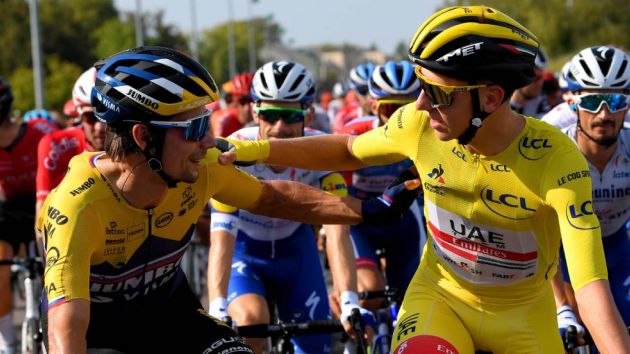
Tour De France smashes viewership records on its return

According to L’Equipe, over 40m viewers tuned into France Televisions (FTV) coverage of the three-week-long cycling tour. Despite the long wait for cycling fans, FTV’s total viewership expanded by 21%, but even more impressively, Eurosport experienced an extraordinary 74% uprise in viewership, seeing the pay-TV broadcaster accumulate 3.4m viewers. 

Regardless of the challenges the tour has faced with its postponement, it has achieved some ground-breaking results since its’ return which has potentially acquired new audiences. Eurosport also found an audience peak of 362,000 viewers for stage one of the tour. After the opening stage, 3.19m viewers stayed to watch the Grand Depart on FTV2 while 2.66m waited to watch the post-race Velo club.

DAZN sells it’s football-focused platform Goal to exhilarate their focus towards becoming ‘The Netflix of Sports’

Found on https://www.sportbusiness.com/news/dazn-sells-goal-and-other-football-sites-to-tpgs-integrated-media/

Global sports streaming service DAZN has penned an agreement to sell their digitally football-focused platform, Goal, to a specialist digital media investment firm, Integrated Media Company (IMC). The purpose of this new venture is to create new digital opportunities to entice the soccer fan experience and to create an uprise in the popularity of soccer across growing markets.

Goal being placed under IMC’s strings allows DAZN to focus their energy on strengthening the power their digital platform has across all sports. DAZN has concentrated heavily on revolutionising the traditional boxing model from PPV to paid subscriptions; it now has the opportunity to think similarly to encourage new audiences from the footballing landscape to transition from significant broadcasters to their OTT platform.

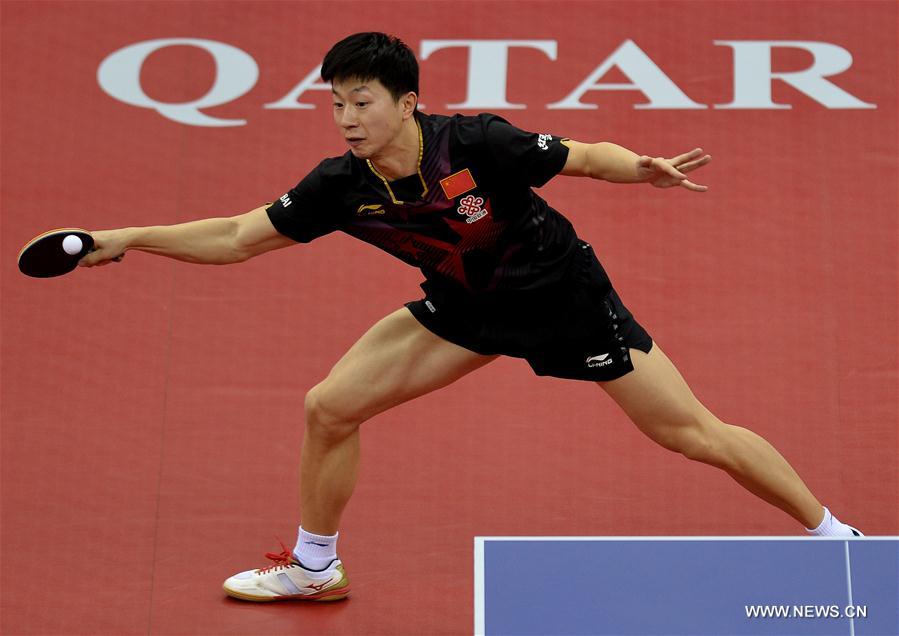
Exciting times lie ahead for the future of Qatar’s sporting ambitions

Found on: http://en.people.cn/n3/2016/0328/c90779-9036435-15.html

The 2021 men and women’s Table Tennis Championships are expected to be hosted in Qatar next September, confirmed by the Qatar Table Tennis Association. Qatar beat both China and India for the bidding of this illustrious event, which provides Qatar with an enhancement in their sports events portfolio to build on from hosting this occasion in Doha back in 2000.

QA is utilising the sports landscape to create a continuous dialogue to diversify its economy and revolutionise its global profile under it’s National 2030 plan. The 2022 FIFA World Cup will be instrumental towards this objective alongside their ambitions to host the 2032 Olympics.

Burger King’s ‘Stevenage Challenge’ could be the most imaginative marketing campaign this year

The Stevenage FC challenge: Stevenage Challenge” by DAVID The Agency for Burger King | The One Show 2020

Global fast-food franchise Burger King has broken sports marketing headlines this week for their innovative’ Stevenage FC’ challenge. Burger King began sponsoring the fourth-tier club at the start of the 19/20 season. The ‘Stevenage challenge’ entails in utilising FIFA 20 Players to use Stevenage FC in the game and share video clips online of them scoring goals to receive exclusive rewards from Burger King in return.

The purpose behind this incentive was to increase Stevenage’s online presence through the game, which does the same for Burger King as the club’s front-of-shirt sponsor. The campaign acquired revolutionary results, including over 25k goals shared online, Stevenage FC being the most used team in the game and for the first time, their shirts had sold out.

This success has demonstrated how creative you a sponsor can get despite not having a deal with a major club. If anything, the reason this was so impactful was that Stevenage is a lower league club, meaning that interacting with such a team will gradually garner substantial volumes of attention within the gaming community. It could spark a new strategy of thinking for sponsors to leverage their online brand identity proactively.

Audi Sport to dominate motorsports fan engagement through OTT platform launch

Image found on https://www.prnewswire.co.uk/news-releases/audi-sport-launches-dedicated-ott-channel-with-motorsport-tv-804175520.html

Audi’s high-performance subsidiary, Audi Sport has launched an OTT Channel called Motorsport.tv through a partnership with Motorsport Network. This collaboration allows fans to experience behind-the-scenes insights to events such as the Nürburgring 24 Hours race, Formula E, DTM and customer racing events.

Motorsport Network has a lucrative reach of 56-million consumers within their monthly audience, providing Audi Sport with a remarkable opportunity to expand its reach across new geographics rapidly. To sustain this new audience, Audi Sport will gain exclusive access to Motorsport Networks global production platform, Motorsport Studios to establish targeted digital content.


That’s a wrap! Could Qatar become the new global leaders for delivering sports events? What impact will be produced in the sports sponsorship landscape post to Stevenage FC & Burger Kings collaboration? Lastly, will DAZN’s incentive to sell Goal prove efficient to become ‘The Netflix of Sports’.

What can sports marketers’ learn and apply from the new Netflix documentary, ‘the social dilemma’?

Netflix’s new documentary, the social dilemma, attempts to exploit the methods which technology leaders have utilised human behaviours and emotions to influence how we act. In this era of ‘digitalisation’, it’s prominent that AI, technology and social devices are several steps ahead of the human mind which leaves the future of our society in an intriguing position. Despite the unprecedented fear this docu-drama has injected in our veins, we can still continue to utilise social media (SM) to our advantage, particularly as a sports marketer. Here’s how.

Data, data, data!!!

Photo by Pixabay on Pexels.com

The social dilemma revealed that the data stored on SM mediums are applied to create a psychological profile of their consumers. This profile is then utilised by SM companies to sell the user a concept, which gradually builds a slight change in behaviour and perspective, which is how organisations in that space accumulate revenue. However, in the football industry, hardly any of their income is produced through their online fan engagement activities. This is precisely why the sector has experienced such a deficit throughout COVID19 due to the lack of match-day revenue.

According to Goran Milošević, founder of fan engagement tool, FANNECTOR, discovered that majority of football clubs digital marketing efforts are focusing on capturing match-day content.  Approximately only 10% of football clubs digital content is fixated on engaging with their fanbase. It’s easy to think with thousands of likes, comments and shares across football content that clubs are doing a great job at interacting with their fans. However, they’re practically anonymous supporters to the club

How does a sports marketer move forward with this issue? They must encourage their teams to become proactive in collecting and owning data to form personalised psychological profiles of their supporters progressively, to better target each supporter with personalised content affiliated with the club. E.g. If fan X usually drinks a Corona Extra beer while watching the game, that club can target that supporter with various forms of targeted advertising, to ensure they’re optimising that fan to have the best experience possible. This will result in a higher likelihood of securing a strong commercial return and a better connection with their overall fanbase.

Redefine the meaning of Corporate Social Responsibility

Photo by Sharon McCutcheon on Pexels.com

The docu-drama also demonstrated multiple reasons to stay ahead of the fast-growing SM curve, particularly with its influence across Generation Z which has worried parents significantly. Generation Z consists of those that are popular media users that were born between the late 1990s and early 2010s. Due to the increasing prominence of digital media representing value towards an individuals life, it has created a distorted perspective amongst young people. This includes most tech-savvy youngsters feeling insecure about the number of followers they have, whether they have an ‘attractive’ physical figure and taking risks due to the value of others opinions holding more weight in this ever-more digitalised era.

The social dilemma has been proactive on this issue, it has not only raised awareness of this problem, but it has established resources on its website to educate parents and their children on how to combat this manipulation. Sports marketers should begin thinking more creatively about the sports industry’s purpose on ‘Corporate Social Responsibility (CSR)’. As well as supporting communal causes surrounding education, health and gender, the industry should consider reinforcing its predominantly young audience of being aware around social media safety and stopping them falling into the trap of digital manipulation.

Why does this matter for the sports industry? Well, The average age of sports fans is getting younger year on year, plus, the sports sector reaches over billions of its consumers daily meaning it has a significant influence on the majority of the worldwide population. Sports marketers are integral to symbolising the image of the sports industry, whether they represent a team, an agency, a charity etc. Applying a similar principle to what the social dilemma has done to support parents will not only improve the reputation of sport, but provides society with a powerful tool to combat the drawbacks that social media has brought into the world.

Establish a stronger relationship with the third and education sector

Photo by Pixabay on Pexels.com

Mental health issues have unfortunately risen amongst Gen Z, with more young people experiencing anxiety, depression, self-harm and suicidal thoughts. BBC News has reported Instagram to be the worst SM platform relating to its impact on young peoples mental health, primarily aged between 14-24.

This demographic is likely experiencing social pressures from their peers in and out of school, resulting in the above issues occurring more through SM’s exploitation. The sports industry must continue to work closer than ever across their community foundations, charities, schools and health sectors as these organisations specialise towards supporting such under-represented audiences.

What would this need to look like? Further investments towards sports clubs and teams charitable foundations, to ensure they have enough facilities to continue delivering effective communal interventions. Collaborative projects amongst each sector should have a definitive focus on the impact SM has on mental health. Schools and other educational institutes must pursue formal qualifications for young people to take around SM’s role in society. Sports marketer’s fit into this picture from applying innovative thinking to raise the profile of sports teams charitable foundations to a broader audience, continually expand the sports content landscape to follow the algorithms that attract audiences across education, health and non-profit.


The influence of SM is ever-growing, particularly within sport, meaning sports marketers’ have a vital duty to ensure the industry utilises this tool from a positive standpoint. Are you a sports marketer who’s seen the social dilemma? If so, what have you taken away from it to apply throughout your work?

Aston Villa’s Lucy Keeling shares her passions about using football to tackle social injustice

Lucy Keeling is Aston Villa’s Equality, Diversity and Inclusion Officer who has always had a passion for supporting underrepresented groups. Lucy fell in love with football at a young age being an Arsenal fan and had a desire to work in the industry. Throughout this interview, Lucy discusses her sports career journey, her work at Villa and what more the sports industry can do to promote equal opportunities.

Q1) Lucy, thank you for joining me on this exclusive interview. Could you kick this off by sharing how your sports industry career began?

It all began about five years ago. I’ve always been an Arsenal fan, and I was the type of girl to be playing football in the playground, which was when my passion for the game started.

My career started after I went to University and I studied something completely unrelated to sport which was film and literature. I have a lifelong love for learning which I developed at University, but I went off on different tangents, including pursuing jobs in retail.  

I eventually got a job as a learning mentor in education, where I worked in a secondary school with young people experiencing social and emotional barriers to learning. This inspired me to follow an educational path, and I enjoyed helping students get through their various obstacles to learn in a challenging environment. This opened up more opportunities to work in teaching.  

But on the ‘back burner’, I wanted to work at a football club. Not necessarily at Arsenal, but I went for different roles in some of the Midlands clubs and an opportunity came up to be an administrator in the Aston Villa FC Foundation. I decided to go for it and enjoyed the role for four years before I became the Club’s Equality, Diversity and Inclusion Officer in 2019 after working closely with the local community.

Q2) At what point did you feel that promoting inclusion was essential for your career, also, why sport in particular?

Naturally working in the community department at a club like Aston Villa, in a city full of diversity would allow me to encounter different backgrounds, experiences and attitudes. Whether it be through religion, ethnicity or sexual orientation, football was the platform to have these discussions. Despite what environment someone’s from, I’d always be able to have a conversation with somebody about football.

I soon began to identify what opportunities there were in football to drive forward diversity inclusion. For example, in 2017-18, a fair amount of football clubs had an LGBT supporters network or group. However, Aston Villa didn’t have one at the time, which inspired me to have discussions with Villa fans who were from the LGBTQ+ community. From these conversations, I noticed that LGBT Villa fans wanted to feel comfortable and accepted in the ground and we helped to facilitate the beginning of ‘Villa and Proud’, who is now one of the biggest LGBT sports group in the country. 

At Aston Villa, we’ve always had a robust community initiative, which is excellent. And when I first started, we had five staff working with the charitable arm whereas now we have over 30 full-time staff.

I started to incorporate equality initiatives into my role, which I was lucky to have as an opportunity. For example, I delivered a transgender session where we were one of the first football Clubs to do so.  This was when I started to enjoy developing equality initiatives and work on various campaigns such as Kick It Out.

When Villa re-entered the Premier League again, it was a fresh impetus on the equality standard which all Premier League Clubs must follow. I was confident and passionate about enhancing equality at a community level. Still, I wanted to scale up to deliver this at a Club level which is what I’m doing now. Again, I’m massively lucky to have this opportunity.

Q3) What transferable skills have you picked up throughout your career that have helped you stand out in the football industry?

I’ve learned a lot from other people in similar roles across the industry. I’ve always been quite value-driven, but I wasn’t necessarily comfortable with making decisions at the start of my sports career. However, trusting your values is an essential part of the football industry, and it is an area I’ve developed in. 

Communication is a massive one, especially for equality and diversity. When working in football, you need to make a case for your ideas, whether it’s a moral or business orientated. Learning to have conversations with a wide range of stakeholders is essential, such as fans, partners and players. My job would be difficult if I couldn’t clearly articulate my views about what I think we should be doing next and why. We also need to explain things from an economic perspective through a measured approach. It’s fundamental to showcase why something is important, why we need a particular element to our delivery, consider accessibility or changing our reporting mechanisms to empower those calling out discrimination.

Passion is another one.  It’s a role where you must care about what you do.  Networking has also been essential, in and out of football. It’s incredible how much we can learn from other industry’s.

The only other thing I would say is project management. There’s a lot of different departments in a football club, and they all have equal value in embedding equality. Plus, from my experience as a business administrator, being able to prioritise is imperative in such a fast-paced sector.

Q4) You’ve had a variety of roles throughout your time at Villa, from Team Support Coordinator, Community Administrator to Equality, Diversity and Inclusion Officer. What values have been integral to your career development?

On a personal level, having trust in the direction I want the club to go for equality and diversity has helped me to progress alongside gaining the confidence I have now. Naturally, working in the same place for a few years but learning about the broader issues there are around discrimination has led me to trust my initiative more.

We’ve made good progress this season under our three-year equality action plan and will continue this work moving forward.

Q5) From your experience at Villa. How far have the club come with promoting equal opportunities across sport? Plus, how does your role at Villa contribute to the bigger picture?

The National game dictates the bigger picture and where we are in society as well; football reflects society. We’ve had a very turbulent year, and currently, there’s a massive spotlight on football to drive inclusion forward, and I’m very proud to work where I can have open conversations about diversity and contribute to this.

That broader picture is about holding difficult conversations about race, homophobia and sexism that we still see, unfortunately. I’ve always got one eye on what other stakeholders are doing in response to societal injustice. Inequality had always interested me since I was younger, so it doesn’t take me long to start talking about it.  I also grew up in a small town with my grandparents, who I love dearly, but occasionally had quite outdated views about things.

Q6) On top of the essential work the sports industry is doing currently to tackle social injustice, what more do you believe could be delivered by the sector to enhance further inclusion?

It’s something I ask myself, and I have conversations with people within football and different sports to understand if they can work together. Sport England and The FA are doing a lot of fantastic work which I try and have a look into as much as I can.

Sports is massively influential, and it has the power to educate in innovative ways. Educating at a community level is essential as it utilises the power of the badge. The Foundation puts on anti-racism days and awareness sessions around Rainbow Laces for example. So what we always like to do is when we engage with a campaign, we want that to be entirely holistic. So we’ll run workshops in the community, we’ll do staff awareness and then fan-based interventions.

Q7) In your position, what challenges have you faced with promoting inclusion at the club? Also, how have those adversities benefitted you in the club long-term?

Generally speaking, I’ve been supported well, for example, our kit supplier designed us with some fantastic player warm-up tops to support the Rainbow Laces campaign.  The challenges I face are similar to the broader societal challenges I mentioned around discrimination and perception.  Being able to open up these conversations with the community and fans has been really important in driving inclusion.

Q8) The final question to wrap this up, what is your key piece of advice for someone wanting to pursue a career in the sports industry?

Follow your passion and enjoy it; it’s a massive privilege to work in football. Know what your values are, understand who you are and follow those through. Talk to as many people as you can and don’t stop learning.


Wow, this interview with Lucy was just excellent. So many themes resonated with me about her sports career journey, particularly with how she came from an external background and still managed to pursue her primary passion for utilising football for societal development. The sports industry has come a long way with its diversity and equality remit, and that’s thanks to its invaluable industry staff like Lucy Keeling.

The AST wrap-up: inclusion is key for effective sports marketing

This week, Spurs are showcasing a ‘turbocharged marketing’ approach, Puma embeds themselves deeper in urban sports culture, and boxing looks to captivate more young eyes to its brutal sport.

Tottenham Hotspur ‘All or Nothing’; what outcomes could the club expect?

Photo by Dom Le Roy on Pexels.com

It’s been an eventful week for the Lilywhites. Their groundbreaking ‘docuseries’ has come to an end, and they are edging closer to the most significant transfer of the window happening, fellow Welsh champion Gareth Bale returning to the North London club.

Tottenham Hotspur ‘All or Nothing’ will turbocharge the clubs PR and marketing strategy. They will receive high volumes of monetisation from the Spurs shop, considering the exclusive merchandise they were selling on the platform. It’s opened a new wave of content for Spurs consumers that the Lilywhites could explore further with Amazon Prime, to entice a new demographic of Gen Z audiences.

Despite the docuseries not painting the full image of the club, it’s content Spurs fans appreciate as they remain connected to their beloved football team, meaning the commercial opportunities could be endless to exploit further.

Neymar’s recent partnership with Puma entices the brand into urban sports culture

Photo by Ashutosh Sonwani on Pexels.com

The Brazillian superstar is making headlines, not for his performance on the pitch for a change. Instead, he’s swapping boots! The PSG forward has called an early end to his partnership with Nike now to explore a new agreement with significant sportswear competitor, Puma.

Neymar announced across social media the rationale behind joining Puma consisted of wanting his name amongst Pelé, Cruyff, Matthäus, Eusébio and Maradona, who all wore Puma soccer boots.

The German franchise has built its portfolio across urban youth culture by collaborating with some respected names such as US rapper Meek Mill, Big Sean and singer Rihanna. These are characters that resonate closely with the urban youth community, which Neymar also has an attraction towards, taking Puma’s brand to another level of competitiveness.

How would Floyd Mayweather vs Logan Paul keep boxing ahead of the curve?

LOS ANGELES, CALIFORNIA – SEPTEMBER 14: Logan Paul onstage at the KSI VS. Logan Paul 2 – launch press conference held at Gilbert Lindsey Plaza on September 14, 2019 in Los Angeles, California. (Photo by Michael Tran/Getty Images)

Undoubtedly the most bizarre headline this week consisted of US creator Logan Paul potentially stepping into the ring with 50-0 boxing legend Floyd Mayweather in an exhibition bout. Despite the controversy that surrounds this ‘circus act’, it keeps boxings profile ahead of the modern sports landscape.

The sports industry continues to evolve into a global entertainment business, where young tech-savvy audiences are an imperative demographic to influencing the strategy behind modern-day sports content. This is a market segment Logan has to a massive scale, millions of online followers! Both personalities have a combined net worth of $304m, meaning this bout will become a phenomenal brand marketing opportunity, bound to attract mass-amounts of attention from a diverse portfolio of partners and sponsors.

Gen Z audiences are a demographic boxing has had the opportunity to unlock through utilising content creators in the ring. YouTube boxing has been fundamental to supporting the shift of traditional sports culture to entice this influential audience further, seeing Floyd and Logan jump in the ring will elevate boxing’s profile ahead of any other sport to engage with Gen Z.

European Professional Club Rugby launches streaming service for deprived territories

Photo by Patrick Case on Pexels.com

European Professional Club Rugby (EPCR), the organisation representing Rugby Union’s Heineken Champions Cup and European Rugby Challenge Cup has devised an OTT streaming platform- https://epcrugby.tv/, to provide coverage for their markets that don’t have TV deals. Consumers have the opportunity to purchase Champions Cup matches singularly for 3.55 euros per game. Alternatively, they can buy single Challenge Cup game for 1.99 euros.

This initiative provides an opportunity for the EPCR to optimise their fan engagement strategy, targeting territories that have been deprived of Rugby content due to broadcasting limitations. EPCR can also capitalise on turbocharging their broadcasting fees, which already contribute to 85% of their total revenue. It additionally opens up long-term chances for exclusive rugby content to be made available through the streaming service, once the demand is increasing for OTT content in the sport.  

Sub-Saharan Africa brings Women’s Tennis over with SuperSports broadcast deal

Photo by Shelagh Murphy on Pexels.com

South-African media organisation SuperSport secures live broadcast rights to the Women’s Tennis Association (WTA), encompassing 50 countries in sub-Saharan Africa. The women’s game is in a great place and bringing it to such a diverse continent will reflect positively amongst tennis’ inclusive community.


That’s a wrap! How will SuperSports sub-Saharan Africa WTA deal impact on the African sports demographic? Will the growth of ‘YouTube boxing’ ever stop? And, could Neymar be the asset to take Puma to the next level of sportswear stardom?